In the early stages of a warehouse or retail operation, every dollar counts. You know you need to move pallets, but the price gap between a Manual Pallet Jack and a Counterbalance Forklift is massive.
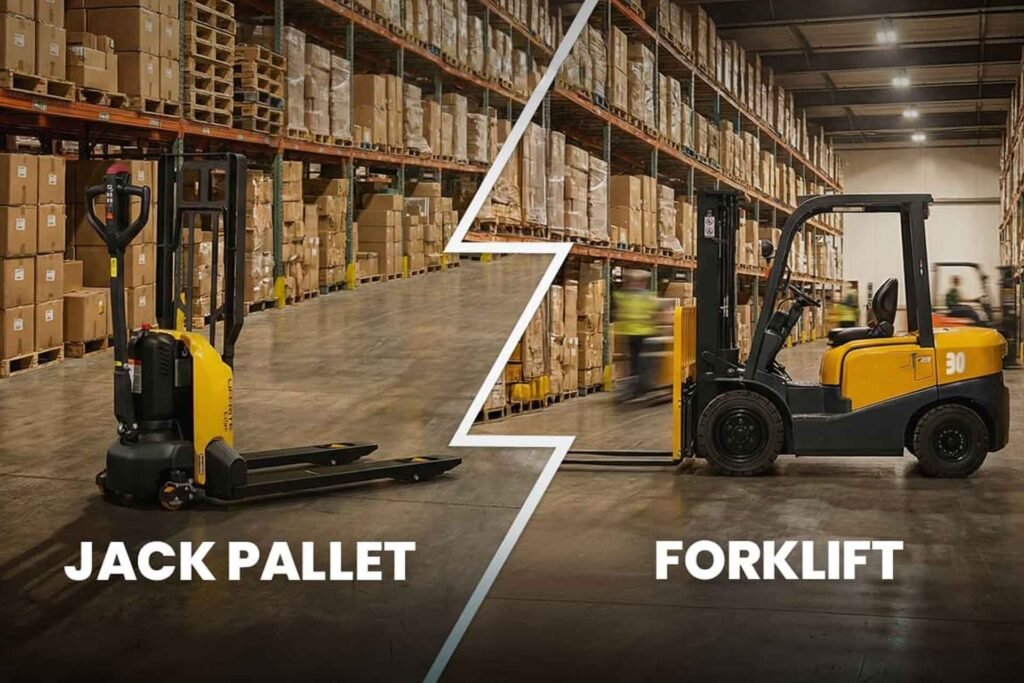
Pallet Jack vs Forklift
Choosing the wrong one leads to two major risks: buying a forklift you don’t have the space to maneuver, or relying on a pallet jack that leaves your staff exhausted and your vertical warehouse space wasted. Here is the professional breakdown to help you choose the right 'muscle' for your floor.
1. The Core Functional Difference: Horizontal vs Vertical
The fundamental divide between these two machines is their relationship with height.
-
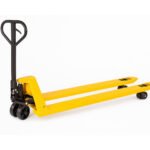
The Pallet Jack: Designed for one thing—moving a load from Point A to Point B on a flat floor. It lifts the pallet just a few inches. It is a 'Horizontal Specialist.'
-
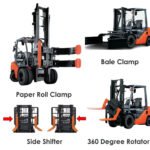
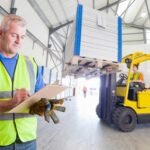
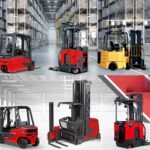
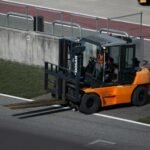
The Forklift: This is a 'Vertical Powerhouse.' With a mast that can reach 3 to 6 meters, it allows you to utilize the 'air' in your warehouse, stacking goods and effectively doubling your storage capacity without increasing your rent.
2. The 'Aisle' Factor: A Hidden Decision Maker
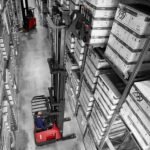
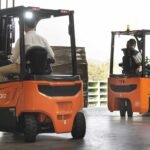
Before you buy, you must measure your floor. A standard forklift is a beast that requires a 'turning radius.' You generally need 3.5 to 4 meters of aisle width to operate safely. If your racks are already installed close together, a forklift might not even fit. Conversely, a pallet jack can turn on a dime, requiring only 1.5 meters of space—perfect for the back of a delivery truck or a cramped stockroom.
3. The Middle Ground: The Electric Pallet Jack
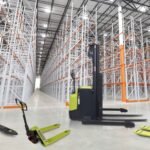
Many managers believe the only jump is from a manual jack to a $20,000 forklift. However, there is a 'sweet spot': the Electric Pallet Jack (Power Pallet Truck). If you have high volume but no need to stack vertically, an electric jack removes the physical strain of manual pulling at a fraction of a forklift's cost. It prevents worker fatigue and back injuries while keeping your workflow fast.
4. Comparison at a Glance
| Feature | Pallet Jack (Manual/Electric) | Forklift (LPG/Electric/Diesel) |
| Primary Motion | Horizontal Only | Horizontal & Vertical (Stacking) |
| Average Cost | $300 – $4,500 | $15,000 – $50,000+ |
| Training Required | Minimal | Certified Operator License Required |
| Maintenance | Near Zero / Low | High (Engines, Hydraulics, Tires) |
| Ideal For | Retail, Loading Docks, Small Shops | Factories, Logistics Hubs, High-Bay Racks |
5. Final Verdict: The Strategic Choice
-
Start with a Pallet Jack if: You only need to move goods from a truck to a storage area, your floor is perfectly flat, and you do not use vertical racking.
-
Upgrade to a Forklift if: You need to stack pallets to save on rent, you handle more than 20 pallets a day, or you need to load/unload flatbed trailers from the side.