
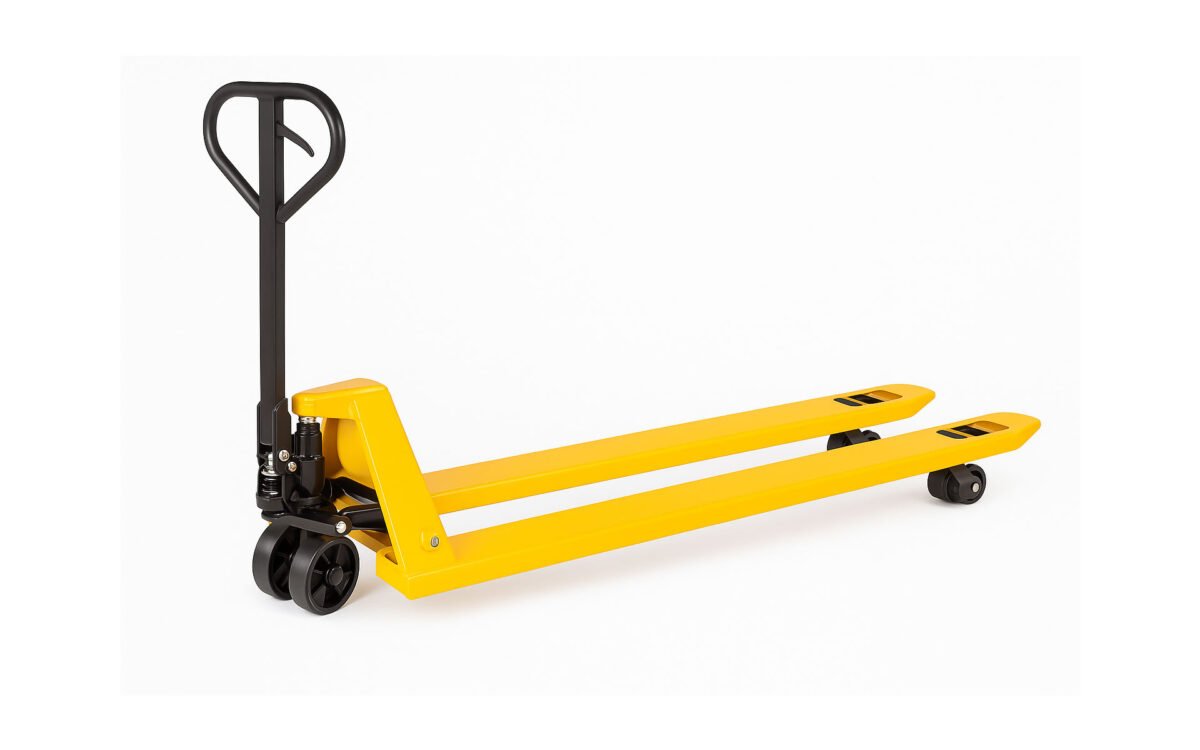
Narrow Pallet Jack: The Complete Guide for Tight Spaces
Most warehouses run on standard equipment. Standard pallets, standard aisles, standard pallet jacks. The system works — until it doesn't.If you've ever tried to manoeuvre a standard pallet jack through a tight retail aisle, a narrow cold storage corridor, or a compact stockroom, you already know the problem. The forks are too wide. The unit won't turn. You're either damaging racking, blocking the aisle, or manually repositioning loads that should take seconds to move.A narrow pallet jack solves ...
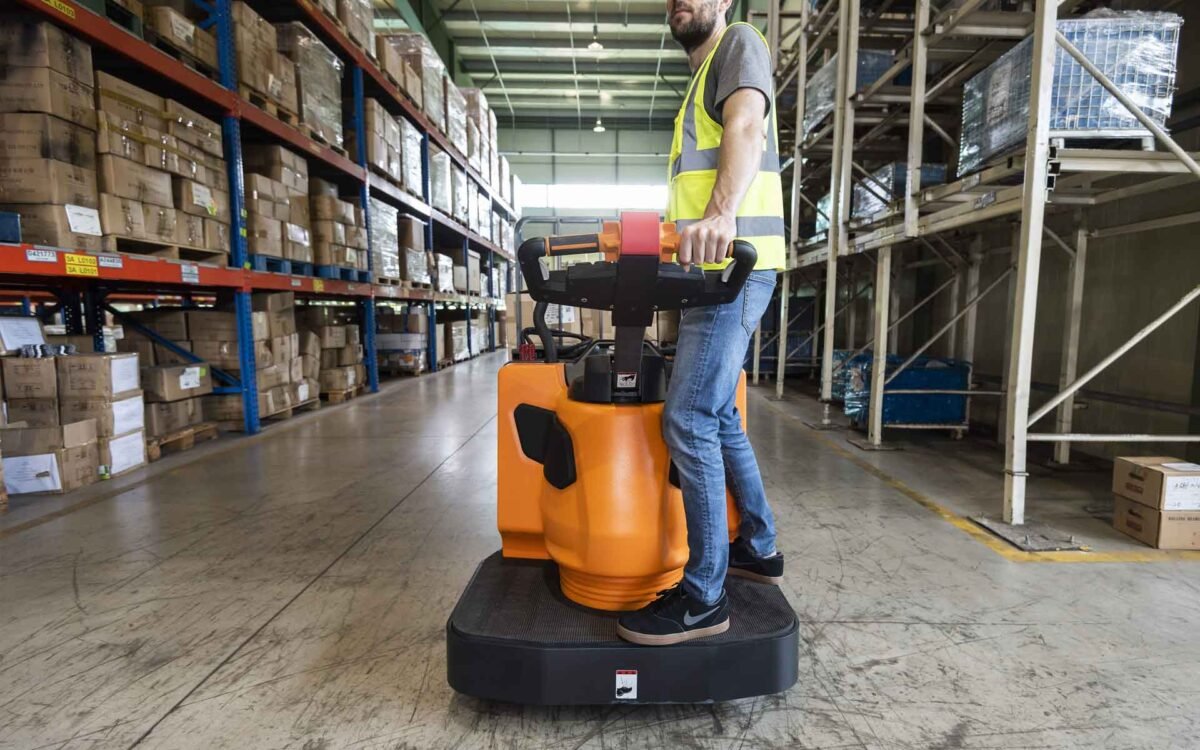
Electric Pallet Jack Buying Guide: What to Look for Before You Buy
Buying an electric pallet jack is a straightforward decision once you know what you're looking at. The problem is that most buyers — especially those sourcing for the first time — focus on price alone and overlook the specifications that actually determine whether the unit fits their operation. Buy the wrong model and you'll either have a machine that's underpowered for your loads, incompatible with your pallets, or running out of battery halfway through a shift. None of these are small problems ...
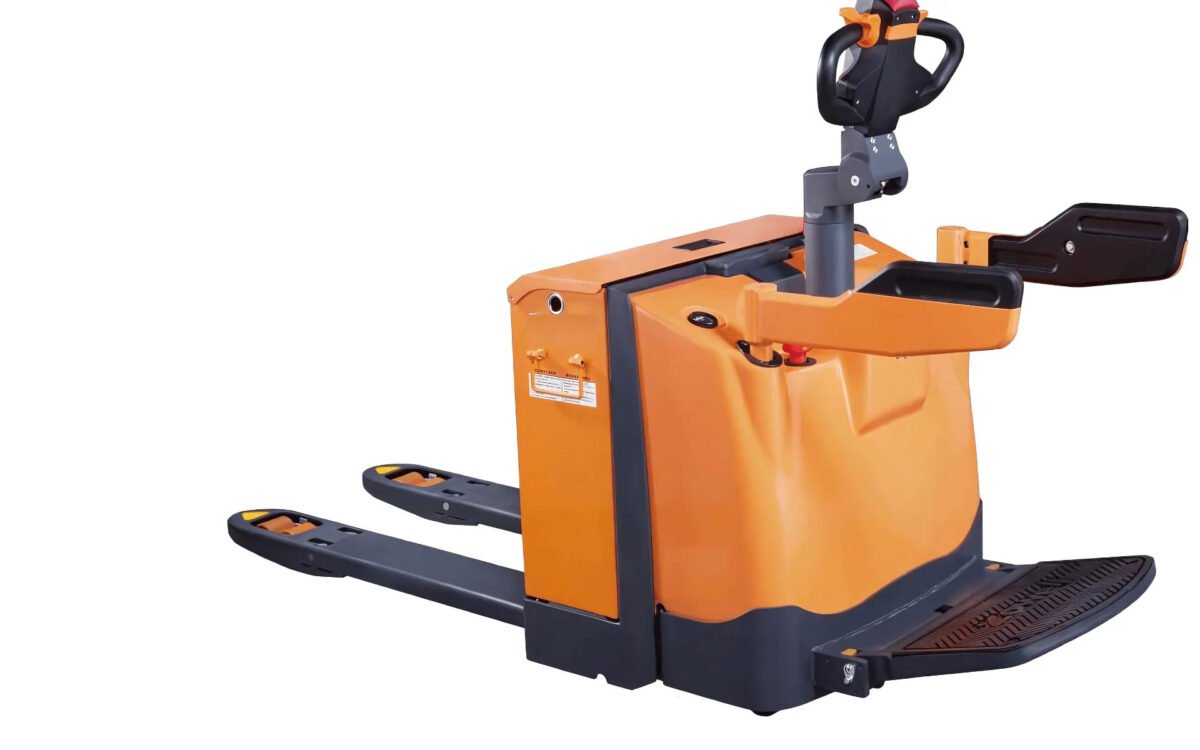
Types of Pallet Trucks: A Complete Guide for Buyers
Pallet trucks are one of the most widely used pieces of material handling equipment in the world. Walk into almost any warehouse, factory, retail stockroom, or logistics facility, and you'll find one. But "pallet truck" is not a single product. It's a category — and within that category, there are multiple types, each designed for a specific kind of work. Choosing the wrong type means paying for features you don't need, or worse, buying something that doesn't actually fit your operation. This gu ...
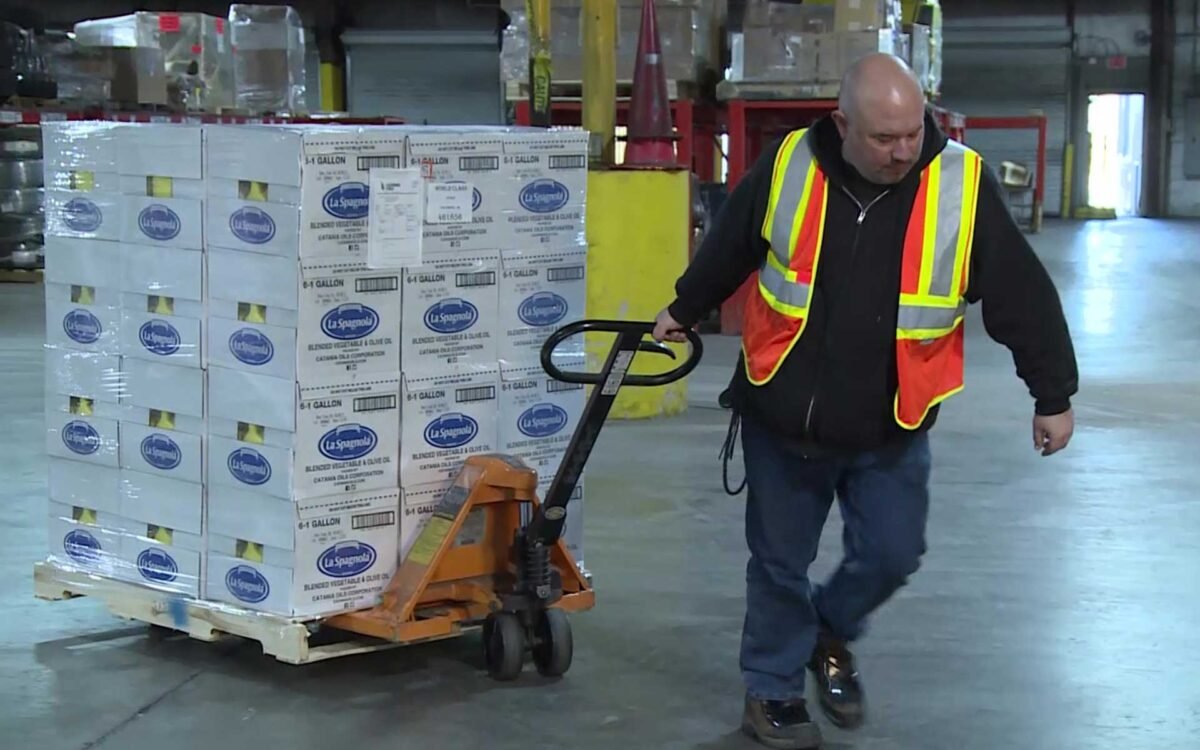
Manual vs Electric Pallet Jack: Which One Do You Need?
If you're sourcing a pallet jack for your warehouse, factory, or logistics operation, you've likely run into the same question every buyer faces: manual or electric? Both types move pallets. Both are widely used. But they serve different operations, and choosing the wrong one can cost you in productivity, labour, or maintenance down the line. This guide breaks down the real differences — so you can make the right call before you buy.