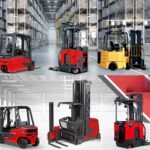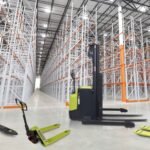
A smart warehouse is a warehouse where machines do the moving and people do the deciding. Not 'lights out.' Not AI replacing everyone. Just: sensors tell you where everything is, software decides the most efficient path, and automated equipment executes the movement. The rest is marketing.
Looking for the specific hardware, software, and pricing to actually build one? See our full breakdown: Smart Warehouse Technologies — What Actually Works in 2026. This page covers the concept and where most operations get it wrong before you get into the shopping list.
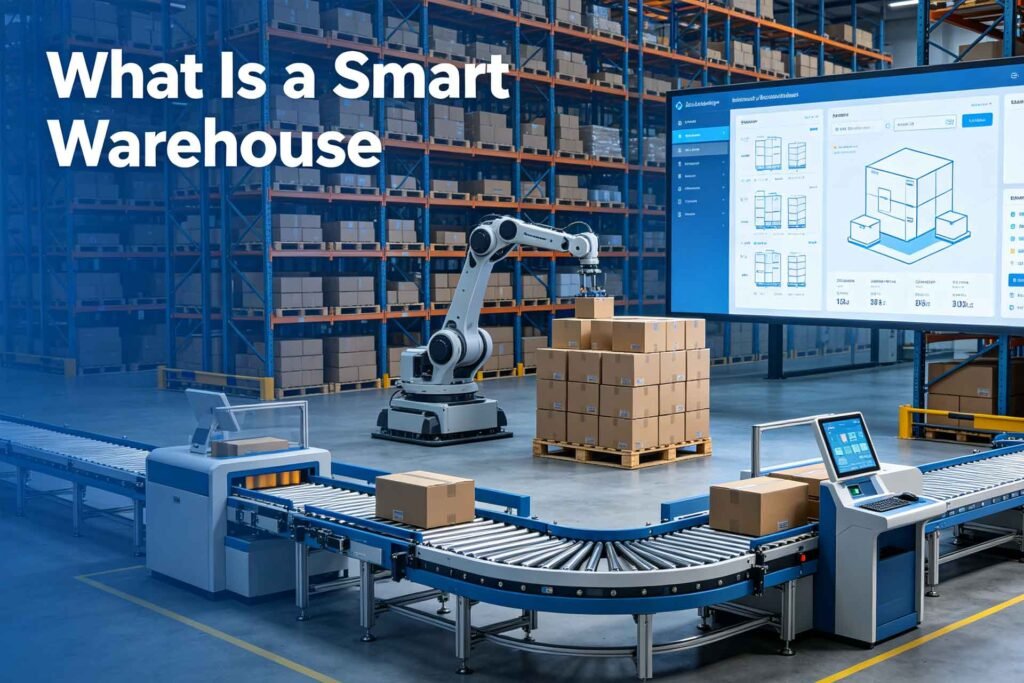
what is smart warehouse
What Most People Picture — and What It Actually Looks Like
They picture Amazon Robotics: hundreds of robots sliding under shelves, few people visible, a system orchestrating every movement. That's a real thing, and it represents a scale of investment most operations will never need or justify.
What a smart warehouse actually looks like for most businesses: a mid-sized 3PL with 40 forklifts, 12 dock doors, and 15,000 SKUs adds a WMS that tells operators exactly which pallet to pick next, puts barcode scanners on the forklifts so the system knows in real time what moved where, and replaces a few sit-down forklifts with stand-ups and AGVs for the repetitive pallet moves. Investment: roughly $150,000–$300,000. Payback: 12–18 months.
They didn't replace everyone. They stopped paying people to walk around looking for things, and started paying them to verify exceptions and fix what the system couldn't handle.
The Three Layers
A warehouse is only as smart as its weakest layer. Miss one, and you have a warehouse with a few screens — not a smart warehouse.
1. Visibility (sensors and tracking) — the cheapest, highest-impact layer. You can't optimize what you can't see: barcode scanning on forklifts and RFID at dock doors alone cover most of the value for most warehouses.
2. Decision logic (WMS / WES software) — turns visibility into instructions. A basic WMS says 'put this pallet in zone C3.' A smart WMS says 'put this pallet in zone C3, and pick up two pallets in zone B2 on your way back, because they're on the same outbound truck.'
3. Execution (automated material handling) — the expensive layer, and the one most vendors want to sell first. Don't buy it first. AGVs and AMRs are not the same investment: AGVs follow fixed paths and suit repetitive fixed routes at a lower cost; AMRs navigate dynamically and cost more but adapt to changing traffic patterns. Our technology guide breaks down the actual cost and ROI math for each layer.
Where Smart Warehouses Fail
1. Buying hardware before the data is clean. A warehouse with paper records and a 7% cycle count error buys an AGV fleet. The AGVs move pallets to the wrong locations because the system doesn't know where anything actually is — now it's faster wrong moves. Fix: clean your inventory data and get barcode/RFID tracking and a working WMS running first, then automate movement.
2. Buying a system the operators refuse to use. A new WMS adds a few extra clicks per move; operators route around it. The dashboard shows 99.9% accuracy while the actual floor is a mess. Fix: put the operators you trust in the room during WMS selection. If they hate the interface, don't buy it.
3. Automating a process that shouldn't exist. A six-step receiving process survives from a 2014 workflow nobody remembers, and gets automated as-is at high cost, while a leaner redesign would have cost a fraction as much. Fix: optimize the process first, then automate the optimized version.
The Quick Test
Answer these five questions. More than two 'no's means a smart-warehouse investment is likely to pay back:
- Do you know exactly where every pallet is right now — without walking to check?
- Does your system tell operators what to do next, or do they decide?
- Do you track cycle time per operator per task?
- Do your fastest-moving SKUs sit nearest the dock?
- Can you run real-time inventory without a manual count?
The Bottom Line
A smart warehouse is visible (you know where everything is), optimized (the system tells operators the most efficient move), and automated (machines handle the repetitive long-distance pallet moves) — built in that order. Start with visibility, add software, and only then buy the equipment.
For the specific tools, vendors, costs, and payback math behind each layer, see our full guide: Smart Warehouse Technologies — What Actually Works in 2026.
Where Maoxiang Fits
We build the equipment that sits in the execution layer — AGVs, electric forklifts, and stand-up warehouse trucks. We'd rather tell you to fix your data and get your WMS running first than sell you automation that just makes existing mistakes faster. When you're ready for that layer, tell us your routes and volume and we'll help you work out whether AGV, AMR, or an automated forklift actually fits.