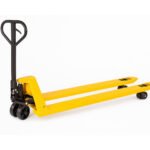
'Lift truck' and 'forklift' are used interchangeably in casual conversation, but technically, 'lift truck' is the broader industry term (covering forklifts, pallet jacks, order pickers, and reach trucks), while 'forklift' specifically refers to the classic counterbalance truck with two forks used to lift and move palletized loads. In practice, most people — including many manufacturers — use both terms to mean the same thing, so the distinction matters more in technical documentation than in everyday use. Here's when the difference actually matters and when it doesn't.
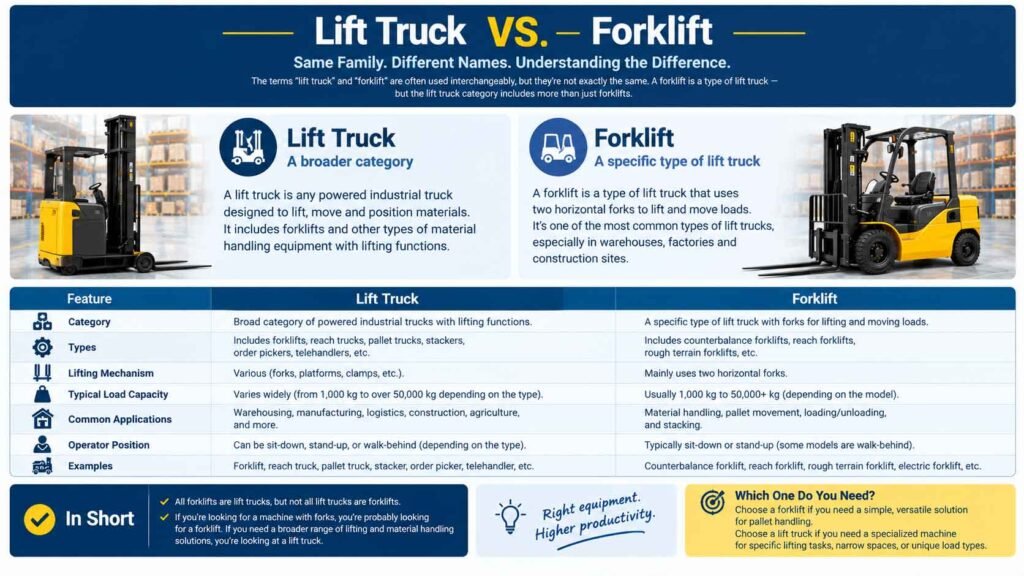
Lift Truck vs Forklift
Why This Question Comes Up So Often
Searches comparing these two terms usually come from one of three situations: someone reading a spec sheet or safety manual that uses 'lift truck' and wondering if it means something different from the forklift they're used to seeing; a buyer trying to understand equipment categories before a purchase; or someone writing safety/compliance documentation who needs to know which term is technically correct. All three deserve a straight answer, so here it is.
The Technical Distinction
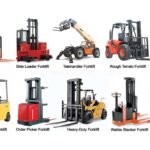
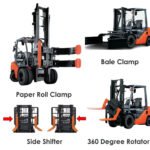
Lift truck is the umbrella term used in industry standards (including OSHA and ANSI documentation) to describe any powered industrial truck designed to lift, lower, and transport loads. Under this umbrella sit several distinct equipment types:
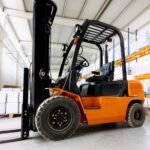
- Counterbalance forklifts — the classic two-fork design with a counterweight at the rear
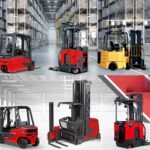
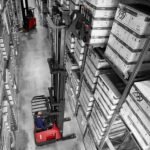
- Reach trucks — narrow-aisle trucks with an extending mast for high-rack warehouse storage
- Order pickers — trucks that raise the operator alongside the load for piece-picking
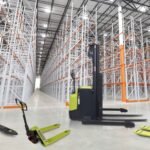
- Pallet jacks (powered) — low-lift trucks for moving palletized loads short distances
- Rough terrain forklifts — outdoor-rated trucks with larger tires for construction sites
Forklift, strictly speaking, refers to the counterbalance design — the equipment most people picture when they hear either term: a vehicle with two horizontal prongs that slide under a pallet or load to lift it.
So technically, every forklift is a lift truck, but not every lift truck is a forklift.
Why the Terms Get Used Interchangeably Anyway
In everyday warehouse, retail, and construction conversation, 'forklift' has become the generic term for almost any powered material handling truck, the same way 'Kleenex' is used generically for facial tissue. Most people say 'forklift' even when referring to a reach truck or order picker, and most manufacturers' marketing materials do the same because it's the more widely recognized term to a general audience.
'Lift truck' tends to show up more often in:
- OSHA and safety compliance documentation
- Manufacturer technical specifications and operator manuals
- Industry certifications and training materials
- B2B equipment catalogs distinguishing between truck types
If you're reading an official safety training document, 'lift truck' is likely being used deliberately and precisely. If you're talking to a warehouse worker, 'forklift' almost certainly covers whatever equipment they're referring to.
Does the Distinction Actually Matter for Buyers?
For most purchasing decisions, no — what matters is choosing the right type of lift truck for your application, not which umbrella term to use. But there are a few situations where the distinction is genuinely useful to understand:
1. Reading compliance and training materials
OSHA's powered industrial truck standard (29 CFR 1910.178) uses 'lift truck' as the formal category, and it applies to all the equipment types listed above — not just counterbalance forklifts. If your training program only covers 'forklift' operation, it may be missing coverage for reach trucks, order pickers, or pallet jacks your team also operates.
2. Comparing equipment specs across categories
If you're evaluating whether a counterbalance forklift or a reach truck better suits your warehouse, understanding that both fall under 'lift truck' — but serve different purposes — helps frame the comparison correctly instead of assuming 'forklift' is the only option on the table.
3. Regional and industry terminology differences
In some regions and industries (particularly in the UK and parts of Europe), 'lift truck' or 'fork lift truck' is used more formally and consistently than in North American casual usage, where 'forklift' dominates regardless of the equipment type.
A Simple Way to Think About It
If you're ever unsure which term to use: 'lift truck' is the category, 'forklift' is the most common member of that category. Saying 'forklift' when you mean any powered lifting equipment will almost always be understood correctly in everyday conversation. Saying 'lift truck' is more precise and appropriate in safety documentation, technical specifications, or when you specifically need to include reach trucks, order pickers, or other non-counterbalance equipment in what you're describing.
Quick Reference
| Term | Scope | Where It's Typically Used |
|---|---|---|
| Lift truck | Umbrella term for all powered lifting equipment | Safety standards, technical manuals, formal documentation |
| Forklift | Specifically the counterbalance design; used generically in casual speech | Everyday conversation, general marketing, common usage |
| Reach truck | Narrow-aisle truck under the lift truck umbrella | Warehouse-specific technical contexts |
| Order picker | Operator-elevating truck under the lift truck umbrella | Warehouse-specific technical contexts |
Conclusion
'Lift truck' and 'forklift' aren't competing terms describing different equipment — one is simply the broader category and the other is its most common member, and in casual use they've largely merged into synonyms. The distinction is worth knowing when reading safety compliance documents or comparing equipment types across a warehouse, but for day-to-day purposes, using either term will almost always get you understood correctly.