In industries like lumber yards and brick factories, material handling demands tough, reliable equipment that can withstand harsh environments and heavy loads. A forklift for lumber yard or brick factory use isn’t just any forklift—it needs to be rugged, versatile, and efficient to keep your operations running smoothly. Selecting the right forklift can significantly enhance productivity, reduce downtime, and improve safety for operators.
This comprehensive guide explores the essential features, types, and considerations when choosing forklifts tailored for lumber yards and brick factories. Backed by insights from leading manufacturers like Toyota, Kalmar, Linde, and top Chinese rough terrain forklift providers, this article will help you make an informed decision for your material handling needs.
forklift for lumber yard / brick factory
Why Choosing the Right Forklift Matters in Lumber Yards and Brick Factories
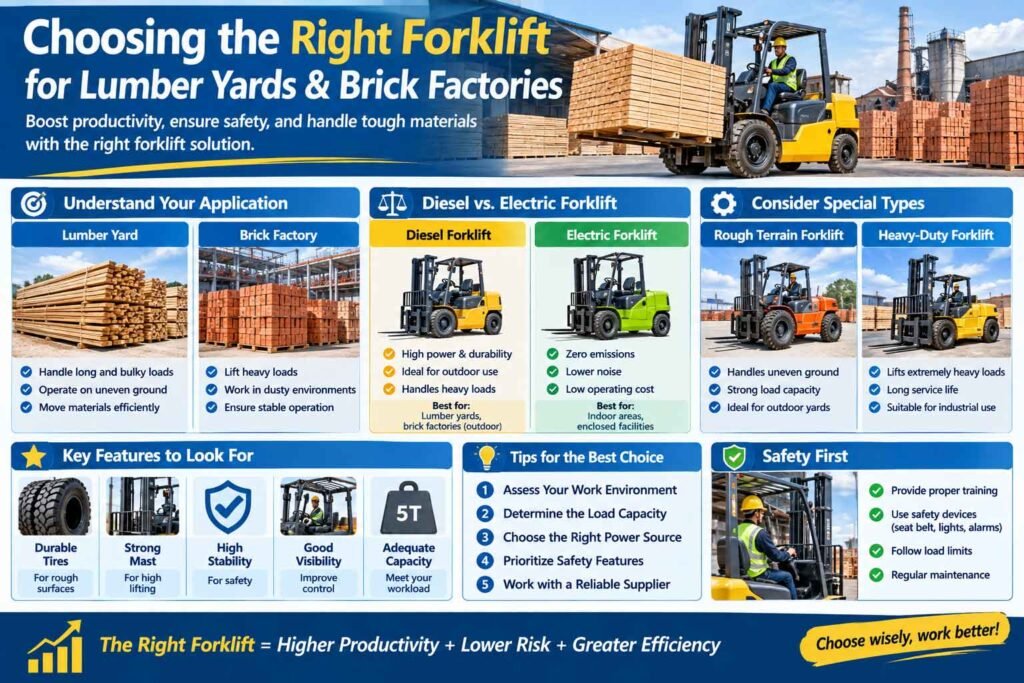
Lumber yards and brick factories present unique challenges:
- Uneven, rough terrain: From gravel and dirt to timber waste and brick chips, forklifts must navigate tough surfaces.
- Heavy, bulky loads: Lumber bundles and pallets of bricks require forklifts with strong lifting capacities and stability.
- Dust and debris: These environments demand equipment with robust filtration and cooling systems to avoid breakdowns.
- Safety risks: High loads and uneven ground increase tipping hazards, making operator control and visibility critical.
A forklift built specifically for these conditions ensures operational efficiency and safety, minimizing costly repairs and downtime.
Types of Forklifts Ideal for Lumber Yards and Brick Factories
1. Diesel Pneumatic Tire Forklifts
Best for: Outdoor, rough terrain environments with heavy loads.
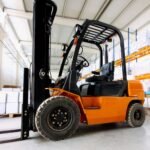
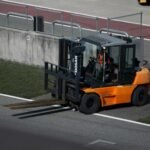
Toyota’s Core Diesel Pneumatic Forklift is a prime example, designed to handle uneven surfaces like gravel, mud, and dirt common in lumber yards and brick factories. Powered by diesel, it provides:
- Lift capacities typically ranging from 4,000 to 6,500 lbs.
- Pneumatic tires that absorb shocks and provide superior traction.
- Advanced cooling and filtration systems to combat dust and heat.
- Ergonomic operator cabins with adjustable suspension seats and intuitive controls.
This forklift type offers durability, power, and comfort, making it a workhorse for demanding outdoor applications.
2. Rough Terrain Forklifts (2.5 to 5 Ton Capacity)
These forklifts are engineered specifically for off-road use, featuring:
- 4WD or 2WD options with high ground clearance (e.g., 270 mm or more).
- Aggressive deep-tread pneumatic or foam-filled tires for traction and puncture resistance.
- Strong chassis and axles built to endure rugged conditions.
- Enhanced cooling packages and filtration to handle dust and debris.
Chinese manufacturers like Hangcha, Liugong, and Heli offer competitive rough terrain forklifts with features tailored to lumber yards and brickyards, such as differential locks for mud navigation and reinforced radiators for dust protection.
3. Electric Forklifts
Electric forklifts are gaining popularity in mixed indoor/outdoor operations, especially where noise and emissions restrictions apply. Kalmar and Linde provide electric models with:
- Lift capacities from 5 to 33 tons suitable for lumber and brick handling.
- Zero emissions and quiet operation, ideal for indoor storage or partially covered yards.
- Lithium-ion battery options for fast charging and extended runtime.
- Advanced ergonomic designs and safety features.
Electric forklifts reduce environmental impact and operating costs but require reliable charging infrastructure.
Key Features to Look for in Forklifts for Lumber Yards and Brick Factories
| Feature | Importance & Benefit |
|---|---|
| Pneumatic Tires | Essential for traction and shock absorption on rough terrain. |
| Lift Capacity | Must match the heaviest loads—typically 3,000 to 35,000+ lbs. |
| Operator Ergonomics | Adjustable seats, intuitive controls, and good visibility reduce fatigue and improve safety. |
| Cooling & Filtration Systems | Protect engine and hydraulics from dust and overheating in dusty environments. |
| 4WD and Differential Lock | Improve traction and maneuverability in mud, uneven ground, or slippery surfaces. |
| Load-Sensing Power Steering | Enhances control and reduces operator strain, especially under heavy loads. |
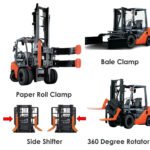
| Attachments Compatibility | Fork positioners, side shifters, and load backrests improve load handling efficiency. |
| Maintenance Accessibility | Easy filter changes and routine service points reduce downtime. |
Comparing Forklift Options: Diesel vs. Electric for Lumber and Brick Operations
| Aspect | Diesel Forklifts | Electric Forklifts |
|---|---|---|
| Power & Torque | Superior for heavy loads and long operating hours | Sufficient for moderate loads; improving rapidly |
| Terrain Handling | Excellent on rough, uneven surfaces | Good on paved or semi-rough surfaces |
| Emissions | Produces exhaust; not ideal for enclosed spaces | Zero emissions; suitable for indoor use |
| Noise | Louder operation | Quiet operation |
| Maintenance | More frequent engine and fuel system maintenance | Lower maintenance; battery care required |
| Operating Costs | Higher fuel and maintenance costs | Lower energy and maintenance costs |
For purely outdoor lumber yards and brick factories with no indoor restrictions, diesel pneumatic forklifts remain the industry standard due to their ruggedness and power. However, hybrid or electric models are gaining traction where environmental concerns and indoor operations overlap.
Top Industry Insights: What Leading Manufacturers Say
- Toyota Forklifts emphasizes their core diesel pneumatic forklifts’ durability and operator comfort, highlighting features like load-sensing hydrostatic power steering, advanced cooling systems, and ergonomic cabins that keep operators productive in lumber and brick handling environments.
- Kalmar offers a broad range of forklifts from electric to super heavy-duty models, focusing on sustainability with lithium-ion battery options and advanced safety standards. Their forklifts cater to lumber yards and brick factories by providing reliable performance on uneven terrain and in dusty conditions.
- Linde Material Handling stresses tailored drive solutions and ergonomic designs, offering both electric and internal combustion forklifts optimized for various load capacities and environmental requirements, ensuring safety and efficiency in lumber and brick material handling.
- Chinese Rough Terrain Forklift Manufacturers like Hangcha and Liugong are recognized for their specialized rough terrain forklifts equipped with 4WD, differential locks, and reinforced components, making them excellent choices for lumber yards and brickyards that require cost-effective, durable solutions.
Practical Tips for Selecting the Best Forklift for Your Operation
- Assess Your Load Requirements: Know the maximum weight and size of your lumber or brick loads to choose an appropriate lift capacity.
- Evaluate Terrain Conditions: For muddy, uneven, or debris-filled yards, prioritize forklifts with pneumatic tires, 4WD, and high ground clearance.
- Consider Operator Comfort: Long shifts demand ergonomic features like adjustable suspension seats and intuitive controls to maintain productivity.
- Plan for Maintenance and Parts Availability: Choose brands with local dealer networks and accessible spare parts to minimize downtime.
- Think About Attachments: Fork positioners, side shifters, and load backrests can boost handling efficiency and reduce load damage.
- Decide on Power Type: Balance between diesel’s ruggedness and electric’s eco-friendliness based on your operational environment and regulations.
- Verify Safety Certifications: Ensure the forklift complies with relevant safety standards such as ANSI/ITSDF B56.6 for rough terrain forklifts.
Conclusion
Choosing the right forklift for lumber yard or brick factory operations is crucial to ensuring efficiency, safety, and longevity in your material handling processes. Whether you opt for a durable diesel pneumatic forklift, a versatile rough terrain model, or an eco-friendly electric alternative, prioritizing terrain adaptability, load capacity, operator comfort, and maintenance support will help you maximize productivity.
Leverage insights from trusted manufacturers like Toyota, Kalmar, and Linde, and consider proven rough terrain options from established Chinese brands to find a forklift that fits your unique needs. Investing in the right forklift today means smoother operations, safer workplaces, and a stronger bottom line tomorrow.
Ready to upgrade your fleet? Contact your local authorized forklift dealer or visit trusted manufacturer websites to explore models tailored for lumber yards and brick factories. Make the smart move and keep your operation moving forward!