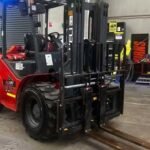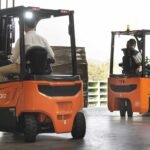
Several forklift components work together to keep a load from falling, including the forks, load backrest, mast tilt system, and hydraulic controls.
👉 It is not just one part—but a combination of design and operation that ensures load stability.
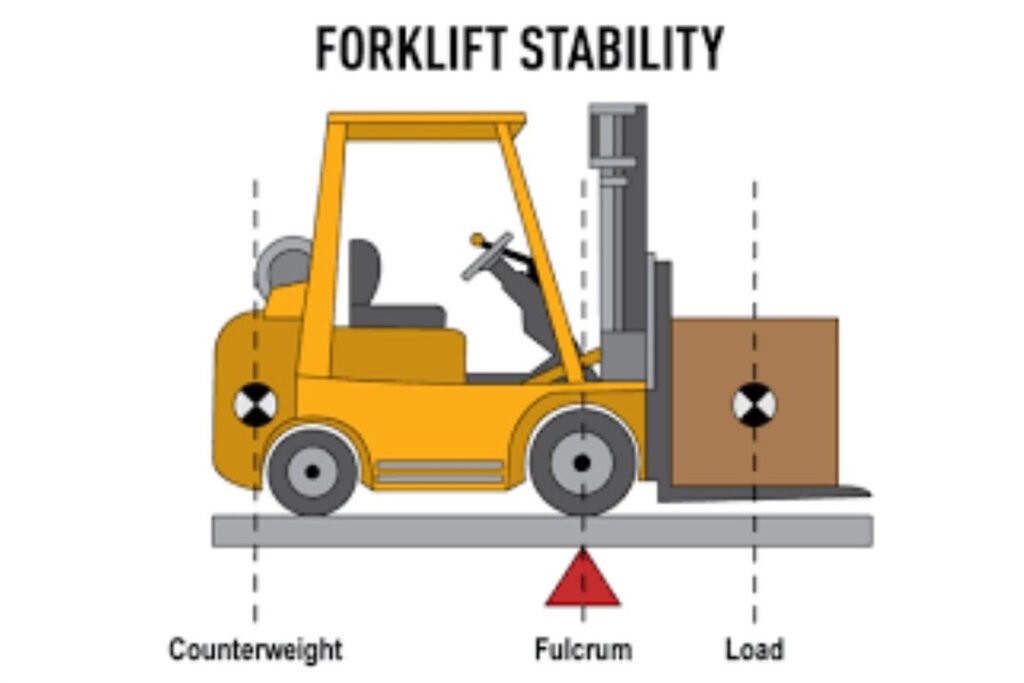
what forklift component keeps the load from falling
Key Forklift Components That Prevent Loads from Falling
1. Forks (The Primary Support)
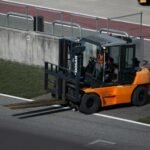
The forks are the main components that hold the load.
Their role:
- Support the weight of the pallet
- Keep the load level
- Distribute weight evenly
👉 Proper fork positioning is critical to prevent slipping.
2. Load Backrest (Prevents Backward Falling)
The load backrest is the vertical frame behind the forks.
Its function:
- Supports the load from behind
- Prevents items from falling backward toward the operator
👉 Especially important when lifting stacked or unstable loads.
3. Mast Tilt System (Keeps the Load Stable)
The mast tilt allows the operator to angle the forks.
Why it matters:
- Tilting backward stabilizes the load
- Prevents forward slipping during movement
👉 This is one of the most important safety features.
4. Hydraulic System (Controls Movement)
The hydraulic system controls lifting and lowering.
Its role:
- Provides smooth lifting
- Prevents sudden drops
- Maintains load control
👉 Sudden movements can cause instability, so smooth control is essential.
How These Components Work Together
A forklift’s safety does not rely on a single part.
👉 Instead:
- Forks support the load
- Backrest stabilizes it
- Mast tilt secures it
- Hydraulics control movement
👉 Together, they create a stable and controlled lifting system.
Common Causes of Falling Loads
Even with proper components, loads can fall due to operator error.
Common mistakes:
- ❌ Overloading beyond capacity
- ❌ Incorrect fork positioning
- ❌ Driving with the load too high
- ❌ Sudden stops or turns
👉 Most accidents are caused by improper operation, not equipment failure.
Safety Tips to Prevent Loads from Falling
✔ Always keep the load low while moving
✔ Tilt the mast backward slightly
✔ Do not exceed rated capacity
✔ Ensure the load is balanced
👉 Safety practices are guided by organizations like the Occupational Safety and Health Administration.
Why Forklift Design and Quality Matter
Not all forklifts offer the same level of safety.
High-quality forklifts:
- ✔ Provide better load stability
- ✔ Have smoother hydraulic control
- ✔ Include stronger backrests and frames
Low-quality forklifts:
- ❌ Increase the risk of load instability
- ❌ May have inconsistent control systems
👉 Choosing the right forklift plays a critical role in workplace safety.
Frequently Asked Questions
What prevents a load from falling off a forklift?
A combination of forks, backrest, mast tilt, and proper operation keeps the load secure.
Why do forklift loads fall?
Usually due to overloading, poor positioning, or sudden movements.
Is the backrest necessary?
Yes, it helps prevent loads from falling backward toward the operator.
Final Thoughts
Keeping a load from falling is not the job of a single component—it depends on a complete system working together, along with proper operation.
Understanding these safety features helps reduce risks and improve efficiency in any material handling operation.
Looking for Safer and More Reliable Forklifts?
If safety and stability are priorities in your operation, choosing the right forklift is essential.
At Hebei Maoxiang Technology Co., Ltd., we design forklifts with advanced safety features, stable structures, and reliable hydraulic systems.
Why Choose Us?
- Enhanced load stability design
- Smooth and precise control systems
- Durable and safety-focused construction
- Competitive pricing for global markets
👉 Contact us today to find a forklift solution that improves both safety and efficiency.