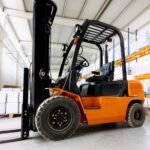
A forklift is designed to lift, carry, move, and stack heavy materials efficiently over short distances, primarily in warehouses, factories, and logistics centers.
But beyond its basic function, a forklift plays a critical role in modern operations—it helps businesses increase productivity, reduce manual labor, improve safety, and optimize storage space.
In this guide, we’ll break down exactly what a forklift is designed to do, where it’s used, and why it’s essential for efficient material handling.
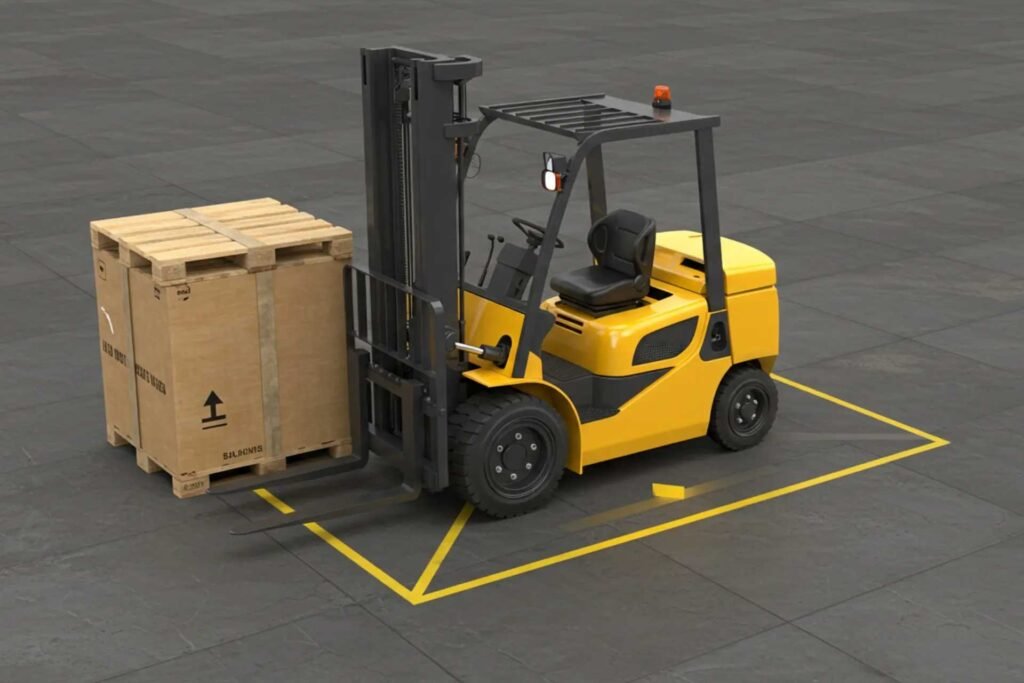
What Is a Forklift Designed to Do
What Does a Forklift Actually Do?
At its core, a forklift is built to handle tasks that would otherwise require significant manual effort or multiple workers. Its design focuses on five key functions:
1. Lifting Heavy Loads
Forklifts are engineered to lift materials ranging from a few hundred kilograms to several tons.
- Ideal for pallets, machinery, and bulk goods
- Reduces the need for manual lifting
- Improves workplace efficiency
👉 This is the most basic—but not the only—function of a forklift.
2. Transporting Materials Over Short Distances
Forklifts are not designed for long-distance transport. Instead, they excel at:
- Moving goods within warehouses
- Transporting materials between production lines
- Handling internal logistics quickly and efficiently
3. Stacking and Organizing Inventory
One of the most important—and often overlooked—functions is vertical storage.
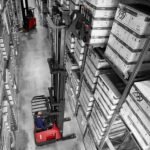
- Lifting goods to high shelves
- Maximizing warehouse space
- Supporting high-density storage systems
👉 This function directly improves storage efficiency and reduces operational costs.
4. Loading and Unloading Trucks
Forklifts are essential in logistics operations:
- Fast loading and unloading of trucks and containers
- Reducing turnaround time
- Improving supply chain efficiency
5. Improving Workplace Safety
Forklifts are designed to make material handling safer:
- Reduce physical strain on workers
- Minimize injury risks
- Provide controlled and stable lifting
👉 When used properly, forklifts significantly improve workplace safety standards.
Where Are Forklifts Commonly Used?
Forklifts are widely used across multiple industries:
- Warehousing & Logistics: Inventory handling and order fulfillment
- Manufacturing: Moving raw materials and finished goods
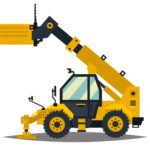
- Construction: Transporting heavy building materials
- Ports & Freight Terminals: Container and cargo handling
- Retail & Distribution Centers: Stock management
Today, many manufacturers—including Hebei Maoxiang Technology Co., Ltd.—develop specialized forklift solutions tailored to these different environments, improving both efficiency and reliability.
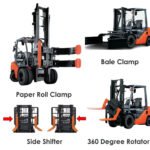
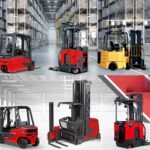
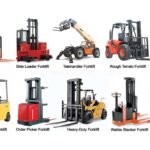
Types of Forklifts and What They Are Designed For
Different forklifts are designed for different tasks. Choosing the right type is key to maximizing performance.
Electric Forklift
- Designed for indoor use
- Quiet, clean, and low maintenance
- Ideal for warehouses and factories
Diesel Forklift
- Designed for heavy outdoor work
- High power and durability
- Not suitable for indoor environments
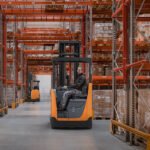
Reach Truck
- Designed for narrow aisle warehouses
- High lifting capability
- Maximizes vertical storage
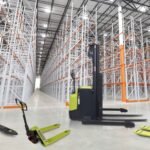
Pallet Jack
- Designed for light-duty material handling
- Simple and cost-effective
- Ideal for short-distance transport
Why Forklifts Are Essential for Modern Businesses
Forklifts are not just tools—they are productivity drivers. Here’s why businesses rely on them:
✔ Increase Operational Efficiency
Move more goods in less time with fewer workers.
✔ Reduce Labor Costs
Minimize manual handling and workforce requirements.
✔ Improve Storage Utilization
Enable vertical stacking and better warehouse organization.
✔ Enhance Workplace Safety
Reduce injuries and improve handling precision.
Common Questions About Forklifts
What is the main purpose of a forklift?
The main purpose is to lift, move, and stack heavy materials efficiently within a limited area.
How much weight can a forklift lift?
Depending on the model, forklifts can handle loads from 1 ton to over 10 tons.
Can forklifts be used indoors?
Yes—electric forklifts are specifically designed for indoor use due to zero emissions and low noise.
What industries use forklifts the most?
Warehousing, manufacturing, logistics, construction, and retail are the most common industries.
Final Thoughts
A forklift is designed to do much more than just lift materials—it is a key piece of equipment that improves efficiency, safety, and cost control across a wide range of industries.
Understanding its functions and choosing the right type can significantly impact your business performance.
Need Help Choosing the Right Forklift?
Selecting the right forklift for your operation depends on your workspace, load requirements, and efficiency goals.
At Hebei Maoxiang Technology Co., Ltd., we specialize in providing reliable and cost-effective forklift solutions for warehouses, factories, and logistics operations worldwide.
Why Choose Us?
- Wide range of electric and industrial forklifts
- Competitive pricing with stable quality
- Custom solutions based on your working conditions
- Fast response and professional support
👉 Contact us today to get expert advice and find the perfect forklift solution for your business.