In today’s fast-paced warehouse environments, maximizing storage space and operational efficiency is crucial. One specialized piece of equipment that has revolutionized material handling in narrow aisles and high-density storage facilities is the reach truck. But what exactly is a reach truck, and why has it become an indispensable tool in modern warehouses? This article explores the ins and outs of reach trucks, their key features, applications, benefits, and how they compare to other forklifts, helping you understand whether a reach truck is the right fit for your facility.
what is a reach truck
What Is a Reach Truck?
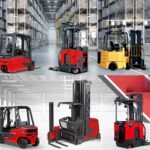
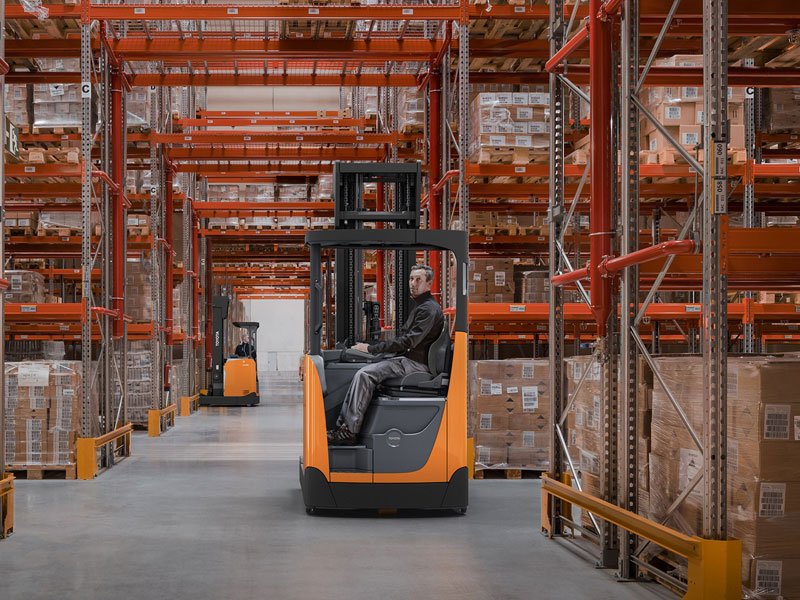
A reach truck is a type of forklift specifically designed for indoor warehouse operations. Unlike traditional counterbalance forklifts, reach trucks feature an extendable mast and forks that can “reach” forward into racking systems to retrieve or place pallets without moving the entire vehicle underneath the load. This unique design allows reach trucks to operate efficiently in narrow aisles while accessing materials stored at significant heights.
The term 'reach' refers to the truck’s ability to extend its forks forward, enabling operators to work deeper into storage racks. Most reach trucks are electric-powered, offering zero emissions, quieter operation, and lower maintenance compared to internal combustion forklifts, making them ideal for indoor use.
How Does a Reach Truck Work?
The defining characteristic of a reach truck is its extendable mast system. The forks attach to a carriage that moves horizontally forward and backward, allowing the truck to insert or retrieve pallets from racking systems without driving the entire truck inside the rack.
Key operational features include:
- Pantograph or Scissor Reach Mechanism: Most reach trucks use a pantograph (scissor-like) system to extend the forks forward, sometimes up to 70 inches beyond the truck’s front wheels. This mechanism enables access to pallets stored two positions deep in double-deep racking systems.
- Stabilizing Outriggers: Unlike counterbalance forklifts that rely on heavy counterweights, reach trucks use outriggers that extend beneath the racks to stabilize the vehicle during lifting operations.
- Operator Compartment: Most reach trucks feature a stand-up operator compartment that offers superior visibility and allows quick entry and exit, improving productivity in tasks requiring frequent stops.
Key Features of Reach Trucks
Reach trucks come equipped with several features designed to optimize warehouse operations:
1. Compact Design and Maneuverability
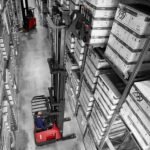
- Reach trucks are built to operate in narrow aisles as slim as 8 to 10 feet, significantly narrower than the 12 to 15 feet required by standard forklifts.
- Their small turning radius and rear-wheel steering enable easy navigation in confined spaces.
2. High Lifting Capacity and Reach
- Reach trucks can lift loads typically ranging from 1,000 to 3,500 kg (2,200 to 7,700 lbs).
- They can reach heights of up to 12.5 meters (approximately 40 feet), enabling warehouses to maximize vertical storage.
3. Advanced Hydraulic Controls
4. Ergonomic Operator Comfort
- Adjustable seats or standing platforms reduce operator fatigue.
- Wide visibility masts and overhead guards enhance safety and awareness.
5. Electric Power and Battery Technology
- Most reach trucks use electric motors powered by lithium-ion or lead-acid batteries.
- Lithium-ion batteries offer rapid charging (full charge in 2 hours), longer life cycles, and maintenance-free operation, making them ideal for multi-shift warehouses.
Applications of Reach Trucks
Reach trucks are versatile and widely used across various industries, particularly where space optimization is essential:
- Warehousing and Distribution Centers: Reach trucks enable narrow aisle layouts, increasing storage density by up to 50% compared to wide-aisle forklifts.
- Retail and E-commerce: Efficient order picking and pallet handling in tight backroom spaces.
- Cold Storage and Freezer Warehouses: Specialized models withstand sub-zero temperatures while maintaining maneuverability.
- Manufacturing Facilities: Handling raw materials and finished goods in confined storage areas.
- Third-Party Logistics (3PL): Managing inventory for multiple clients with flexible and space-efficient storage solutions.
Reach Trucks vs. Other Forklift Types
Understanding the differences between reach trucks and other forklifts helps in selecting the right equipment:
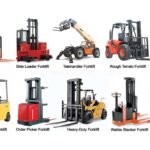
| Feature | Reach Truck | Counterbalance Forklift | Order Picker | Turret Truck (VNA) |
|---|---|---|---|---|
| Aisle Width | 8-10 feet (narrow aisles) | 12-15 feet (wide aisles) | Varies | 4-6 feet (very narrow aisles) |
| Lift Height | Up to 40 feet | Up to 20 feet | Up to 30 feet | Up to 50 feet |
| Load Capacity | 1,000 - 3,500 kg | 2,000 - 5,000+ kg | Lower (piece picking) | Similar to reach trucks |
| Operator Position | Stand-up or sit-down | Sit-down | Stand-up | Sit-down or stand-up |
| Outdoor Use | No (indoor use only) | Yes | No | No |
| Maneuverability | Excellent in narrow aisles | Good in wide aisles | Good for picking | Excellent in very narrow aisles |
Safety and Operator Requirements
Operating a reach truck requires specialized training beyond basic forklift certification. Key safety considerations include:
- Understanding load capacity charts, which vary by lift height and load center.
- Performing daily pre-shift inspections, including brakes, steering, hydraulics, forks, and reach mechanism.
- Maintaining clear aisle markings and adequate lighting in the warehouse.
- Using safety equipment like helmets and safety shoes to protect against falling loads.
- Utilizing built-in safety features such as load moment indicators, stability controls, and emergency power-off switches.
Advantages of Reach Trucks
- Maximized Storage Space: Operate in narrow aisles, increasing racking density.
- Improved Productivity: Quick entry/exit and precise controls reduce load handling time.
- Cost Efficiency: Lower operating costs due to electric power and reduced warehouse footprint.
- Enhanced Safety: Superior visibility and stability features reduce accidents.
- Environmental Benefits: Zero emissions and quieter operation suit indoor environments.
Limitations of Reach Trucks
- Indoor Use Only: Not designed for rough or uneven outdoor surfaces.
- Limited Load Capacity: Generally lower lifting capacity compared to heavy-duty counterbalance forklifts.
- Higher Initial Investment: Costlier than basic forklifts, though long-term savings often justify the expense.
- Operator Training: Requires specialized training for safe and efficient operation.
Making the Investment Decision
When considering adding reach trucks to your fleet, evaluate:
- Your warehouse layout and aisle widths.
- The vertical storage height and palletized load sizes.
- Operational needs such as multi-shift usage and battery technology preferences.
- Budget for acquisition, maintenance, and operator training.
- Safety features and ergonomic requirements.
Choosing the right reach truck tailored to your operational demands can significantly enhance warehouse efficiency and reduce operational costs.
Conclusion
Understanding what is a reach truck and how it functions is essential for warehouse managers looking to optimize space and improve operational efficiency. With their unique extendable mast design, compact maneuverability, and high lifting capabilities, reach trucks provide a strategic advantage in maximizing vertical storage and navigating narrow aisles. While they require specialized training and a suitable indoor environment, the benefits they offer in productivity, safety, and cost savings make them a valuable investment for modern warehouses.
Ready to enhance your warehouse operations? Consider integrating reach trucks into your fleet and experience the difference in space utilization and handling efficiency. For more insights on warehouse equipment and material handling solutions, explore our related articles or contact industry experts to find the perfect reach truck for your needs.