What Actually Happens to a Standard Forklift in the Cold
Every component has a temperature limit. Below freezing, standard forklift parts fail in a predictable order:
| Component | Failure Mode Below 0°C | Timeline |
|---|---|---|
| Battery (lead-acid) | Capacity drops 30–50%, charging slows dramatically | Immediate |
| Hydraulic seals | Harden, crack, leak | 3–6 months |
| Hydraulic oil | Thickens, slow mast response, pump cavitation | Immediate |
| Tires (solid) | Become brittle, crack, lose grip on ice | 6–12 months |
| Electronics / controllers | Condensation forms when entering warm dock → short circuits | Seasonal (when it warms up) |
| Lubricants / grease | Harden, bearings run dry | 3–6 months |
| Steel / frames | More brittle, fatigue cracks in welds | 12–24 months |
| Operator cabin | No heat, fogged glass, no visibility | Immediate |
The result of ignoring it: A standard forklift in a freezer needs major repairs within 6–12 months — seals, bearings, controllers, battery. Most operators replace the truck within 2 years. That's a $15,000–$40,000 mistake that was entirely preventable.
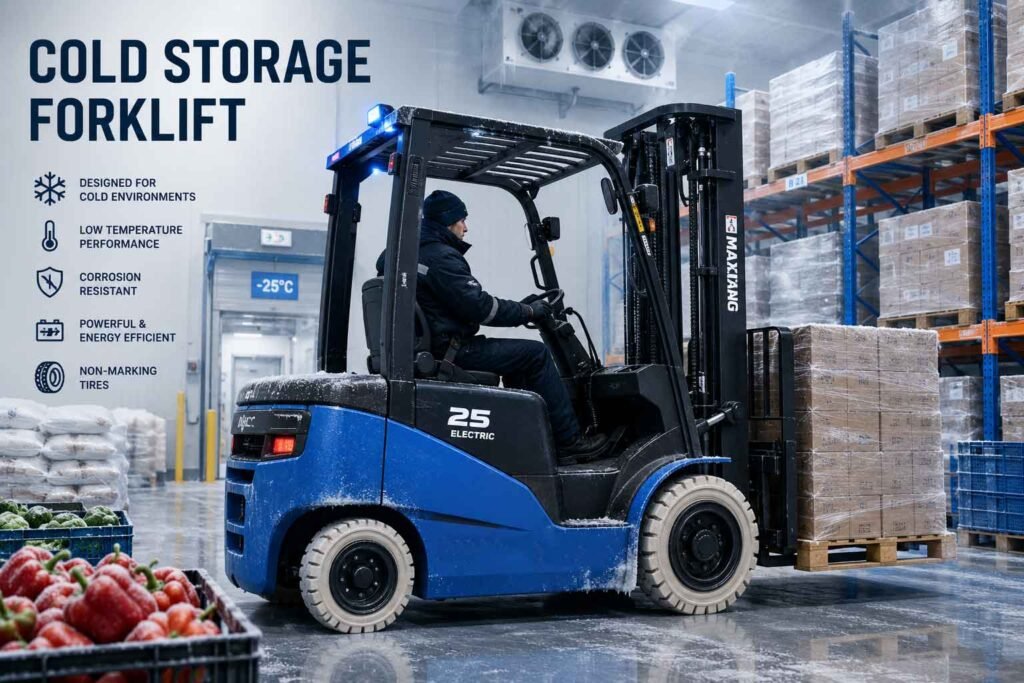
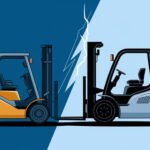
Cold Storage Forklift
The 7 Cold Storage Modifications (What 'Cold Storage Rated' Actually Means)
A true cold storage forklift isn't a different machine. It's a standard machine with 7 specific modifications:
1. Cold-Weather Battery (The Biggest One)
| Standard Lead-Acid | Cold-Rated Lead-Acid | Lithium (LiFePO₄) | |
|---|---|---|---|
| Capacity at -20°C | 50–70% of rated | 60–80% | 80–90% |
| Charging in cold | Very slow / unsafe | Requires warm room | Safe with BMS heating |
| Watering | Needs frequent checks | Same | Never |
| Battery room | Required (heated) | Required (heated) | Not required |
The cold storage rule: Lead-acid batteries must be charged in a warm room (above 10°C). Charging a cold lead-acid battery damages it permanently. Most cold storage facilities have a heated battery room — that's why they're standard.
Lithium advantage in cold: Lithium can be charged on the truck, in the aisle, with its BMS managing battery temperature. No battery room, no swap, no waiting. This is why lithium is taking over cold storage — it removes the entire battery logistics problem.
2. Low-Temperature Hydraulic Package
- Arctic-grade seals (rated to -40°C)
- Low-viscosity hydraulic oil (stays fluid at -25°C)
- Cold-weather grease in all bearings and mast rollers
- Result: mast responds normally in deep freeze, no sluggish lift
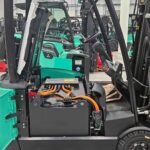
3. Anti-Condensation Electronics
The killer in cold storage isn't the cold — it's the temperature change. When a cold truck enters a warm dock, moisture condenses inside controllers, connectors, and motor housings. Over time, that moisture causes shorts and controller failure.
Cold-rated package includes:
- Sealed/encapsulated controllers
- Anti-condensation coating on circuit boards
- Sealed connectors and harnesses
- Heated or vented electrical enclosures
4. Heated Operator Cabin (Man-Up Trucks)
For man-up trucks (turret trucks, order pickers) that lift operators to height in freezers, a heated cabin is standard:
- Double-glazed, heated, anti-fog glass
- Cab heater (diesel-fired or electric)
- Sealed cab door (stays warm, keeps cold out)
- Result: operator sees clearly, works longer shifts, fewer mistakes
5. Cold-Rated Tires
| Tire Type | Cold Performance |
|---|---|
| Standard solid PU | Becomes brittle below -10°C, cracks, loses grip |
| Cold-rated solid | Stays flexible to -30°C, better grip on frost |
| Pneumatic (outdoor freezer yards) | Needs cold-rated compound, higher pressure |
Cold-rated tires cost 20–40% more but last 2–3× longer in freezer service.
6. Corrosion Protection
Freezers have ice, frost, and salt (from de-icing). Cold-rated trucks get:
- Zinc-rich primer + heavy-duty paint on chassis and mast
- Sealed battery compartments
- Protected hydraulic lines (no exposed hoses)
- Stainless or coated fasteners
7. Cold-Start/Operation Electronics
- Pre-heated sensors and displays
- Cold-rated wiring (doesn't crack at -25°C)
- Fast-heating cabin defrosters for glass
Which Truck Types Are Used in Cold Storage?
| Truck Type | Best For | Why |
|---|---|---|
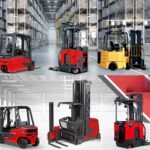
| Reach truck | High-bay freezer racks (7–12 m) | Narrow aisles, cold-rated package available, man-down (no cabin needed) |
| Turret truck (VNA) | Ultra-narrow aisles, 12 m+ racks | Man-up cabin with heat — the only way to pick at 15 m in a freezer |
| Electric counterbalance | Dock work, general freezer floor handling | Cold battery package, AC motors |
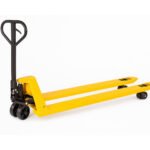
| Pallet jack (walkie) | Short moves inside freezer | Simple, cheap, cold-rated tires + sealed electronics |
| Order picker | Piece picking in freezer racks | Man-up with heated cabin for multi-level picking |
| AGV / AMR | Repetitive freezer transport | Cold-rated electronics, heated batteries — growing fast in cold storage |
Diesel/LPG forklifts in freezers: Almost never. Exhaust and ventilation requirements make them impractical indoors. Also diesel gels in extreme cold. Cold storage = electric, 100%.
The Real Cost Difference
| Cost Item | Standard Electric Forklift | Cold-Rated Version (Same Model) |
|---|---|---|
| Purchase price (2-ton) | $10,000–$15,000 | $13,000–$19,000 |
| Battery (lead-acid, 48V) | $2,500–$4,000 | $3,000–$5,000 (cold-rated) |
| Battery (lithium option) | $6,000–$10,000 | $7,000–$12,000 (heated BMS) |
| Cold package premium | — | +15–25% total |
| Annual maintenance (normal) | $1,200–$2,000 | $800–$1,500 (fewer cold failures) |
| Expected life in freezer service | 2–3 years (then major repairs) | 6–8 years |
The math: The 15–25% cold package premium pays for itself in the first year — because the standard truck in the same service would be in the shop within 6 months.
The Battery Decision for Cold Storage
| Lead-Acid + Warm Battery Room | Lithium with Heated BMS | |
|---|---|---|
| Battery room | Required (heated, ventilated, ~15 m²) | Not required |
| Battery swap | Every shift (with overhead hoist) | Never (opportunity charge) |
| Charging location | Warm room only | Anywhere, on the truck |
| Cold capacity | 60–80% of rated | 80–90% of rated |
| 5-year cost | 1–2 battery replacements ($6,000–$10,000) | 1 battery, still at 80% capacity |
| Upfront cost | Lower | Higher (2×) |
| Best for | 1-shift, existing infrastructure | Multi-shift, new facilities, no battery room |
Rule for cold storage: If you're building new or running multi-shift, lithium wins — the battery room itself (construction + heating + ventilation) often costs more than the lithium premium. If you have an existing heated battery room and run one shift, lead-acid is fine.
The Operator Experience (Why It Matters)
A -25°C freezer with a standard forklift means:
- Fogged glass, no visibility
- 15-minute shifts before the operator needs to warm up
- Frozen hands, slowed reactions
- Operators quitting or refusing freezer shifts
With a cold-rated truck:
- Clear glass, full visibility
- Heated cabin on man-up trucks — 4-hour shifts without leaving
- Cold-rated controls that respond normally
- Operators who actually stay in the freezer
The labor math: If your freezer forklift lets each operator work 2 more hours per shift, that's 25% more productivity per operator — worth more than the cold package premium, every single shift.
The Buyer's Checklist for Cold Storage Forklifts
Before you order:
- Operating temperature confirmed — is it -20°C, -25°C, or -30°C? Spec the truck for YOUR temperature, not a generic 'cold storage' label
- Cold-rated hydraulic package — Arctic seals + low-temp oil confirmed in writing
- Anti-condensation electronics — sealed controllers and connectors, not just 'winterized'
- Battery strategy decided — lithium with heated BMS, or lead-acid with warm battery room
- Cold-rated tires — compound rated below your operating temperature
- Heated glass (man-up models) — double-glazed with defrosters
- Corrosion package — paint and protection for ice/salt environment
- Warranty covers cold operation — some warranties exclude freezer use. Get it in writing.
- Ask: what's the lowest temperature the manufacturer has tested this truck at? If they can't answer, it's not cold-rated.
The Bottom Line
A cold storage forklift is a standard truck with 7 upgrades: cold battery, low-temp hydraulics, sealed electronics, heated cabin, cold tires, corrosion protection, and cold-rated wiring. The package adds 15–25% to the price — and pays for itself within a year by preventing the failures that kill standard trucks in freezer service.
The two decisions that matter most: battery strategy (lithium vs lead-acid + battery room) and real operating temperature (spec the truck for your actual freezer, not a marketing label). Get those right and your cold storage fleet runs 6–8 years. Get them wrong and you're buying a replacement truck in year 2.
About the Author
Edward handles export sales at Hebei Maoxiang Technology, helping international buyers with forklift pricing, configuration, shipping, and export documentation. He has helped customers in 80+ countries find the right machine — including cold storage operations that needed the full freezer package, not just a sticker on the side.