What is a Telehandler
What is a Telehandler?
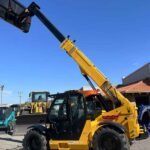
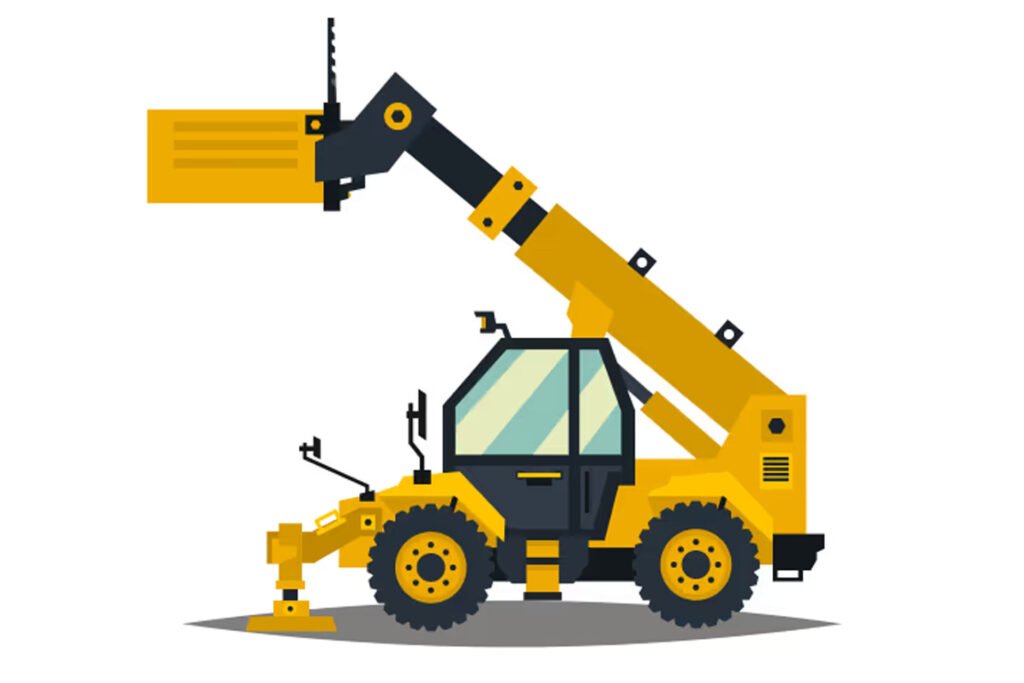
A telehandler, short for telescopic handler, is a powerful and versatile lifting machine equipped with an extendable telescopic boom. Unlike a traditional forklift, which has a fixed vertical mast, a telehandler’s boom can extend forwards and upwards, allowing it to reach places that other machines cannot.
This multifunctional machine combines the capabilities of a forklift, crane, and loader, making it ideal for lifting, transporting, and positioning materials at various heights and distances. Telehandlers are widely used in sectors such as construction, agriculture, warehousing, and forestry due to their adaptability and robust performance.
Key Features of a Telehandler
Understanding the structure and features of a telehandler helps appreciate its operational versatility:
- Telescopic Boom: The heart of the telehandler, made of tubular sections that slide within each other, powered by hydraulic cylinders. This design allows for significant reach while maintaining compactness when retracted.
- Four-Wheel Drive and Steering: Enables operation on rough, uneven terrain common in construction sites and farms.
- Operator Cab: Equipped with ergonomic controls, multifunction joysticks, and digital displays for precise handling and safety.
- Hydraulic System: Powers boom movement, steering, and attachments.
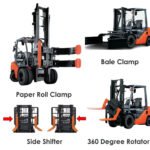
- Attachments Compatibility: Quick couplings allow the telehandler to switch between forks, buckets, winches, man baskets, clamps, and more, enhancing its multifunctionality.
- Load Monitoring Systems: Modern telehandlers include electronic stability controls and load sensors that warn operators or limit functions to prevent accidents.
How Does a Telehandler Work?
A telehandler operates by extending or retracting its telescopic boom to lift and place loads. The hydraulic system controls the boom's movement, while the operator maneuvers the machine using a joystick and digital interface. The boom’s extension acts like a lever, which means the lifting capacity varies depending on how far and at what angle the boom is extended.
For safety and efficiency, operators rely on load charts or onboard computers that monitor the machine’s stability in real-time. These systems prevent overloading and tipping, ensuring the telehandler performs optimally even in challenging environments.
Types of Telehandlers
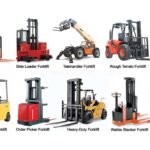
Telehandlers come in various types to suit different operational needs:
Uses and Applications of Telehandlers
Telehandlers are highly valued for their adaptability across multiple industries:
- Construction: Lifting and placing heavy materials such as bricks, steel beams, and roofing components at elevated locations or over obstacles.
- Agriculture: Handling hay bales, feed bags, cleaning barns, and transporting fertilizers or seed bags efficiently.
- Warehousing and Logistics: Accessing high storage racks, loading and unloading heavy materials, and supporting internal site logistics.
- Utilities and Maintenance: Lifting personnel using man basket attachments for overhead work and infrastructure maintenance.
- Forestry and Landscaping: Moving bulky loads in rough terrain, site preparation, and material handling.
Telehandler vs Forklift: Which One is Right for You?
While telehandlers and forklifts share some similarities, they serve different purposes:
| Feature | Telehandler | Forklift |
|---|---|---|
| Terrain | Rough, uneven, off-road surfaces | Smooth, flat indoor or paved surfaces |
| Lift Height & Reach | High reach with telescopic boom (up to 35m) | Vertical lift only (up to ~6m typical) |
| Attachments | Wide range (forks, buckets, jib cranes, baskets) | Primarily forks, some pallet attachments |
| Maneuverability | Larger, multi-mode steering; less agile indoors | Compact, tight turning radius |
| Use Cases | Construction sites, farms, outdoor projects | Warehouses, manufacturing, indoor loading |
| Cost | Higher purchase and operating costs | Lower cost, especially electric models |
Choosing the right machine depends on your specific needs. If your operations involve uneven terrain, high lifts, or multi-tasking with various attachments, a telehandler is the better choice. For indoor, high-volume pallet handling on flat surfaces, a forklift is more efficient and cost-effective.
Benefits of Using a Telehandler
Telehandlers offer several advantages that make them indispensable:
- Extended Reach: Ability to lift loads vertically and forward into hard-to-reach places.
- Versatility: Quick-change attachments allow one machine to perform multiple tasks.
- Maneuverability: Four-wheel drive and steering modes provide excellent control on various terrains.
- Safety: Advanced stability systems and operator aids reduce the risk of accidents.
- Efficiency: Reduces the need for multiple machines by combining lifting, loading, and transport functions.
Maintenance and Operator Training
Proper maintenance is crucial for maximizing telehandler lifespan and performance. Regular checks on hydraulic systems, tires, and engine components are essential. Additionally, operator training and licensing (where required) ensure safe and efficient machine use. For example, in Australia, specific licenses like the TSHA gold card or Worksafe CN license are necessary for certain telehandler operations.
Conclusion
A telehandler is a multifunctional powerhouse, blending the strengths of forklifts, cranes, and loaders into one versatile machine. Its telescopic boom, rough terrain capability, and wide range of attachments make it invaluable across construction, agriculture, warehousing, and more. Whether you need to lift heavy loads to great heights, navigate challenging terrain, or perform multiple tasks with one machine, understanding what is a telehandler and how it works will help you make informed decisions for your business.
Frequently Asked Questions (FAQs)
Q1: Can a telehandler replace a forklift?
Not entirely. Telehandlers offer greater reach and versatility but lack the compact agility and emission-free operation of forklifts, especially indoors.
Q2: What attachments can I use with a telehandler?
Common attachments include pallet forks, buckets, man baskets, jib cranes, and bale clamps, among others.
Q3: How much weight can a telehandler lift?
Lifting capacity varies by model, typically ranging from 2,500 kg to over 12,000 kg, with reach and boom angle affecting safe load limits.
Q4: Is operator training required?
Yes, many jurisdictions require certified training or licensing to operate telehandlers safely.