When it comes to managing warehouse, construction, or manufacturing operations, forklifts are indispensable assets. However, one of the most critical decisions businesses face is whether to rent or buy a forklift. This choice impacts not only your operational efficiency but also your financial health, cash flow, and long-term strategy.
In this comprehensive guide, we will explore the pros and cons of forklift rental versus buying, backed by market insights, cost comparisons, and practical use cases. Whether you’re a small business with seasonal needs or an established operation with consistent forklift demand, understanding these options will help you make an informed decision.
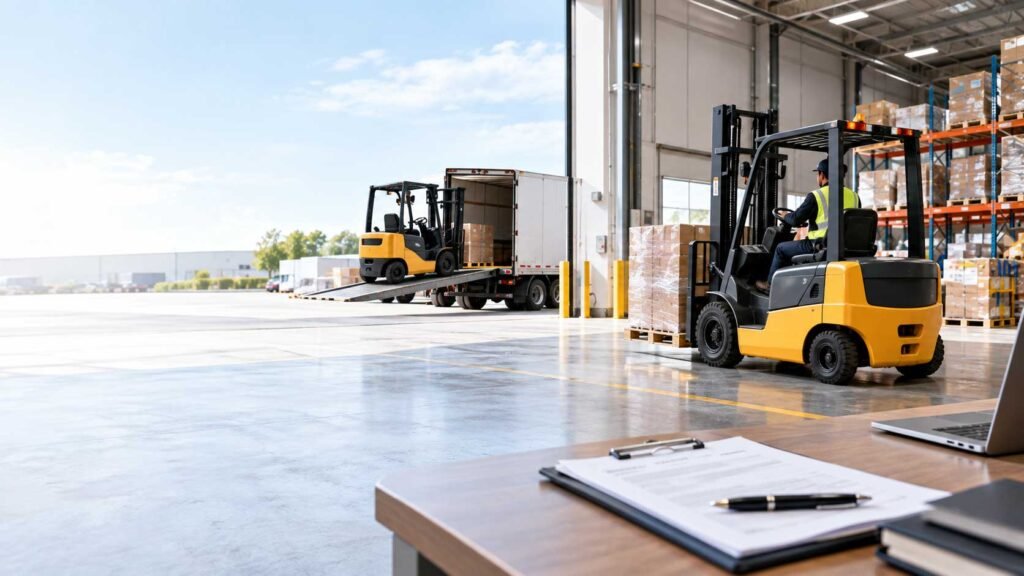
Forklift rental vs buy
Understanding Forklift Rental vs Buy: The Basics
What Does Renting a Forklift Mean?
Renting a forklift involves paying a monthly or daily fee to use the equipment without ownership responsibilities. Rental agreements typically cover maintenance, repairs, and breakdowns, offering flexibility without long-term commitments.
Best For:
- Short-term or project-based needs
- Seasonal spikes in demand
- Temporary equipment downtime
- Trying out equipment before committing to a purchase
What Does Buying a Forklift Mean?
Buying a forklift means full ownership of the equipment. You bear all upfront costs, maintenance, repairs, and eventual resale or disposal. Ownership is ideal for businesses with predictable, long-term forklift requirements.
Best For:
- Established operations with consistent forklift use (7+ years)
- Businesses with available capital or financing options
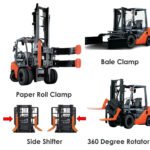
- Operations requiring customization or specialized attachments
- Companies seeking long-term cost savings and asset control
Cost Comparison: Forklift Rental vs Buy
A key factor in deciding between forklift rental vs buy is understanding the true cost of each option — beyond just monthly payments.
Rental Costs
- Monthly rental rates for a standard 5,000 lb sit-down electric forklift range from $800 to $1,100 in markets like Charlotte, NC.
- Rental fees typically include maintenance, repairs, and breakdown coverage, reducing unexpected expenses.
- Additional costs may include delivery and pickup fees ($150-$300) and electricity costs (~$80/month).
Ownership Costs
- Purchase price for a used forklift ranges from $15,000 to $25,000, while new forklifts can cost between $28,000 and $38,000.
- Maintenance and repairs can average $1,200 annually, including preventive maintenance and unplanned repairs.
- Other ownership costs include tire replacement, battery replacement ($3,000–$12,000 when due), and operator training.
- Forklifts depreciate by 20-40% over five years, impacting resale value.
The Crossover Point
Research shows the break-even point between renting and buying usually occurs around 24 to 26 months of consistent use. Before this point, renting is more cost-effective; after, ownership provides significant savings.
Advantages and Disadvantages of Forklift Rental vs Buy
Advantages of Renting a Forklift
- Maximum Flexibility: Rent only what you need, when you need it.
- No Long-Term Commitment: Ideal for fluctuating or seasonal demand.
- Maintenance Included: Rental companies handle service and repairs.
- Access to Newer Models: Keep up with the latest technology without buying.
- Simplified Budgeting: Fixed monthly rental fees simplify cash flow planning.
Disadvantages of Renting a Forklift
- Higher Long-Term Costs: Rental rates are higher per hour than ownership.
- No Equity or Asset Value: Payments do not build ownership.
- Availability Issues: Equipment may be limited during peak seasons.
- Potential Additional Fees: Delivery, damage, or overuse charges may apply.
Advantages of Buying a Forklift
- Lower Long-Term Cost: Ownership is cheaper over consistent, long-term use.
- Full Control and Customization: Modify equipment to fit specific needs.
- Asset Ownership: Forklifts become company assets with resale value.
- No Usage Restrictions: Use without caps or penalties.
- Tax Benefits: Depreciation can provide tax deductions over time.
Disadvantages of Buying a Forklift
- High Upfront Capital: Significant initial investment required.
- Maintenance Responsibility: All repairs and upkeep are your responsibility.
- Depreciation Risk: Equipment loses value over time.
- Technology Obsolescence: Older equipment may become outdated.
When to Rent vs Buy: Use Case Scenarios
Rent If You:
- Have short-term or seasonal needs (e.g., holiday spikes in e-commerce fulfillment).
- Require project-based or temporary equipment (construction sites, warehouse build-outs).
- Need backup equipment during maintenance or breakdowns.
- Want to test equipment models before committing to a purchase.
Buy If You:
- Operate a stable, long-term facility with consistent forklift use.
- Have capital or financing available for upfront investment.
- Need customized or specialized forklifts.
- Seek to maximize ROI over several years.
- Want to build equity and asset value.
Leasing: The Middle Ground
Leasing forklifts blends aspects of both renting and buying:
- Monthly payments are lower than rental rates but spread over 3-5 years.
- Leasing preserves capital while providing long-term equipment access.
- Maintenance may be included, and leases often allow upgrades at term end.
- However, leases come with usage caps, condition requirements, and penalties for early termination.
Leasing is ideal for businesses with long-term needs but limited capital or those wanting to stay current with evolving technology like lithium-ion electric forklifts.
Conclusion: Making the Right Choice for Your Business
Choosing between forklift rental vs buy depends on your business needs, budget, and long-term plans. Renting offers flexibility and minimal upfront costs, perfect for short-term or unpredictable demands. Buying delivers the best value for consistent, long-term use, giving you full control and asset ownership. Leasing provides a balanced middle ground for those wanting to preserve capital while accessing equipment long-term.
Ready to explore your options? Request a free quote from trusted local forklift rental and sales providers today and make an informed decision that drives your business forward.