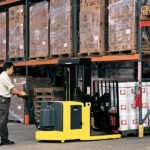
Many used forklift buyers believe the hour meter is the best way to judge machine condition. In reality, forklift hour meters can be highly misleading.
A forklift with low operating hours may still have:
- Severe wear
- Accident damage
- Hydraulic problems
- Poor maintenance history
- Overload stress
- Electronic failures
Meanwhile, a high-hour forklift that was properly maintained may remain in excellent working condition for years.
The biggest problem is that forklift hour meters only measure operating time — they do not reveal:
- How the forklift was used
- Whether it was overloaded
- If it worked in harsh environments
- Whether repairs were done correctly
- If the hour meter was replaced or altered
Some forklifts also spend thousands of hours idling, while others operate continuously under full heavy loads.
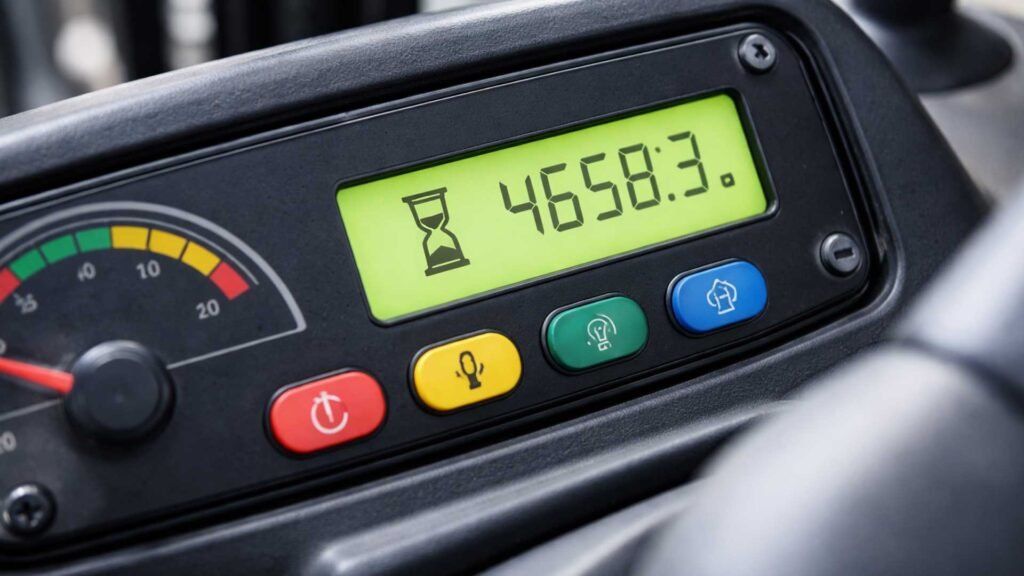
Why Forklift Hour Meters Can Be Misleading
That means two forklifts with the same hours can have completely different levels of wear.
When evaluating a used forklift, buyers should inspect:
- Mast condition
- Hydraulic system
- Battery health
- Tire wear
- Chassis stress
- Maintenance records
- Operator habits
- Working environment
The real condition of a forklift is far more important than the hour meter alone.
Why Buyers Focus Too Much on Forklift Hours
Forklift hour meters are easy to understand.
Most buyers assume:
- Lower hours = better condition
- Higher hours = worn-out forklift
This logic works reasonably well for passenger vehicles.
But forklifts operate very differently from cars.
A forklift’s lifespan depends heavily on:
- Load weight
- Warehouse conditions
- Maintenance quality
- Operator behavior
- Environmental exposure
Because of this, hour meters alone rarely tell the full story.
Forklift Hour Meters Only Measure Time — Not Stress
A forklift hour meter records operating time, but not workload intensity.
For example:
Forklift A
- 5,000 hours
- Light warehouse work
- Smooth floors
- Small pallet handling
Forklift B
- 5,000 hours
- Outdoor yard operation
- Heavy steel loads
- Rough terrain use
Even with identical hours, Forklift B may have significantly more wear.
Heavy loads place extreme stress on:
- Mast rails
- Chains
- Hydraulics
- Drive motors
- Transmission systems
Hour meters cannot measure this difference.
Idle Time Can Inflate Forklift Hours
Many forklifts spend long periods idling.
Common examples include:
- Operators leaving engines running during breaks
- Forklifts waiting at loading docks
- Cold storage warm-up periods
- Long warehouse standby time
In these situations:
- Hours increase
- Actual mechanical wear remains relatively low
This is especially common with:
- Diesel forklifts
- LPG forklifts
- Outdoor construction forklifts
A forklift with high idle time may actually be in better condition than expected.
Some Forklift Hour Meters Can Be Replaced
In the used equipment market, hour meter replacement is not uncommon.
Some sellers replace:
- Dash panels
- Controllers
- Display units
- Entire meter assemblies
As a result:
- Displayed hours may not reflect true usage
This problem is more common on:
- Older forklifts
- Imported used equipment
- Refurbished forklifts
A forklift showing unusually low hours should always be inspected carefully.
Electronic Systems May Reset Hour Readings
Modern electric forklifts often store hours in:
- Display modules
- Controllers
- Battery systems
- Fleet management software
If components are replaced:
- Hour readings may reset
- Historical data may disappear
Without service records, buyers may not know:
- Whether the displayed hours are original
- If repairs affected the meter
- How much actual runtime the forklift accumulated
Warehouse Conditions Matter More Than Hours
Warehouse environment has a major impact on forklift wear.
Smooth Indoor Warehouses
Forklifts operating on:
- Epoxy floors
- Clean aisles
- Controlled environments
usually experience:
- Lower vibration
- Reduced wheel wear
- Longer component lifespan
Rough Industrial Environments
Forklifts used in:
- Outdoor yards
- Construction sites
- Steel plants
- Lumber yards
often suffer:
- Higher structural stress
- Faster tire wear
- Hydraulic damage
- Mast vibration fatigue
A low-hour outdoor forklift may be in worse condition than a high-hour indoor forklift.
Poor Maintenance Can Destroy Low-Hour Forklifts
Maintenance quality is often more important than hours.
A low-hour forklift with poor maintenance may have:
- Contaminated hydraulic oil
- Worn chains
- Damaged bearings
- Corroded electrical systems
Meanwhile, a properly serviced high-hour forklift may remain highly reliable.
Important maintenance factors include:
- Oil change intervals
- Battery care
- Lubrication quality
- Hydraulic inspections
- Cooling system maintenance
Hour meters reveal none of this information.
Operator Behavior Strongly Affects Forklift Lifespan
Two operators can create completely different wear patterns on the same forklift.
Aggressive operators may:
- Hit racks frequently
- Drive over rough surfaces at high speed
- Overload the forklift
- Slam pallets into place
Careful operators typically create far less wear.
Hour meters cannot measure:
- Driving habits
- Collision history
- Overloading abuse
- Impact damage
This is why operator culture matters so much in fleet management.
Battery Health Matters More Than Hours on Electric Forklifts
For electric forklifts, battery condition is often more important than operating hours.
A forklift with:
- Poor charging habits
- Deep discharge cycles
- Battery overheating
- Inadequate maintenance
may require expensive battery replacement regardless of low hours.
Lithium and lead-acid battery lifespan depends heavily on:
- Charging practices
- Temperature conditions
- Shift intensity
- Opportunity charging frequency
Hour meters do not reflect battery degradation accurately.
Forklift Mast Condition Reveals More Than the Hour Meter
Experienced buyers often inspect:
- Mast rails
- Chain wear
- Carriage movement
- Hydraulic leaks
because these components reveal real operating stress.
A forklift with:
- Tight mast rollers
- Smooth lifting
- Balanced chains
may be in better condition than another forklift with lower displayed hours.
Structural condition matters more than dashboard numbers.
Signs a Forklift May Have Misleading Hours
Unusually Low Hours for Age
A 10-year-old forklift showing extremely low hours deserves closer inspection.
Excessive Wear Compared With Meter Reading
Watch for:
- Worn pedals
- Damaged steering wheels
- Loose controls
- Excessive seat wear
These may indicate higher actual usage.
New Dash Panels or Displays
Recently replaced dashboards can sometimes indicate:
- Meter replacement
- Electrical repair
- Hour reset
Poor Service Documentation
Missing maintenance records make hour verification much harder.
What Buyers Should Check Instead of Only Hours
Structural Condition
Inspect:
- Mast alignment
- Chassis cracks
- Fork wear
- Carriage stability
Hydraulic Performance
Check for:
- Leaks
- Weak lifting power
- Jerky operation
- Noisy pumps
Tire and Wheel Wear
Uneven wear patterns may indicate:
- Rough operation
- Heavy loads
- Poor warehouse conditions
Battery or Engine Condition
Evaluate:
- Battery health
- Cold start quality
- Exhaust smoke
- Charging performance
Maintenance Records
Well-documented service history is often more valuable than low hours alone.
The Best Used Forklift Buyers Focus on Total Condition
Professional forklift buyers rarely rely only on the hour meter.
Instead, they evaluate:
- Actual operating condition
- Maintenance quality
- Structural integrity
- Environmental history
- Repair records
Because in the forklift industry, low hours do not always mean low wear.
Conclusion
Forklift hour meters can be useful, but they are often misleading when used as the primary measure of machine condition.
Hours alone cannot reveal:
- Overloading damage
- Poor maintenance
- Accident history
- Harsh working environments
- Operator abuse
A well-maintained high-hour forklift may outperform a poorly maintained low-hour forklift for years.
When buying used forklifts, businesses should focus on complete machine condition — not just the number displayed on the dashboard.