Forklift Load Capacity Calculator
Calculate the maximum safe forklift lifting capacity based on rated capacity,
load center, load weight, and load dimensions. Free online forklift load capacity calculator.
Maximum Safe Capacity: 1875 kg
Actual Load Center: 800 mm
Remaining Capacity: 75 kg
Load Moment: kg·mm
Maximum Allowable Moment: 1,500,000 kg·mm
How the Forklift Load Capacity Is Calculated
A forklift's lifting capacity is determined by the load moment, which is the product of the forklift's rated capacity and its rated load center. As the load center increases, the maximum safe lifting capacity decreases because the load creates a larger overturning force on the forklift.
The calculator uses the following formulas:
Maximum Allowable Load Moment
Rated Capacity × Rated Load Center
Maximum Safe Capacity
Maximum Allowable Load Moment ÷ Actual Load Center
Example
Suppose a forklift has:
- Rated Capacity: 3,000 kg
- Rated Load Center: 500 mm
- Load Length: 1,600 mm
Since the load is evenly distributed, the actual load center is:
1,600 ÷ 2 = 800 mm
Now calculate the maximum allowable load moment:
3,000 × 500 = 1,500,000 kg·mm
Finally, calculate the maximum safe lifting capacity:
1,500,000 ÷ 800 = 1,875 kg
This means that although the forklift is rated for 3,000 kg, it can safely lift only 1,875 kg when handling a 1,600 mm long load.
Important: This calculation assumes a centered, evenly distributed load. Attachments, uneven loads, mast height, tire condition, and operating environment may further reduce the actual lifting capacity.
Frequently Asked Questions
What is forklift load capacity?
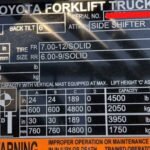
Forklift load capacity is the maximum weight a forklift can safely lift under specified operating conditions. The rated capacity shown on the forklift's data plate is only valid when the load center matches the manufacturer's specification.
What is a load center?
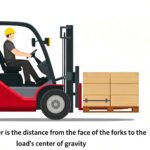
The load center is the horizontal distance from the vertical face of the forks to the center of gravity of the load. Most standard forklifts are rated at a 500 mm (20 in) load center.
When the load is longer than the rated load center, the center of gravity moves farther away from the mast, reducing the forklift's lifting capacity.
Why does forklift capacity decrease with longer loads?
Longer loads increase the load center, creating a larger load moment. Since every forklift has a maximum allowable load moment, increasing the load center requires reducing the load weight to maintain stability and prevent tip-over.
Does lift height affect forklift capacity?
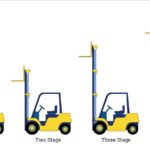
Yes. Although the basic calculation is based on load moment, lifting to greater heights may reduce the forklift's effective capacity due to mast deflection and stability limitations. Always refer to the manufacturer's load chart for high-lift operations.
Do attachments reduce forklift capacity?
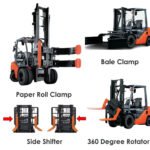
Yes. Attachments such as clamps, rotators, fork positioners, and side shifters add weight and move the load farther from the mast. Both factors reduce the forklift's available lifting capacity.
Can I rely only on this calculator?
No. This calculator provides an engineering estimate based on the standard load moment formula. Actual forklift capacity depends on the specific model, mast configuration, attachments, tire type, and operating conditions. Always follow the capacity chart and nameplate provided by the forklift manufacturer.
What is the standard forklift load center?
The most common rated load center is 500 mm (20 inches) for standard counterbalance forklifts. However, some heavy-duty forklifts and specialized models may use different rated load centers, so always check the forklift's specification plate before calculating capacity.