Quick Answer
Over a 5-year period, electric forklifts are usually cheaper to operate than propane (LPG) forklifts—but only under the right conditions.
- Indoor, multi-shift operations → Electric is typically 20–40% cheaper
- Outdoor or heavy-duty use → Propane may be more cost-effective
The real answer depends on usage hours, environment, and energy costs, not just the purchase price.
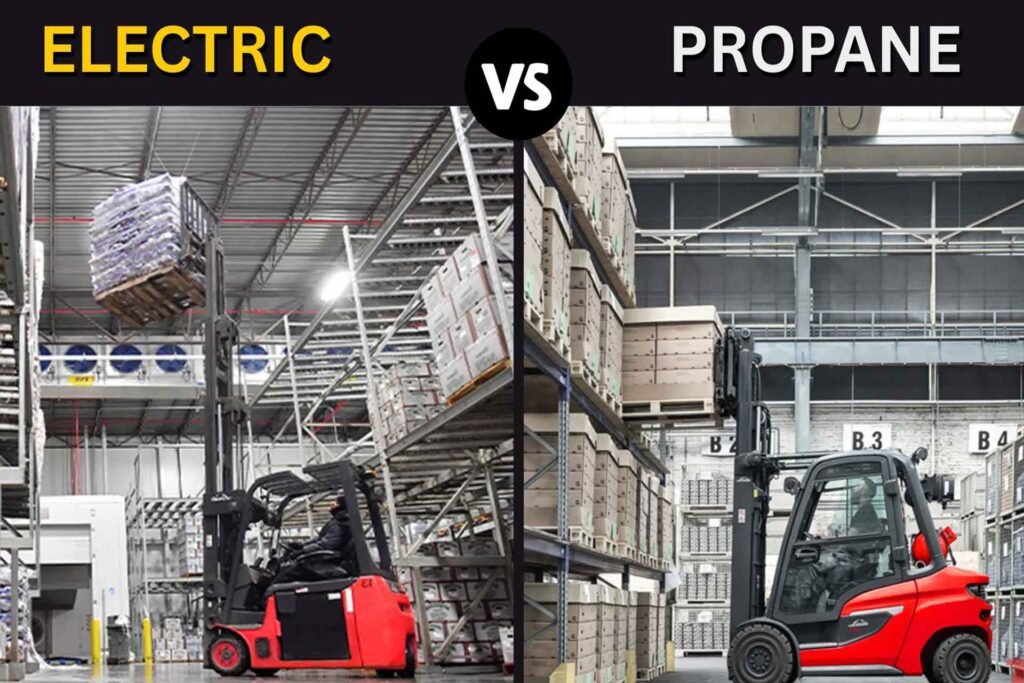
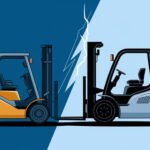
electric forklift vs propane
Why a Simple Price Comparison Doesn’t Work
Many buyers compare forklift costs based only on purchase price.
That’s a mistake.
The true cost of a forklift comes from total cost of ownership (TCO)—not the upfront price.
A forklift that looks cheaper initially can cost significantly more over time due to:
- Fuel or electricity consumption
- Maintenance frequency
- Downtime and repairs
The Real Formula: How to Calculate 5-Year Forklift Cost
To compare electric vs propane forklifts accurately, you need a simple model:
5-Year TCO = Purchase Cost + (Energy Cost × Operating Hours × 5) + (Maintenance Cost × Operating Hours × 5)
Real-World Cost Comparison (Typical Scenario)
Let’s break down a realistic example.
Assumptions:
- 1,500 operating hours per year (single shift)
- Average U.S. energy prices
- Standard 3–5 ton forklift
Electric Forklift (5-Year Estimate)
- Electricity usage: ~8–10 kWh/hour
- Annual energy cost: ~$1,200–$1,500
- Maintenance: Lower (fewer moving parts)
👉 5-year total: ~$25,000–$35,000 (excluding purchase)
Propane Forklift (5-Year Estimate)
- Fuel usage: ~0.8–1.2 gallons/hour
- Annual fuel cost: ~$3,000–$4,500
- Maintenance: Higher (engine, transmission, exhaust system)
👉 5-year total: ~$40,000–$55,000 (excluding purchase)
Figures are estimates based on typical U.S. industrial energy and fuel pricing; actual costs vary by region, utilization pattern, and local energy rates
What Most Buyers Get Wrong
Mistake 1: Ignoring operating hours
The more you use the forklift, the more electric wins.
At 3,000+ hours/year, the cost gap becomes dramatic.
Mistake 2: Assuming propane is always more powerful
Modern electric forklifts now match propane in many applications, especially indoors.
Mistake 3: Forgetting infrastructure costs
Electric forklifts require:
- Charging stations
- Battery management
Propane requires:
- Fuel storage
- Cylinder replacement
Both have hidden costs—just in different forms.
When Electric Forklifts Save You More
Electric forklifts are usually the better choice if:
✅ You operate indoors
- No emissions
- Better air quality
- Lower ventilation costs
✅ You run multiple shifts
- Energy savings scale with usage
- Lower maintenance downtime
✅ You want predictable operating costs
- Electricity prices are more stable than fuel
When Propane Forklifts Make More Sense
Propane forklifts are still the better option in certain situations:
✅ Outdoor or rough environments
- No dependence on charging infrastructure
- Better for uneven terrain
✅ Continuous heavy-duty work
- Faster refueling vs battery charging
- No downtime for charging cycles
✅ Low utilization scenarios
- If used only a few hours per day, fuel cost savings are less important
The Break-Even Point: Rent vs Real Usage
A practical way to decide:
- < 1,000 hours/year → Cost difference is small
- 1,500–2,500 hours/year → Electric starts to win
- 3,000+ hours/year → Electric dominates in cost efficiency
How This Fits Into a Complete Equipment Strategy
Most warehouses and operations don’t rely on just one type of forklift.
A typical setup includes:
- Electric forklifts → indoor handling
- Propane forklifts → outdoor or heavy-duty tasks
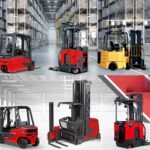
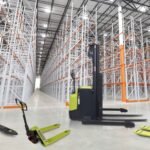
- Specialized equipment → reach trucks, order pickers
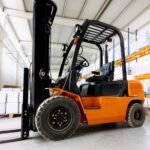
We at Hebei Maoxiang manufacture electric counterbalance forklifts (0.6–5 ton, lithium-powered, CE-certified), commonly used in indoor multi-shift operations like the ones described above.
FAQ
Which is cheaper long-term: electric or propane forklift?
Electric forklifts are usually cheaper over 5 years, especially in high-usage indoor environments.
Are electric forklifts more expensive upfront?
Yes, electric forklifts typically have a higher initial cost, but lower operating and maintenance costs.
Do propane forklifts last longer?
Not necessarily. Electric forklifts often have fewer moving parts, which can reduce long-term wear and maintenance.
Can electric forklifts replace propane completely?
In indoor operations, yes. In outdoor or heavy-duty environments, propane still has advantages.
Final Takeaway
There is no universal answer to whether electric or propane forklifts are cheaper.
The right choice depends on how you use the machine—not just how much it costs to buy.
- High usage + indoor → Electric saves more
- Outdoor + heavy-duty → Propane remains practical
If you evaluate your operation based on real usage hours and working conditions, the cost difference becomes clear—and the right decision becomes much easier.