Self-Driving Forklifts Are Not a Plug-and-Play Solution
Self-driving forklifts can reduce labor costs, improve operational consistency, and increase warehouse efficiency. However, many automation projects fail to deliver the expected return on investment because companies underestimate the hidden costs and operational challenges involved.
The biggest obstacles are rarely the forklifts themselves.
Instead, failed deployments are usually caused by:
- Poor warehouse infrastructure
- Inconsistent pallet quality
- Weak Wi-Fi coverage
- Lack of system integration
- Human-robot traffic conflicts
- Unexpected maintenance costs
For most warehouses, the question is not whether autonomous forklifts work—it is whether the warehouse environment is ready for them.
Before investing in automation, warehouse operators should understand the real costs, limitations, and operational requirements that determine success.
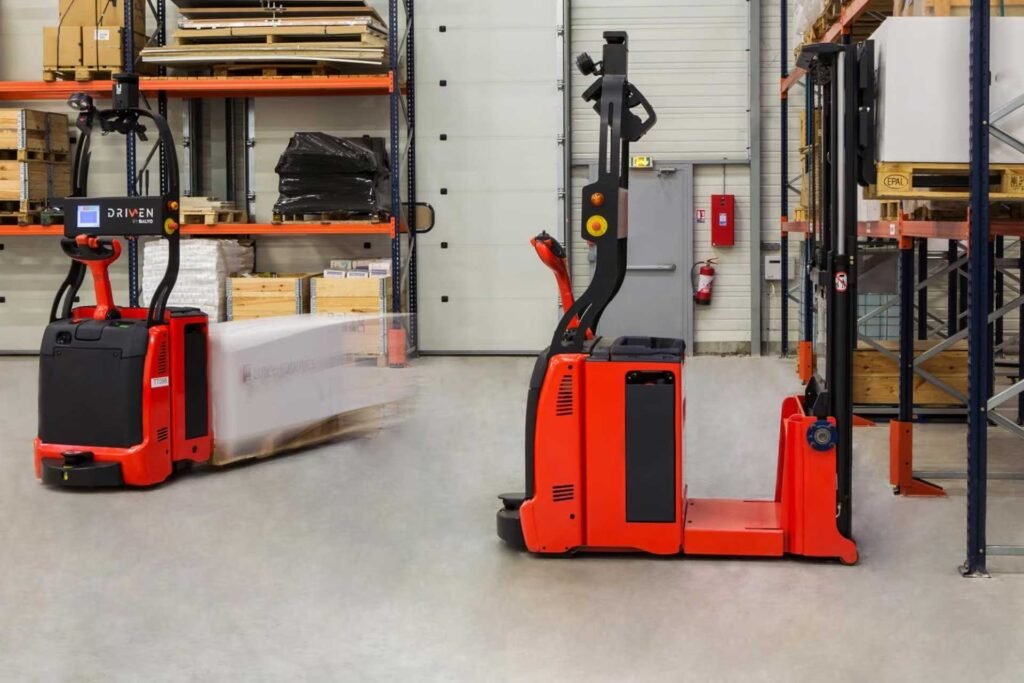
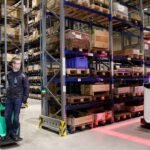
Self-Driving Forklifts in Modern Warehouses
The Reality Check: Automation Is Not 'Install and Forget'
Many marketing materials portray self-driving forklifts as a simple replacement for human operators.
The reality is far more complex.
Autonomous forklifts are part of a larger automation ecosystem that includes:
- Warehouse Management Systems (WMS)
- ERP integration
- Wireless communication networks
- Safety systems
- Fleet management software
- Charging infrastructure
A self-driving forklift can only perform as well as the environment around it.
In warehouses with inconsistent processes, damaged pallets, poor floor conditions, or unreliable network coverage, automation often struggles to achieve its promised efficiency gains.
Successful automation projects typically involve redesigning warehouse workflows rather than simply purchasing new equipment.
The Hidden Costs Most Buyers Never Calculate
The purchase price of an autonomous forklift is often only a fraction of the total investment.
Many companies focus on equipment costs while overlooking infrastructure and operational expenses.
Warehouse Infrastructure Upgrades
Before deployment, warehouses may require:
- Full Wi-Fi coverage
- Network redundancy
- Dedicated charging areas
- Floor repairs
- Reflectors or navigation markers
- Safety barriers and pedestrian zones
In older facilities, infrastructure upgrades can cost as much as the vehicles themselves.
Software Licensing and Integration
Unlike traditional forklifts, autonomous forklifts rely heavily on software.
Ongoing costs often include:
- Fleet management subscriptions
- Navigation software licenses
- Cloud services
- WMS integration fees
- Software updates
These recurring expenses continue throughout the system's lifecycle.
Downtime Costs
A conventional forklift failure usually affects one machine.
A software or network issue can affect an entire autonomous fleet.
If a central management platform goes offline, multiple vehicles may stop simultaneously.
For warehouses operating around the clock, a single hour of automation downtime can disrupt production schedules, outbound shipments, and customer deliveries.
Why Self-Driving Forklifts Still Need Human Operators
One of the biggest misconceptions about warehouse automation is that autonomous forklifts eliminate the need for people.
In reality, most successful facilities operate a hybrid workforce.
Humans remain essential for handling situations that automation cannot easily predict.
Examples include:
- Fallen products
- Damaged pallets
- Blocked aisles
- Unexpected obstacles
- Emergency situations
Autonomous systems excel at repetitive and predictable tasks.
Humans excel at solving exceptions.
This is why many warehouses achieve the best results through human-machine collaboration rather than full automation.
The Pallet Problem Nobody Talks About
One of the most common reasons autonomous forklift projects underperform is surprisingly simple:
Pallets.
Human operators can compensate for imperfections.
Autonomous forklifts cannot.
Common pallet issues include:
- Broken deck boards
- Warped pallet openings
- Uneven load placement
- Missing blocks
- Damaged fork entry points
A forklift driver can adjust the approach angle and manually correct alignment.
An autonomous forklift relies on predefined positioning tolerances.
When pallets fall outside those tolerances, operations slow down or stop entirely.
Many automation vendors rarely discuss pallet standardization, even though it is one of the most important requirements for successful deployment.
Why Existing Warehouses Create Problems for Autonomous Forklifts
Most warehouses were designed for people, not robots.
As a result, autonomous forklifts often encounter environmental challenges that were never considered during facility design.
Common issues include:
- Uneven floors
- Expansion joints
- Narrow aisles
- Temporary storage areas
- Random obstacles
- Inconsistent lighting
Even small environmental variations can affect navigation accuracy.
Facilities that operate efficiently with human drivers may require significant modifications before autonomous vehicles can achieve similar performance.
Understanding Navigation Technologies
Most self-driving forklifts rely on one of several navigation methods.
Laser Navigation
Laser-guided systems use reflectors placed throughout the warehouse.
Advantages:
- High positioning accuracy
- Reliable performance
Disadvantages:
- Requires infrastructure installation
- Reflectors can be damaged or obstructed
SLAM Navigation
Simultaneous Localization and Mapping (SLAM) allows vehicles to build and update maps in real time.
Advantages:
- Greater flexibility
- Easier deployment
Disadvantages:
- Sensitive to environmental changes
- Requires significant computing power
Neither approach is universally better.
The best choice depends on warehouse layout, traffic density, and operational requirements.
Human-Forklift Traffic Remains a Major Challenge
Many facilities operate both autonomous and manual forklifts during the transition period.
This creates new challenges.
Common issues include:
- Traffic congestion
- Right-of-way conflicts
- Route interruptions
- Reduced AGV efficiency
In some warehouses, autonomous vehicles spend a significant amount of time waiting for human-operated equipment to clear intersections.
This is why mixed fleets require carefully designed traffic management rules.
Without proper planning, automation can actually reduce efficiency instead of improving it.
How to Evaluate the Real ROI of Self-Driving Forklifts
Before investing in automation, companies should evaluate more than labor savings.
A simple framework is:
ROI = Labor Savings + Productivity Gains – Infrastructure Costs – Software Costs – Maintenance Costs – Downtime Risks
Questions to ask include:
- Are warehouse processes already standardized?
- Are pallets consistently maintained?
- Is network infrastructure reliable?
- Can existing software systems support automation?
- Is the workforce prepared for hybrid operations?
The answers to these questions often determine project success more than the forklift specifications themselves.
The Future Is Hybrid, Not Fully Autonomous
For most warehouses, the future is not a choice between people and robots.
It is a combination of both.
Self-driving forklifts are highly effective for repetitive transportation tasks, while human operators remain essential for problem-solving, flexibility, and exception handling.
Companies that view automation as a complete replacement for labor often encounter unexpected challenges.
Those that treat automation as a tool for enhancing human productivity typically achieve the strongest results.
The most successful warehouses are not necessarily the most automated.
They are the warehouses that combine technology, infrastructure, and operational discipline into a system that works reliably every day.
Need Help Choosing the Right Warehouse Material Handling Solution?
Hebei Maoxiang Technology Co., Ltd. supplies a wide range of warehouse equipment, including electric forklifts, reach trucks, pallet trucks, stackers, and specialized material handling solutions.
Whether you are exploring warehouse automation or expanding a traditional forklift fleet, our team can help you evaluate the most cost-effective solution for your operation.
Contact us today for expert advice and competitive pricing.