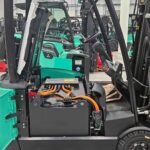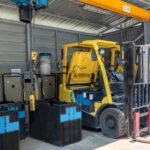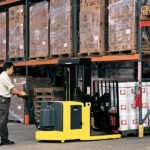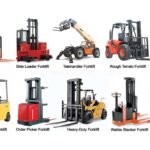
Many forklift manufacturers promote fast charging as one of the biggest advantages of lithium battery technology. Fast charging allows electric forklifts to return to operation quickly, reduces downtime, and supports multi-shift warehouse operations.
However, there is an important reality that many buyers overlook:
Fast charging can shorten forklift battery life if it is used improperly or too frequently.
While lithium batteries are designed to accept higher charging currents than traditional lead-acid batteries, repeated fast charging can increase battery temperatures, accelerate cell degradation, and reduce long-term battery performance.
Understanding the relationship between forklift battery charging and battery lifespan can help warehouse operators maximize their return on investment.
The Short Answer
Fast charging does not automatically damage a forklift battery.
The real problem occurs when:
- Batteries are fast charged multiple times per day
- Charging generates excessive heat
- Batteries are frequently charged to 100%
- Cooling time between charging cycles is insufficient
- Multi-shift operations keep batteries under constant stress
Over time, these conditions can reduce battery capacity and shorten overall battery life.
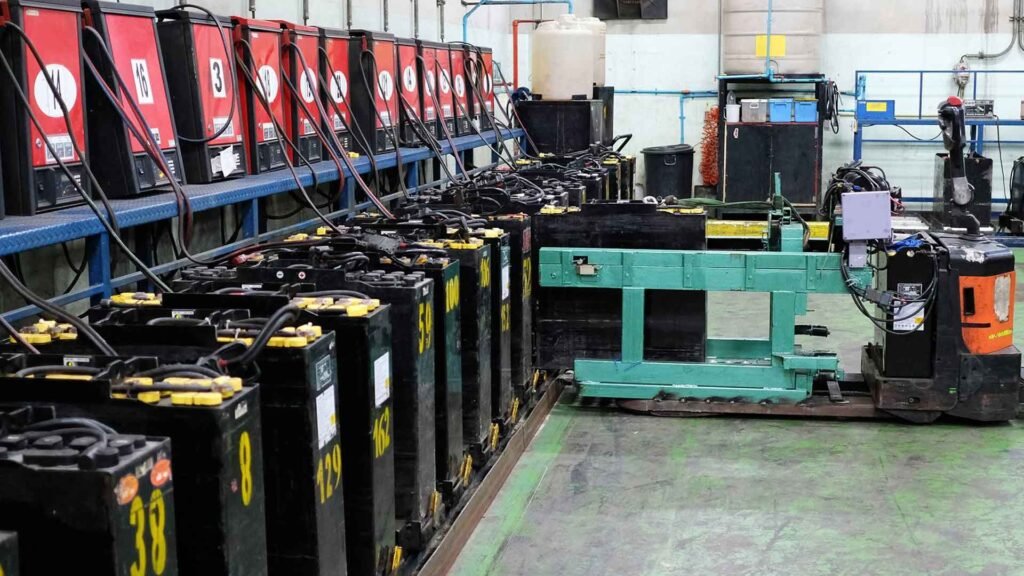
Why Fast Charging Can Shorten Forklift Battery Life
Why Fast Charging Generates More Heat
Heat is the biggest enemy of lithium batteries.
When a forklift battery is charged rapidly, a larger electrical current flows into the battery cells.
This process creates:
- Internal resistance
- Heat buildup
- Increased cell stress
The faster the charging rate, the more heat is generated.
If battery temperatures rise too high, chemical aging accelerates.
As a result:
- Capacity loss increases
- Battery efficiency decreases
- Long-term lifespan is reduced
This is why battery manufacturers closely monitor charging temperatures through the Battery Management System (BMS).
Battery Heat Is the Hidden Cost of Fast Charging
Most operators focus on charging speed.
Few pay attention to battery temperature.
In reality, battery temperature often has a greater impact on battery life than charging speed itself.
For example:
A battery charged slowly overnight may remain near room temperature.
The same battery repeatedly fast charged throughout a busy warehouse shift may operate at elevated temperatures for hours.
The result is faster aging of the battery cells.
Multi-Shift Warehouses Experience the Biggest Problems
Fast charging is most common in warehouses operating:
- Two shifts
- Three shifts
- 24-hour operations
In these facilities, forklifts are often connected to chargers during every available break.
Typical charging patterns include:
- Morning break
- Lunch break
- Afternoon break
- Shift change
This constant charging creates heat accumulation throughout the day.
In some warehouses, batteries never have enough time to cool down before the next charging cycle begins.
This continuous thermal stress can reduce battery lifespan significantly.
Opportunity Charging Is Not Always Free
Many lithium forklift suppliers promote opportunity charging as a major benefit.
Opportunity charging allows operators to recharge batteries during short breaks without changing batteries.
While this improves productivity, it also increases:
- Charging frequency
- Battery temperature cycles
- Total charging events
More charging cycles generally mean more wear on the battery.
The productivity benefits are real, but there is still a long-term cost associated with heavy charging activity.
High Ambient Temperatures Make Fast Charging Worse
Warehouse temperature plays a major role in battery health.
In hot environments such as:
- Manufacturing plants
- Metal processing facilities
- Outdoor logistics yards
- Tropical climates
batteries already operate at elevated temperatures.
Adding frequent fast charging increases thermal stress even further.
A battery charged at 35°C (95°F) ages much faster than one charged at 20°C (68°F).
This is one reason forklift batteries in hot regions often experience shorter service life.
Charging to 100% Every Time May Accelerate Degradation
Many operators believe batteries should always be fully charged.
For lithium batteries, this is not always ideal.
Maintaining a battery at 100% state of charge for extended periods can increase cell stress.
In some applications, partial charging strategies may reduce long-term battery degradation.
Modern Battery Management Systems help manage this issue, but charging habits still affect battery health.
Fast Charging Can Create Power Demand Problems
Battery life is not the only concern.
Fast charging also creates challenges for warehouse electrical infrastructure.
High-power chargers can:
- Increase peak electricity demand
- Raise utility costs
- Overload older electrical systems
- Require transformer upgrades
Many companies discover these costs only after installing multiple fast chargers.
While these issues do not directly shorten battery life, they increase the total cost of ownership.
How Battery Management Systems Protect Forklift Batteries
Modern lithium batteries use Battery Management Systems (BMS) to prevent damage.
The BMS monitors:
- Cell voltage
- Current
- Temperature
- Charge status
If charging conditions become unsafe, the BMS may:
- Reduce charging speed
- Limit current flow
- Stop charging temporarily
These protections help extend battery life.
However, they cannot completely eliminate the effects of repeated heat exposure over many years.
Signs That Fast Charging May Be Affecting Battery Health
Common warning signs include:
Reduced Runtime
The forklift operates fewer hours between charges than it did previously.
Increased Battery Temperature
The battery remains unusually warm after charging.
More Frequent Charging Requirements
Operators need to charge the battery more often to complete the same workload.
Charging Speed Becomes Slower
The BMS may automatically reduce charging rates to protect aging cells.
Noticeable Capacity Loss
The battery reaches full charge but delivers less operating time.
How to Extend Forklift Battery Life
Avoid Unnecessary Fast Charging
Use standard charging whenever operationally possible.
Allow Batteries to Cool
Avoid immediate back-to-back charging cycles.
Cooling periods help reduce thermal stress.
Maintain Proper Charging Infrastructure
Use chargers recommended by the battery manufacturer.
Incorrect charging equipment can accelerate battery degradation.
Monitor Battery Temperature
Battery monitoring systems can identify overheating problems before serious damage occurs.
Match Battery Capacity to the Application
Many charging issues occur because the battery is undersized for the workload.
A larger battery may reduce the need for frequent opportunity charging.
Is Fast Charging Bad for Lithium Forklift Batteries?
Not necessarily.
Fast charging is one of the biggest advantages of lithium forklift batteries and is often essential for high-productivity operations.
The problem is not fast charging itself.
The problem is excessive heat, continuous charging cycles, and poor charging management.
When used correctly, fast charging can provide years of reliable performance.
When abused, it can significantly reduce battery lifespan and increase replacement costs.
Conclusion
Fast charging improves forklift productivity, but it can shorten battery life when batteries are repeatedly exposed to high temperatures and frequent charging cycles.
The biggest risks include:
- Heat buildup
- Multi-shift operation
- Constant opportunity charging
- High ambient temperatures
- Improper charging practices
Warehouse operators should view fast charging as a productivity tool, not a free benefit.
By managing battery temperature, using proper charging schedules, and selecting the correct battery capacity, businesses can enjoy the advantages of lithium technology while maximizing battery lifespan.
Contact Us
Looking for lithium battery forklifts with reliable charging performance?
Hebei Maoxiang Technology Co., Ltd. supplies lithium battery forklifts, electric forklifts, pallet trucks, reach trucks, and warehouse equipment for customers worldwide. Contact us today for expert advice on forklift battery charging solutions and electric material handling equipment.