
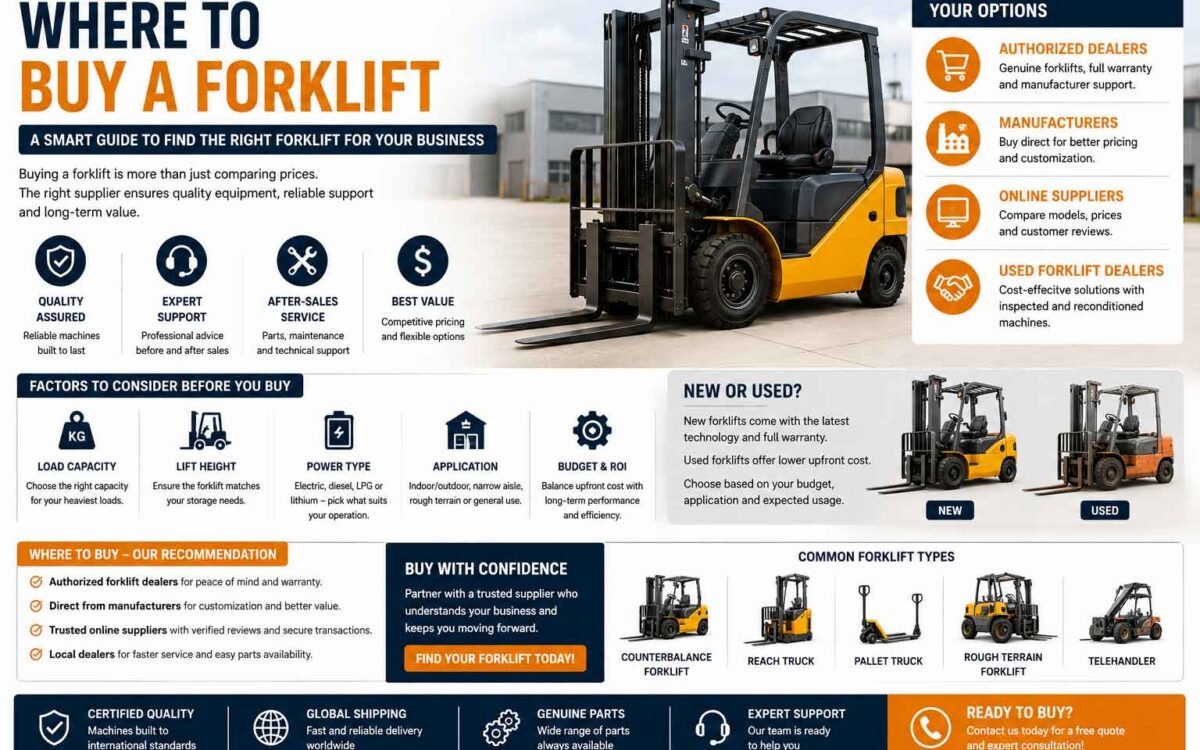
Where to Buy a Forklift — 6 Channels Compared (With Real Price Differences)
You can buy a forklift from a local dealer, an auction, an online marketplace, a rental company, a broker, or a factory direct from China. The price for the same spec machine varies by 40–60% depending on the channel. Here's how each channel works, what you actually pay, and which one fits your situation.
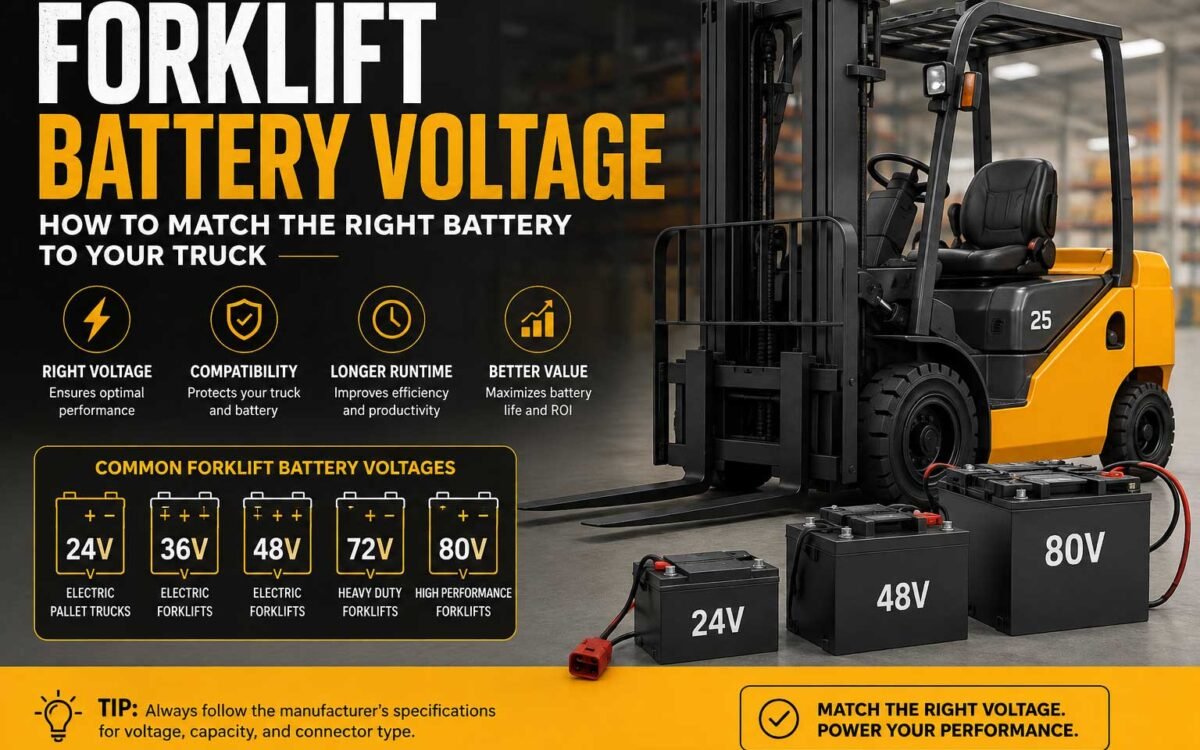
Forklift Battery Voltage — How to Match the Right Battery to Your Truck
A forklift battery must match the truck's voltage system — 24V, 36V, 48V, 72V, 80V, or 96V. Put the wrong voltage in and you'll fry the controller, stall the motors, or simply not fit. Here's which voltage your truck needs, how to check it, and what each voltage level is used for.
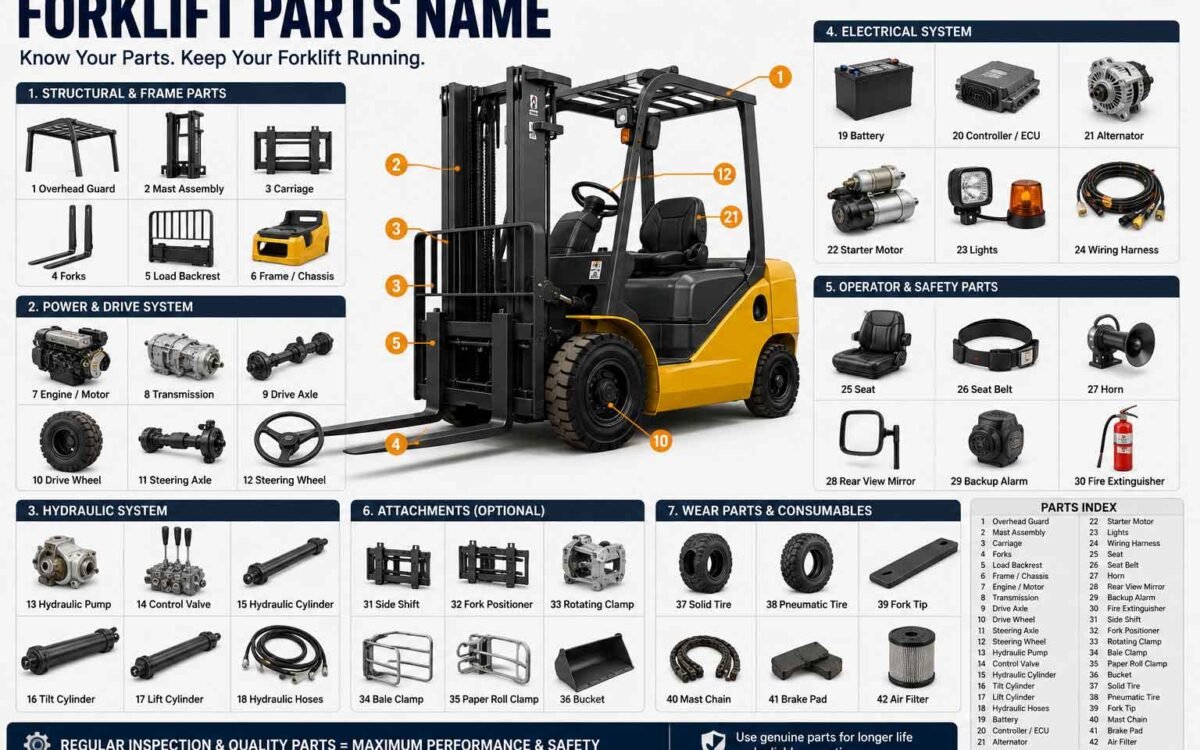
Forklift Parts Name — Complete Guide With Diagram (Every Part Explained)
You don't need to be a mechanic to understand a forklift — but when you call a supplier for a spare part, you need to know what it's called. There are roughly 30 main assemblies on a counterbalance forklift. Here's every one of them, what it does, what it costs to replace, and what the most common failure is.
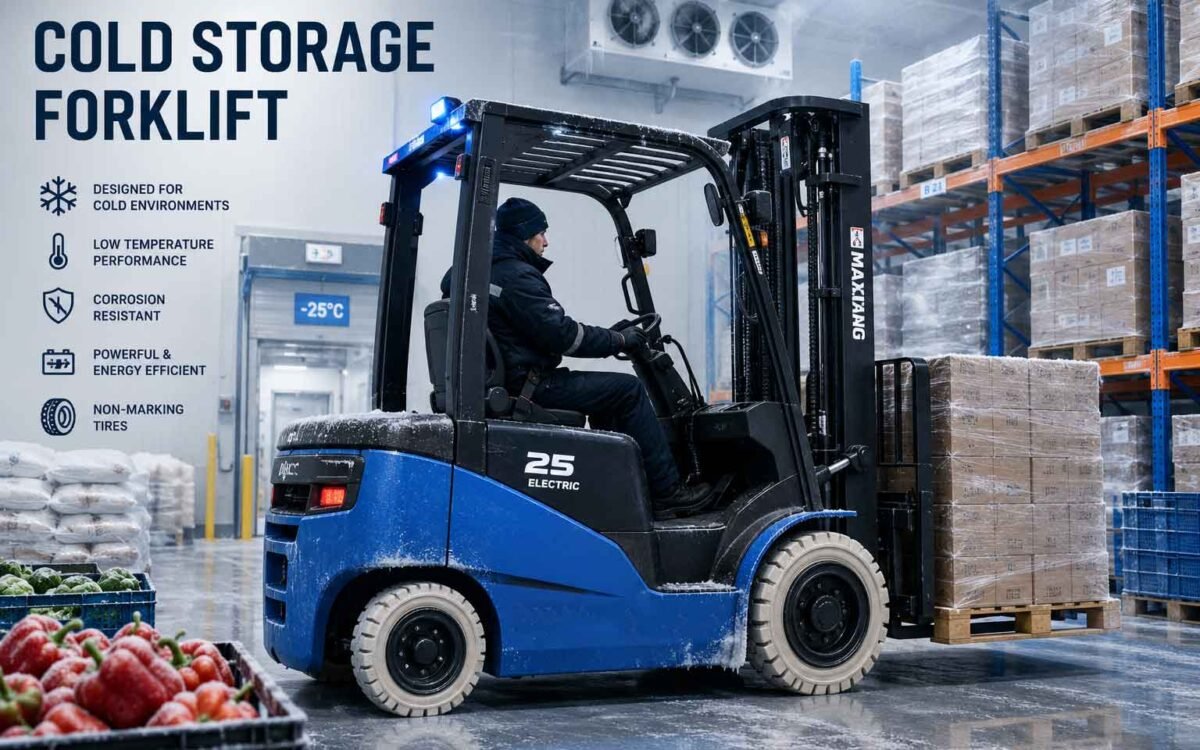
Cold Storage Forklift — The Complete Guide for Freezer Warehouses
A standard forklift in a -25°C freezer is a maintenance nightmare waiting to happen. Seals crack, hydraulics thicken, batteries die, and condensation destroys electronics — all within months. Cold storage forklifts are built to survive where standard trucks fail. Here's what changes, what it costs, and how to pick the right one.
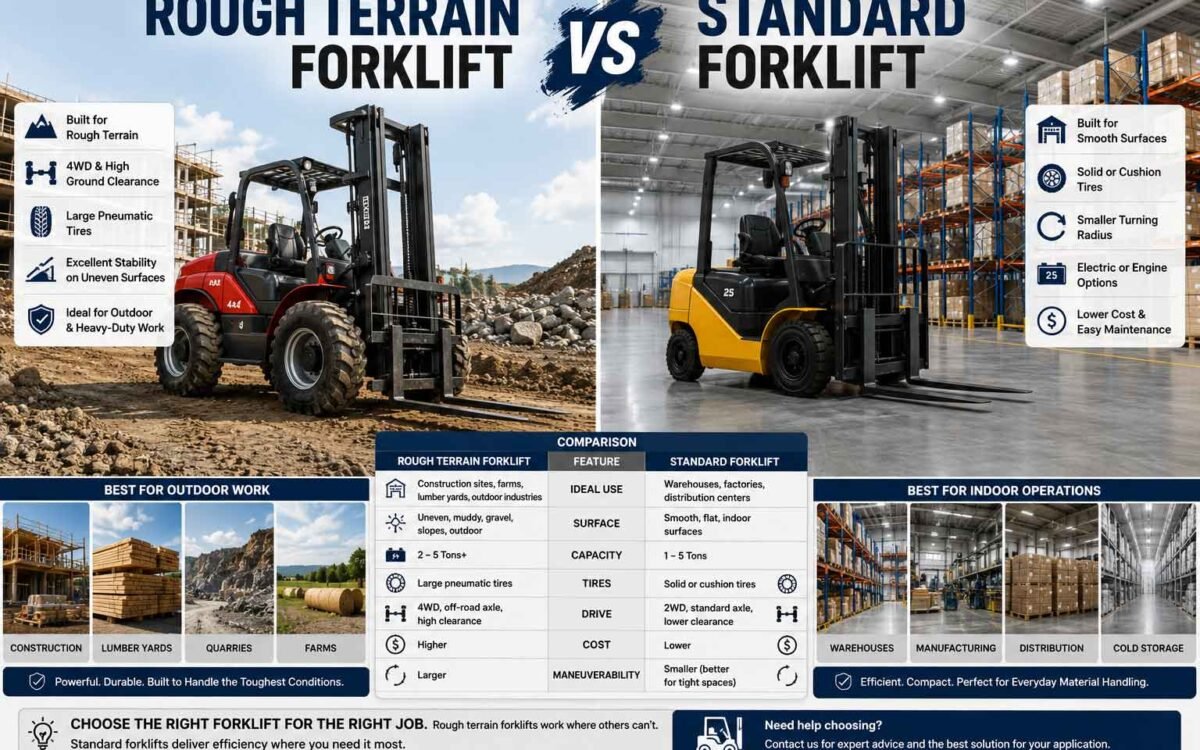
Rough Terrain Forklift vs Standard Forklift — Which One Survives Your Site?
A standard forklift on dirt is a $15,000 paperweight. A rough terrain forklift in a warehouse is a $20,000 door-blocker. Both machines lift loads — but they're built for different worlds. Here's how to tell which one your operation needs before you spend the money.
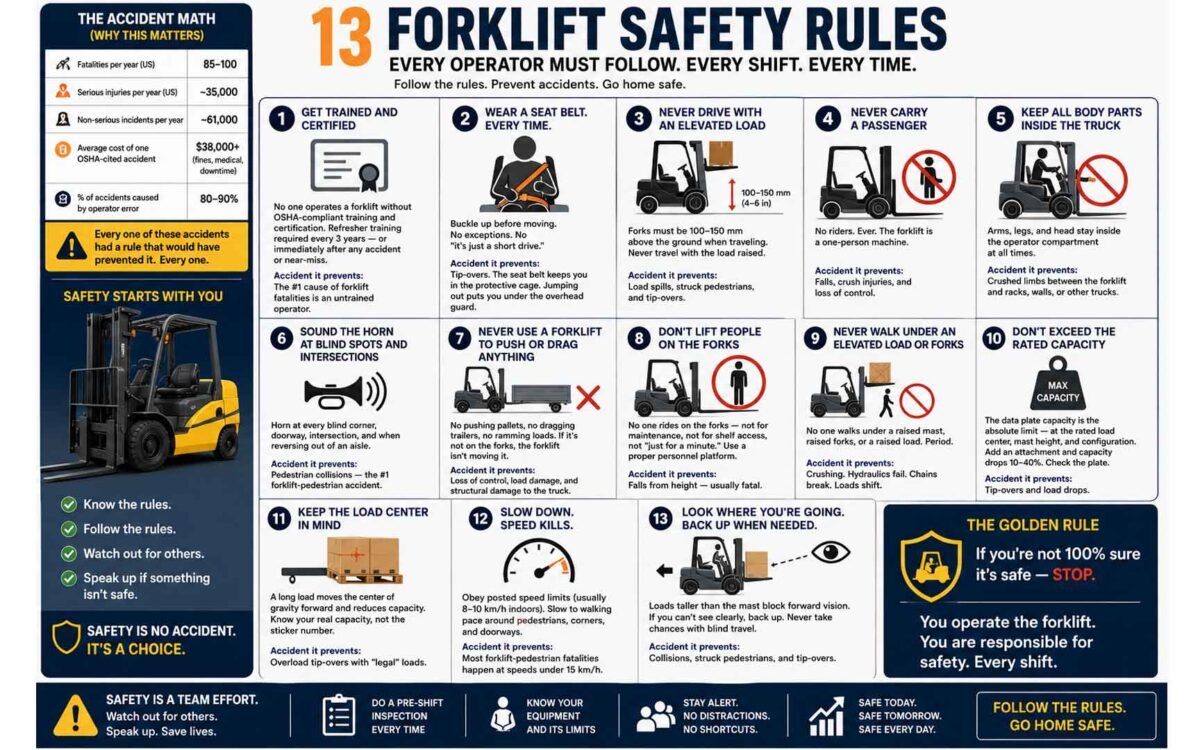
Forklift Safety Rules — The 20 Rules That Prevent 90% of Accidents
Forklifts kill about 85–100 people per year in the US alone and seriously injure another 35,000. Almost none of those accidents were caused by a mechanical failure. They were caused by operators breaking the same 20 rules — over and over. Here are the rules, the accident they prevent, and the real cost of breaking each one.
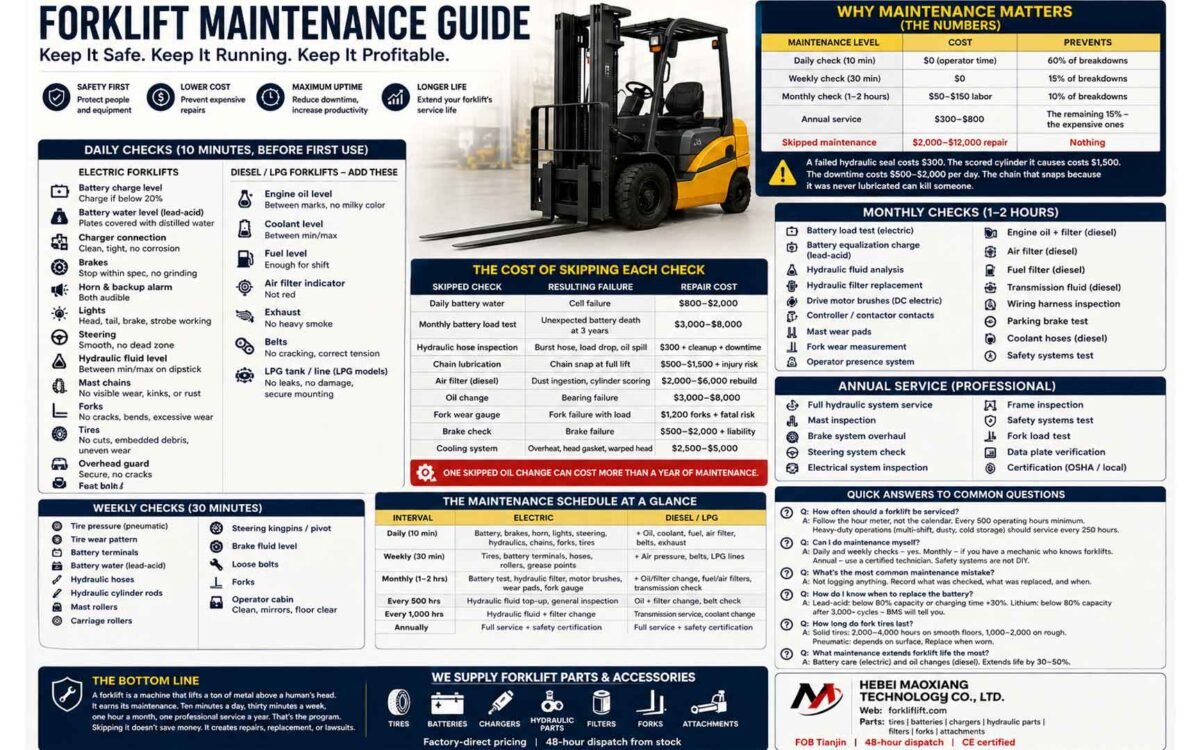
Forklift Maintenance Checklist — Daily, Weekly, Monthly, and Annual
A forklift costs $5,000–$50,000. Skipping maintenance turns it into a $12,000 repair bill in 18 months. The good news: 80% of forklift breakdowns are preventable with a 10-minute daily check and a 1-hour monthly check. Here's the complete checklist — daily, weekly, monthly, and annual — with the failure each check prevents.
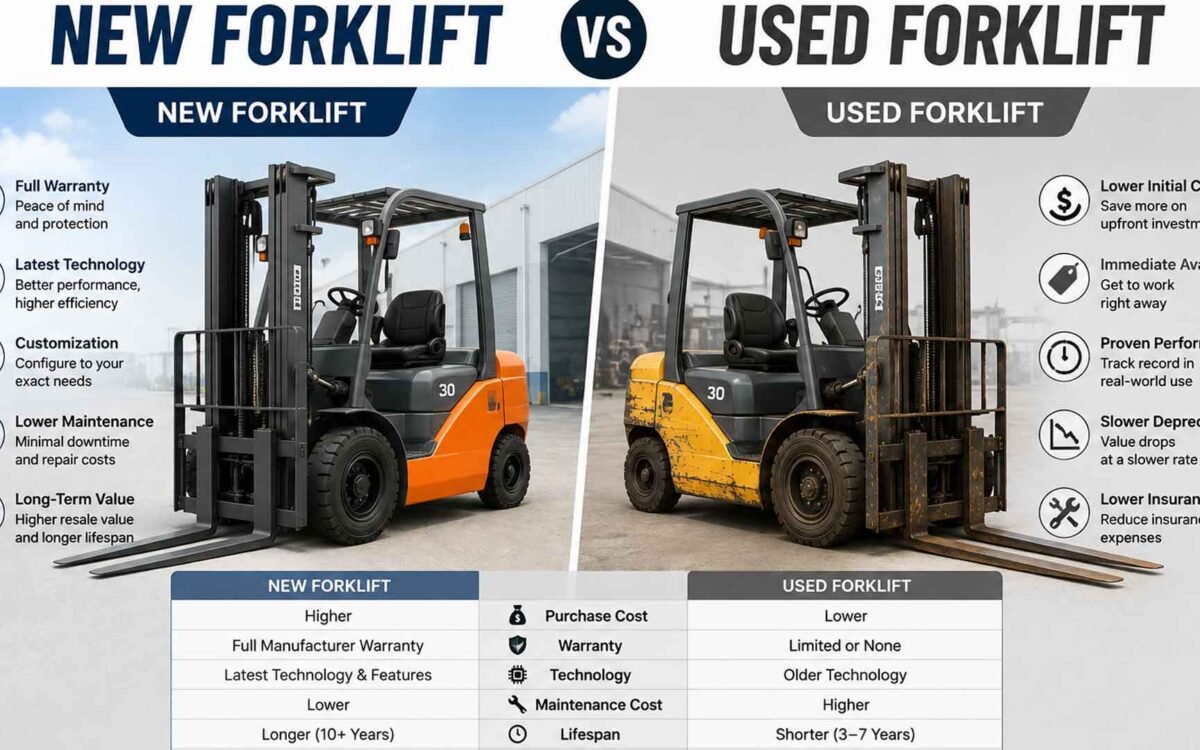
New Forklift vs Used Forklift — The 3-Year Cost Truth
A used forklift costs 40–70% of a new one. But the real question isn't the sticker price — it's the 3-year total cost. In three specific situations, used is the smarter buy. In three others, used is the most expensive mistake you can make. Here's how to tell which you're in.
How to Buy a Forklift — The 6-Step Guide (No Sales Pitch, Just the Process)
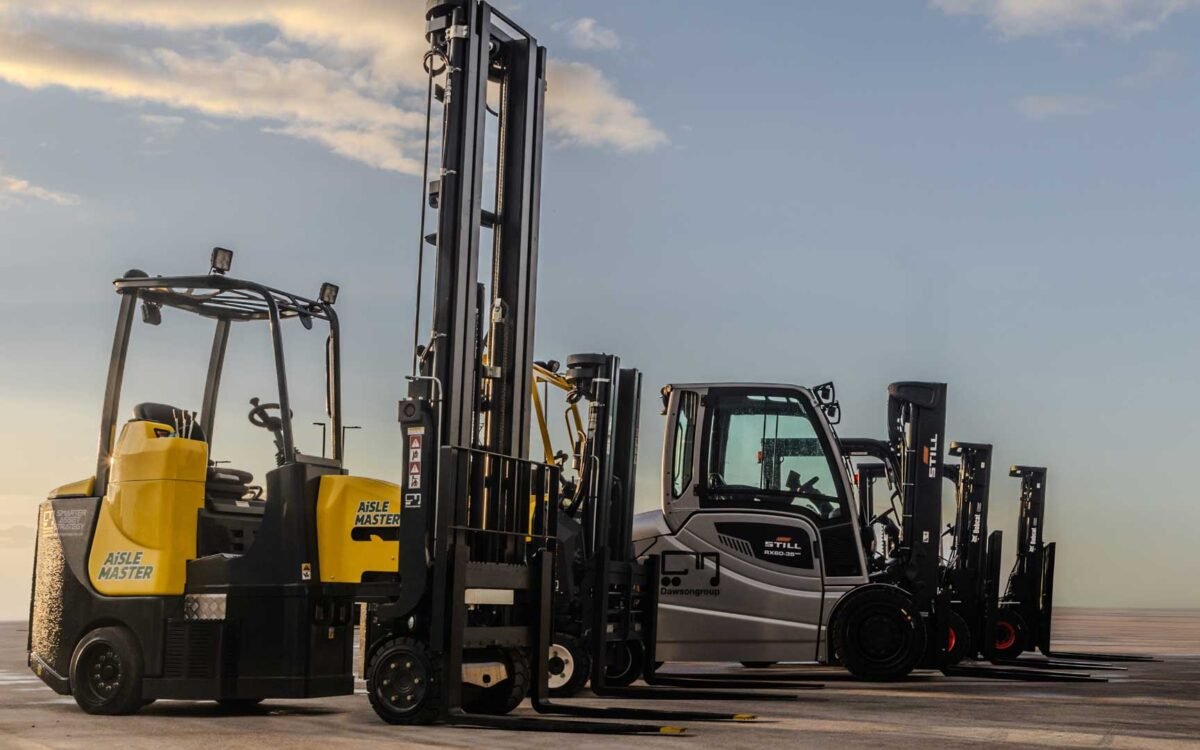
Buying a forklift is a $5,000–$50,000 decision that most buyers make once a decade. If you get it wrong — wrong capacity, wrong power type, wrong mast height — you discover it on day one, when the truck you paid for can't do the job. This is the process we use when our own customers ask us what to buy. Six questions, in order.
Forklift vs Telehandler — Which One Do You Actually Need?
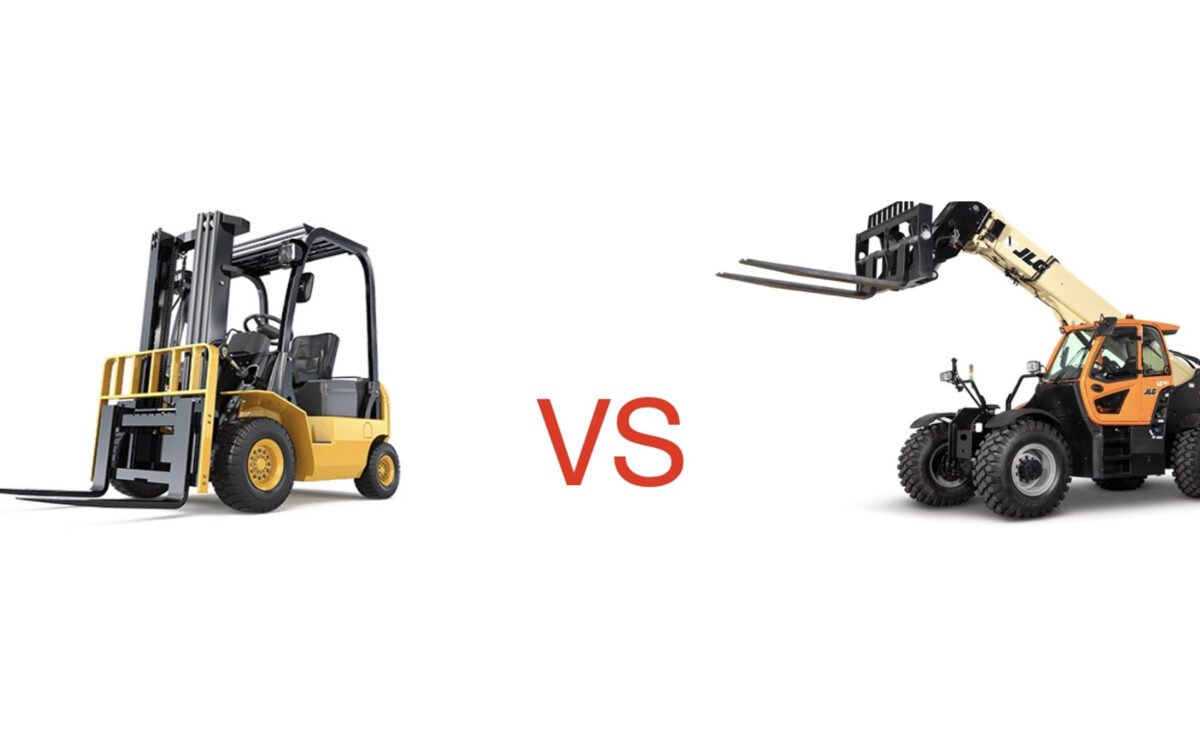
A forklift lifts straight up. A telehandler reaches forward and up. If you only work on smooth concrete and stack pallets in racking, buy a forklift. If you need to reach over obstacles, work on uneven ground, or lift loads to a second-story roof, buy a telehandler. If you're not sure which describes your operation, read this.
Standard Forklift Fork Size — Length, Width, Thickness by Capacity
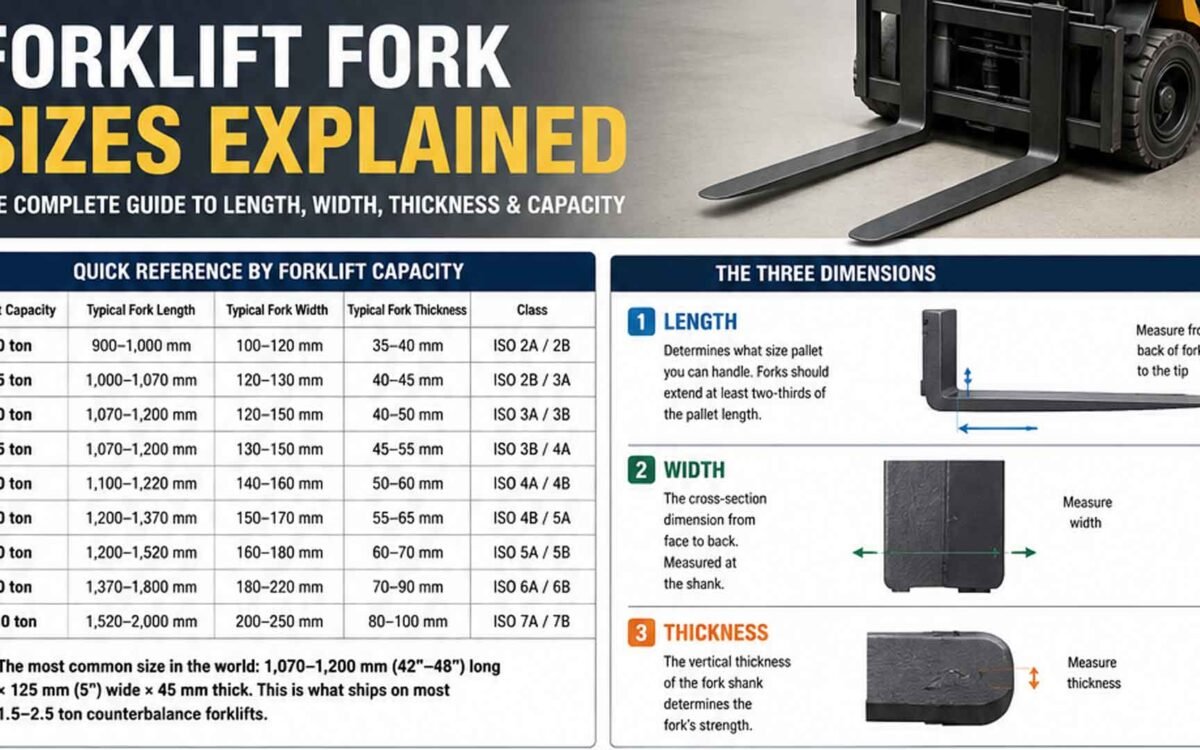
A standard forklift fork for a 2-ton truck is 1,070–1,200 mm long, 120–150 mm wide, and 40–50 mm thick. But "standard" changes with capacity, application, and region. Here's the complete breakdown — plus how to measure your forks and know when they need replacement.
How Wide Is a Forklift?(Width by Type, Capacity, and Application)
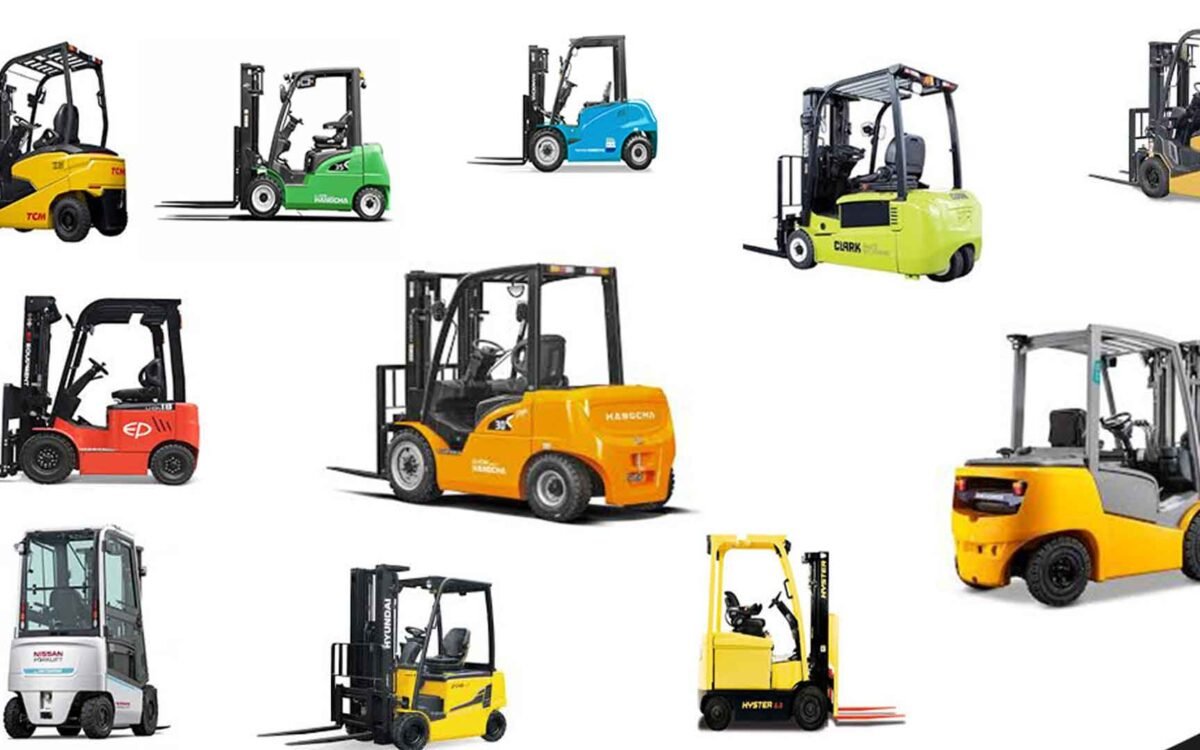
A standard 2-ton counterbalance forklift is 1,100–1,250 mm wide. But how wide depends entirely on the type, capacity, and wheel configuration. If you're planning aisle widths, door openings, or truck loading, here are the exact numbers.
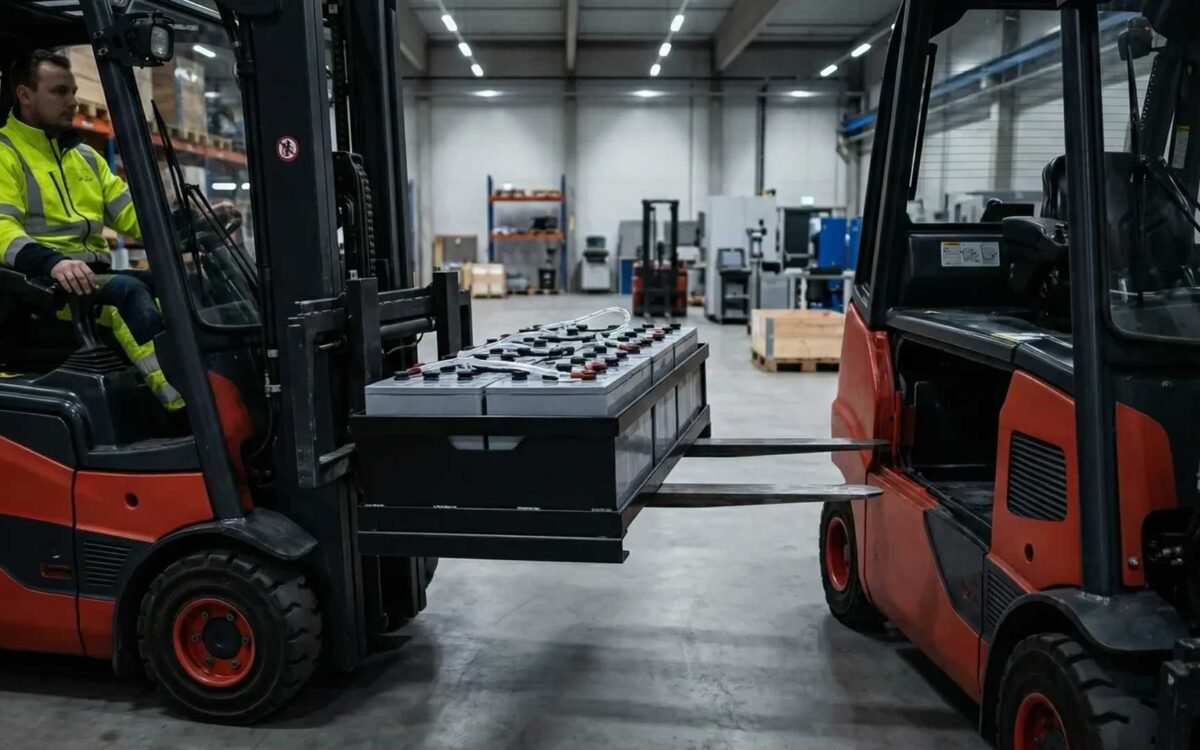
How Much Is a Forklift Battery? (2026 Pricing — Lead-Acid vs Lithium)
A forklift battery costs anywhere from $800 for a small 24V lead-acid to $18,000+ for a large 80V lithium. The price depends on voltage, amp-hour capacity, chemistry type, and whether you're buying new, refurbished, or aftermarket. Here's the real breakdown — not the contact us for pricing range.
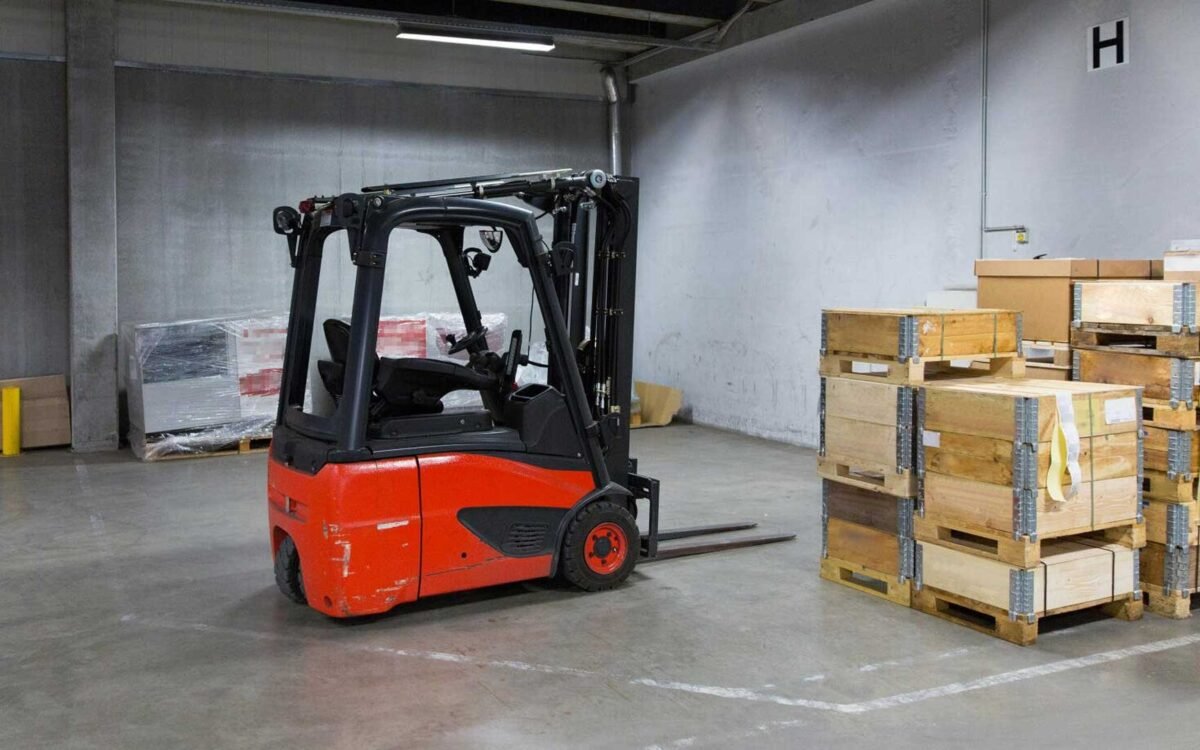
How Much Does a Forklift Weigh? (By Type, Capacity, and Power)
A standard 2-ton counterbalance forklift weighs roughly 3,500–4,500 kg. The weight depends on capacity, power type, and battery configuration. Here's the breakdown by category — plus why you need to know this before you buy.
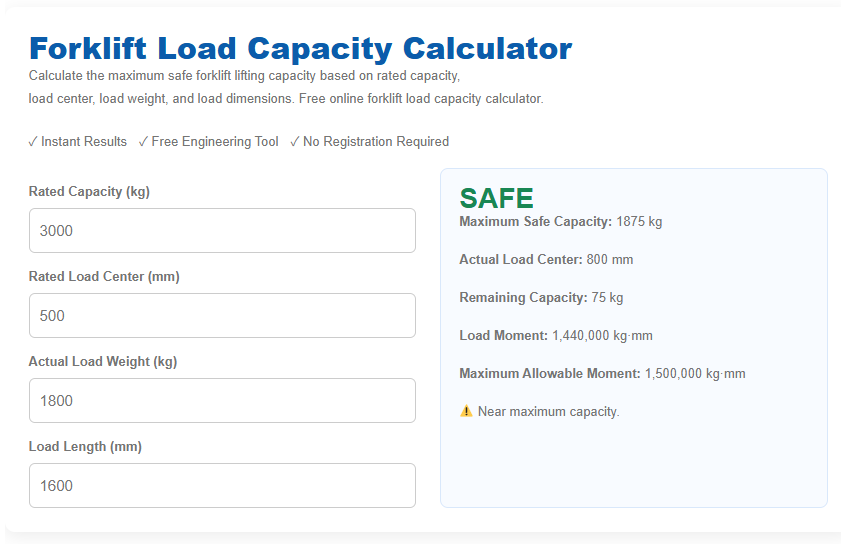
Ultimate Forklift Load Capacity Calculator: Moment Balance & De-Rating Guide
A forklift's lifting capacity is determined by the load moment, which is the product of the forklift's rated capacity and its rated load center. As the load center increases, the maximum safe lifting capacity decreases because the load creates a larger overturning force on the forklift.The calculator uses the following formulas:Maximum Allowable Load MomentRated Capacity × Rated Load CenterMaximum Safe CapacityMaximum Allowable Load Moment ÷ Actual Load Center
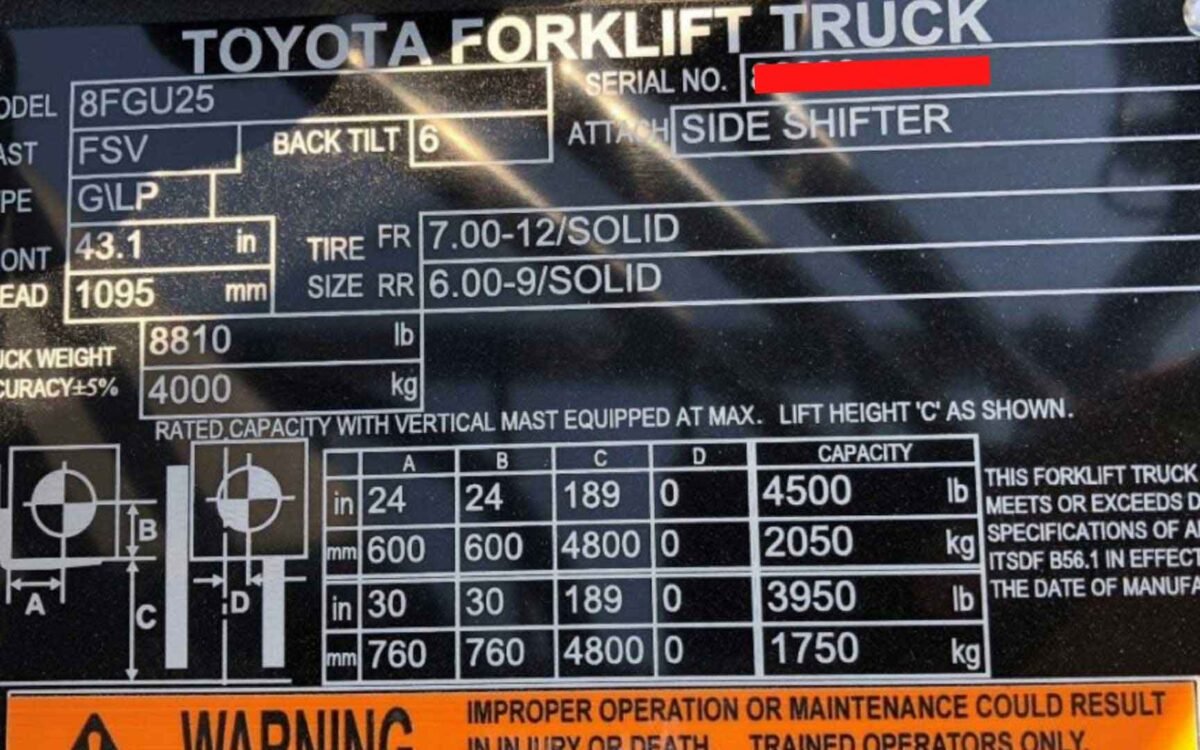
How to Check the Load Capacity of a Forklift — Read the Data Plate in 30 Seconds
Every forklift has a data plate welded to the chassis. It tells you the exact capacity at a specific load center, mast height, and configuration. Here's how to read it, what the numbers actually mean, and how to check if a used forklift still matches its rated capacity.
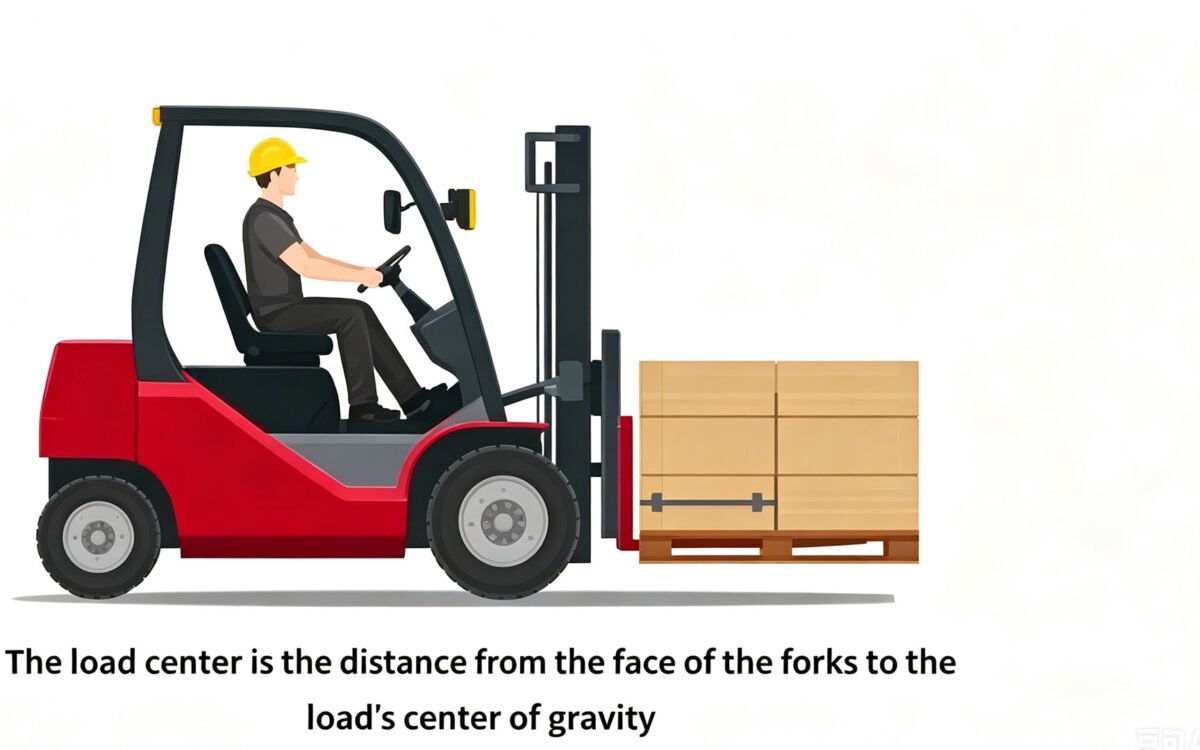
What Is the Load Center on a Forklift? (And Why Getting It Wrong Can Cost You Capacity or Cause a Tip-Over)
The load center is the distance from the front face of the forks to the center of gravity of the load. For most forklifts, it's 500 mm or 600 mm. If your load's center of gravity is further out than the rated load center, your forklift can't lift as much as the spec sheet says. Here's exactly how it works and what it means when you're buying.
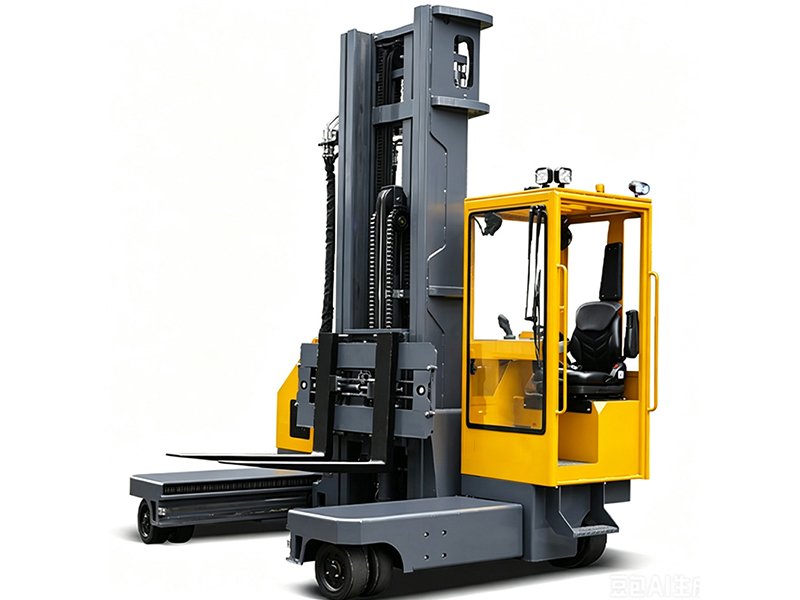
Forklift That Moves Sideways — Side Loader for Long Materials, Narrow Aisles
The side loader forklift is equipped with a side loading platform to carry long materials parallel to its body, eliminating the need for wide turning aisles and solving warehouse space shortages for lengthy goods.
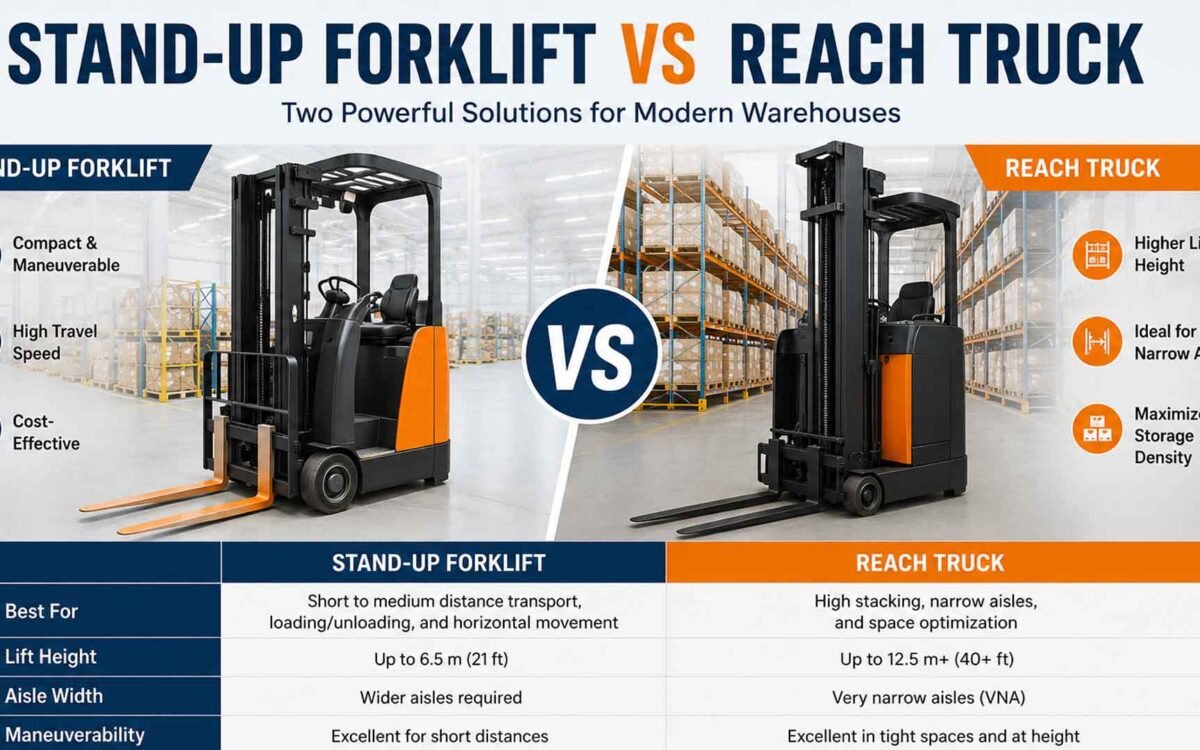
Stand-Up Forklift vs Reach Truck — Which One Do You Actually Need?
A stand-up forklift and a reach truck look similar to a non-warehouse person. They're not. They serve different aisles, different rack types, and different budgets. Pick the wrong one and you'll either waste floor space or waste money. Here's the breakdown with no sales fluff.
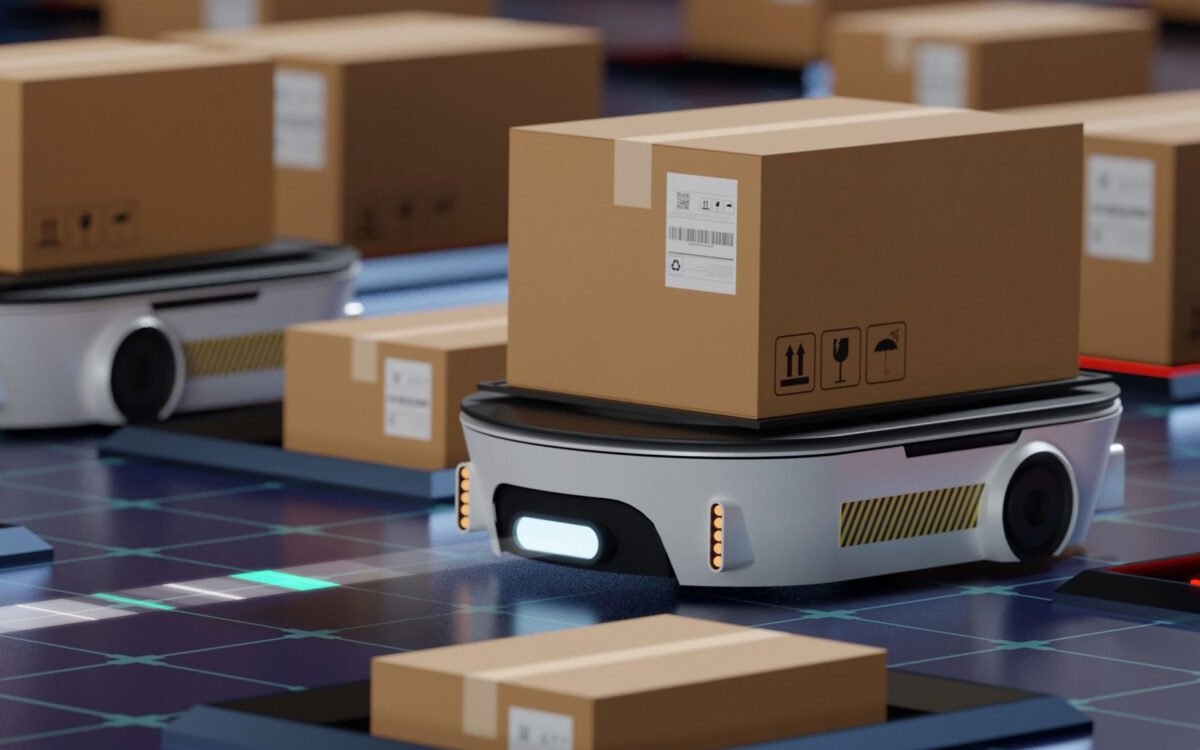
What Are Autonomous Mobile Robots (AMRs)? AMR vs AGV, Costs, and When They Pay Back
An Autonomous Mobile Robot AMR is a vehicle that moves materials around a facility without a fixed path, a driver, or magnetic tape on the floor. It uses LiDAR and cameras to see where it's going. If someone tries to sell you an "AMR" that follows a painted line, it's not an AMR. It's an AGV with a marketing department.
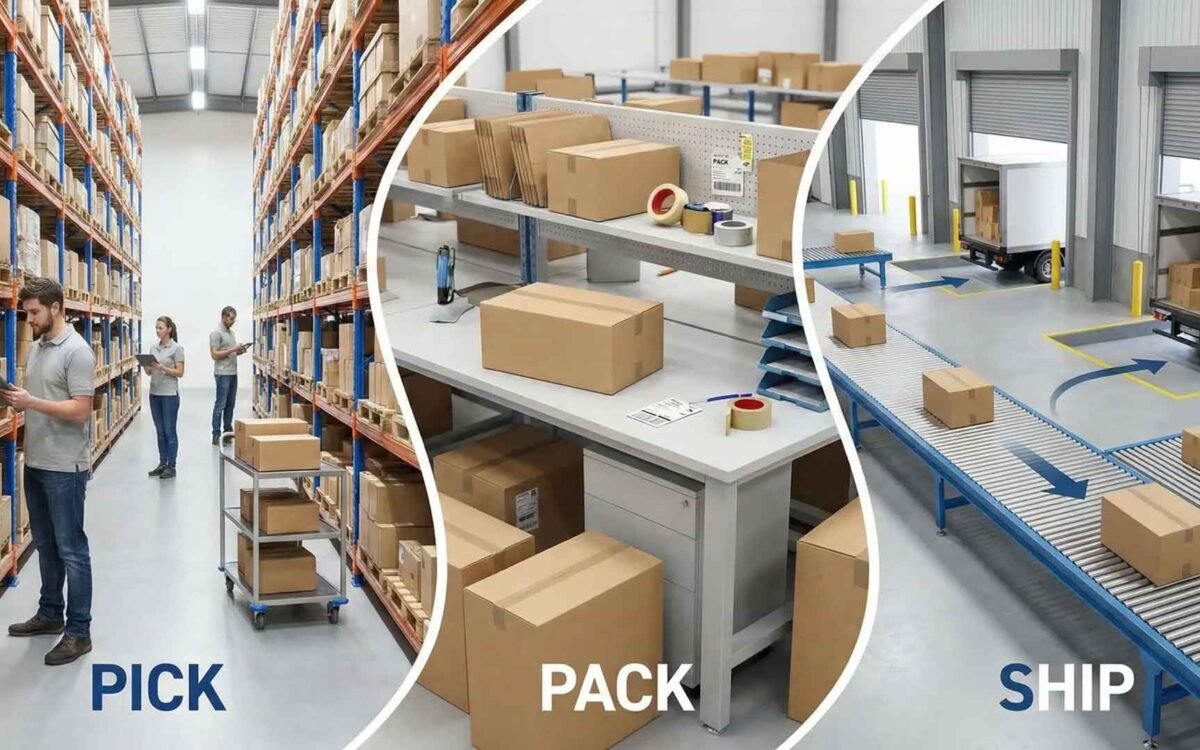
What Is Warehouse Management?
Warehouse management is the process of controlling what comes in, where it goes, how it moves, and how it goes out — as cheaply and accurately as possible. Software helps. But the building, the racks, the forklifts, and the people matter just as much. Here's what warehouse management actually looks like on the floor.
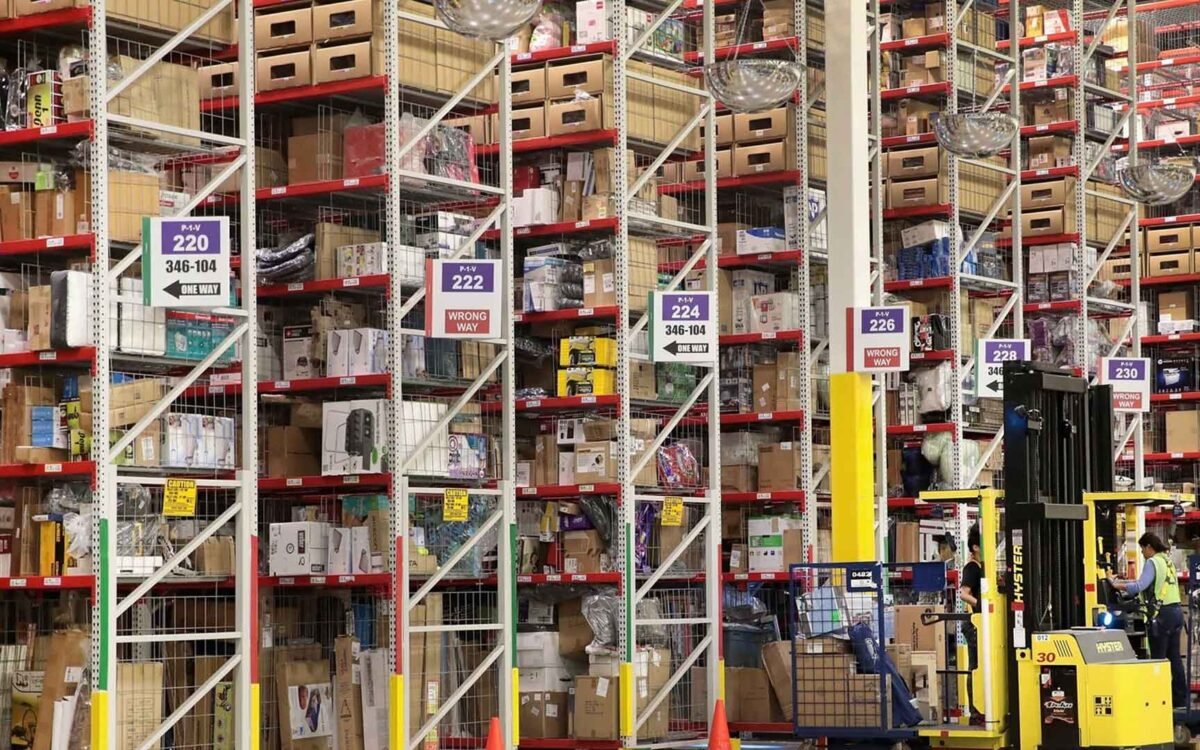
Why Are So Many Warehouses Being Built?
There are more warehouses under construction right now than at any point in history — over 2 billion square feet globally. The common answer is "e-commerce." That's true, but it's only half the story. The other half is about something most people have never heard of: inventory-to-sales ratio, and why it flipped in 2020 and never flipped back.
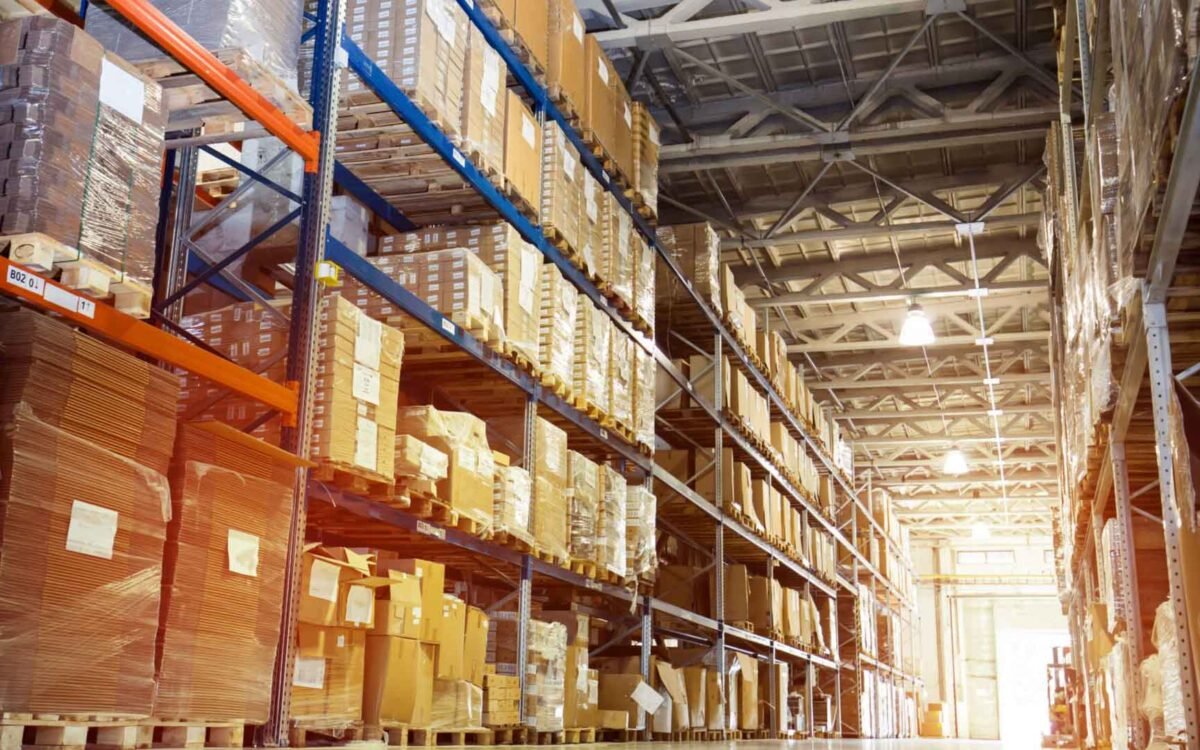
How Much Does a Small Warehouse Cost?
A small warehouse 500–2,000 m² costs anywhere from $8,000/month to rent in the US Midwest to $1.5 million to build from scratch. Most of the cost isn't the building — it's the stuff you put inside. Here's the full breakdown, not just the square footage number.
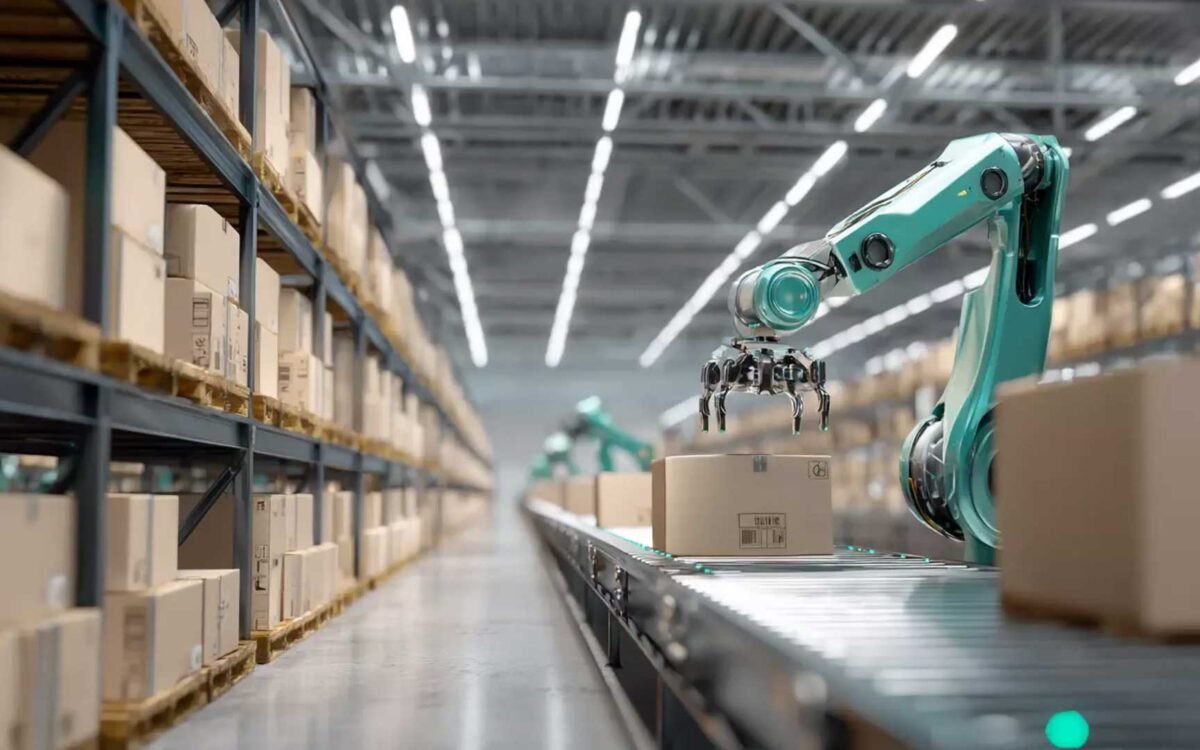
Smart Warehouse Technologies — What Actually Works in 2026
Smart warehouse technologies fall into three buckets: sensing, software, and movement. Most warehouse operators buy them in the wrong order. Here's the sequence that actually pays back — and the technologies that don't.
What Is a Smart Warehouse?
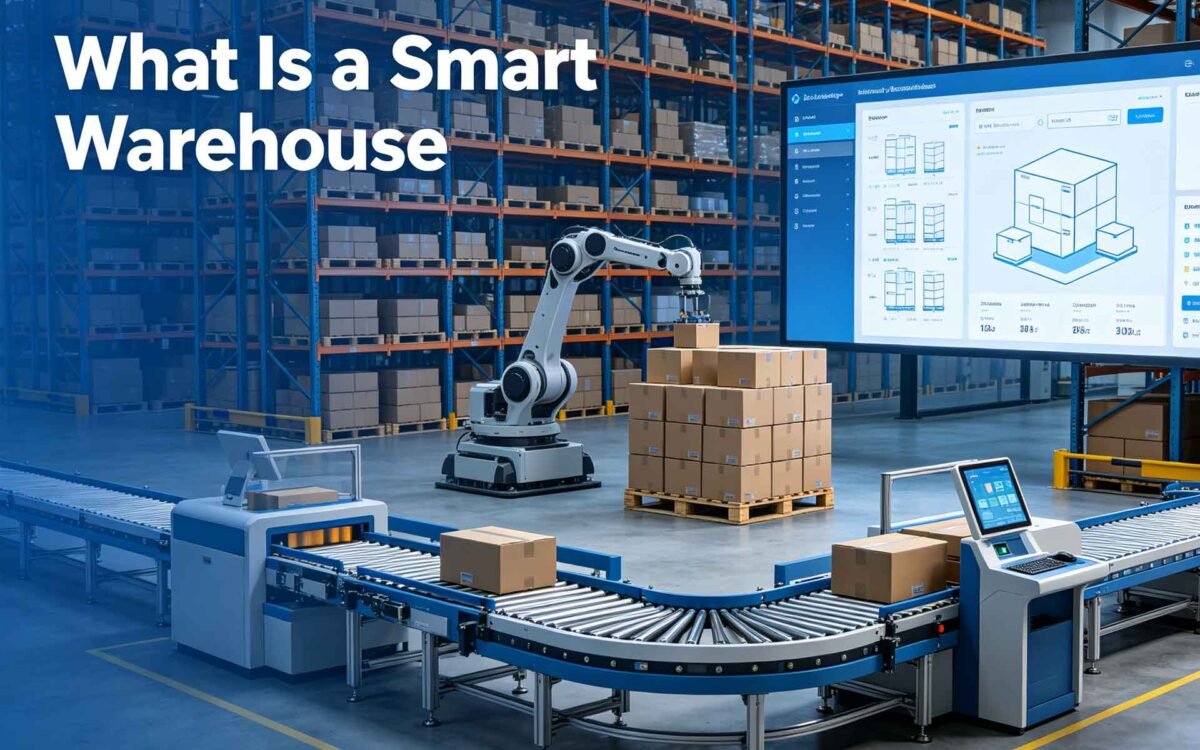
A smart warehouse is a warehouse where machines do the moving and people do the deciding. Not "lights out." Not AI replacing everyone. Just: sensors tell you where everything is, software decides the most efficient path, and automated equipment executes the movement. The rest is marketing.
How Long Can a Lithium-Ion Battery Last Without Charging? (The Real Numbers)
Stop guessing. A properly stored lithium-ion battery loses 1–5% charge per month sitting on a shelf. But can it last is the wrong question. The real question: how long until that battery is dead — and what kills it faster than time ever will.
Beyond the Price Tag: The Hidden Costs and Real-World Role of Self-Driving Forklifts in Modern Warehouses
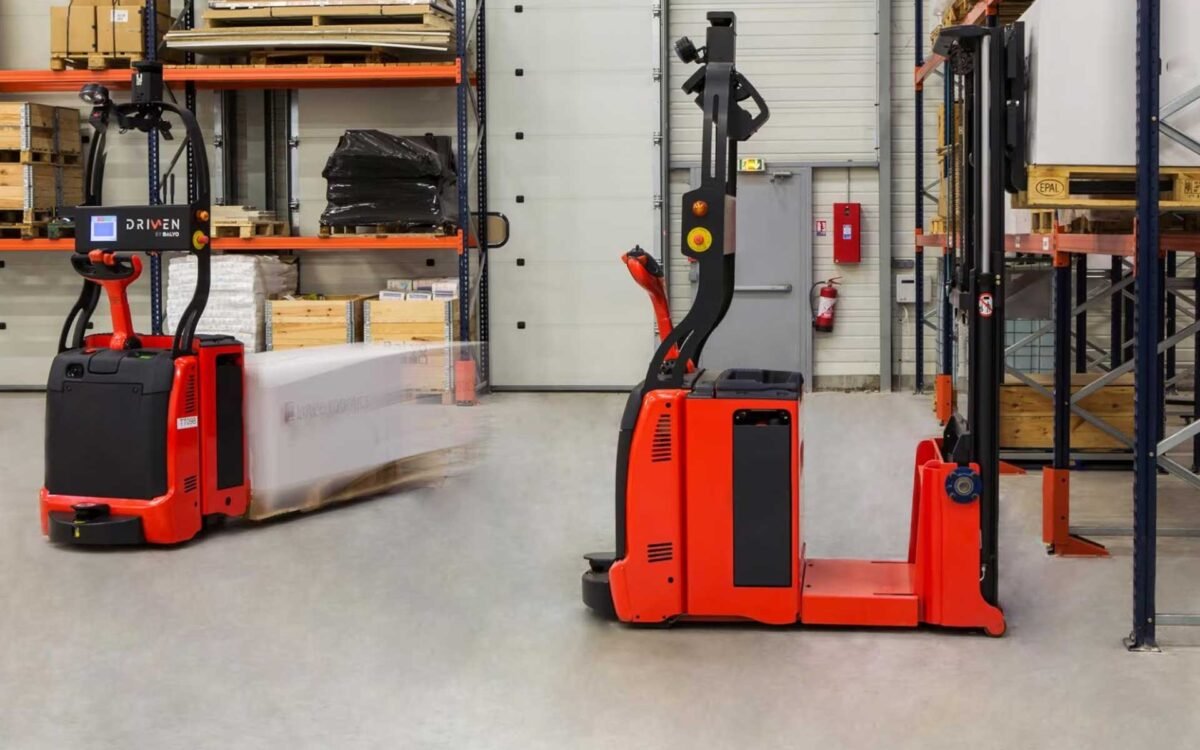
Self-driving forklifts can reduce labor costs, improve operational consistency, and increase warehouse efficiency. However, many automation projects fail to deliver the expected return on investment because companies underestimate the hidden costs and operational challenges involved.
Buying a Walk-Behind Forklift? 5 Hidden Costs That Destroy Your Warehouse ROI
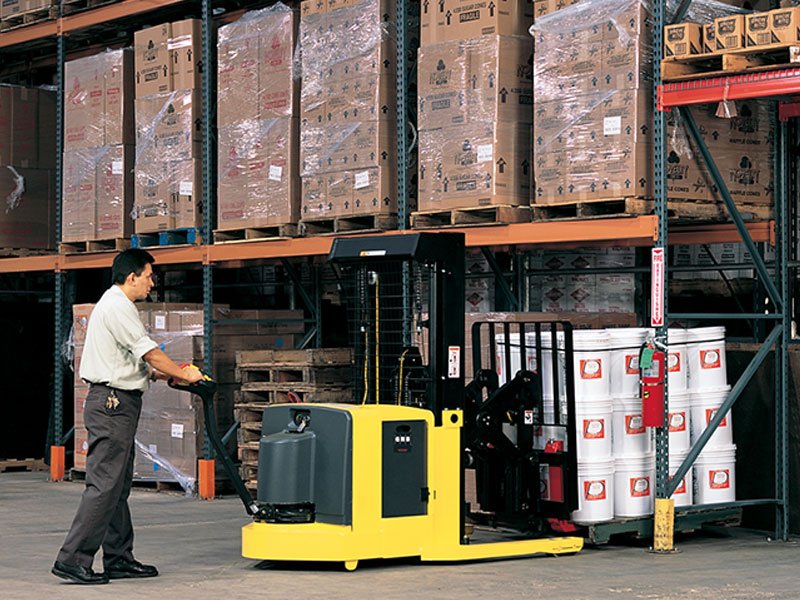
A cheap walk-behind forklift can cost significantly more over its lifetime than a higher-quality model.The hidden costs usually include:Faster wheel replacement Shorter battery life Poor ramp performance Increased downtime Limited spare parts availability Lower resale value
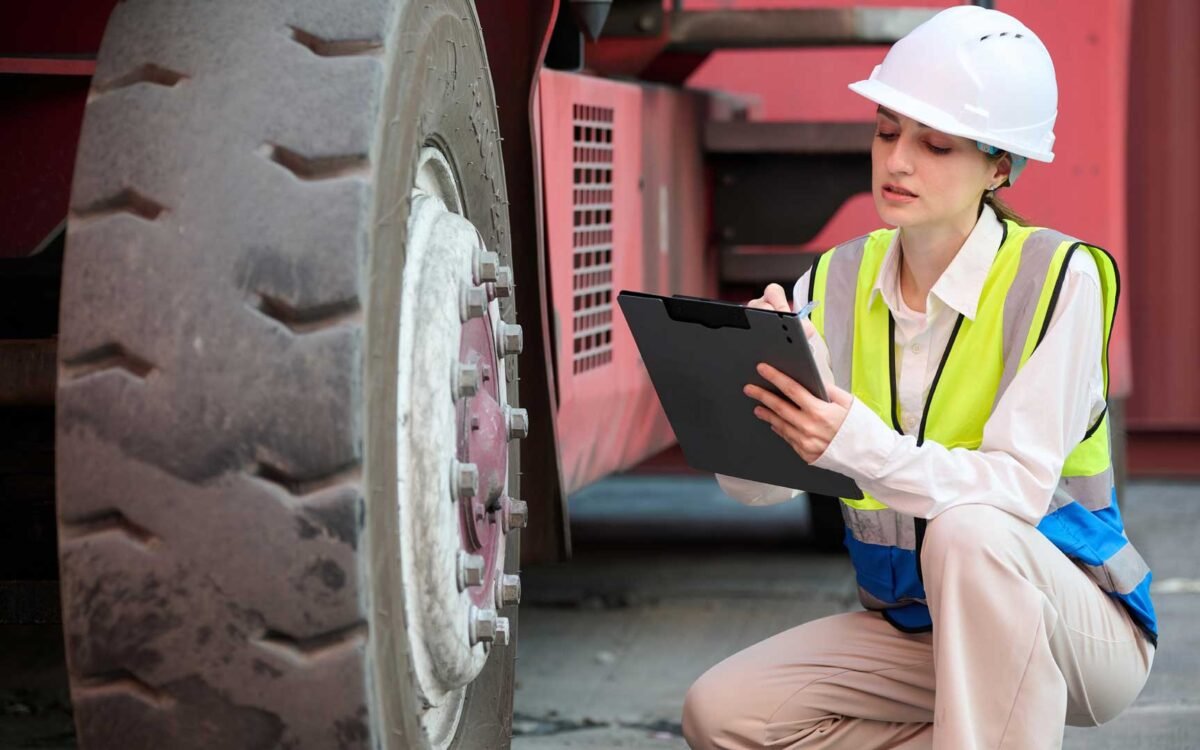
Why Forklift Tires Wear Faster Near Loading Docks
Forklift tires wear faster near loading docks because forklifts repeatedly experience:Dock plate impacts Floor height transitions Heavy load concentration Frequent turning movements Uneven concrete surfaces Increased braking activityThese conditions create significantly more stress on tires than normal warehouse travel routes.As a result, tire replacement intervals are often much shorter for forklifts that spend most of their time loading and unloading trailers.
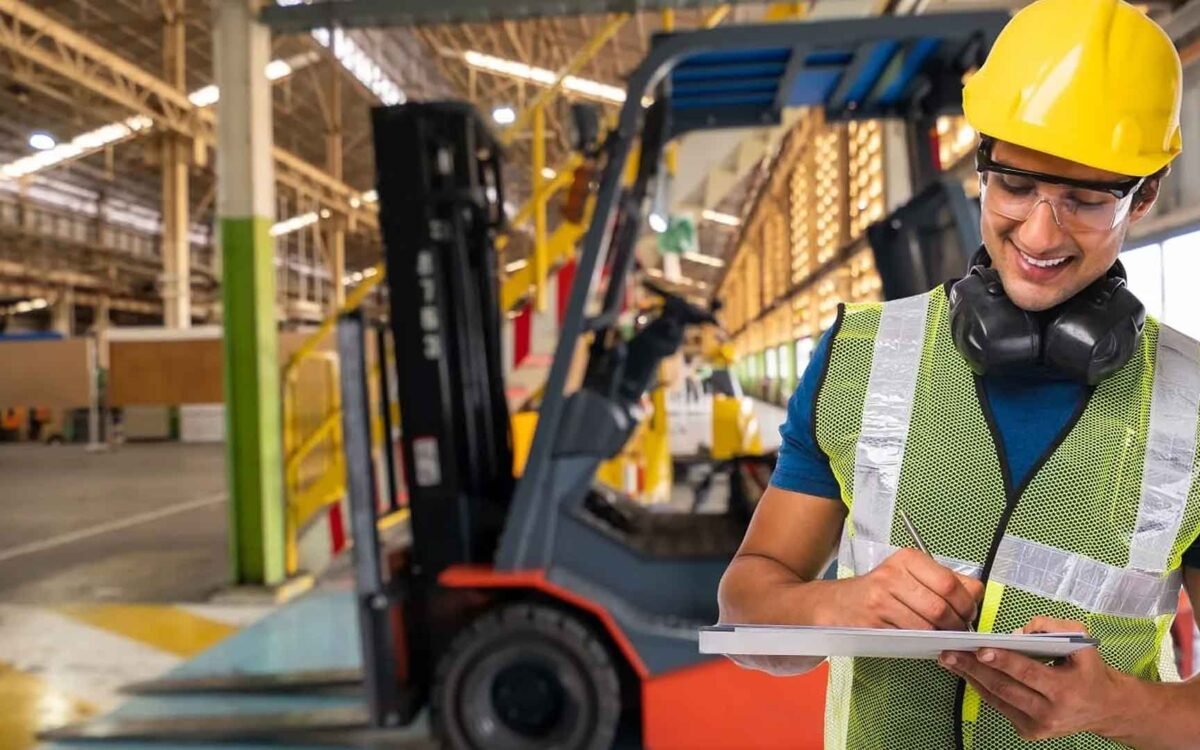
How Temperature Affects Forklift Battery Performance (From Cold Storage to Hot Warehouses)
The short answer is simple: extreme temperatures reduce battery performance, increase operating costs, and can significantly shorten battery life.