
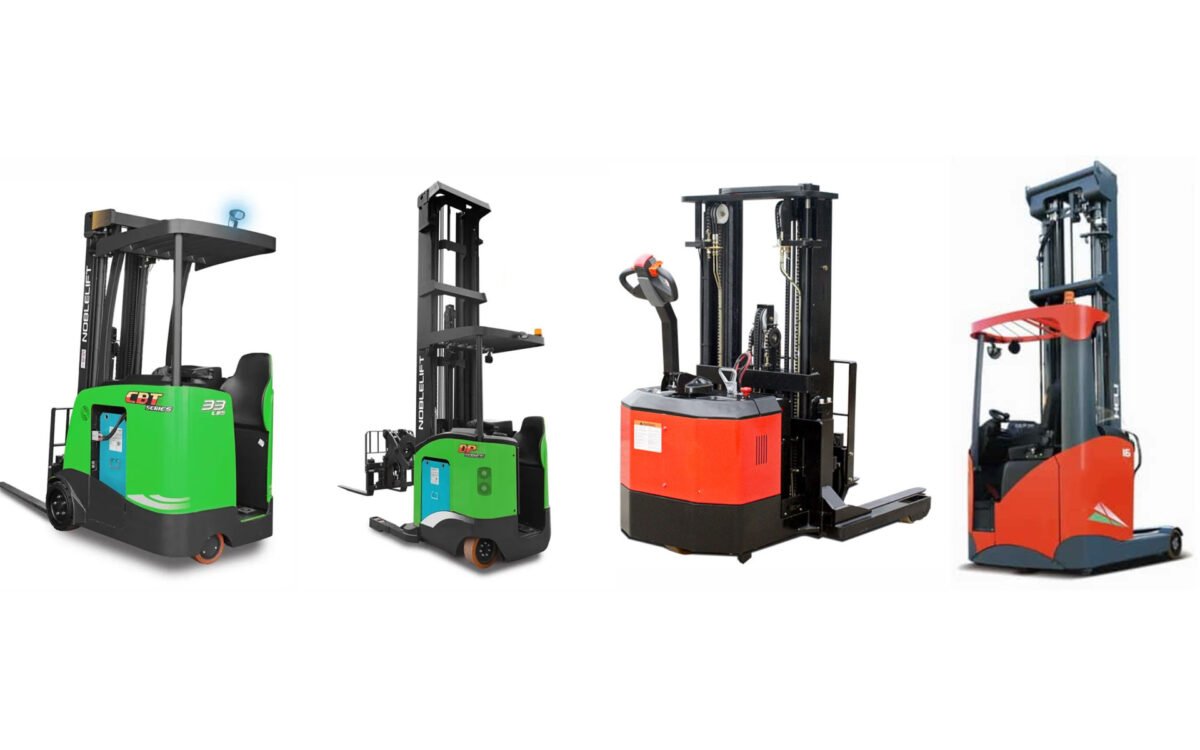
Types of Stand-Up Forklifts (Complete Guide + How to Choose the Right One)
Stand-up forklifts are widely used in warehouses and distribution centers due to their speed, maneuverability, and space efficiency.Quick Answer:The main types of stand-up forklifts include stand-up reach trucks, stand-up counterbalance forklifts, order pickers, and turret trucks, each designed for specific warehouse tasks.
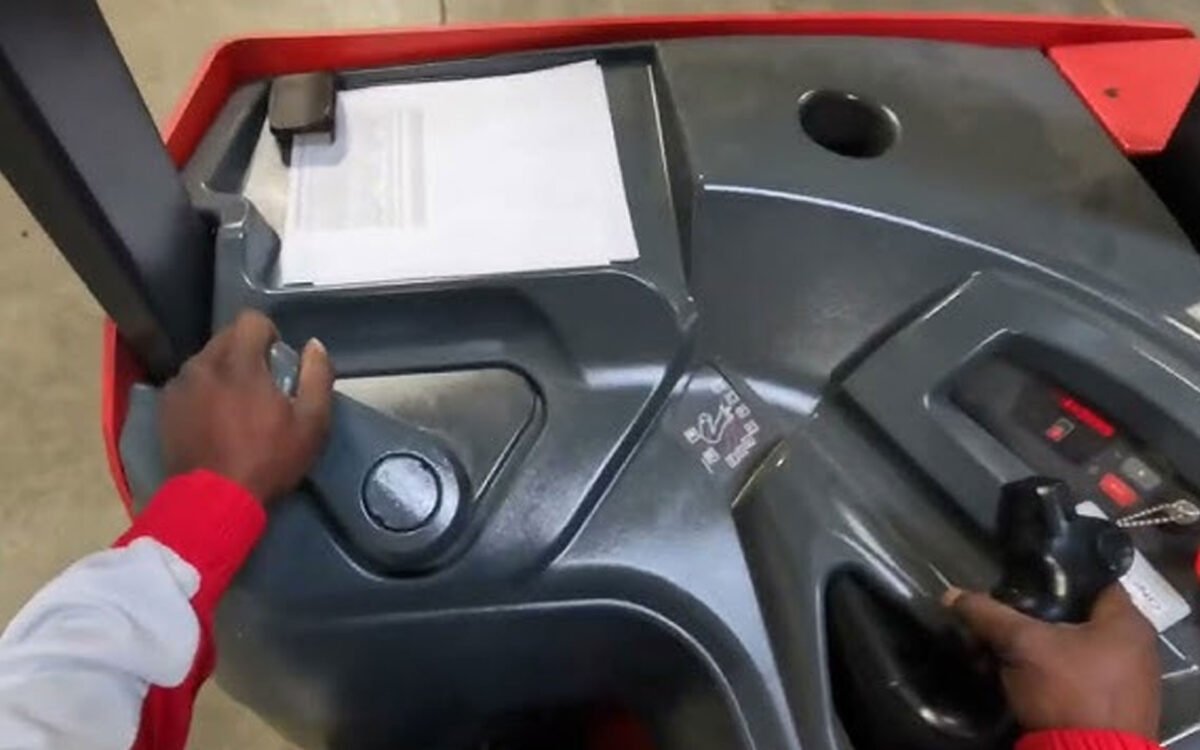
How to Drive a Stand-Up Forklift (Step-by-Step Guide + Safety Tips for Beginners)
Driving a stand-up forklift requires proper positioning, smooth control, and constant awareness of your surroundings.Quick Answer:To drive a stand-up forklift, stand securely in the operator compartment, keep the load low, drive at a controlled speed, and use smooth steering while maintaining clear visibility at all times.
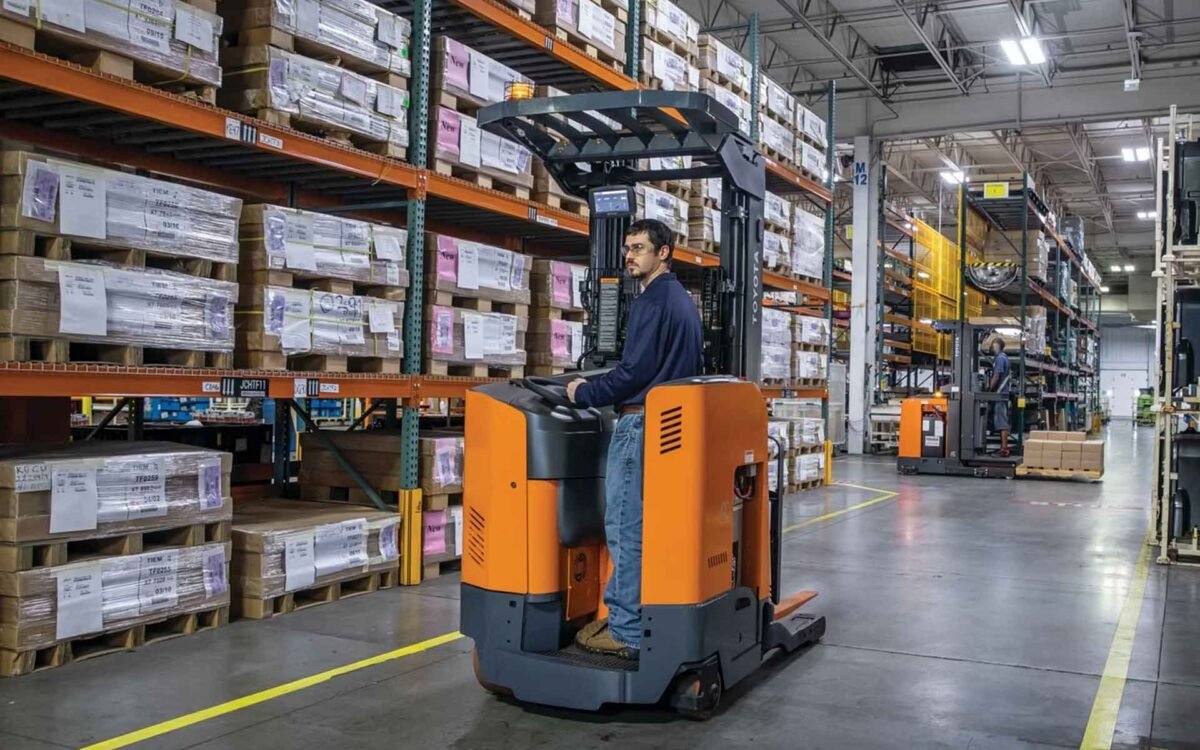
What Is a Stand-Up Forklift? (Names, Types, Uses & Key Differences Explained)
A stand-up forklift is a type of forklift where the operator stands while driving, instead of sitting.Quick Answer:A stand-up forklift is commonly called a stand-up rider forklift or a stand-up reach truck, depending on its design and application.👉 It is widely used in warehouses for fast, efficient operation in narrow aisles.
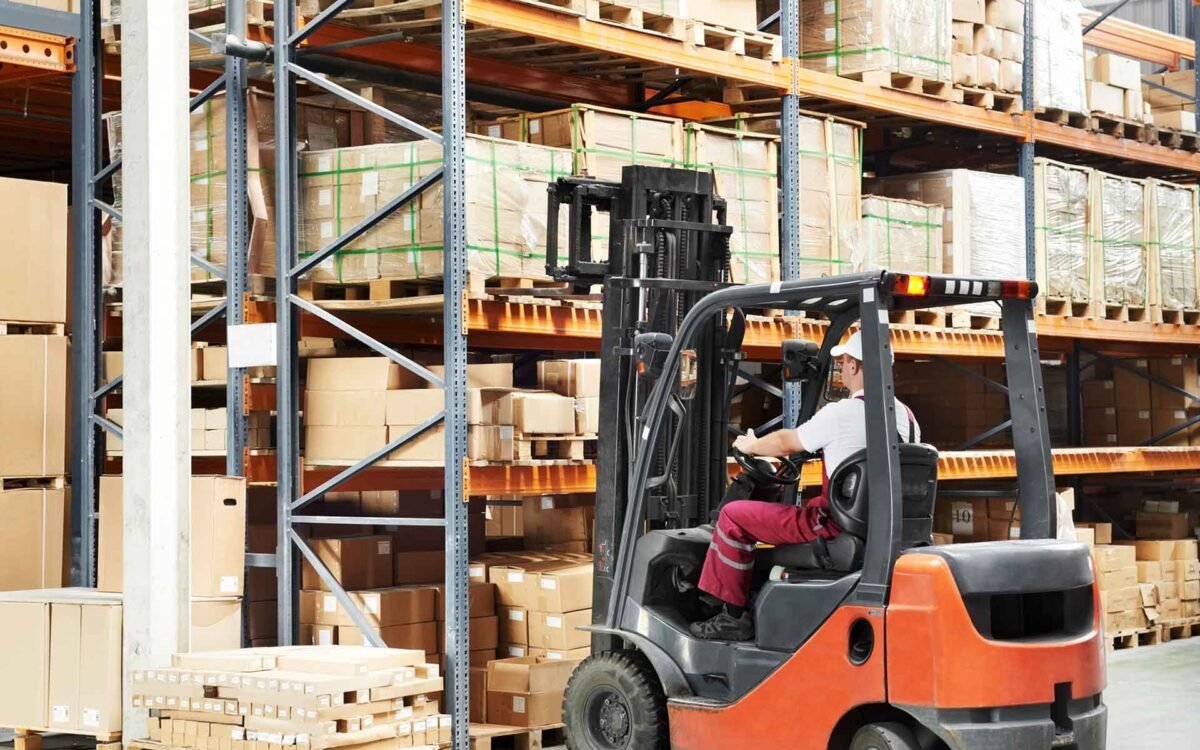
How to Operate a Forklift (Step-by-Step Guide for Beginners + Safety Tips)
Operating a forklift safely requires proper training, controlled movements, and a clear understanding of load handling.Quick Answer:To operate a forklift, you should inspect the equipment, position the forks correctly, lift and stabilize the load, drive carefully, and follow strict safety procedures at all times.👉 This guide walks you through each step in a simple, practical way.
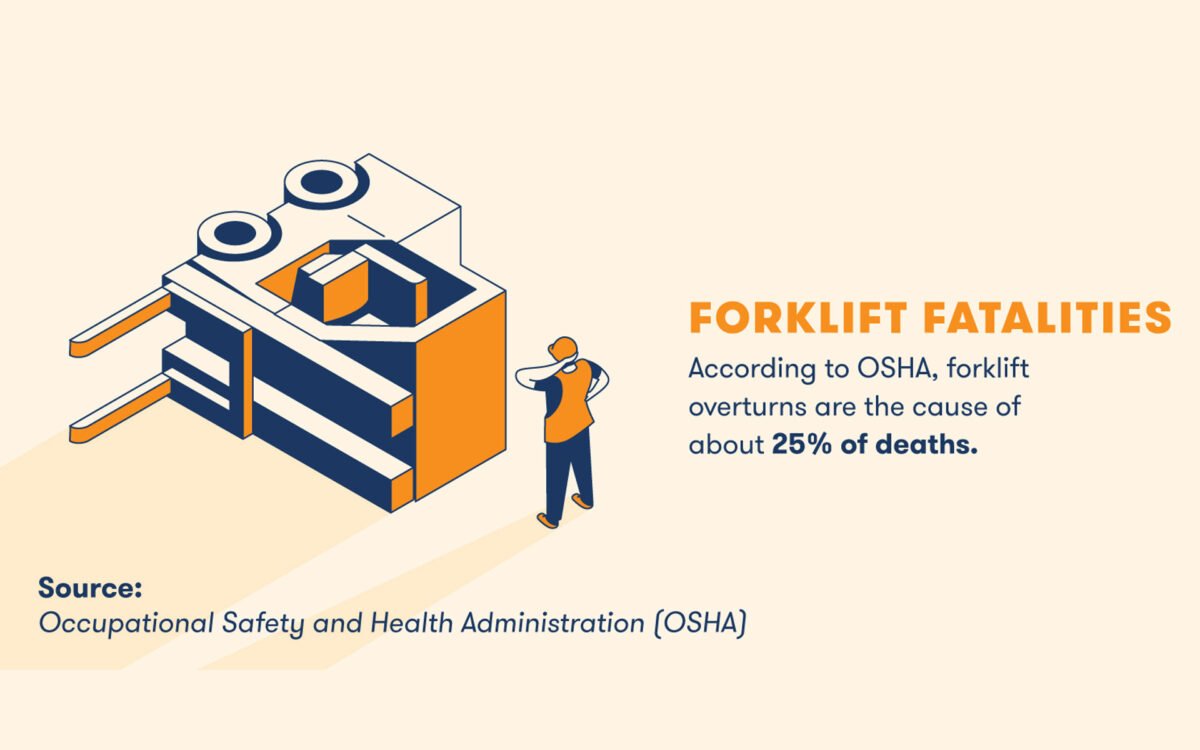
Forklift Accident Statistics (OSHA Data, Injuries & Fatalities)
Forklifts are among the more dangerous pieces of equipment in warehouses, factories, and construction sites. This page collects the most widely cited US figures, explains why they differ, and summarizes what the data says about causes and prevention.
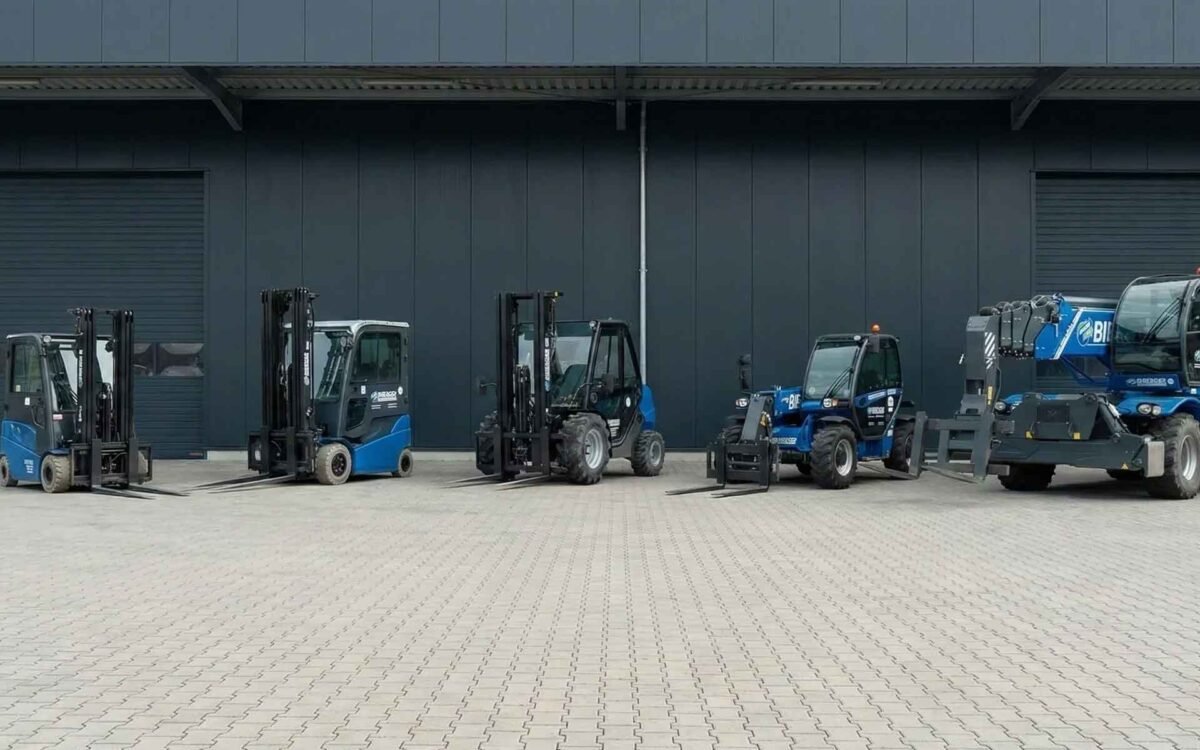
What Is Another Name for a Forklift? (Quick Answer + Full List)
Quick Answer:Another name for a forklift is a lift truck, fork truck, or Powered Industrial Truck.👉 These terms are often used interchangeably, but their usage may vary by industry, region, and context.
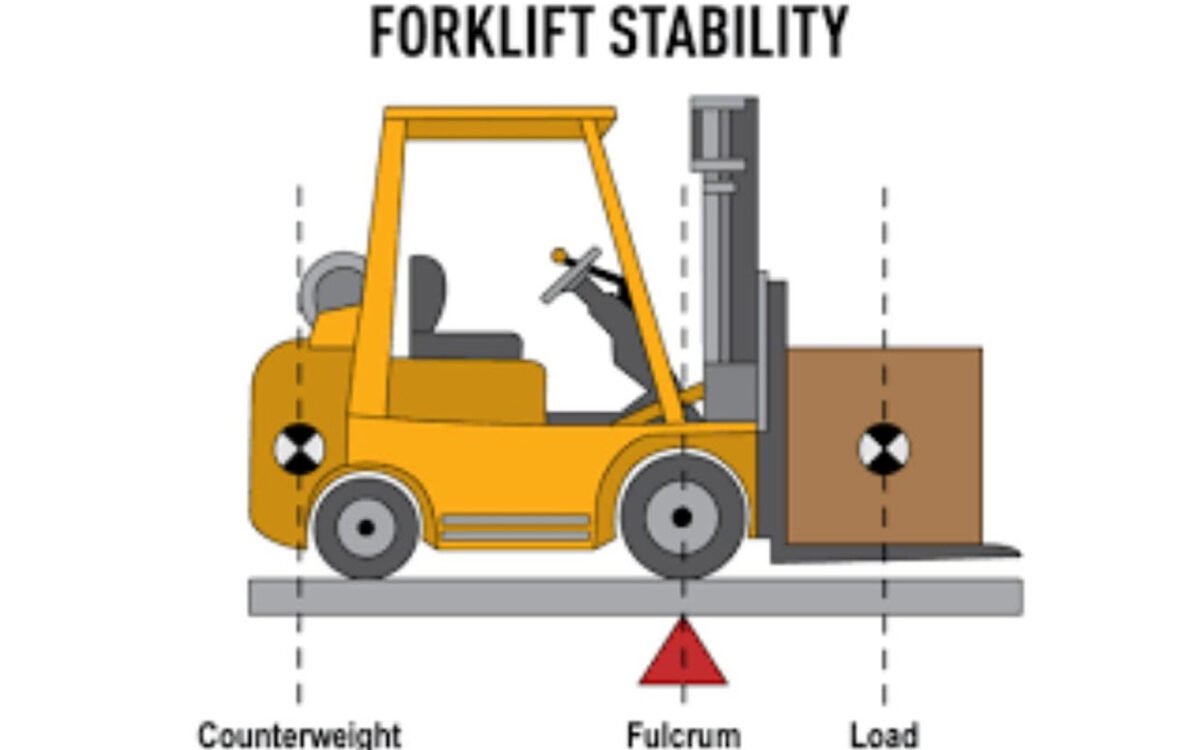
What Forklift Component Keeps the Load from Falling? (Safety Systems Explained)
Several forklift components work together to keep a load from falling, including the forks, load backrest, mast tilt system, and hydraulic controls.👉 It is not just one part—but a combination of design and operation that ensures load stability.
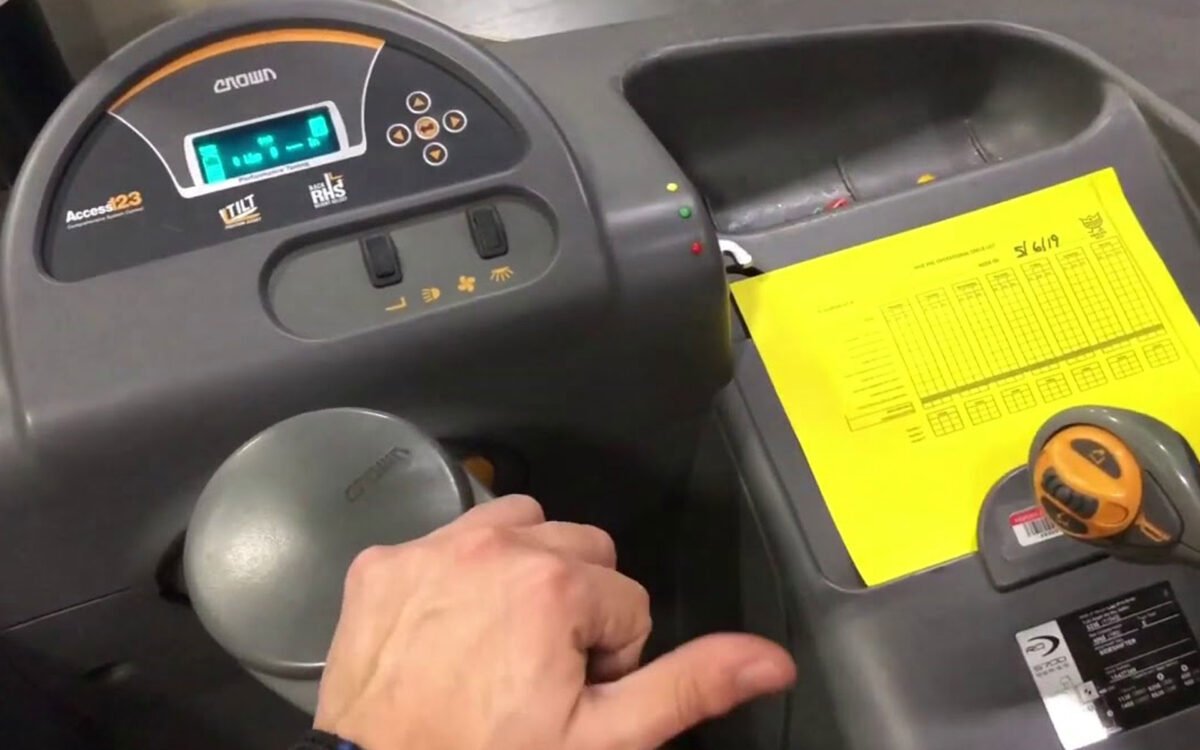
How to Operate a Reach Truck (Step-by-Step Guide for Beginners)
Operating a reach truck requires proper training, safety awareness, and a clear understanding of how the machine works—especially in narrow aisles and high racking environments.Quick answer:To operate a reach truck safely, you should:Perform a pre-operation inspection Start the truck and adjust controls Position the forks correctly Lift and move the load carefully Stack or retrieve pallets at height👉 Below is a detailed step-by-step guide.
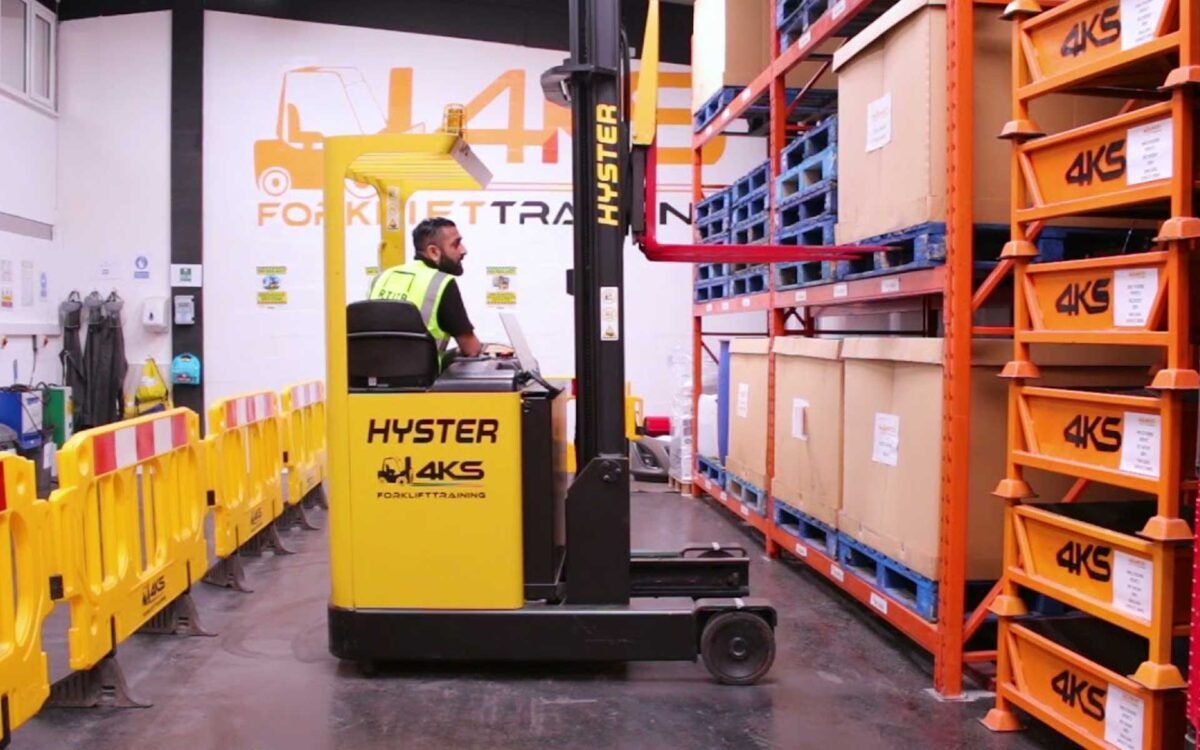
Reach Truck Operator Guide: Duties, Skills, Experience & How to Operate Safely
A reach truck operator is responsible for handling materials in warehouses using a reach truck—a specialized forklift designed for narrow aisles and high stacking.While operating a reach truck requires skill and training, choosing the right equipment is just as important for safety and efficiency.
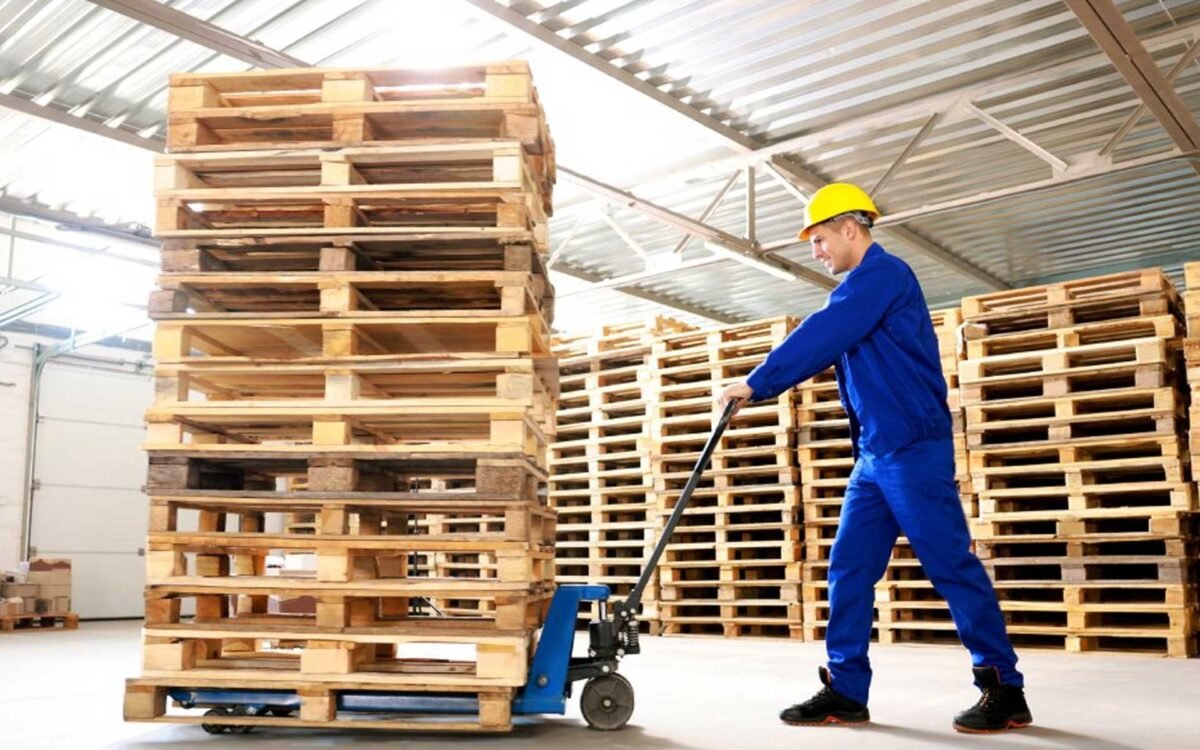
How to Move a Pallet Without a Forklift or Pallet Jack (Safe Methods for Heavy Loads)
Moving a pallet without a forklift or pallet jack may seem difficult—but with the right techniques, it can be done safely and efficiently, even for heavy loads.Quick answer:You can move a pallet without a forklift or pallet jack by using:Rollers or pipes A lever and fulcrum Straps or dragging methods Dollies or carts Breaking down the load👉 The best method depends on the weight of the pallet, distance, and working environment.
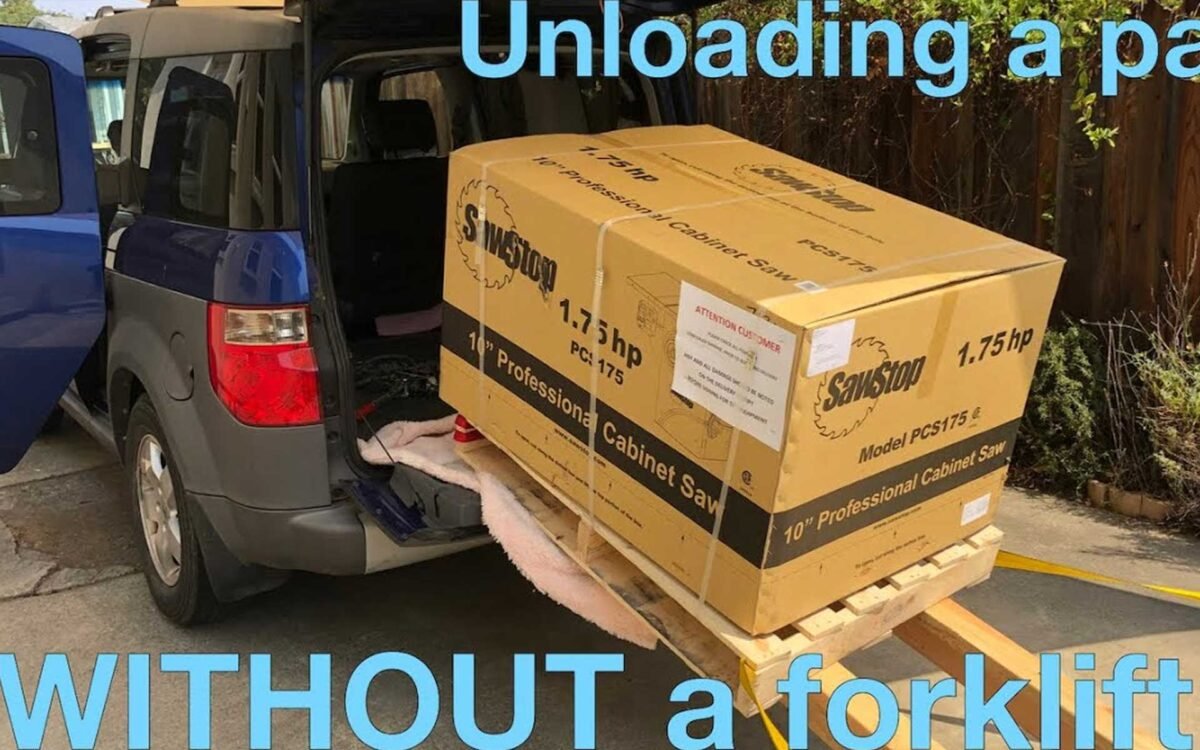
How to Unload a Pallet Without a Forklift (Truck, Ramp & No Dock Methods)
Unloading a pallet without a forklift can be challenging, but it is possible with the right tools, methods, and safety precautions.This guide explains practical ways to unload pallets from trucks, containers, or elevated platforms—even if you don’t have access to heavy equipment.
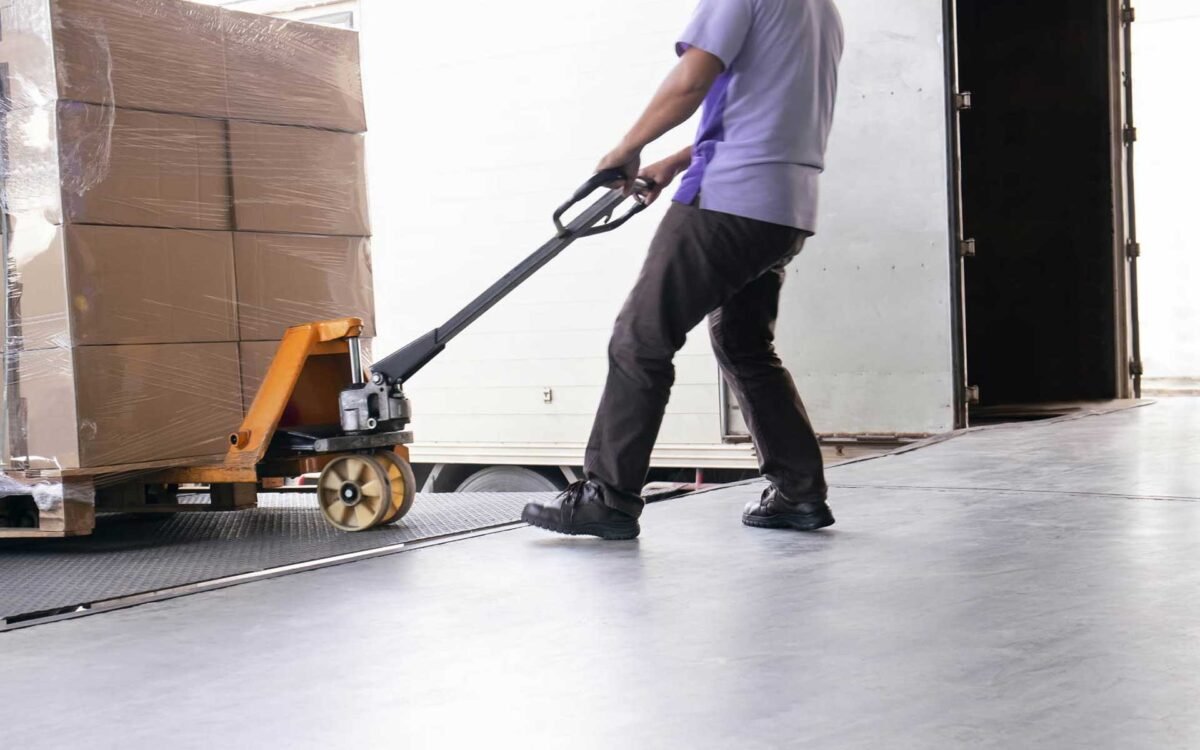
How to Move or Lift a Pallet Without a Forklift (Safe & Practical Methods)
If you don’t have access to a forklift, there are still several safe and effective ways to lift, move, or unload a pallet using manual tools or simple techniques.Quick answer:You can move or lift a pallet without a forklift by using:A pallet jack Rollers or pipes A lever and fulcrum method Manual lifting (for light loads)👉 The best method depends on the weight of the pallet and your working environment.
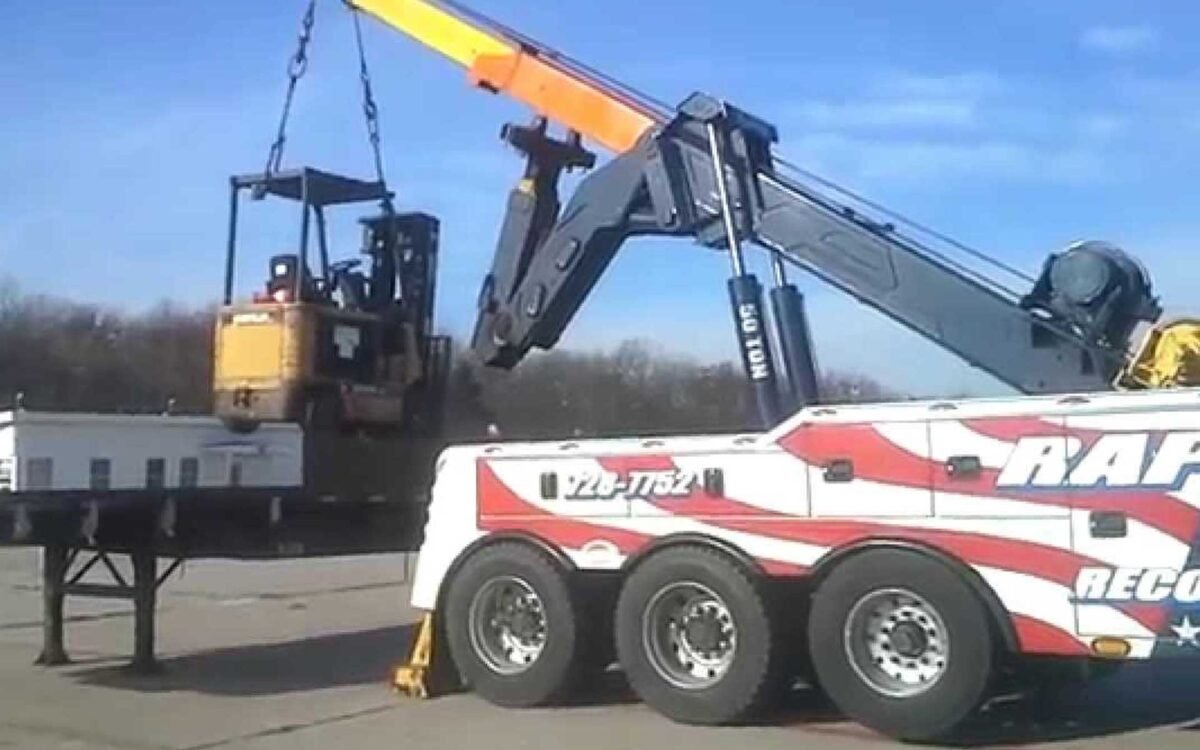
How to Lift a Forklift with a Crane (Safety Guidelines & Best Practices)
Lifting a forklift with a crane is a specialized operation that must be performed using proper lifting equipment, correct lifting points, and trained personnel.While it is technically possible, this task involves significant safety risks and should always follow industry standards such as those recommended by the Occupational Safety and Health Administration (OSHA).
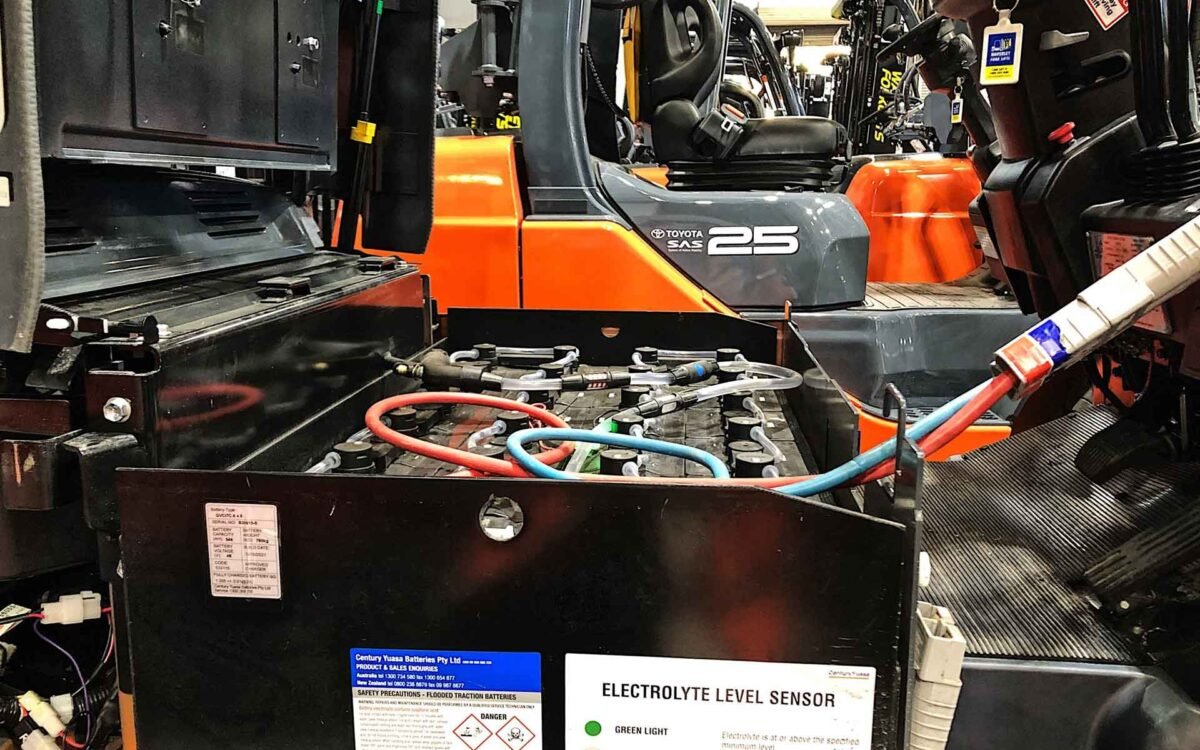
Where Is the Battery on a Forklift? (Location by Type Explained)
The battery on a forklift is typically located in the rear section of the vehicle, underneath the operator’s seat or inside a dedicated battery compartment.However, the exact location depends on the type of forklift, especially whether it is electric or internal combustion (IC).
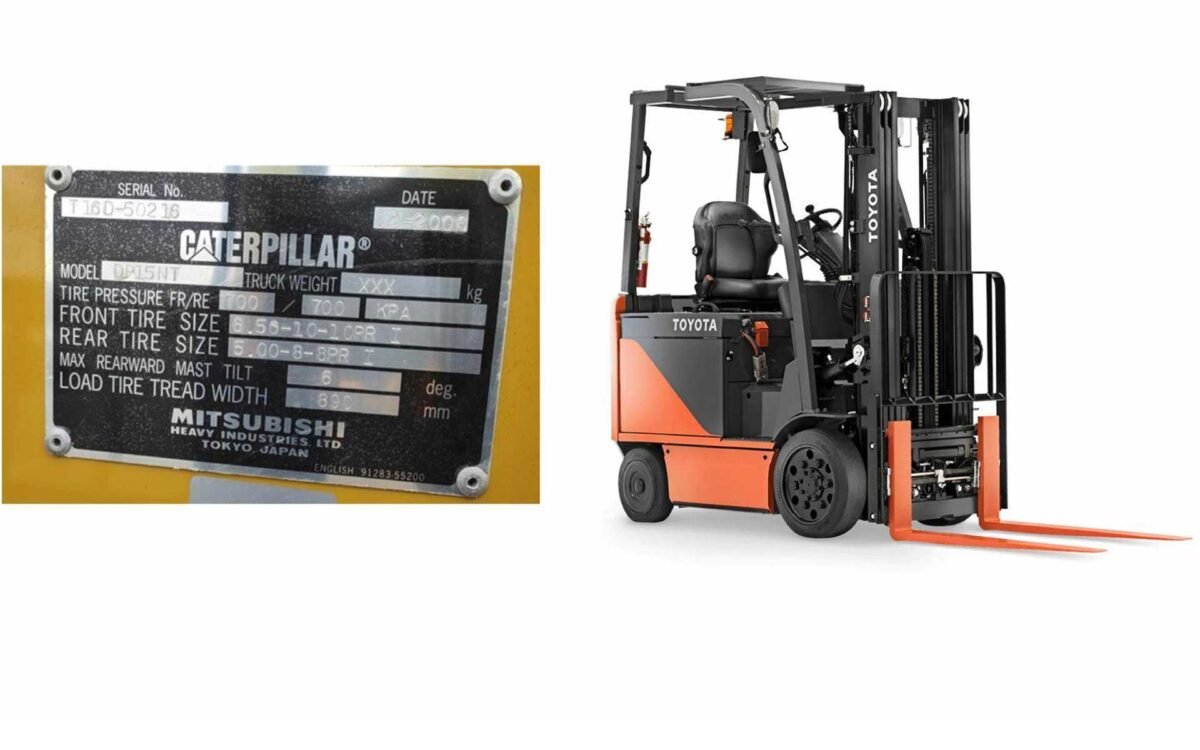
How Do I Find Out What Year My Forklift Is?
If you're wondering how to find out what year your forklift is, the answer usually comes down to locating the serial number and checking the manufacturer’s records or identification plate.Knowing your forklift’s year of manufacture is important for maintenance, parts replacement, resale value, and compliance.
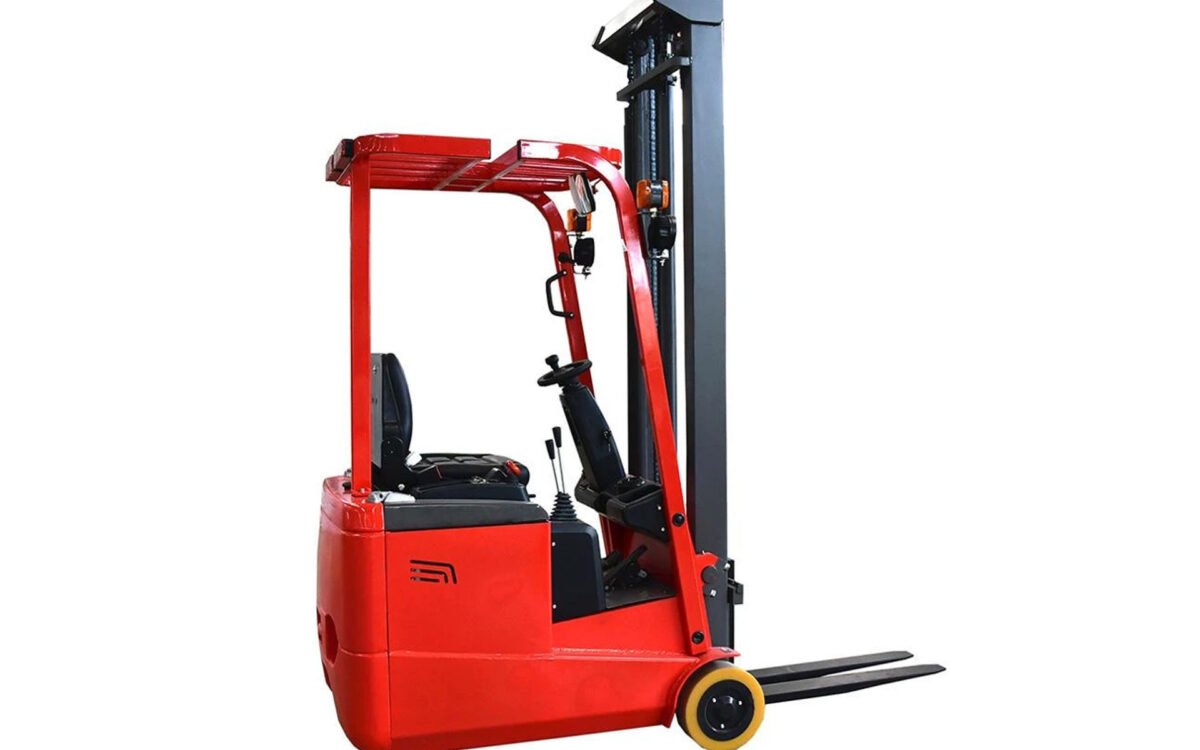
What Is the Smallest Forklift? (Compact Forklift Types & Uses Explained)
The smallest forklift is typically a compact or lightweight material handling machine designed to operate in tight spaces, narrow aisles, and confined environments where larger forklifts cannot fit.These forklifts usually have a lower load capacity (500 kg to 2 tons) and are commonly used in warehouses, retail stores, and small storage facilities.
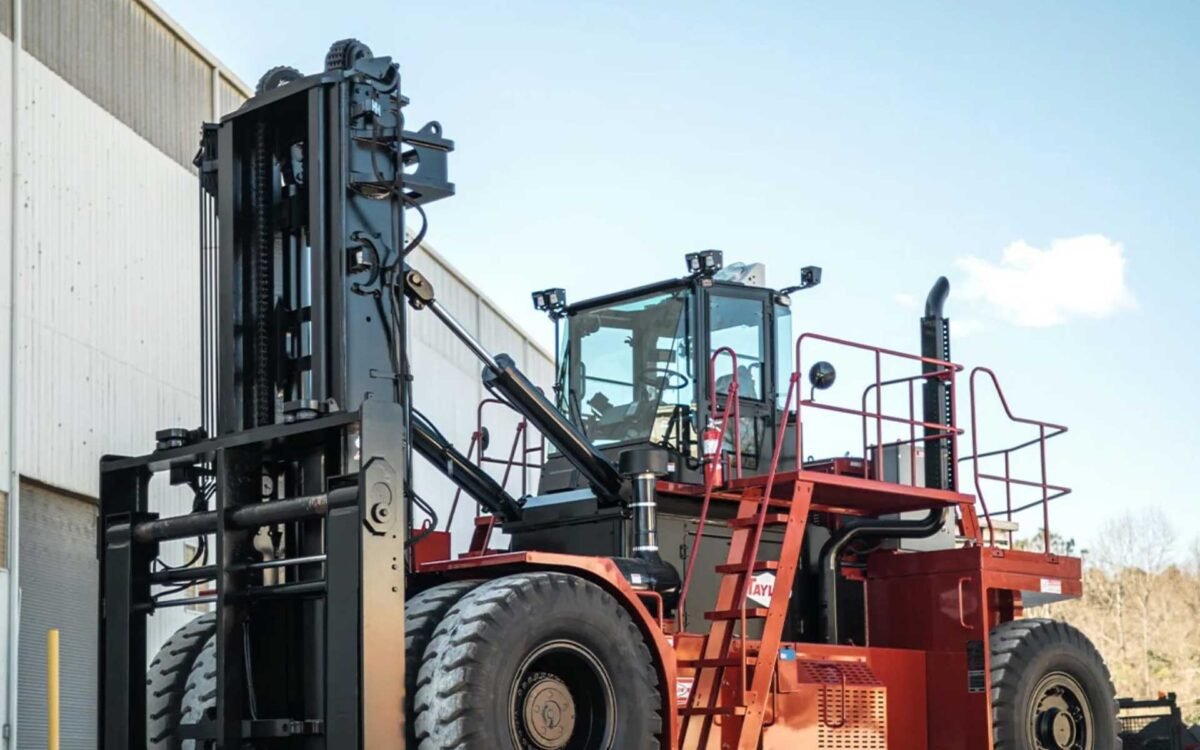
What Is the Biggest Forklift? (Capacity, Types & Real-World Examples)
The biggest production forklift is rated 85 metric tons (the Kalmar DCG850-12LB, a Guinness World Record holder). Figures of 100 tons or more usually refer to one-off custom machines or different equipment, such as port container handlers.
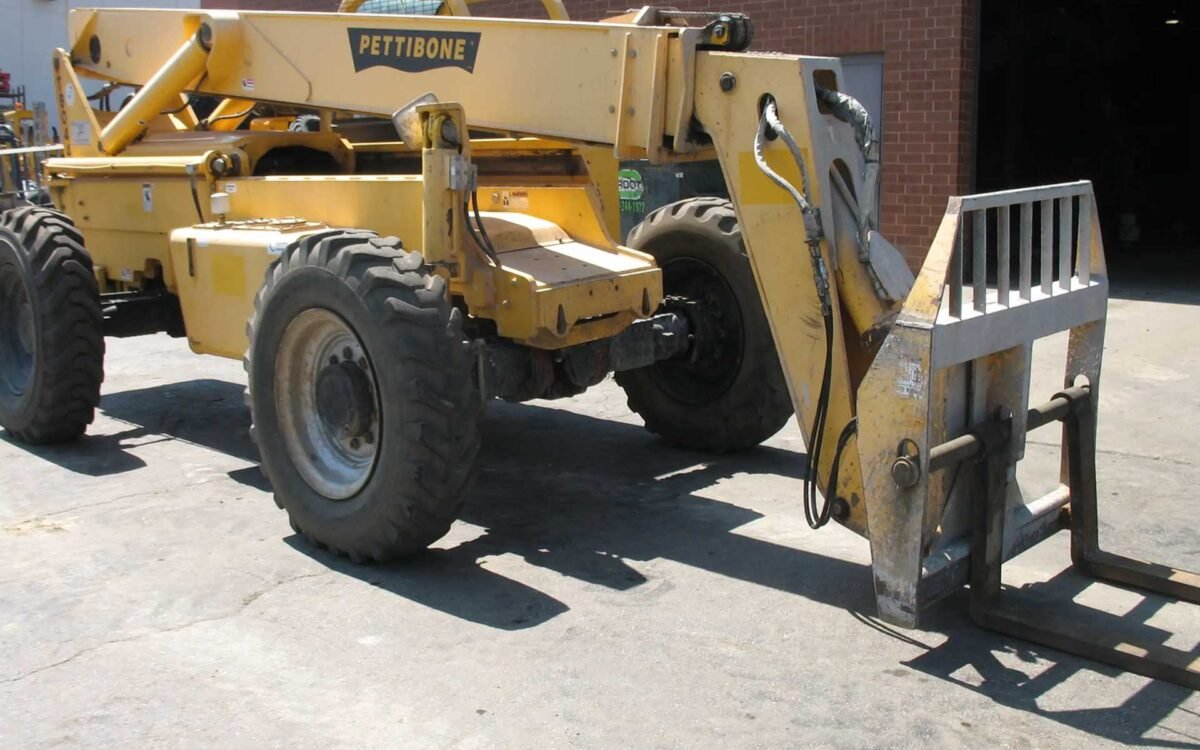
What Is a Pettibone Forklift? (Rough Terrain & Telehandler Guide)
A “Pettibone forklift” is a term often used to describe heavy-duty material handling equipment such as rough terrain forklifts and telehandlers, designed for outdoor and industrial applications.Originally associated with the brand Pettibone, the term is sometimes used more broadly in the industry to refer to rugged lifting machines built for challenging environments.These machines are commonly found in construction, agriculture, and industrial yards where standard forklifts cannot operate ef ...
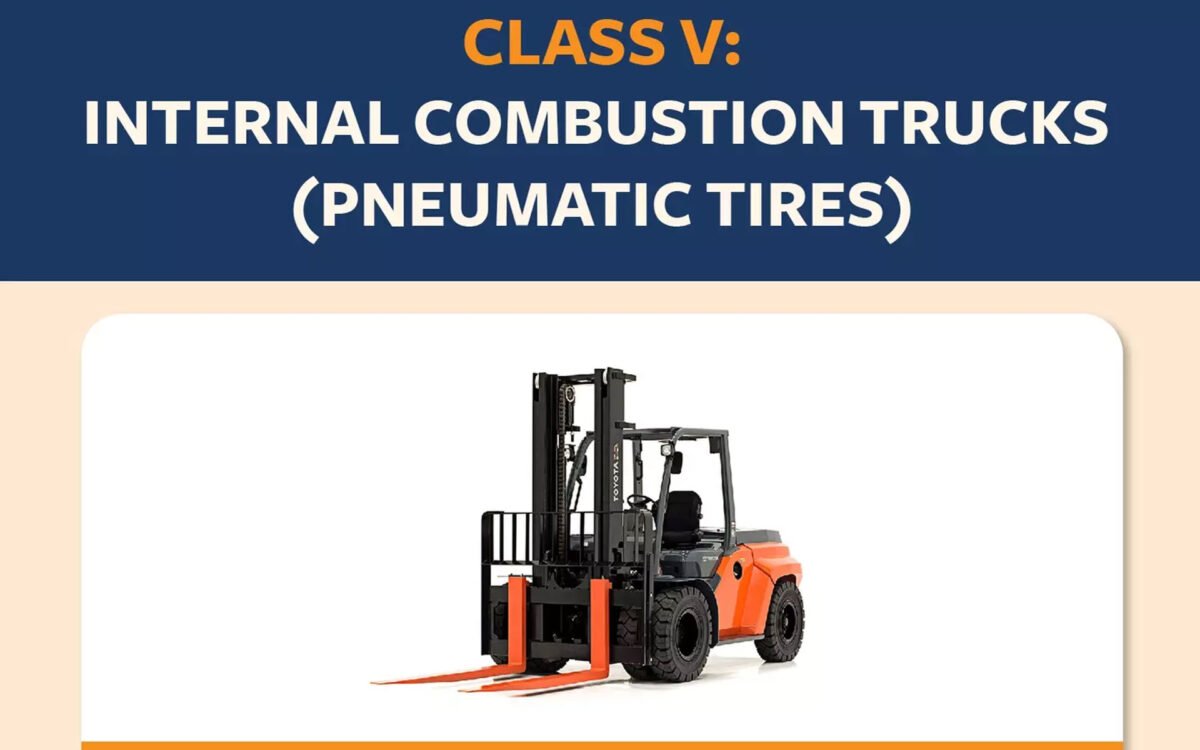
What Is a Class 5 Forklift? (Pneumatic Tire Forklift Explained)
A Class 5 forklift is a type of internal combustion (IC) forklift equipped with pneumatic tires, designed for heavy-duty outdoor and indoor applications.According to the classification system defined by the Occupational Safety and Health Administration (OSHA), Class 5 forklifts are known for their power, durability, and ability to operate on rough or uneven surfaces, making them one of the most widely used forklift types in industrial and outdoor environments.
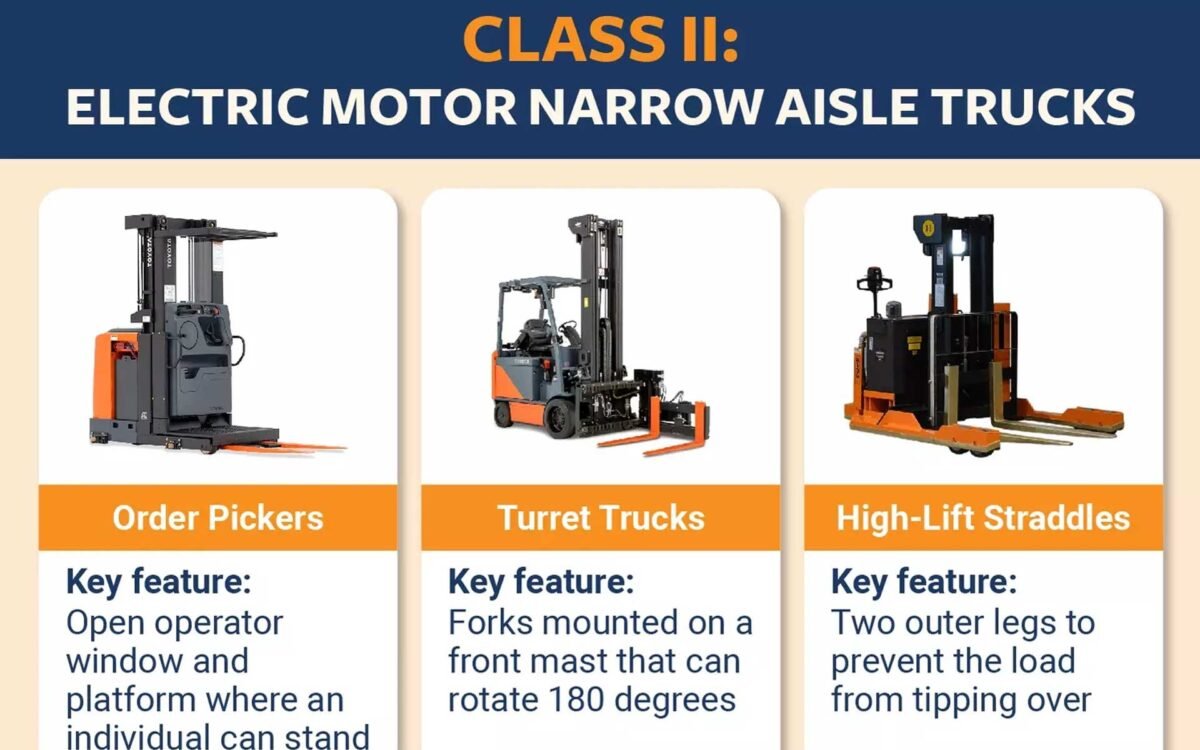
What Is a Class 2 Forklift? (Narrow Aisle Forklift Explained)
A Class 2 forklift is a category of electric-powered narrow aisle forklifts, designed to operate in tight warehouse spaces with high racking systems.According to the classification system defined by the Occupational Safety and Health Administration (OSHA), Class 2 forklifts are built to maximize storage efficiency by allowing operations in narrower aisles than standard forklifts.
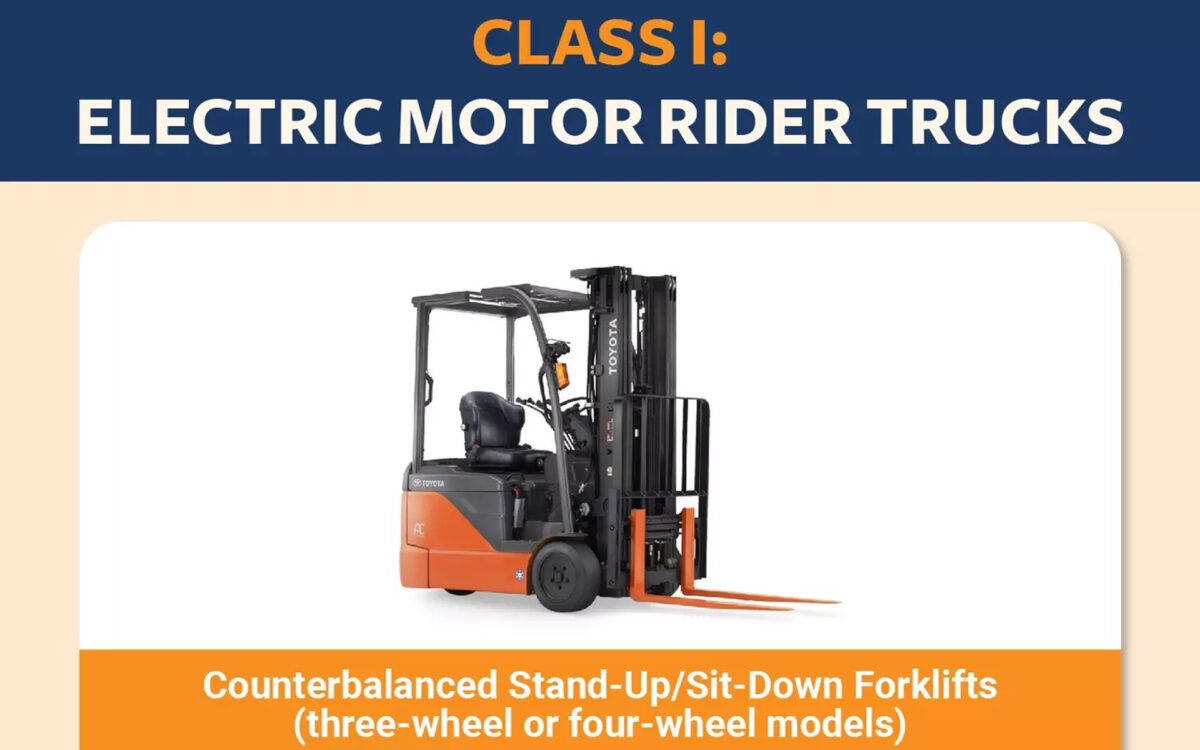
What Is a Class 1 Forklift? (Electric Forklift Explained)
A Class 1 forklift is a type of electric motor rider truck, designed for indoor material handling, warehouse operations, and pallet stacking.According to the classification system defined by the Occupational Safety and Health Administration (OSHA), Class 1 forklifts are powered by electric batteries and are commonly used in environments where low emissions, quiet operation, and efficiency are essential.
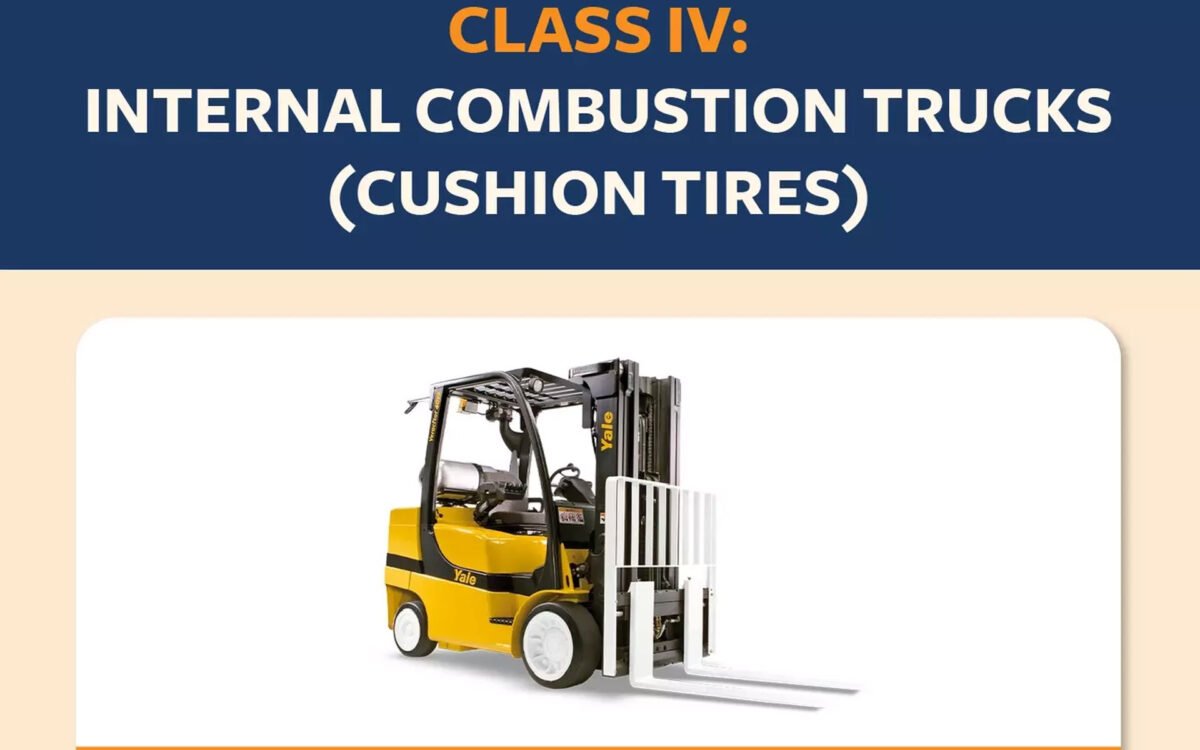
What Is a Class 4 Forklift? (Cushion Tire Forklift Explained)
A Class 4 forklift is a type of internal combustion (IC) forklift equipped with cushion tires, designed primarily for indoor use on smooth surfaces.According to the classification system defined by the Occupational Safety and Health Administration (OSHA), Class 4 forklifts are known for their strong lifting power, compact design, and ability to operate efficiently in confined indoor environments.
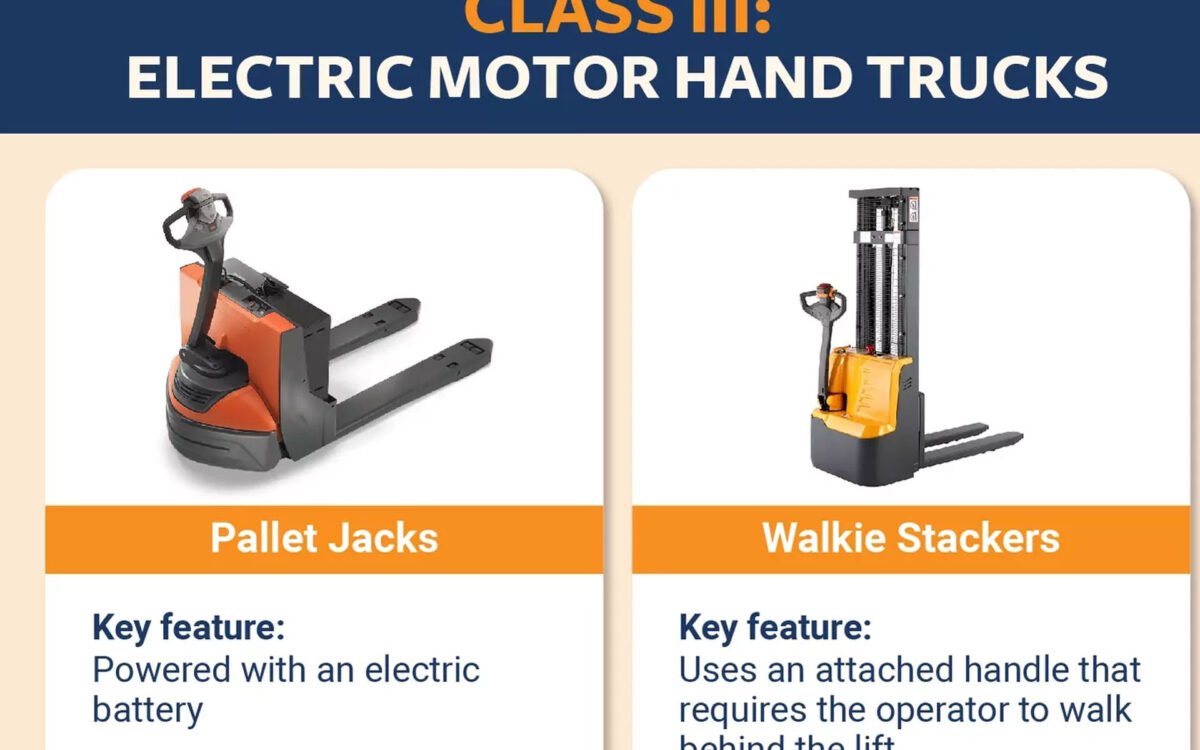
What Is a Class 3 Forklift? (Types, Uses & Key Features)
A Class 3 forklift refers to a category of electric-powered hand trucks, commonly known as walkie forklifts or pallet jacks, designed for short-distance material handling in warehouses and retail environments.According to the classification system defined by the Occupational Safety and Health Administration (OSHA), Class 3 forklifts are distinct from other types because they are operator-controlled on foot rather than seated.
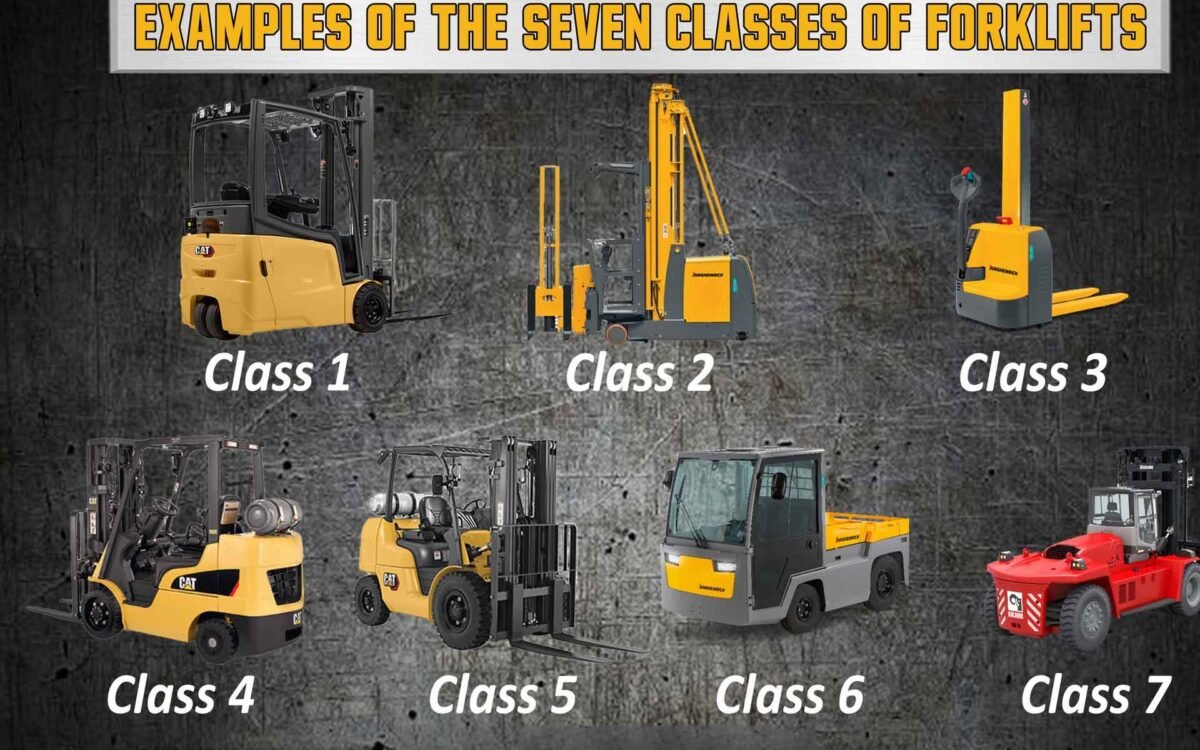
Forklift Classes Explained: Class 1–7 Forklift Types and Uses
Forklifts are categorized into different classes based on their power source, design, and intended use. Understanding these classifications is essential for choosing the right equipment, improving operational efficiency, and ensuring workplace safety.In the United States, forklift classifications are defined by the Occupational Safety and Health Administration (OSHA), which divides forklifts into seven classes (Class 1–7).This guide explains each forklift class, its features, and when to use ...
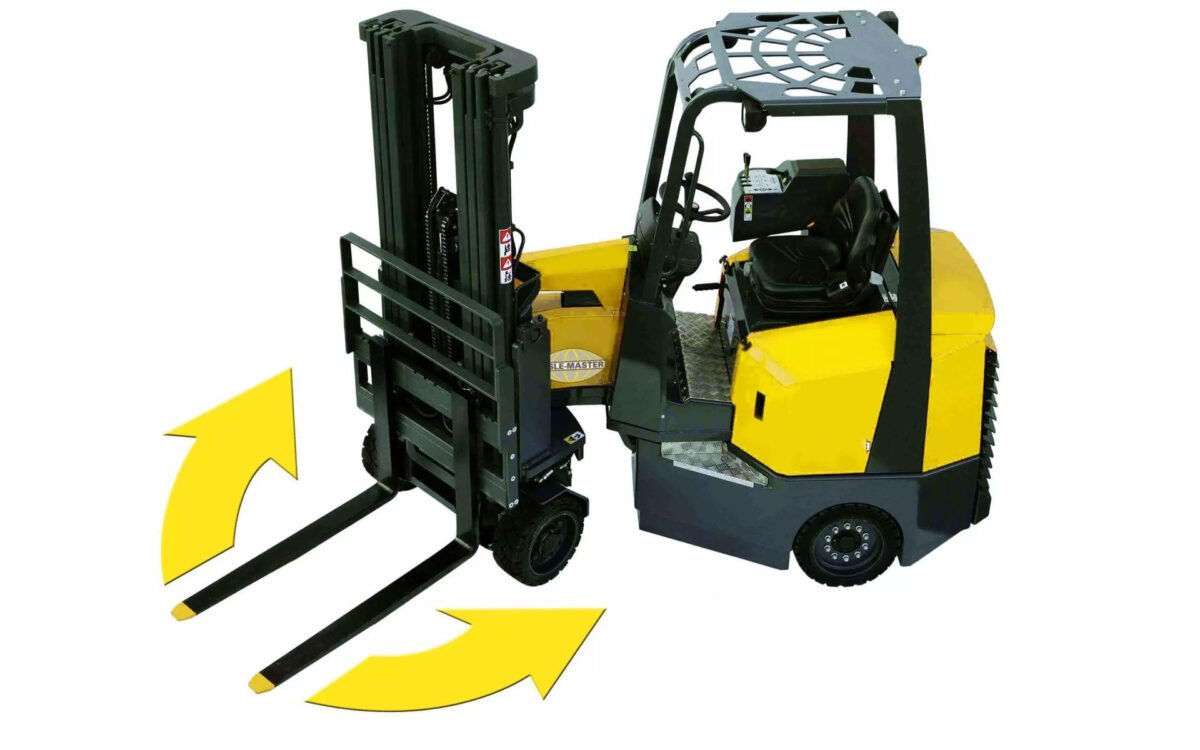
What Is a Bendi Forklift? (Articulated Forklift Explained)
A “Bendi forklift” is a term commonly used to describe an articulated forklift, a specialized type of forklift designed to operate in narrow aisles while maintaining the flexibility of a standard forklift.Originally associated with the brand Bendi, the term is now often used more broadly to refer to forklifts with a pivoting (articulating) design, allowing them to maneuver efficiently in tight warehouse spaces.
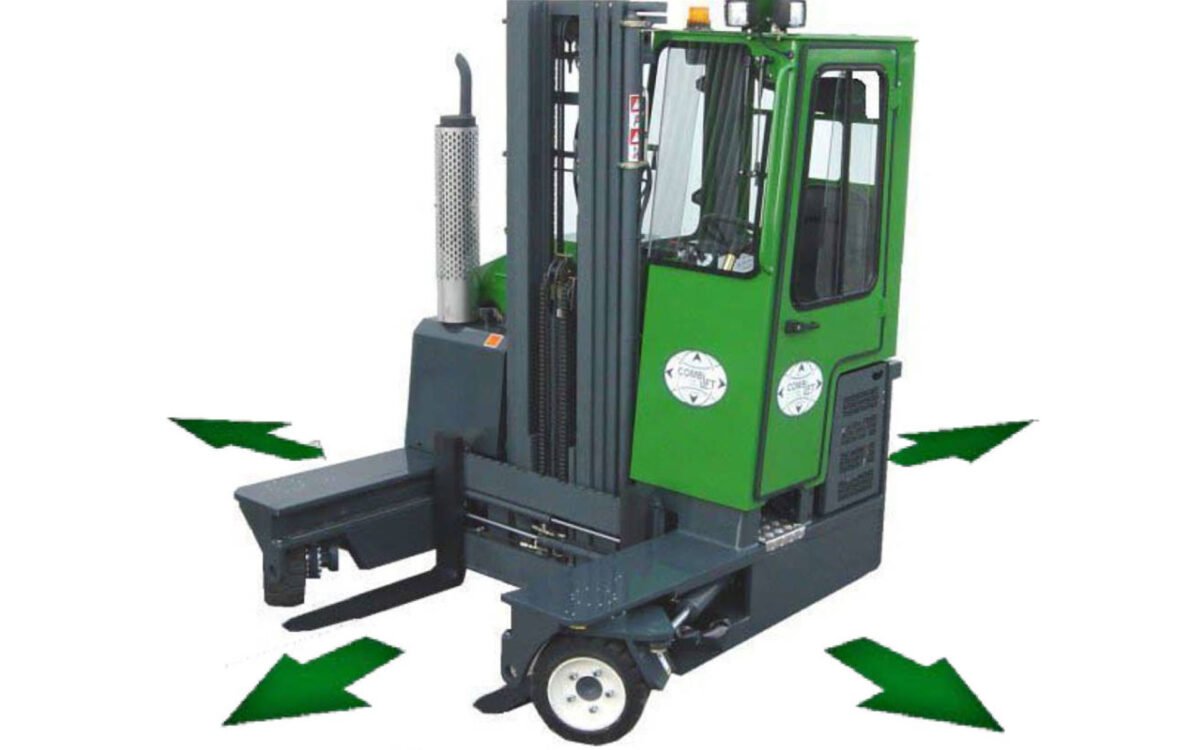
What Is a Combilift? (Multi-Directional Forklift Explained)
A “Combilift” is a brand name commonly used to describe a multi-directional forklift, a specialized type of forklift designed to handle long, bulky, and oversized loads in narrow spaces.Originally developed by Combilift, the term “Combilift” is now sometimes used more broadly in the industry to refer to forklifts with multi-directional movement capabilities.These machines are widely used in industries such as steel, timber, and construction, where handling long materials efficiently is criti ...
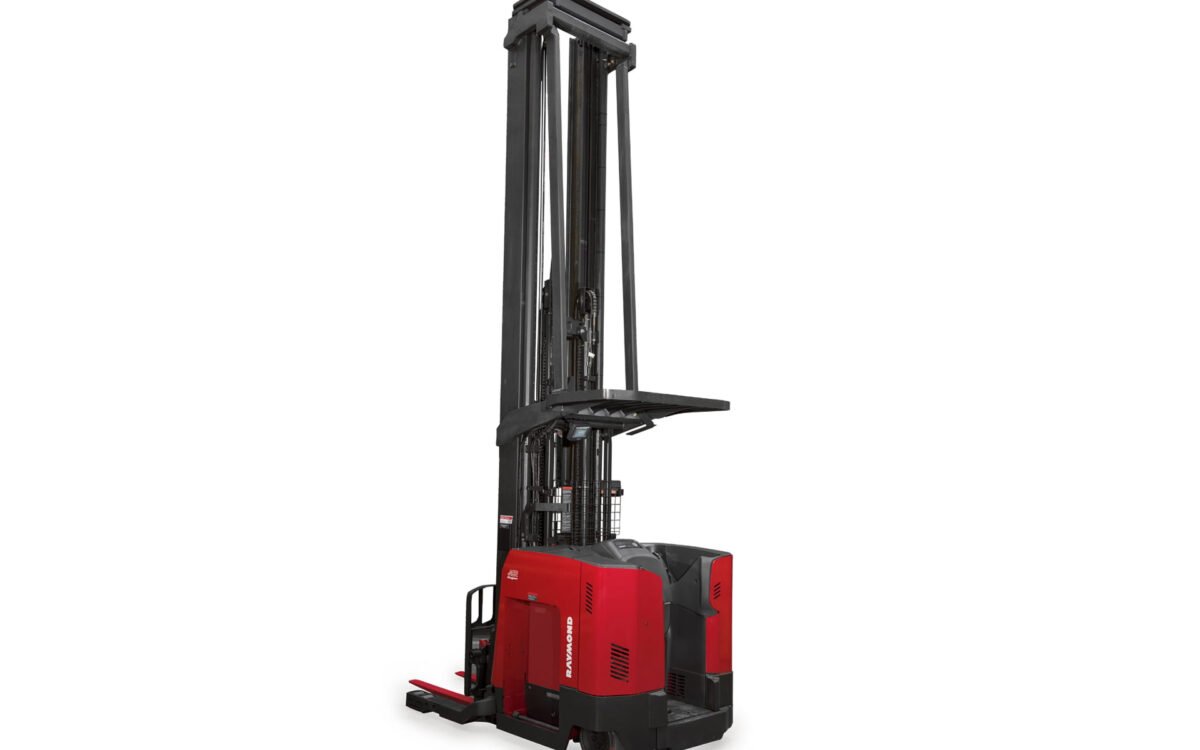
What Is a High Reach Forklift? (Types, Uses & How to Choose)
A high reach forklift is a general term used to describe forklifts that are designed to lift loads to greater heights than standard forklifts, typically in warehouses with high racking systems.Unlike standard forklifts, which are mainly used for ground-level handling, high reach forklifts are built to maximize vertical storage space and improve warehouse efficiency.This category can include several types of forklifts, such as reach trucks, turret forklifts (VNA trucks), and high-level order ...
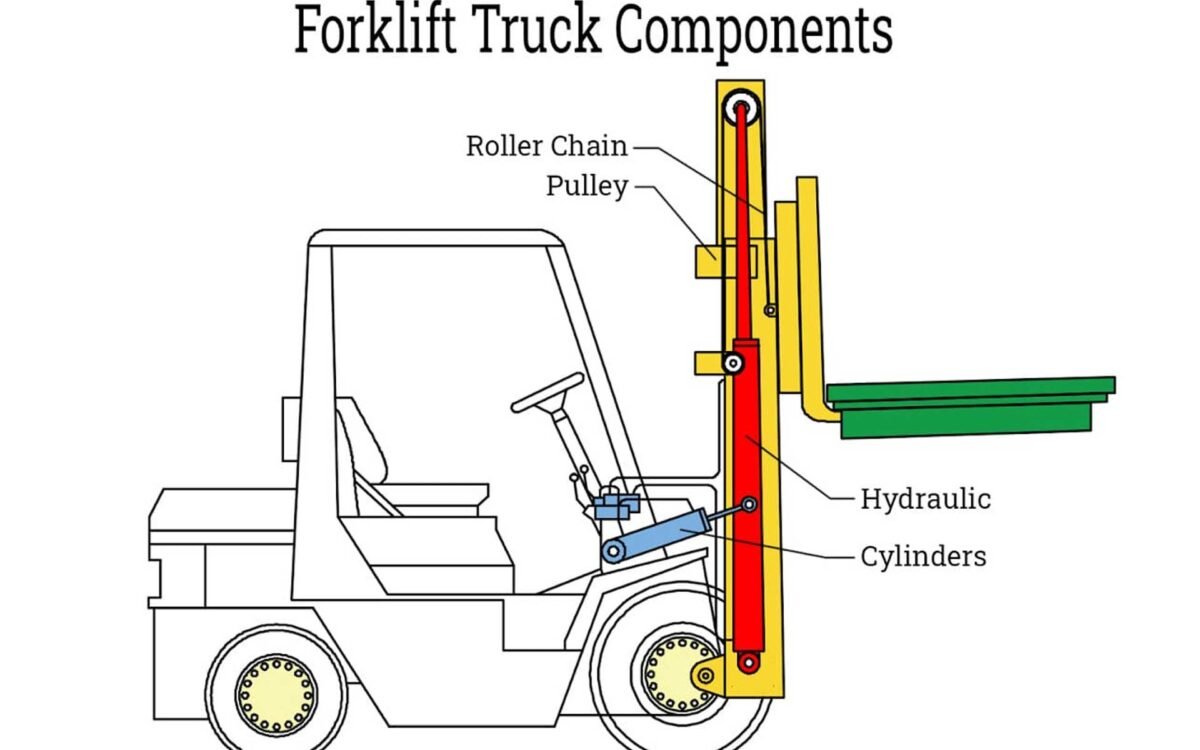
What Is Free Lift on a Forklift? (Full Free Lift Explained + Why It Matters)
Free lift on a forklift refers to the height the forks can be raised without increasing the overall height of the mast.This feature is especially important in environments with limited overhead clearance, such as shipping containers, trailers, and low-ceiling warehouses, where raising the mast could cause collisions or safety issues.Understanding free lift—and especially full free lift—is essential when choosing the right forklift for your operation.
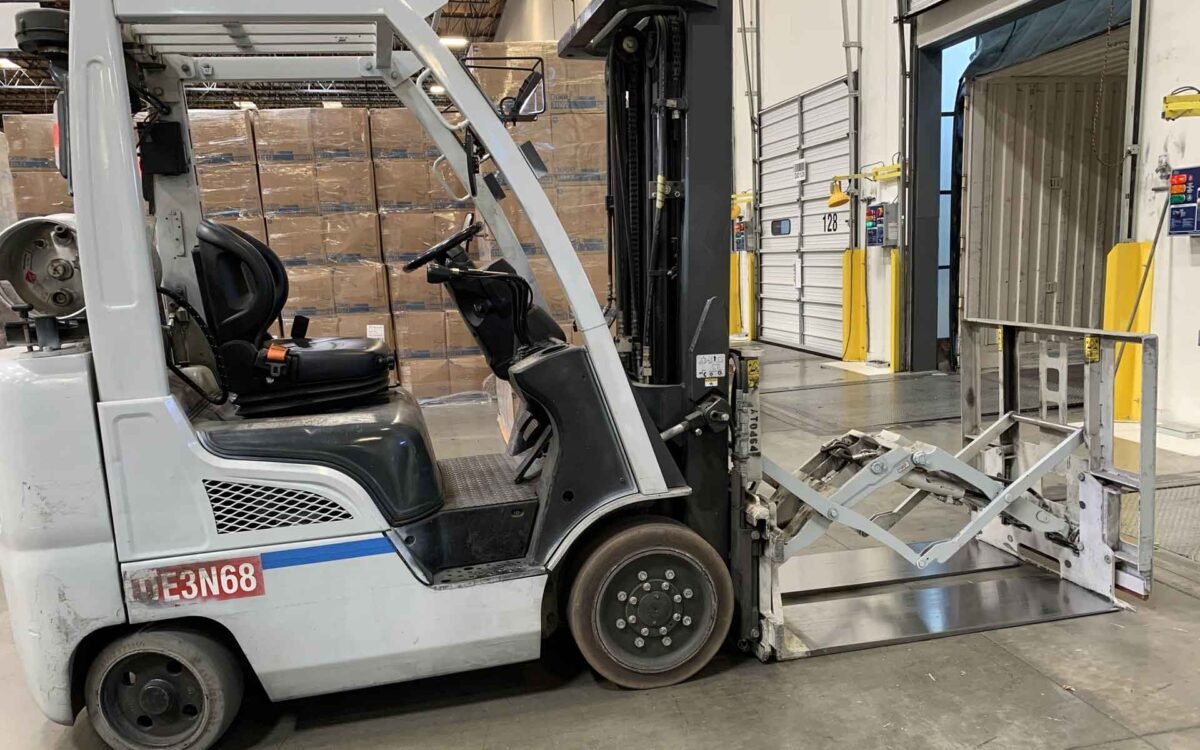
What Is a Slip Sheet Forklift? (Push-Pull System Explained + Benefits)
A slip sheet forklift, also known as a push-pull forklift, is a type of forklift equipped with a push-pull attachment that allows it to handle loads using slip sheets instead of traditional pallets.This system is widely used in logistics and warehousing to reduce pallet costs, increase shipping efficiency, and maximize container space—making it a popular solution for export-oriented businesses.
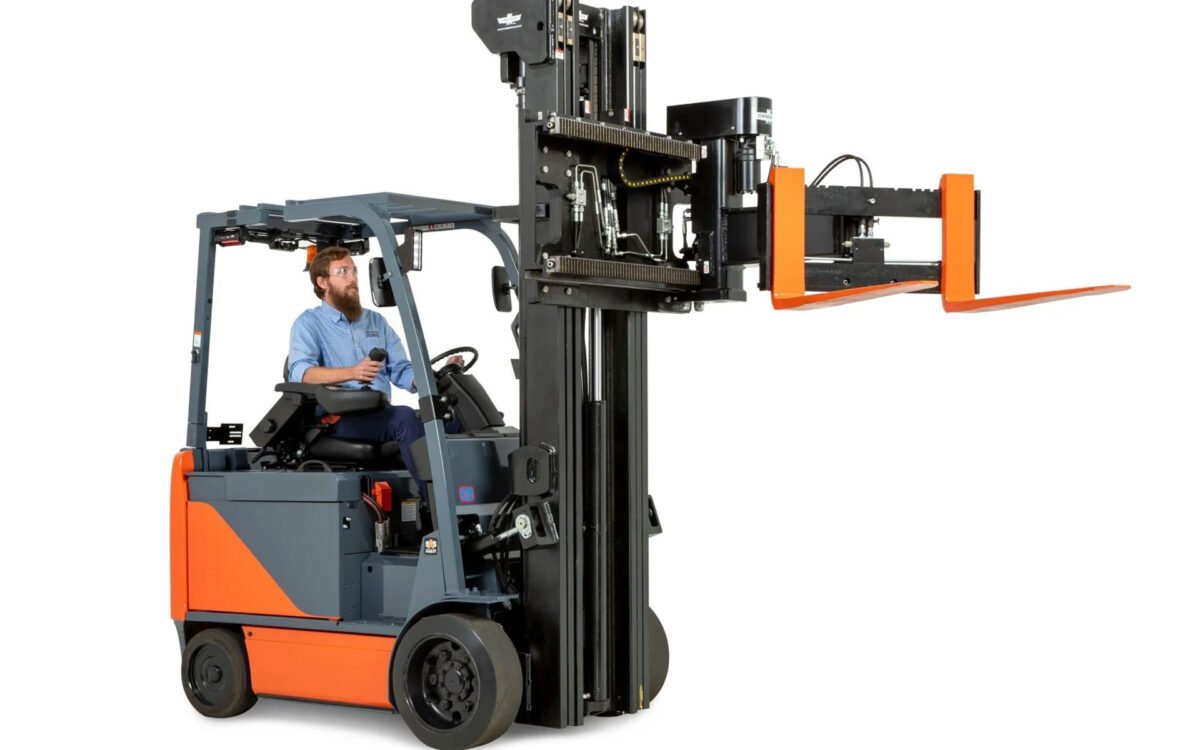
What Is a Turret Forklift? (VNA Truck Explained, Uses & Benefits)
A turret forklift, also known as a turret truck or VNA (very narrow aisle) forklift, is a specialized warehouse forklift designed to operate in extremely tight aisles while allowing its forks to rotate left and right.Unlike traditional forklifts, a turret forklift can pick and place loads without turning the entire vehicle, making it ideal for high-density storage environments where space optimization is critical.