
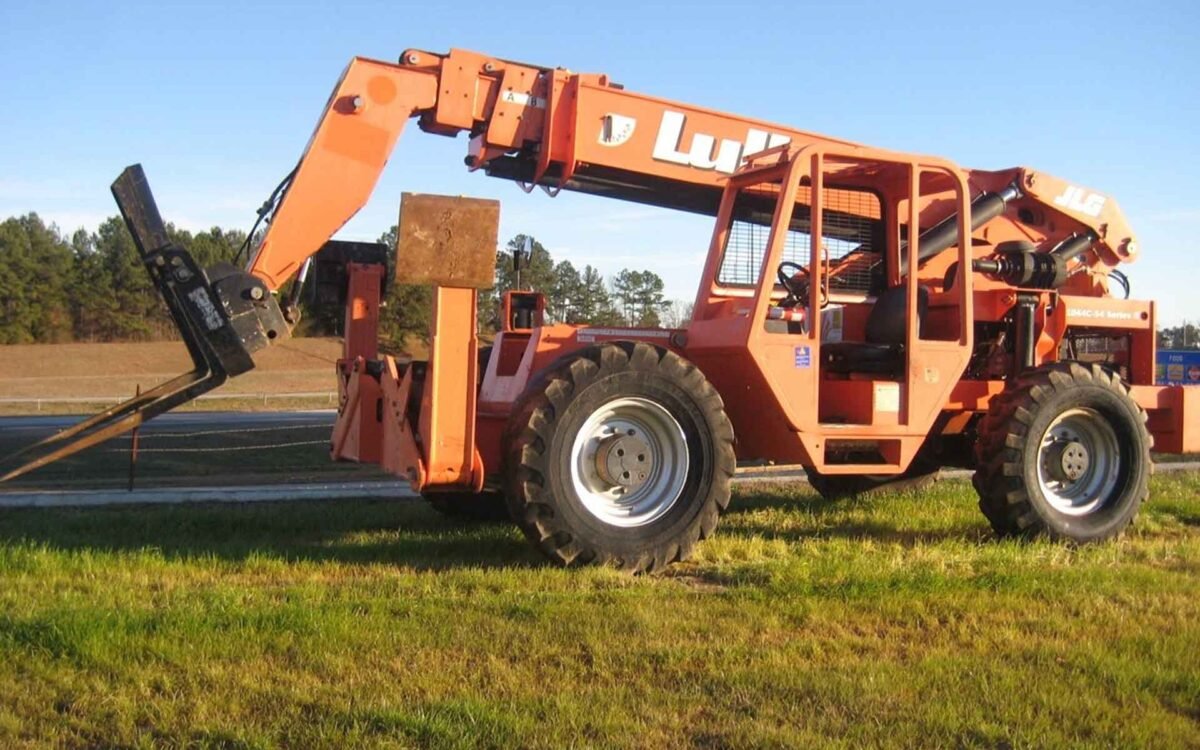
What Is a Lull Forklift (Lull Lift or Lull Machine)? A Complete Guide to Telehandlers
A lull forklift, also known as a lull lift or lull machine, is a commonly used term for a telehandler (telescopic handler)—a versatile lifting machine designed to move, lift, and place heavy materials at height and over obstacles.While “Lull” originally comes from a brand name, it is now widely used in the industry to describe telehandlers in general.Unlike standard forklifts, a telehandler is built with a telescopic boom, allowing it to extend forward and upward, making it ideal for constru ...
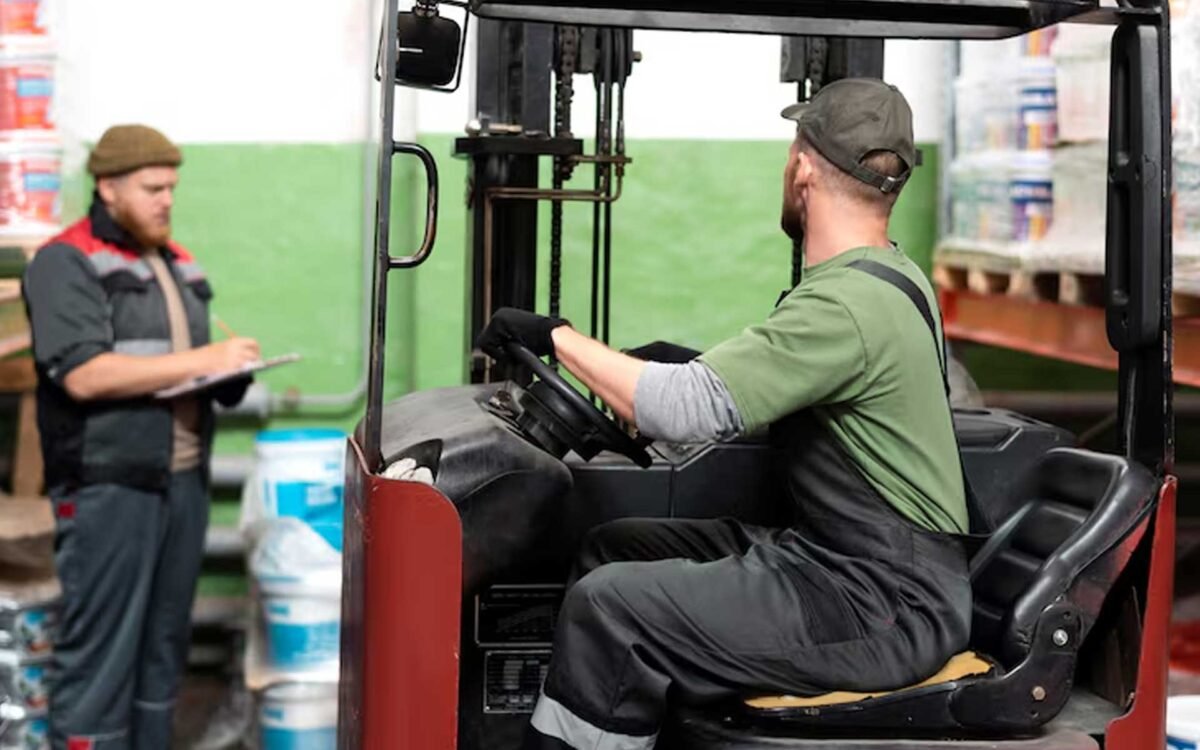
What Is Plugging on a Forklift? (How It Works, Benefits & Safety Tips)
Plugging, also known as reverse current braking, is a technique used in forklifts to slow down or stop the machine by shifting the direction of travel—without using the brake pedal.Instead of relying on traditional braking, the operator switches from forward to reverse (or vice versa), allowing the motor to generate an opposing force that quickly reduces speed.This method is widely used in warehouse operations where fast stopping and efficient maneuvering are essential.
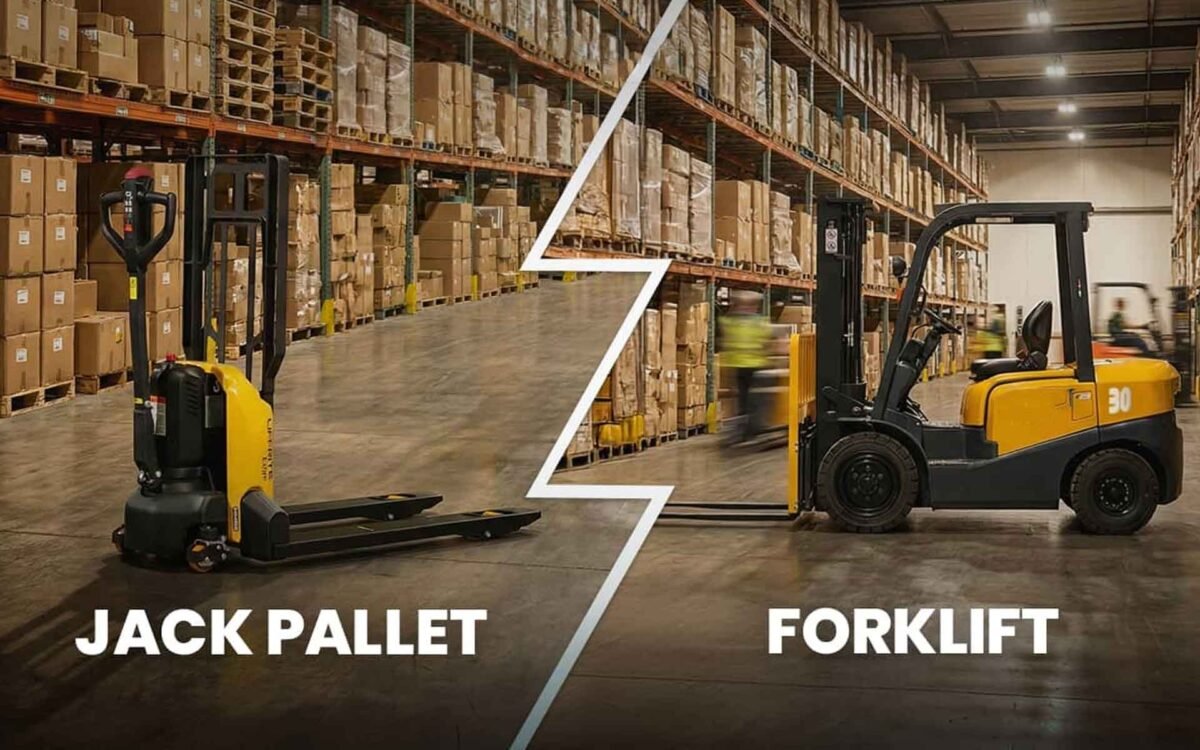
Pallet Jack vs Forklift: Which One Does Your Business Actually Need?
In the early stages of a warehouse or retail operation, every dollar counts. You know you need to move pallets, but the price gap between a Manual Pallet Jack and a Counterbalance Forklift is massive.Choosing the wrong one leads to two major risks: buying a forklift you don’t have the space to maneuver, or relying on a pallet jack that leaves your staff exhausted and your vertical warehouse space wasted. Here is the professional breakdown to help you choose the right "muscle" for your floor.
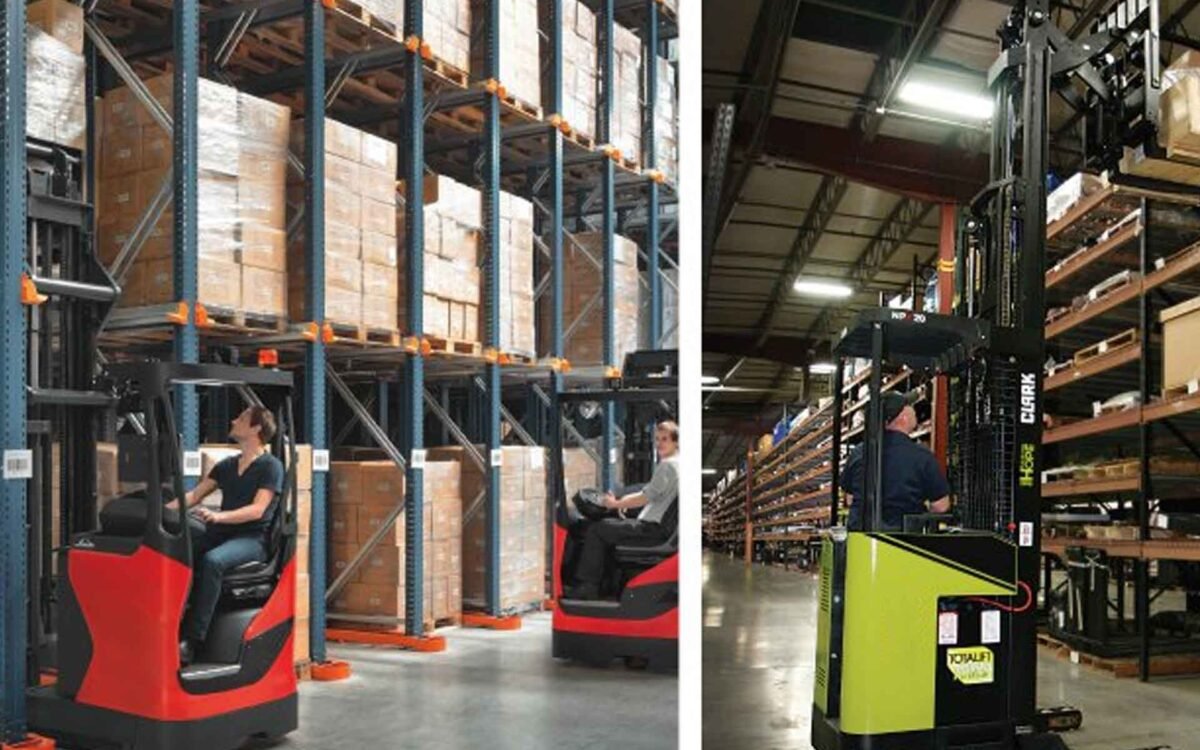
Order Picker vs Reach Truck: Which High-Bay Solution Maximizes Your ROI?
In the world of high-density warehousing, space is money. But as you expand vertically, a critical question arises: Do you need to move the pallet, or do you need to move the person?Choosing between an Order Picker and a Reach Truck isn't just a technical decision; it’s a strategic one that dictates your entire fulfillment speed. If you choose the wrong machine, you’ll find your operators spending 40% of their shift doing unnecessary "double-handling."Here is the reliable, no-nonsense guide ...
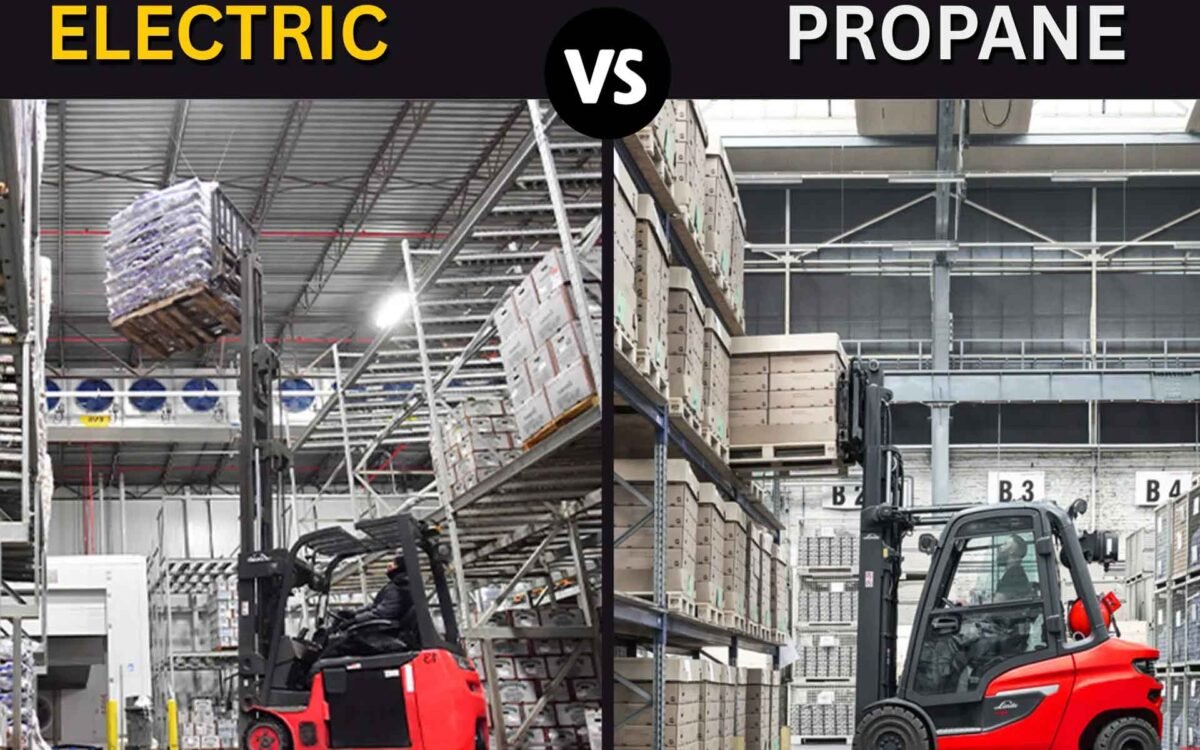
Electric vs Propane Forklifts: Real 5-Year Cost Breakdown (2026 Guide)
For a facility manager or business owner, the choice between Electric and Propane (LPG) forklifts is no longer just about the purchase price—it is a strategic decision involving infrastructure, long-term energy costs, and environmental mandates.While the industry is shifting aggressively toward electric power, propane remains the "heavyweight champion" for certain high-intensity applications. Here is a professional breakdown of how these two power sources compare in a real-world industrial env ...
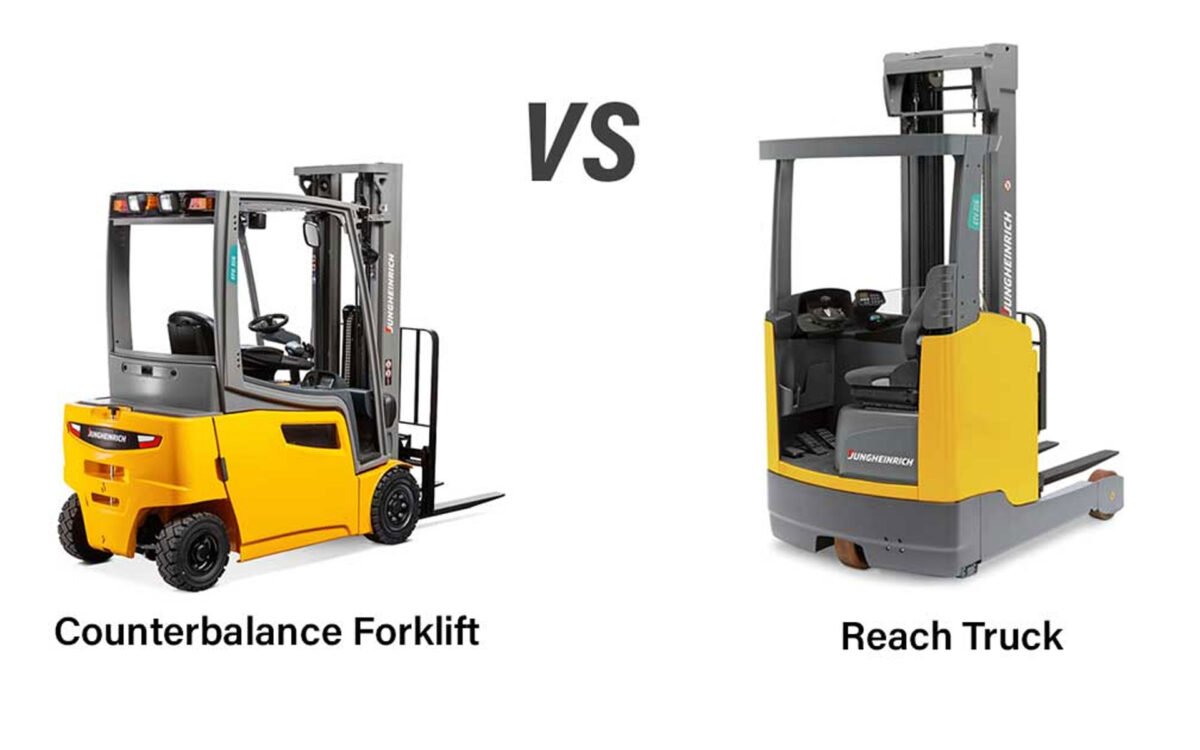
Reach Truck vs Forklift: Which One Is the Real ROI Champion for Your Warehouse?
Choosing between a Reach Truck and a Standard Counterbalance Forklift is one of the most critical decisions in warehouse planning. One is a powerhouse of versatility; the other is a specialist in space-saving efficiency. Picking the wrong one doesn't just waste money—it can cause your entire logistics workflow to grind to a halt. Here is the "no-nonsense" breakdown of the key differences and, more importantly, how to choose based on your actual operational environment.
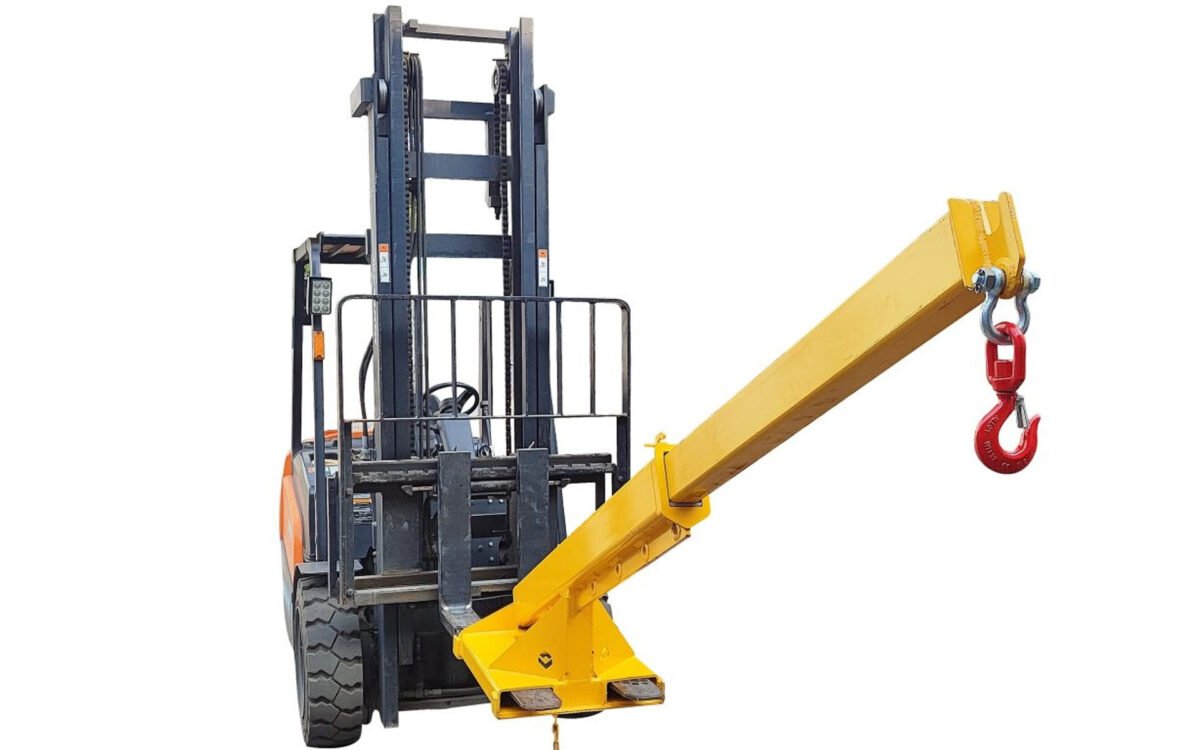
The Comprehensive Guide to Forklift Booms: Engineering, Mechanics, and Optimization
In heavy-duty material handling, a standard forklift is often limited by its own geometry. When faced with "unpalletized" loads—such as bundles of steel, industrial engines, or equipment buried deep in a 40ft container—the forks become a liability rather than an asset. This is where the Forklift Boom (also known as a Crane Jib) serves as a strategic engineering upgrade, bridging the gap between a forklift and a mobile crane.
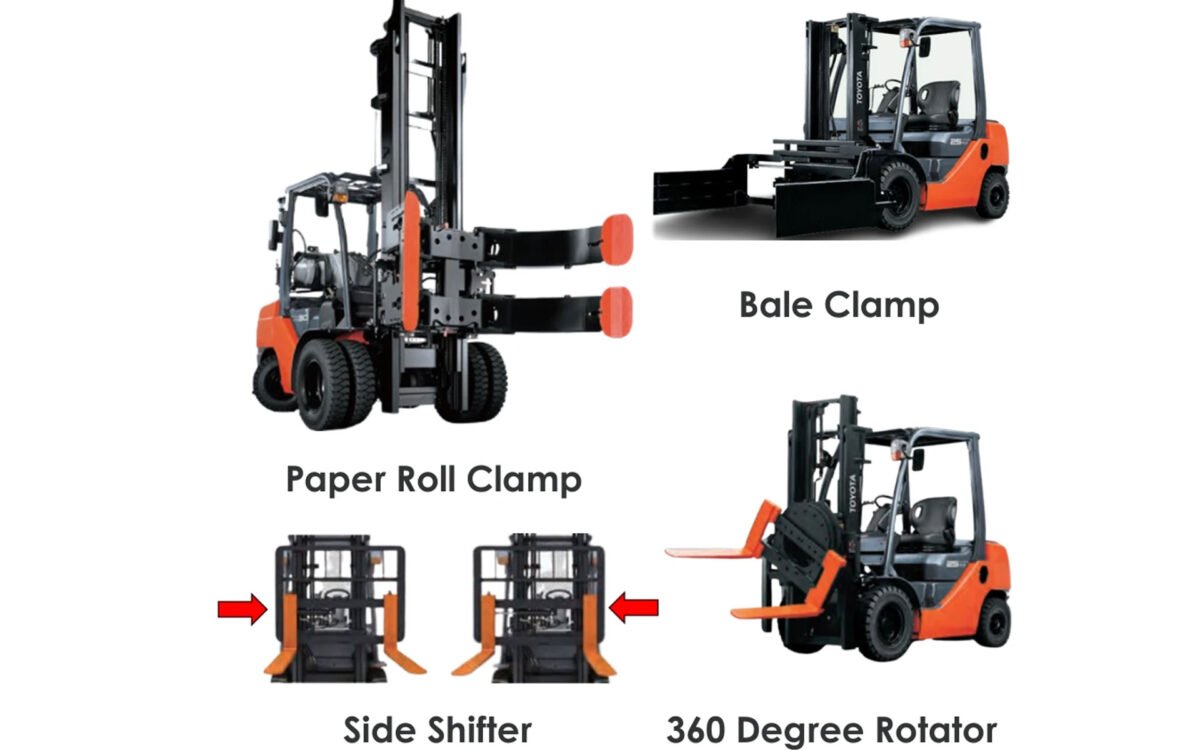
Forklift Clamp Attachment: When to Use It (Complete Guide 2026)
Forks work perfectly for pallets. But not everything comes on a pallet. Paper rolls shift and roll. Large appliances can't be safely forked from below without damage. Barrels have no flat base to stack on a standard pallet. Compressed bales of cotton or recycled material are too soft and irregular for conventional forks to handle cleanly. When your cargo doesn't fit the fork-and-pallet model, a clamp attachment is usually the answer. But "usually" isn't "always" — the wrong clamp on the wrong ca ...
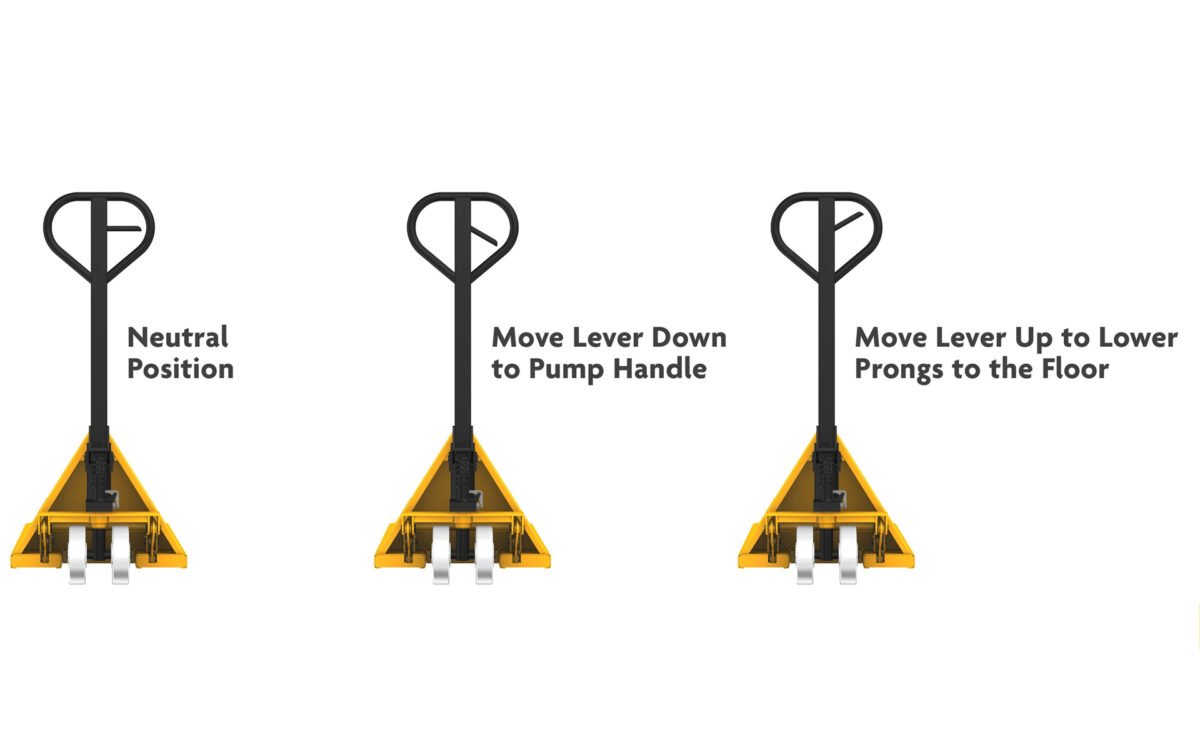
How to Use a Pump Truck: A Step-by-Step Safety Guide (With Pictures)
The pump truck (also known as a hand pallet truck) is the most common tool in any warehouse. While it looks simple, improper use can lead to back injuries, damaged goods, or toe fractures. This guide breaks down the professional way to operate a pump truck, ensuring maximum safety and efficiency.
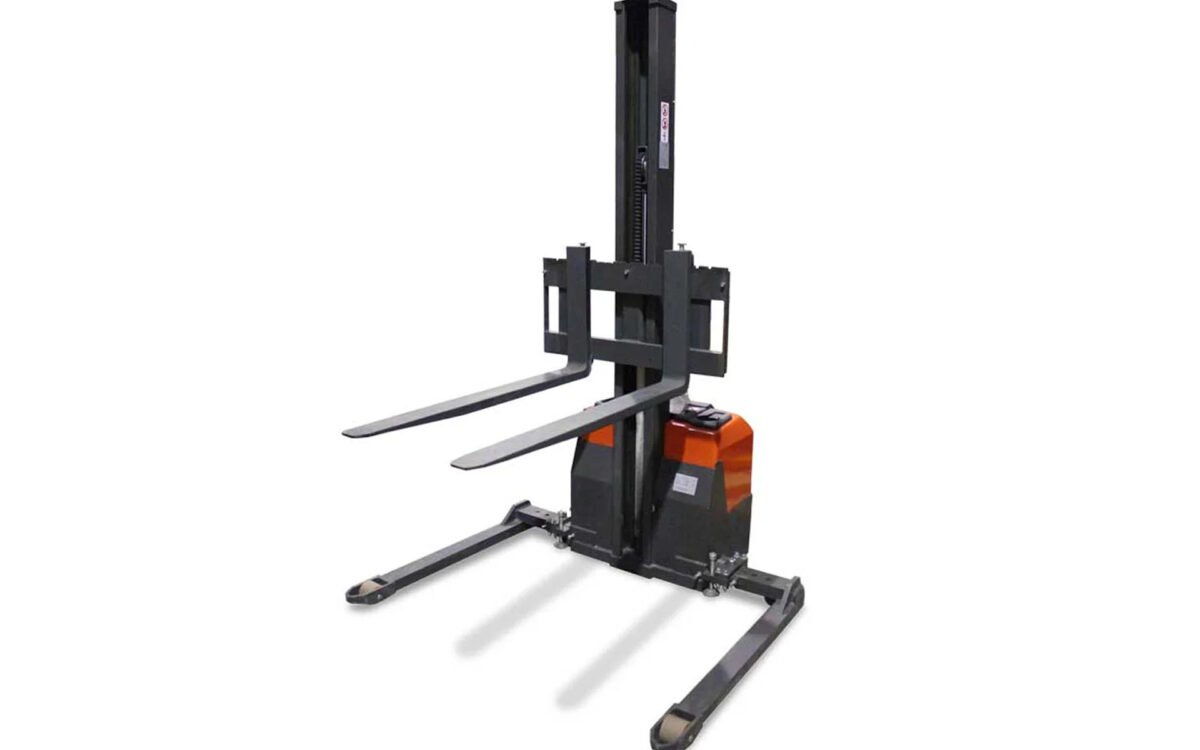
What is a Straddle Stacker? The Ultimate Guide to Pallet Compatibility
If you are researching material handling equipment, you’ve likely encountered the term "Straddle Stacker." But what exactly is it, and how does it differ from a standard pallet stacker?Choosing the wrong equipment can lead to a common warehouse nightmare: buying a stacker that physically cannot pick up your pallets. This guide explains everything you need to know about straddle stackers and why they are the "universal" solution for many warehouses.
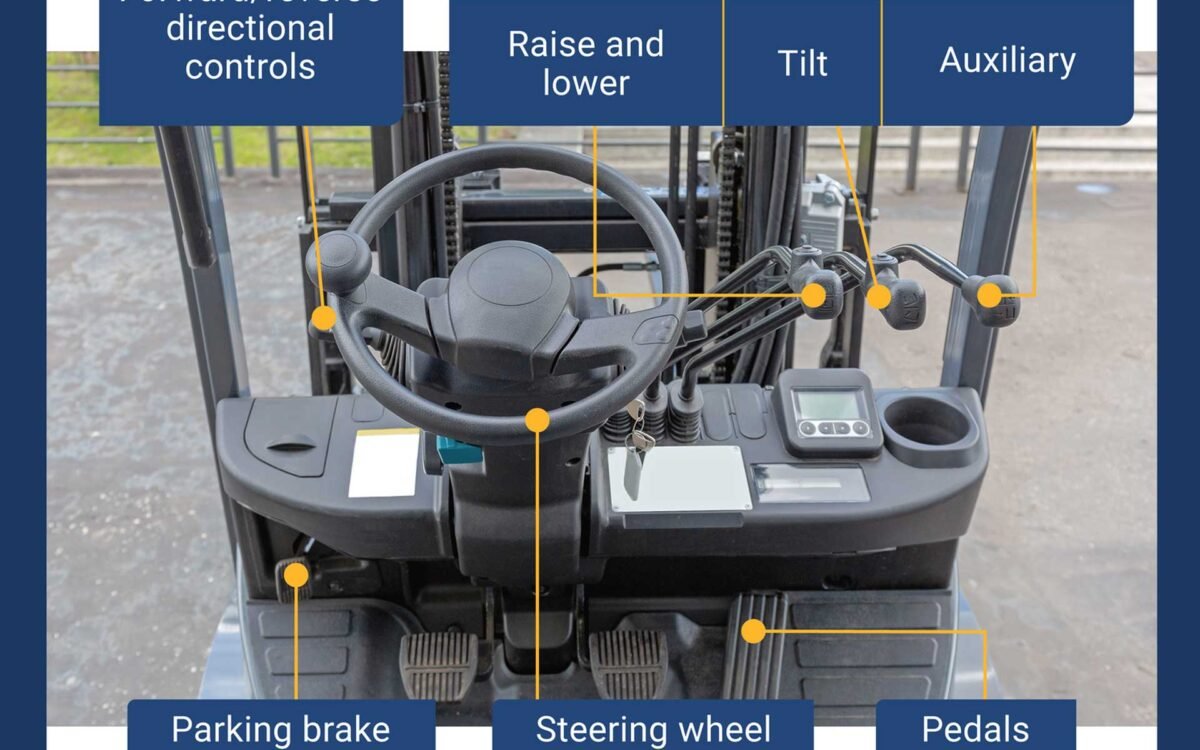
Which Operator Control Acts as an Emergency Brake? | Industrial Safety Guide
The primary operator control acting as an emergency brake on a forklift is the parking brake lever or pedal, which acts as a mechanical backup to stop the machine if the service brake fails. Additionally, the "deadman pedal" (floor pedal) serves as an emergency stop, immediately halting the unit when the operator lifts their foot.
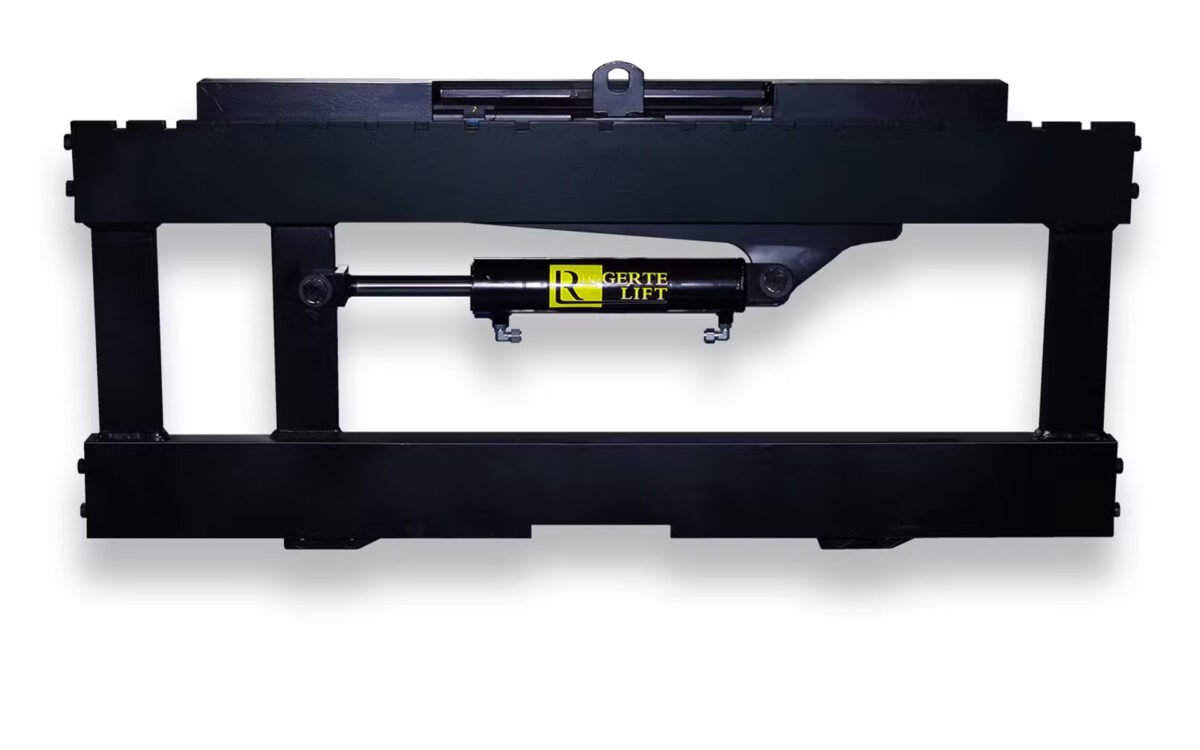
Side Shifter Forklift: The ROI of Precision and Efficiency
In modern material handling, a Side Shifter is no longer a luxury—it is a baseline requirement for efficiency. It allows the operator to shift the forks left and right without repositioning the entire truck.While the mechanical benefit is simple, the commercial impact is profound. By eliminating unnecessary maneuvering, a side shifter reduces tire wear, lowers fuel consumption, and drastically cuts down on accidental pallet and racking damage.
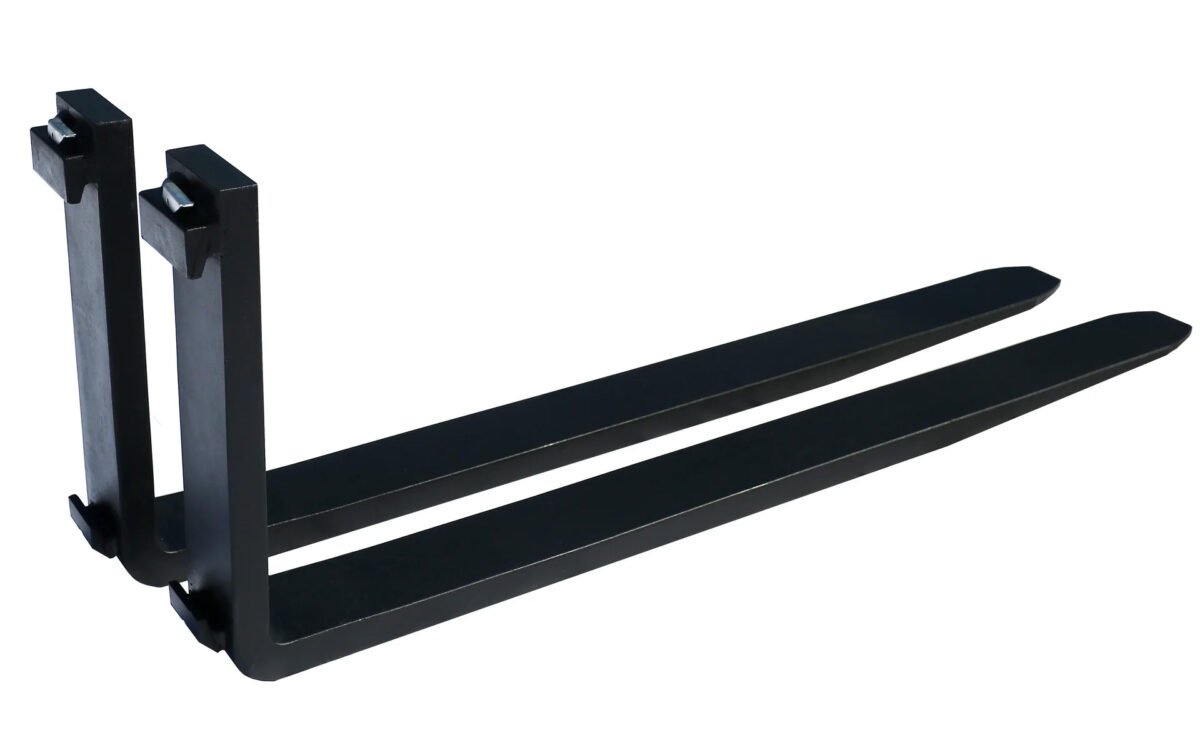
Forklift Forks Guide: Sizes, Classes, and the 10% Replacement Rule
The forks are the only part of the truck that touches the load, and they take constant friction, bending stress, and impact. Worn, bent, or wrongly sized forks aren't just a maintenance issue. They're a load-handling safety risk. This guide covers how forks are classified, how to size a replacement, and when a fork must come out of service.
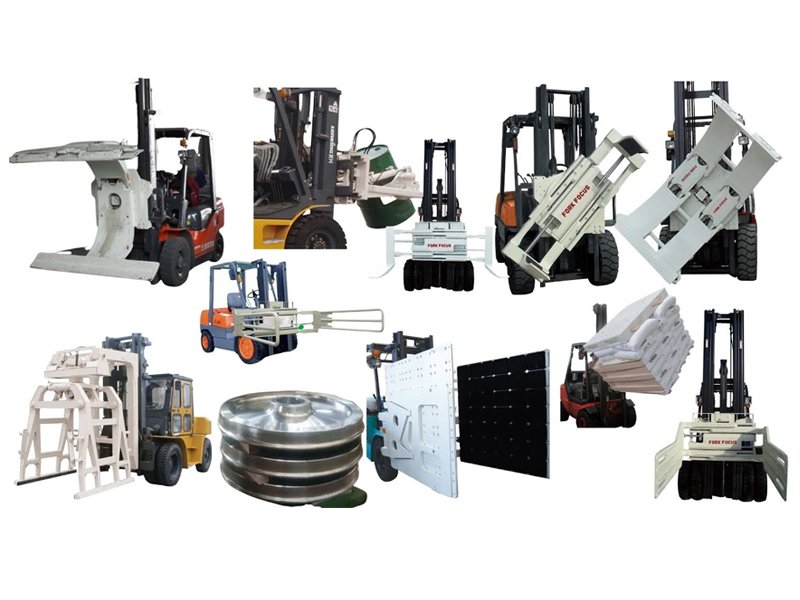
Forklift Attachments: The Ultimate Guide to Enhancing Productivity & Safety
A forklift without the right attachment is just a lifting tool; with the right attachment, it becomes a specialized industrial solution. In 2026, the trend in material handling is moving away from "manual intervention" toward mechanical precision.However, adding an attachment isn't just about "bolting it on." It involves complex changes to the truck’s capacity, center of gravity, and hydraulic flow. This guide explains the most essential attachments and the engineering considerations behind th ...
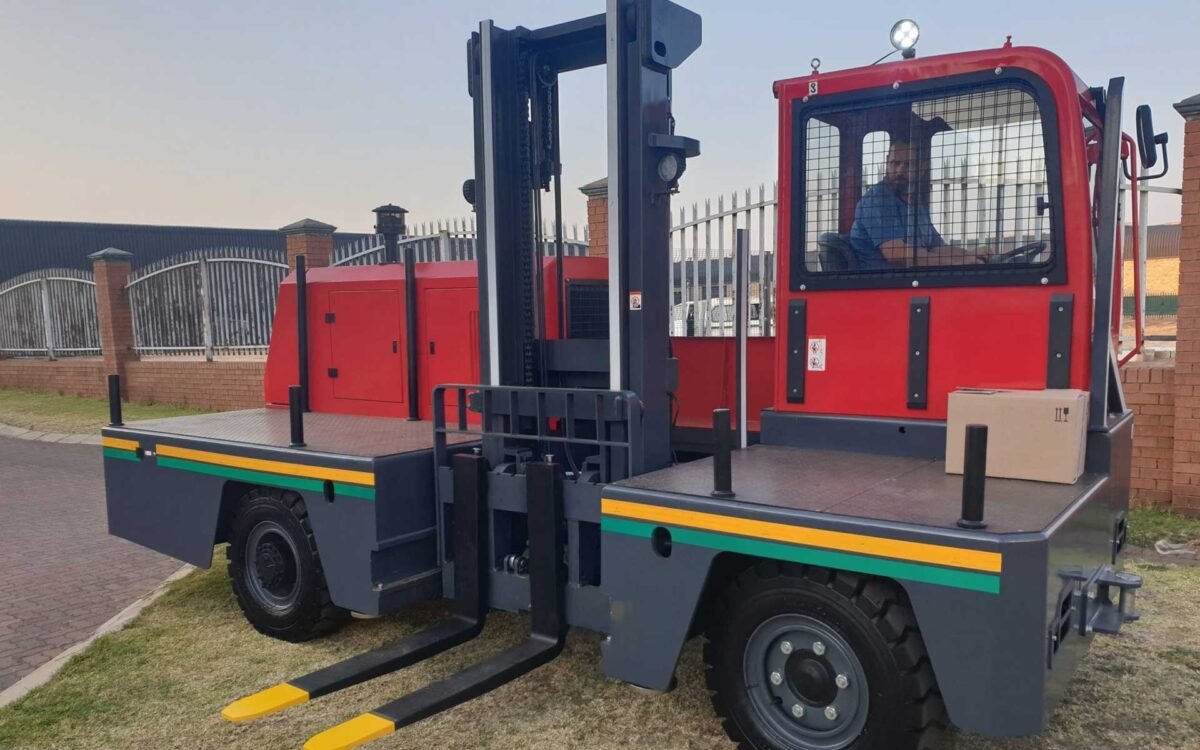
Side Loader Forklifts: The Strategic Advantage for Long-Load Logistics
In facilities handling timber, steel pipes, plastic extrusions, or aerospace components, a standard counterbalance forklift is often a liability. Carrying a 20-foot load perpendicular to the direction of travel requires massive aisles and creates high-risk "swing zones."Side Loader Forklifts solve this by carrying the load parallel to the direction of travel. This guide explores the engineering benefits, specialized uses, and ROI of transitioning to side-loading technology in 2026.
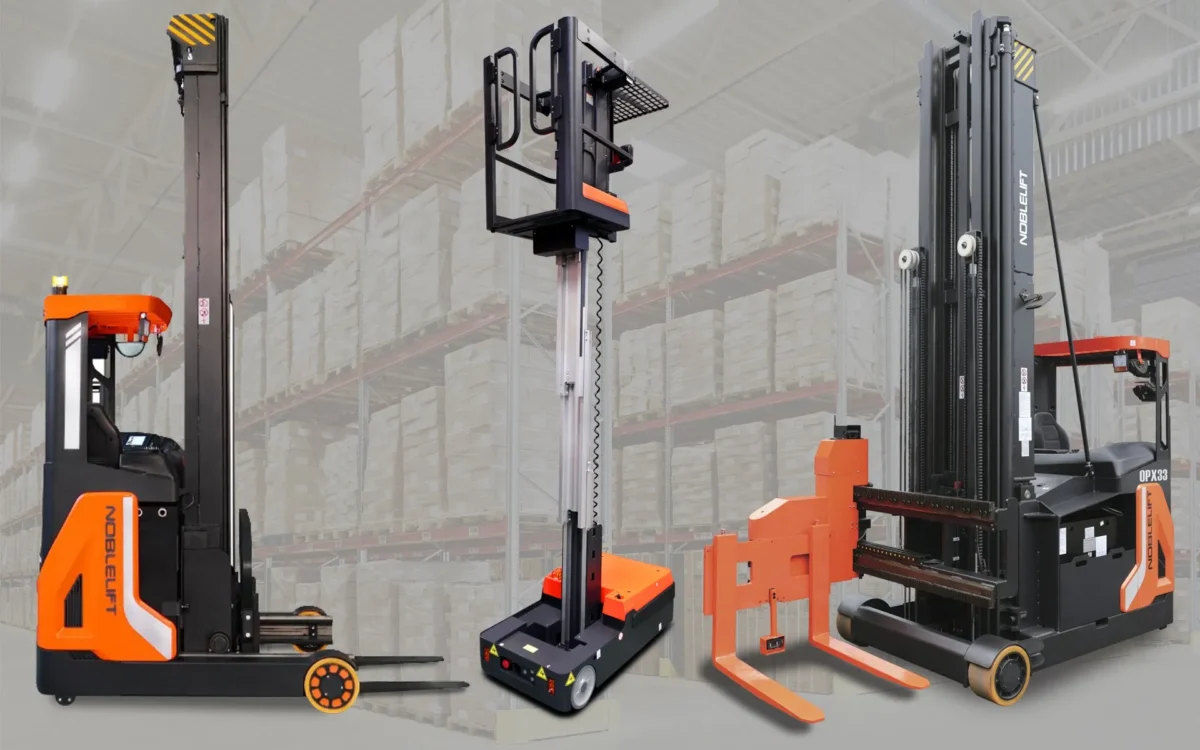
Narrow Aisle Forklifts: The Ultimate ROI Guide for Small Warehouses
In modern logistics, square footage is your highest recurring cost. If your warehouse aisles are designed for standard counterbalance forklifts (12–13 feet wide), you are effectively "wasting" up to 40% of your potential storage space.Narrow Aisle (NA) and Very Narrow Aisle (VNA) forklifts are not just tools; they are spatial investment strategies. This guide explains how the right equipment can double your pallet positions without moving to a larger facility.
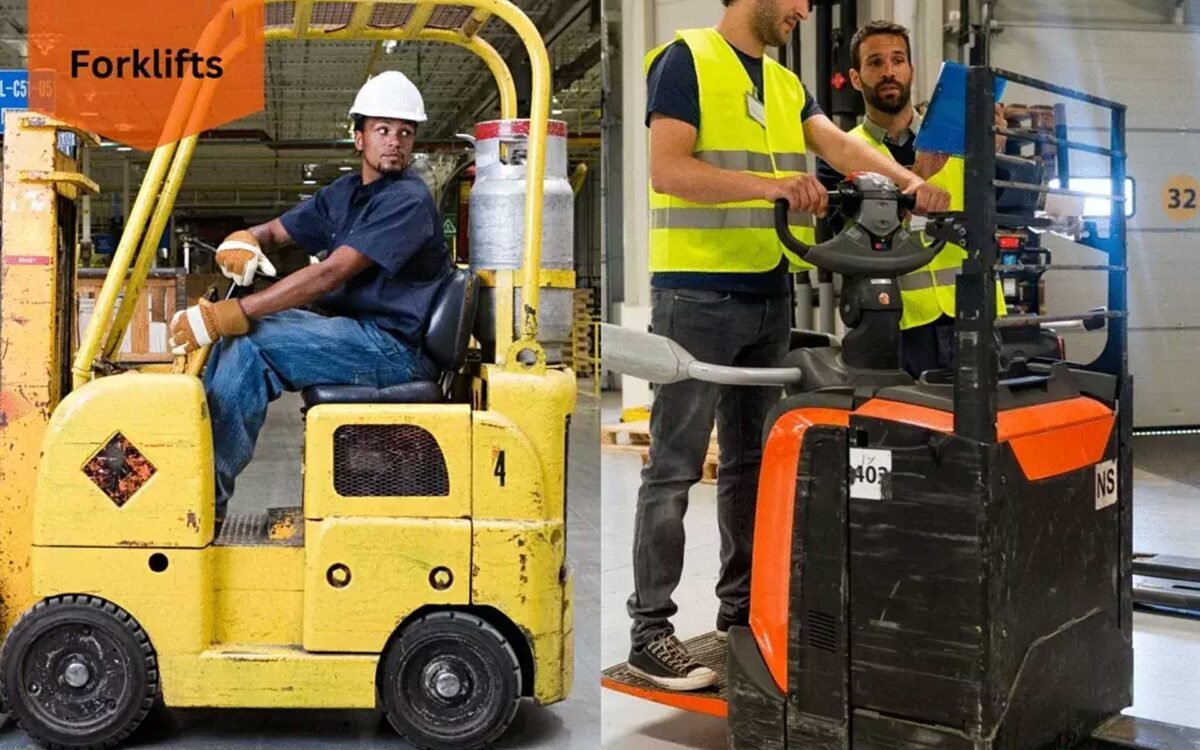
Stand Up Forklift vs Sit Down Forklift: The Ultimate ROI & Efficiency Guide
In high-throughput warehousing, the choice between a Stand-up (Reach) and a Sit-down Counterbalance forklift can alter your facility's capacity by up to 30%. This isn't just about operator comfort; it’s a strategic decision involving Aisle Width (AST), Cycle Times, and Safety Psychographics.This guide provides a technical and operational breakdown to help you select the right fleet for your 2026 logistics goals.
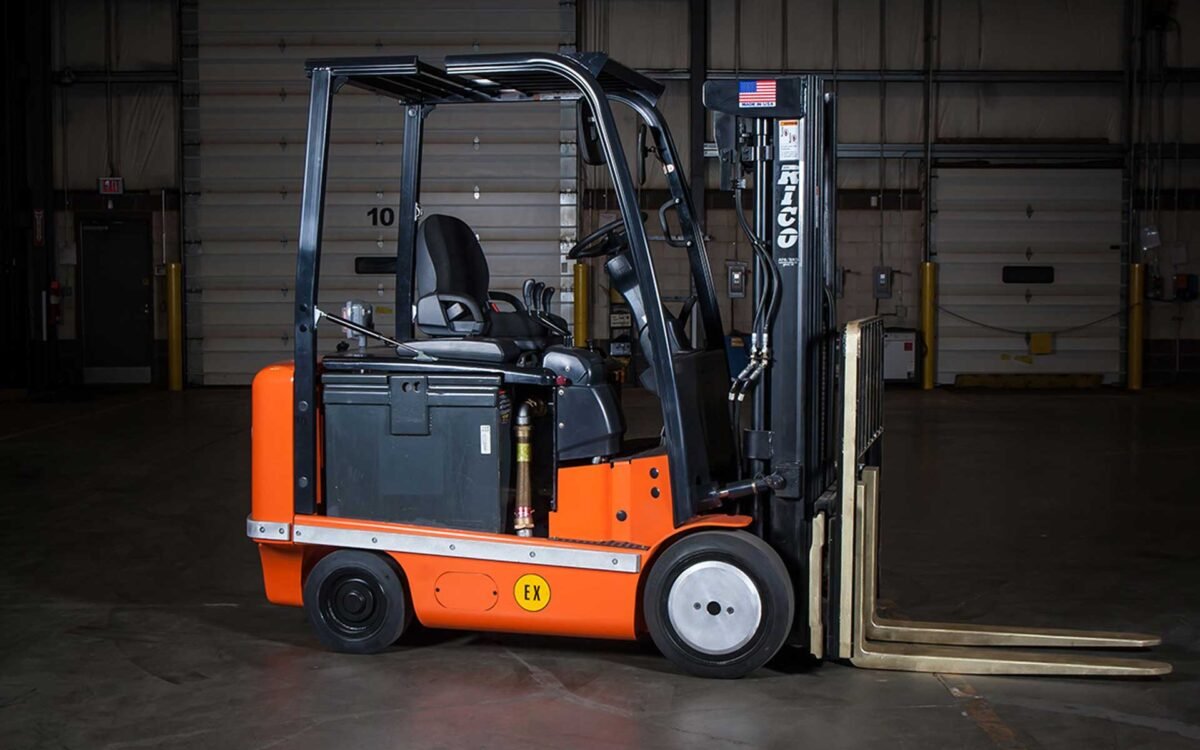
Counterbalance Forklift: The 2026 Engineering & Selection Guide
The counterbalance forklift is the workhorse of global material handling. While it looks straightforward, its operation is a balance of physics, hydraulic precision, and energy management. For procurement managers and fleet operators, choosing a truck isn't just about lifting capacity — it's about total cost of ownership and site safety. This guide covers the mechanics, specifications, and selection logic that actually determine how well a truck performs in your operation.
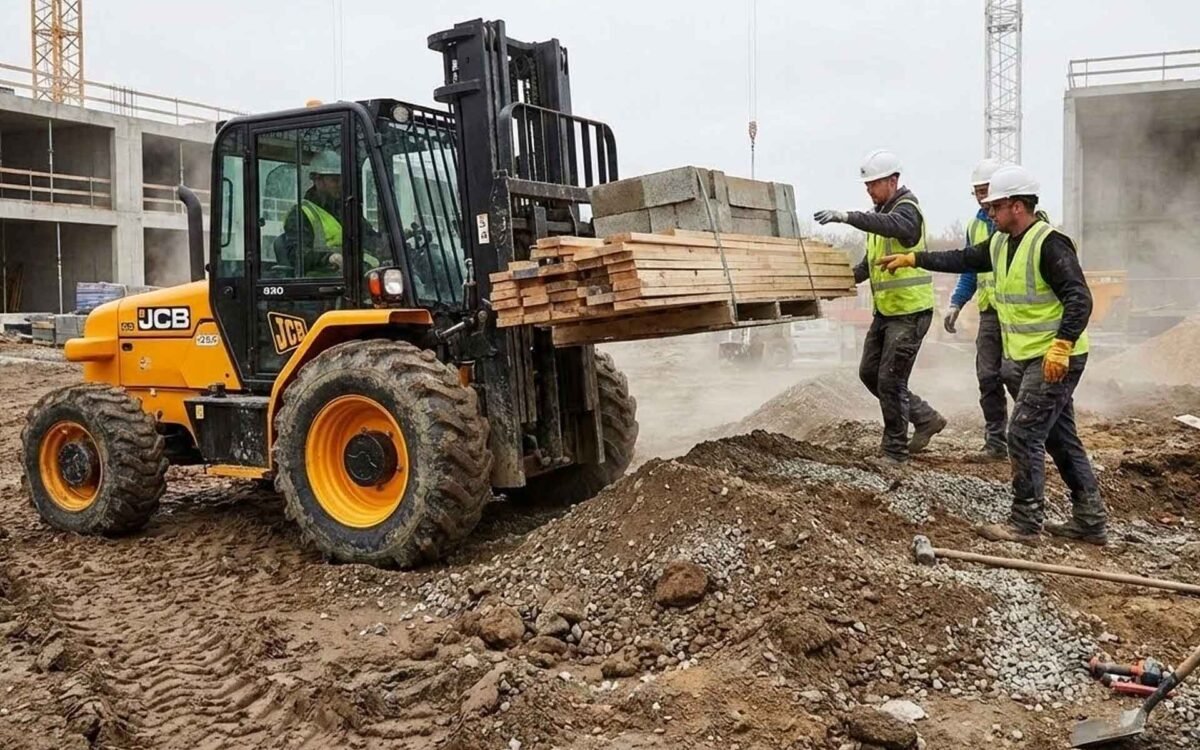
Construction Forklift: Types, Uses, and Project Phase Guide
In a warehouse, a forklift is a tool for efficiency. On a construction site, a forklift is a tool for survival against the elements.Using a standard industrial forklift on a job site is a recipe for disaster—tires will shred, chassis will bottom out, and tip-over risks skyrocket. Construction forklifts are built for dynamic environments where the "floor" changes from mud to gravel to concrete in a single week.This guide explains the specific requirements of site work, the four primary types ...
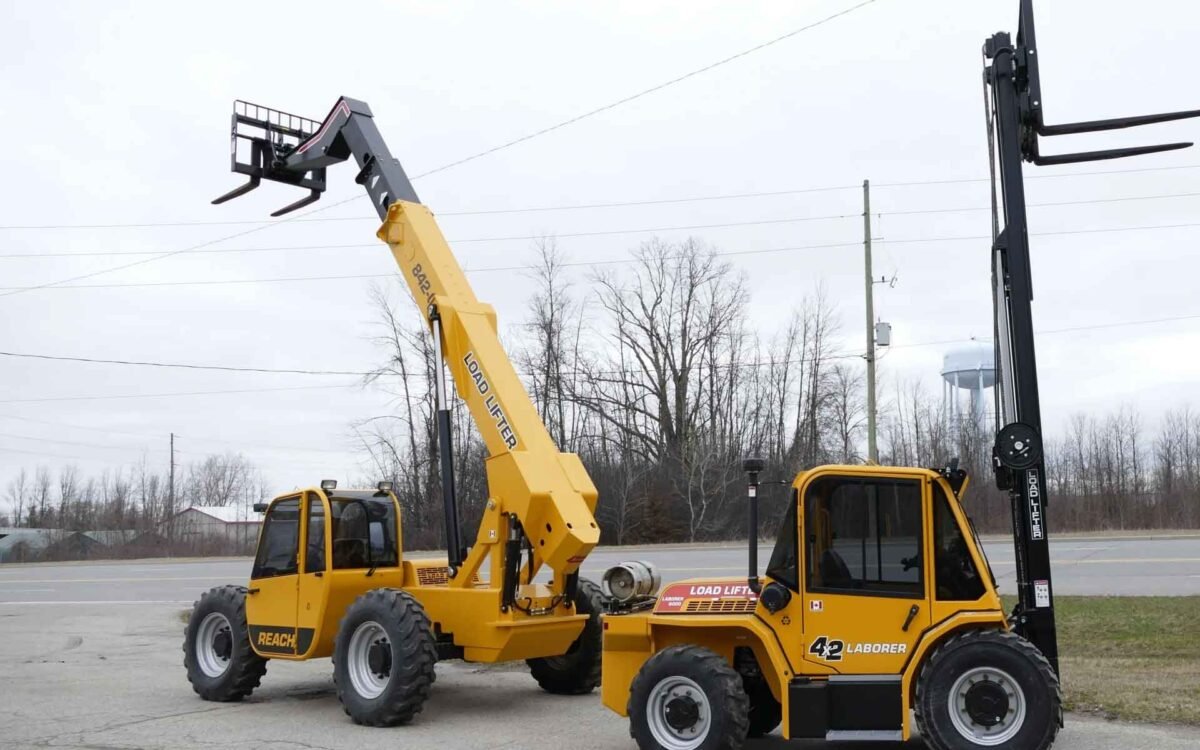
Boom Forklift vs Telehandler: 5 Critical Differences for Your Job Site
In the world of material handling, the terms "Boom Forklift" and "Telehandler" are often used interchangeably, but using the wrong machine can lead to expensive project delays, safety violations, or even catastrophic equipment failure.While both machines use a boom to lift loads, their mechanical DNA, stability profiles, and operational costs are worlds apart. This guide breaks down the five critical differences you must understand before renting or purchasing your next lift.
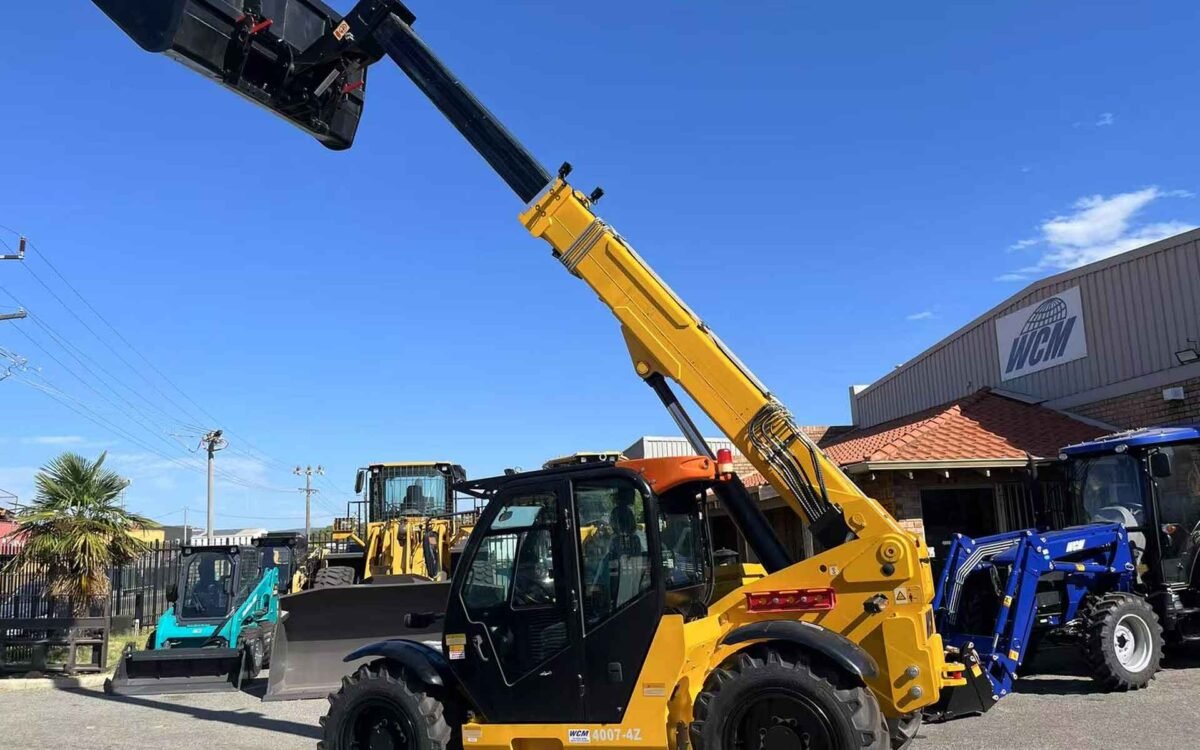
Telehandler Forklift: What It Is and How It Works in Real Job Sites
A Machine That Replaces Forklifts, Cranes, and Manual HandlingOn many construction and industrial job sites, moving materials is rarely a single-step task.Typically, it requires multiple tools:A forklift to load and transport materials A crane to lift materials to height or across obstacles Workers or scaffolding to position materials manuallyA telehandler forklift (telescopic handler) changes this workflow completely.It combines lifting, forward reach, and off-road mobility in one mac ...
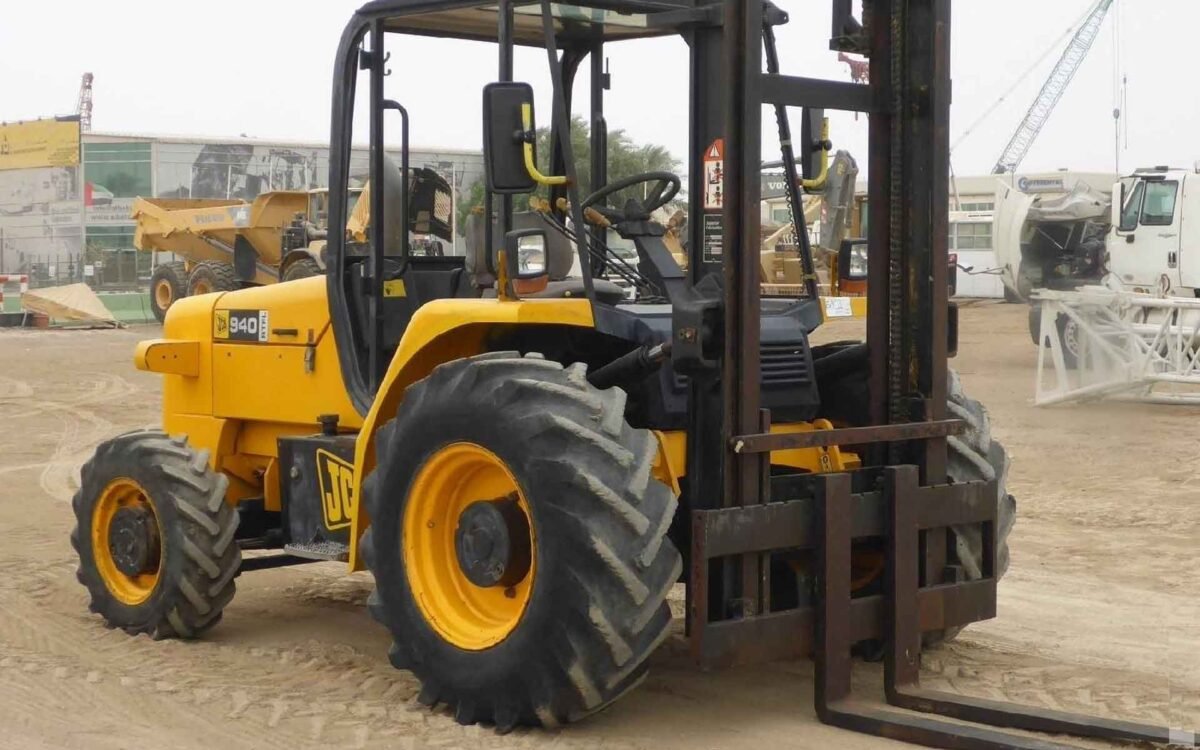
Rough Terrain Forklift: Features, Types & Applications Explained for Real Job Sites
In a perfect warehouse, floors are flat and traction is guaranteed. But in the real world of construction, agriculture, and mining, the "floor" is often mud, gravel, or a 15% incline. Using a standard warehouse forklift in these environments leads to stuck tires, bottomed-out chassis, and dangerous tip-overs.This guide explains the technical DNA of Rough Terrain (RT) Forklifts, how to calculate the specifications your specific job site requires, and how to choose between the three primary type ...
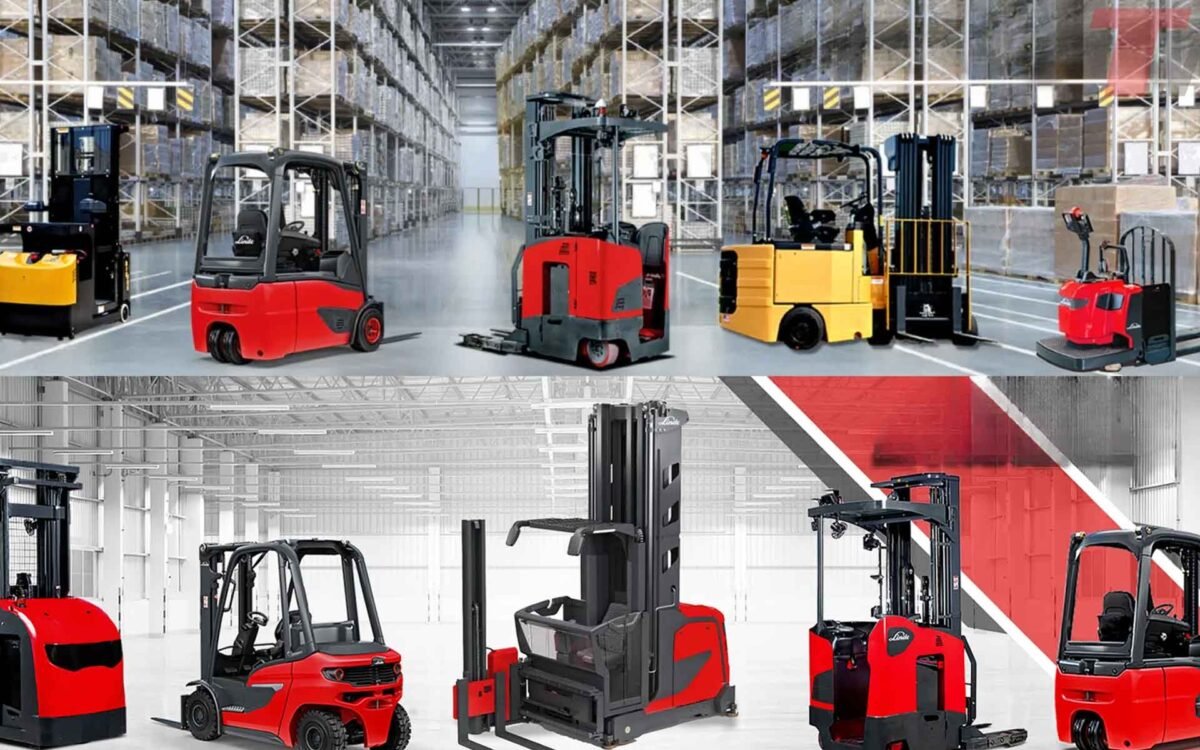
Warehouse Forklift: Best Types for Indoor Use (2026 Guide)
The right indoor forklift configuration isn't about finding "the best forklift." It's about matching the right type — or combination of types — to your specific aisle widths, ceiling height, load profile, and operational workflow. This guide gives you that framework, along with specific configuration recommendations by warehouse size.
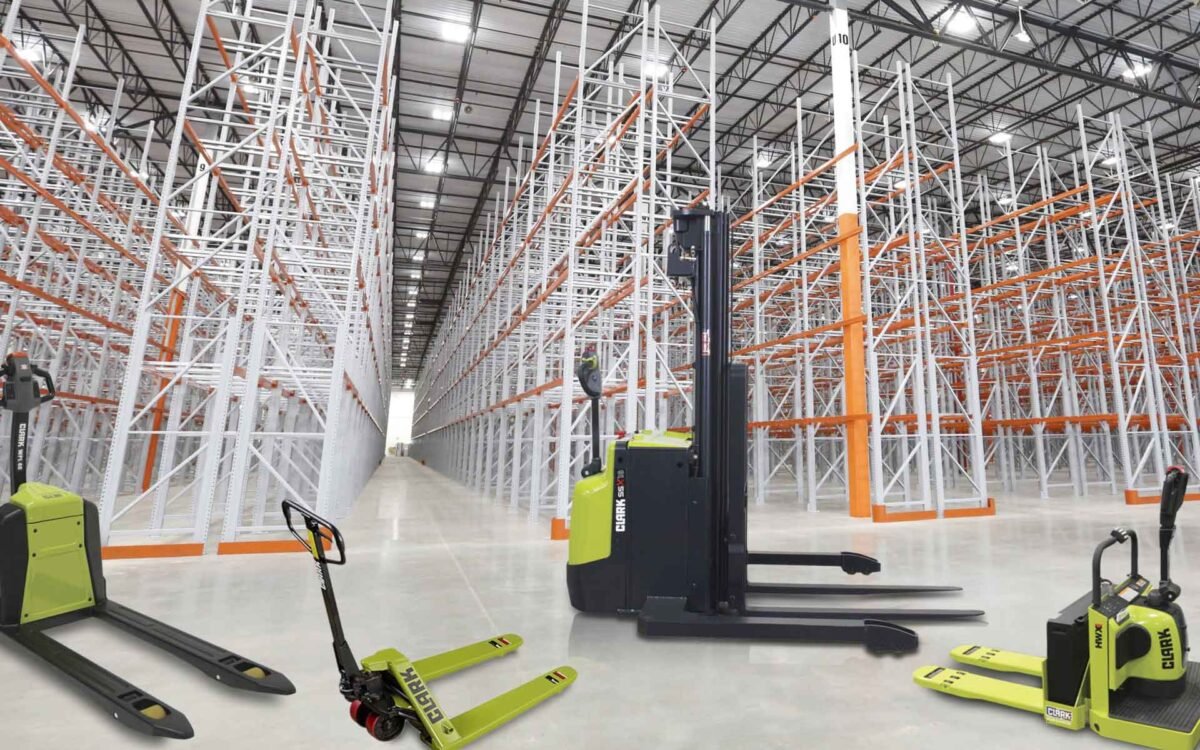
Walkie Stacker vs Pallet Jack: Key Differences (And How to Choose the Right One)
Do you need to lift pallets onto shelving or stack them on top of each other? If the answer is no — you just need to move pallets from point A to point B on the same level — a pallet jack does the job, costs less, and is simpler to operate. Stop overthinking it. If the answer is yes — you need to raise pallets to shelf height, stack them vertically, or place them in racking — a pallet jack physically cannot do this. You need a walkie stacker. For the majority of readers, the decision is that sim ...
Order Picker Forklift: Everything You Need to Know Before You Invest
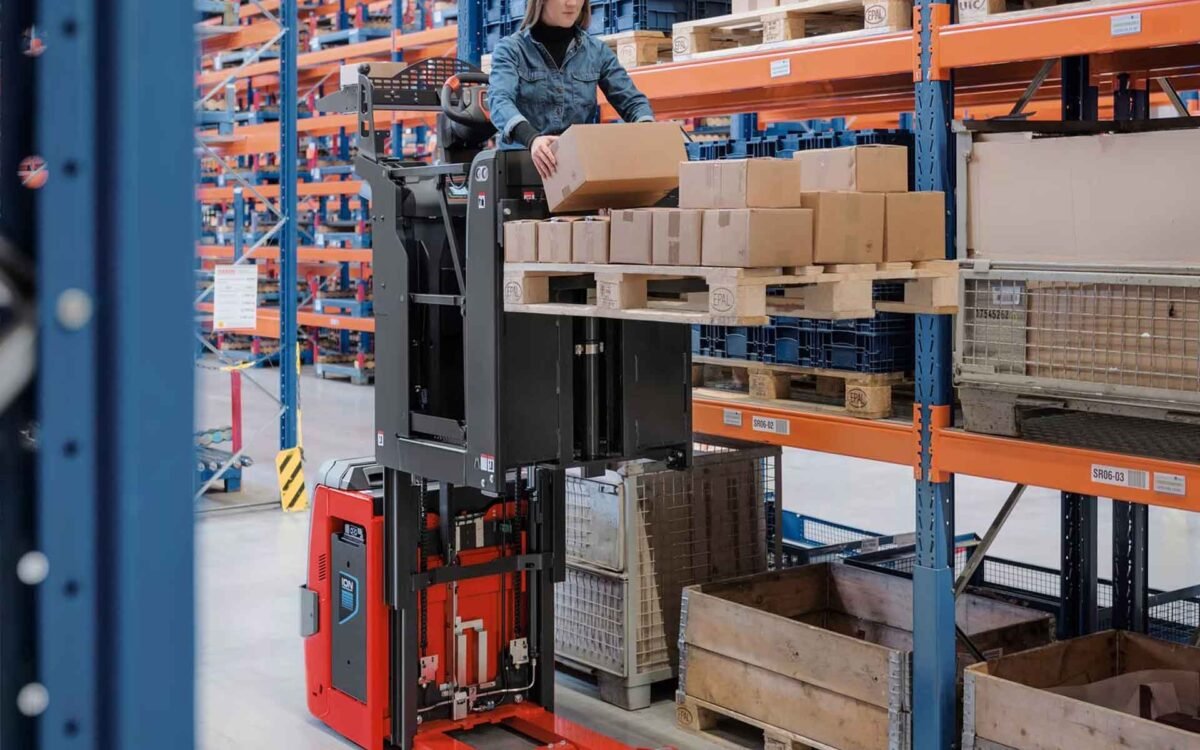
An order picker forklift is a specialized warehouse truck designed for piece picking (not pallet handling).Its defining feature is simple—but critical:The operator platform rises together with the forks.Unlike traditional forklifts, where the operator stays on the ground, an order picker lifts both the worker and the load to the required shelf level.
Reach Truck: Uses, Benefits & Buying Guide (2026)
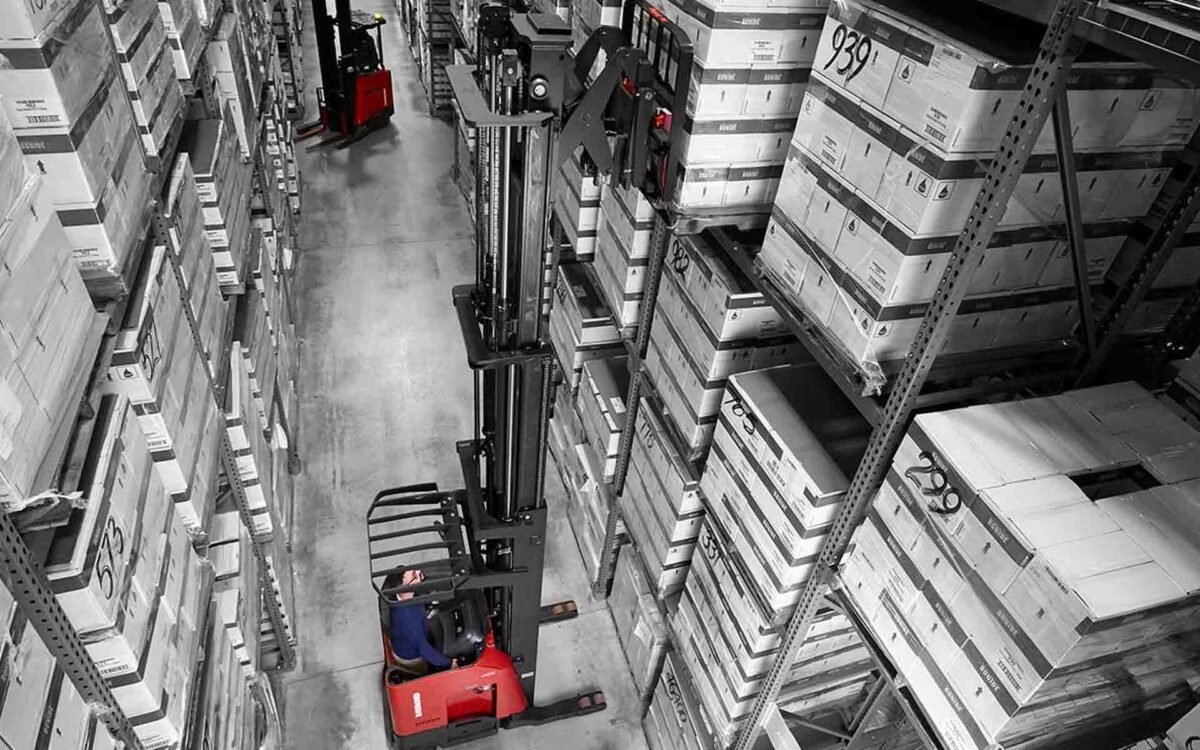
Warehouse space costs money every single day. In most major markets, industrial rents have risen 30–50% over the past five years and show no sign of reversing. When you can't afford to expand your footprint, the only way to store more inventory is to use your existing space more efficiently. A reach truck does one thing better than any other forklift: it extracts more storage capacity from the same four walls. By shrinking your aisle width from 12 feet down to 8 feet and pushing your racking fro ...
3 Wheel vs 4 Wheel Electric Forklift: Which One Do You Actually Need?
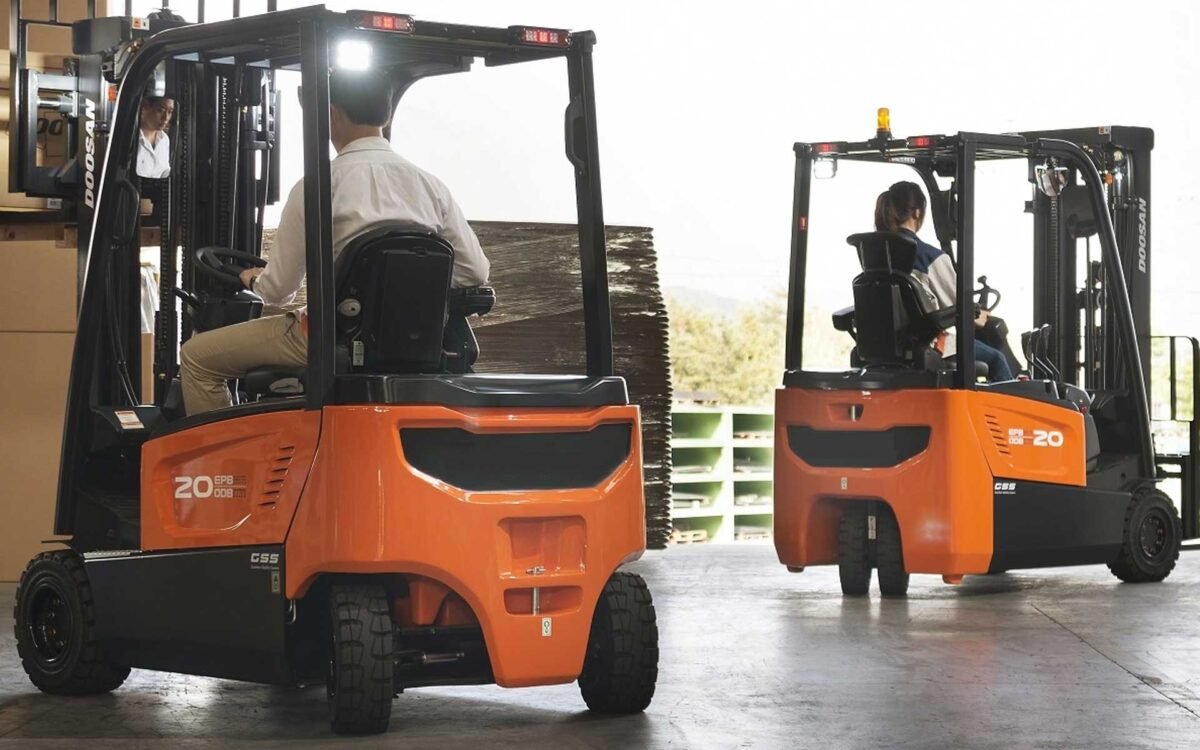
You're looking at two electric forklifts with nearly identical specs — same capacity, same brand, same lift height. One is three-wheel, one is four-wheel. The price difference is $3,000–$5,000. The salesperson says "it depends on your application." That's not wrong. But it's not helpful either. Here's what actually determines the answer: your aisle width and your maximum load. Those two numbers — combined with your floor surface and shift pattern — resolve the three-wheel vs four-wheel question ...
Electric vs Diesel Forklift: Which Is Better? (The Answer Depends on These 5 Questions)
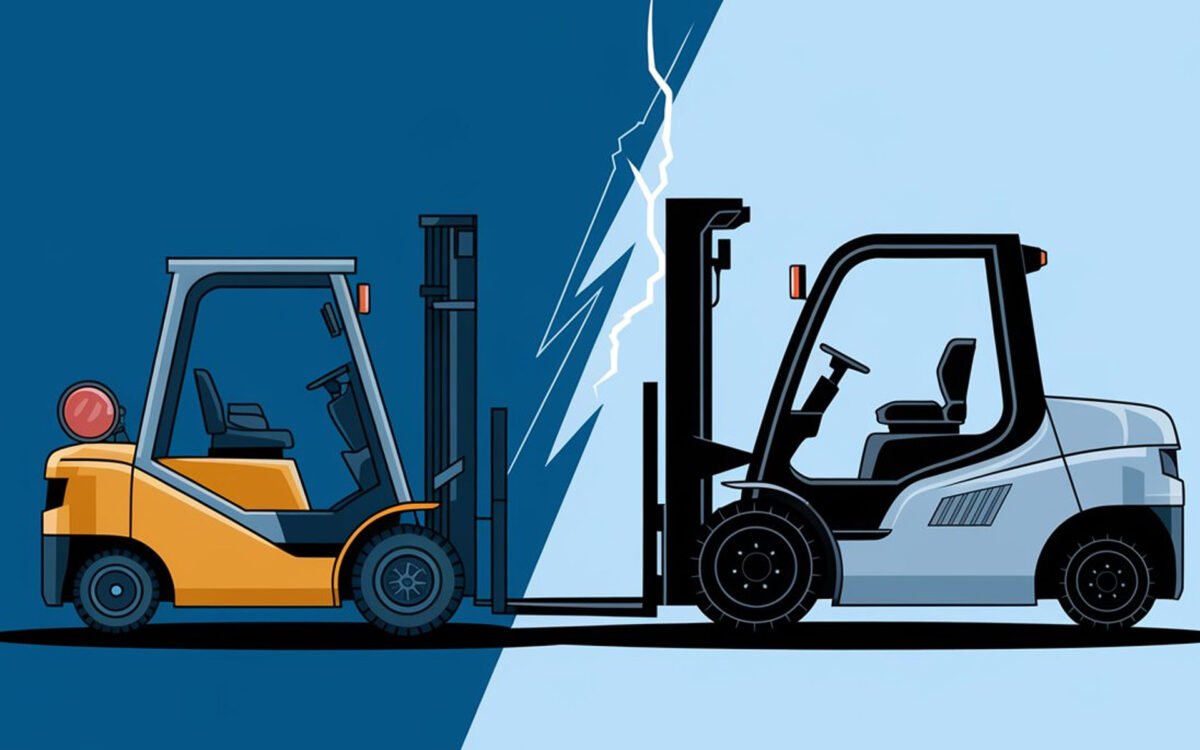
Most comparisons of electric and diesel forklifts end with some version of: "It depends on your specific needs." That's not wrong — but it's also not useful. You came here to make a decision, not to be told the decision is complicated. So let's be direct. Electric and diesel forklifts are not competitors in every situation. They're tools built for different jobs. The real question isn't which one is better in the abstract — it's which one is right for your specific operation, and how do you calc ...
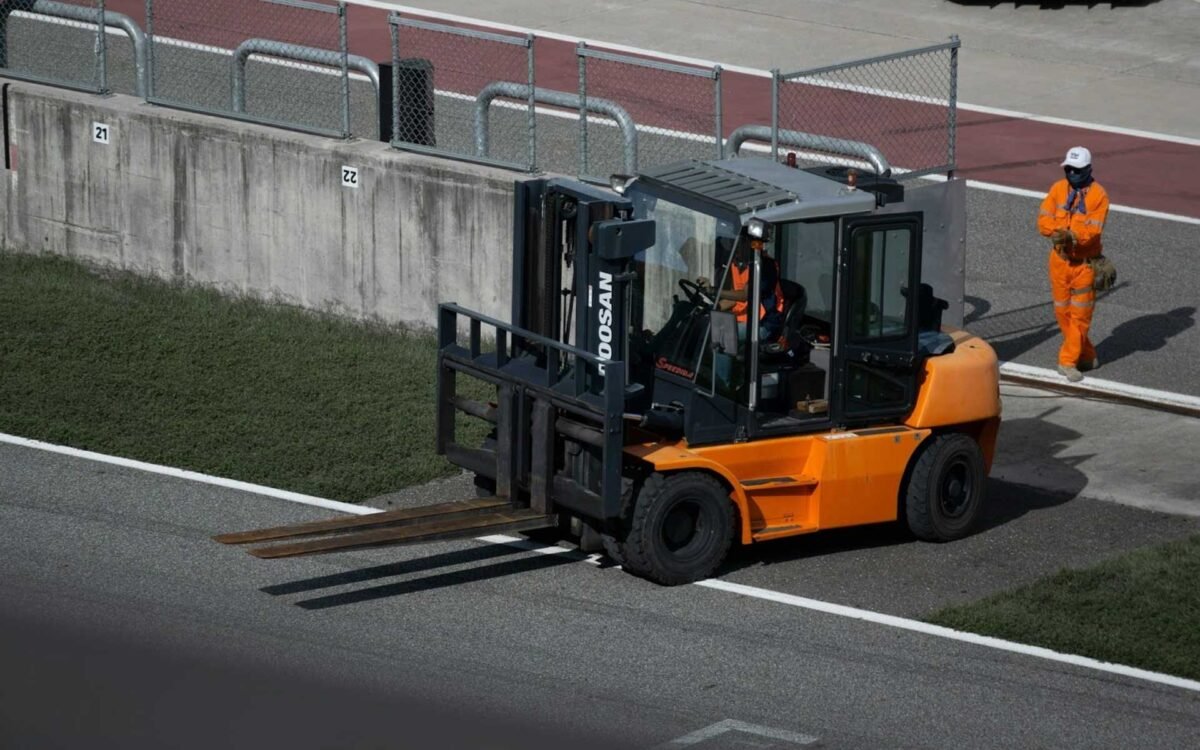
Electric Forklift: Advantages, Price & Best Models (2026 Complete Guide)
Here's a number worth sitting with before anything else: a standard propane forklift running a single 8-hour shift costs roughly $6,000–$10,000 per year in fuel alone. Switch to electric, and that same energy cost drops to $1,500–$3,000. That's not a marginal difference — it's money that either stays in your operation or doesn't, every single year. But fuel savings are just the starting point. This guide covers everything you actually need to make a smart decision about electric forklifts: the r ...
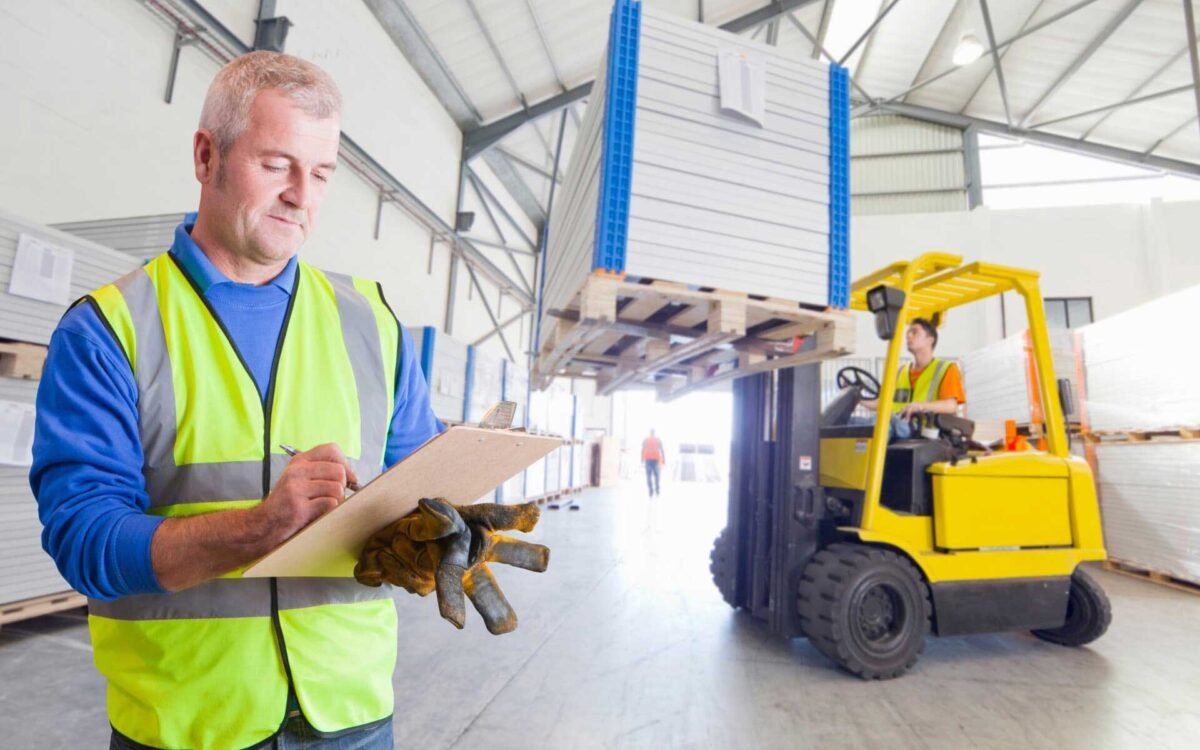
How Much Does It Cost to Rent a Forklift? (2026 Complete Price Guide)
Renting a forklift sounds simple. You call a company, they quote you a number, you sign and get the equipment. But the final bill frequently ends up 20–40% higher than that first number — because forklift rental pricing has more moving parts than most people expect. This guide gives you the real numbers, explains what actually drives the price up or down, walks you through the fees most renters don't see coming, and helps you figure out whether renting is even the right call for your situation. ...