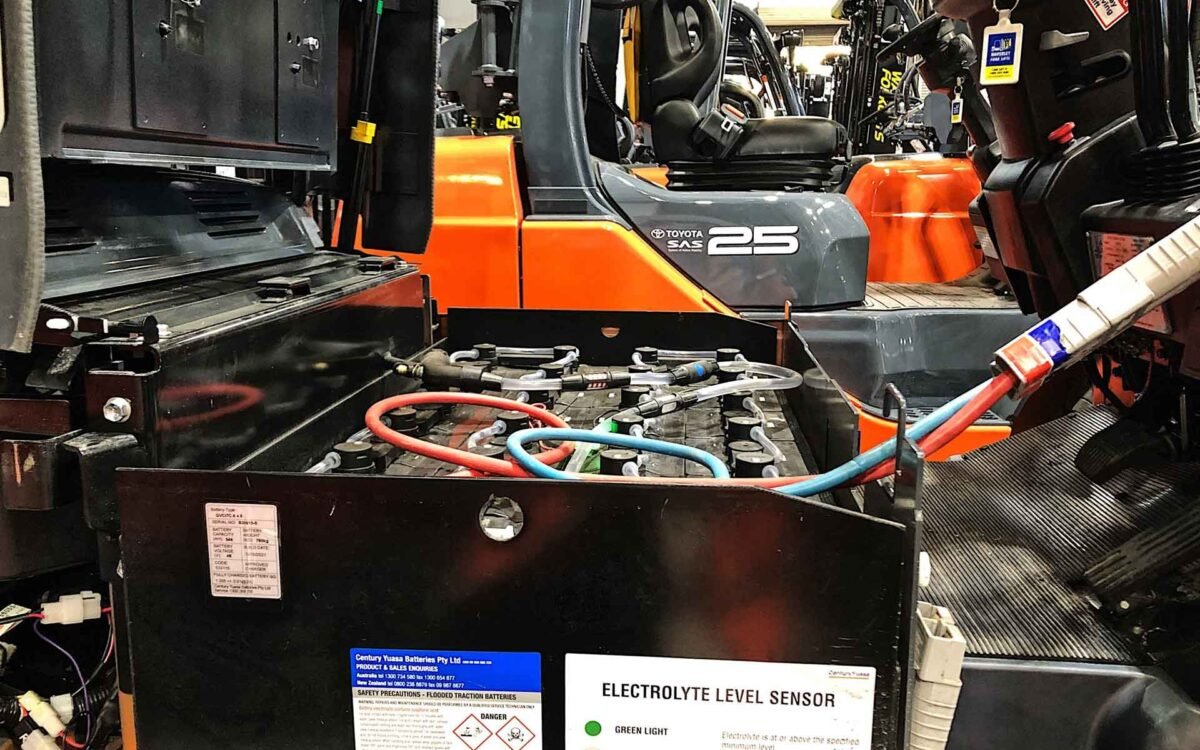
Where Is the Battery on a Forklift? (Location by Type Explained)
The battery on a forklift is typically located in the rear section of the vehicle, underneath the operator’s seat or inside a dedicated battery compartment.However, the exact location depends on the type of forklift, especially whether it is electric or internal combustion (IC).
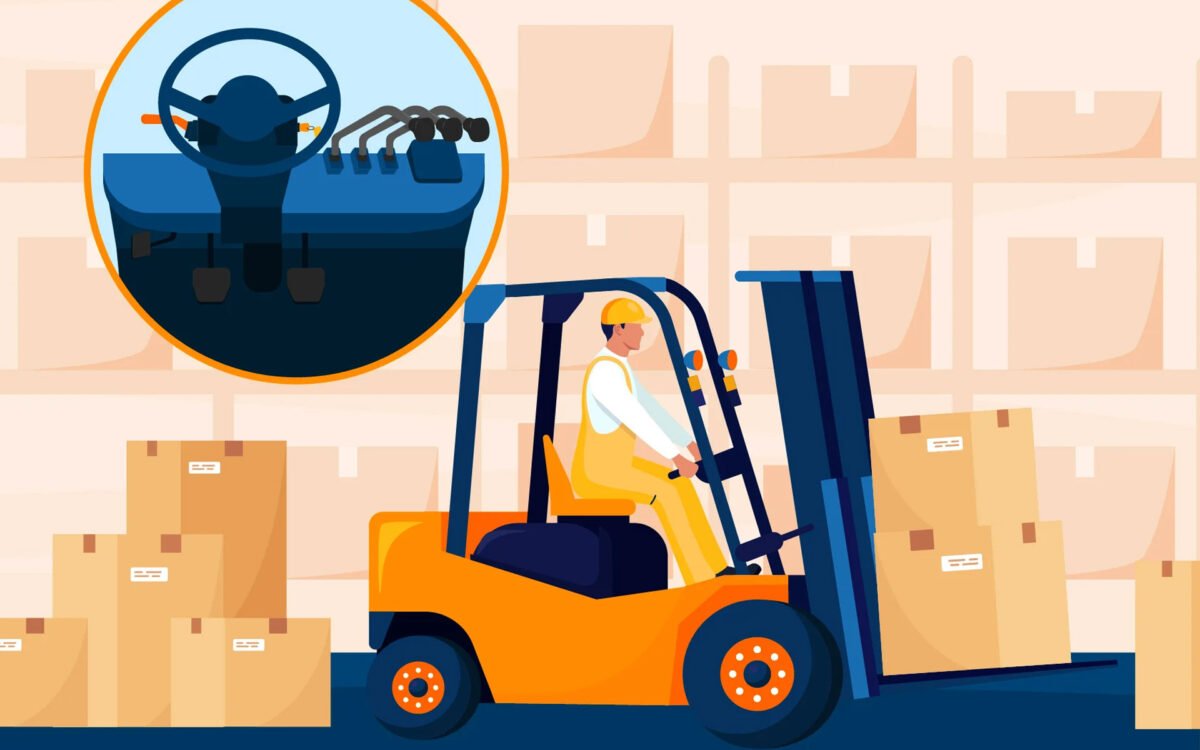
How to Use a Forklift (Step-by-Step Beginner Guide)
Using a forklift safely and efficiently requires proper training, basic operational knowledge, and adherence to safety guidelines.Quick answer:To use a forklift, you should:Perform a pre-operation inspection Start the forklift correctly Lift and stabilize the load Drive carefully with the load Park the forklift safely👉 Below is a detailed step-by-step guide for beginners.
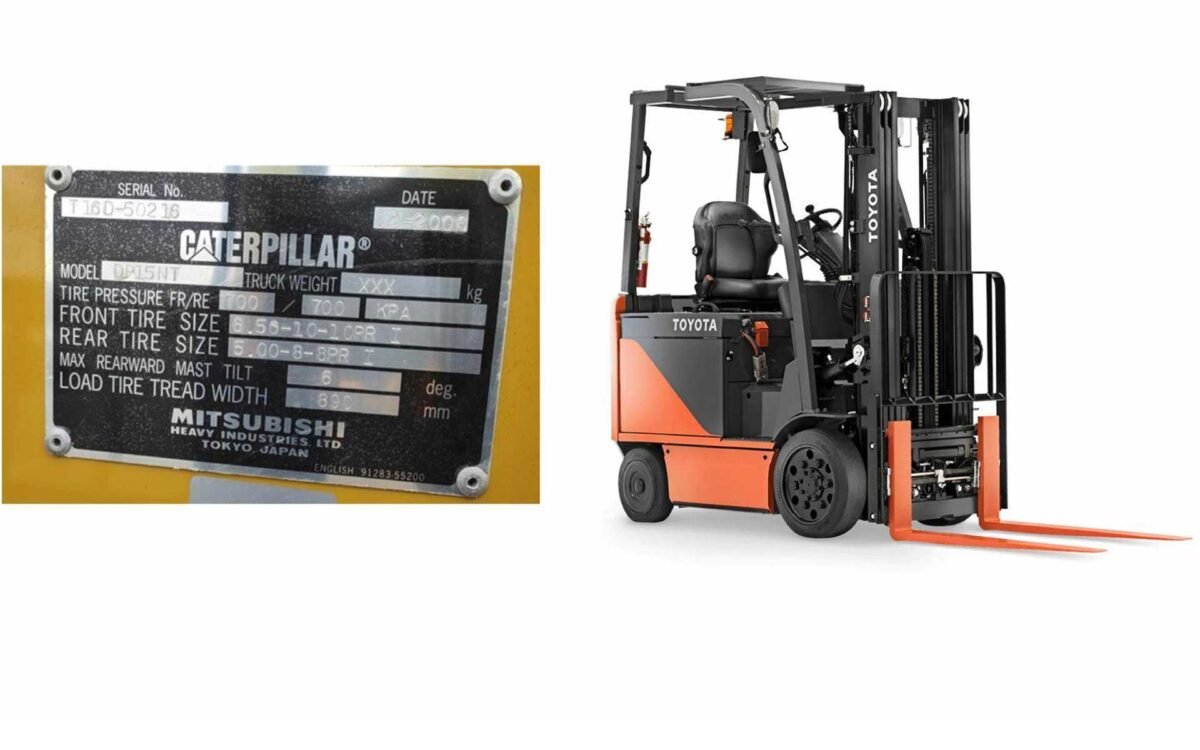
How Do I Find Out What Year My Forklift Is? (Step-by-Step Guide)
If you're wondering how to find out what year your forklift is, the answer usually comes down to locating the serial number and checking the manufacturer’s records or identification plate.Knowing your forklift’s year of manufacture is important for maintenance, parts replacement, resale value, and compliance.
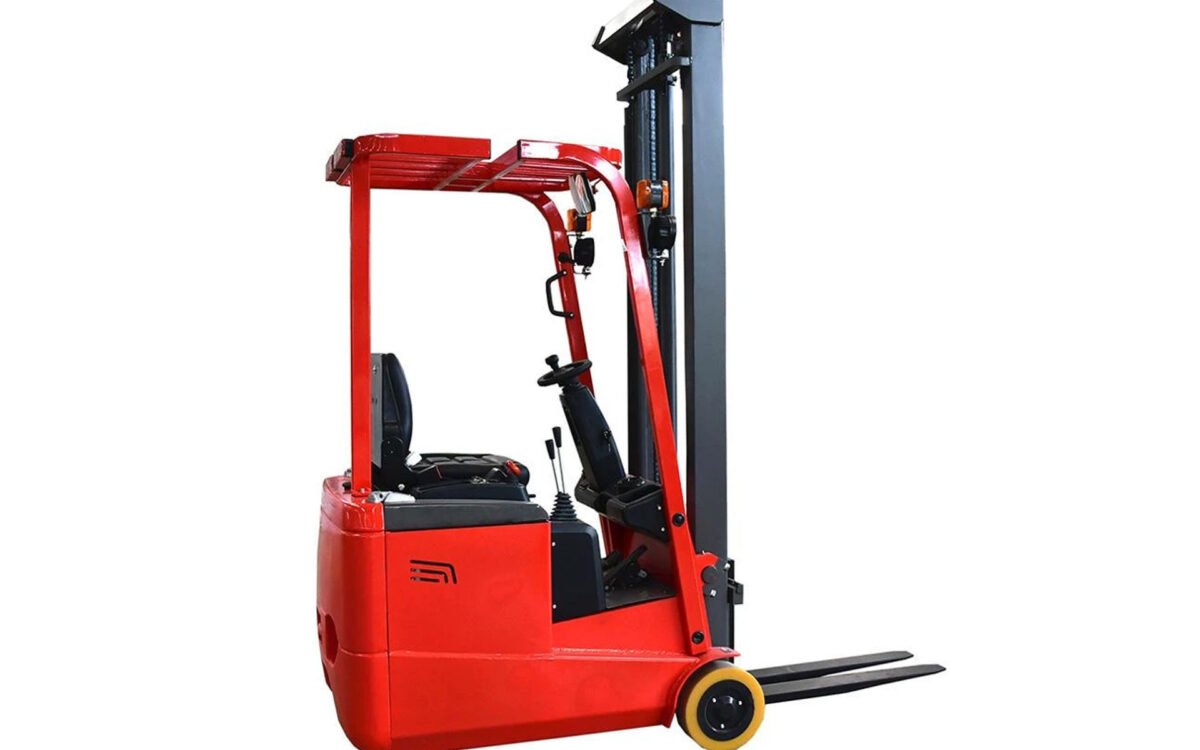
What Is the Smallest Forklift? (Compact Forklift Types & Uses Explained)
The smallest forklift is typically a compact or lightweight material handling machine designed to operate in tight spaces, narrow aisles, and confined environments where larger forklifts cannot fit.These forklifts usually have a lower load capacity (500 kg to 2 tons) and are commonly used in warehouses, retail stores, and small storage facilities.
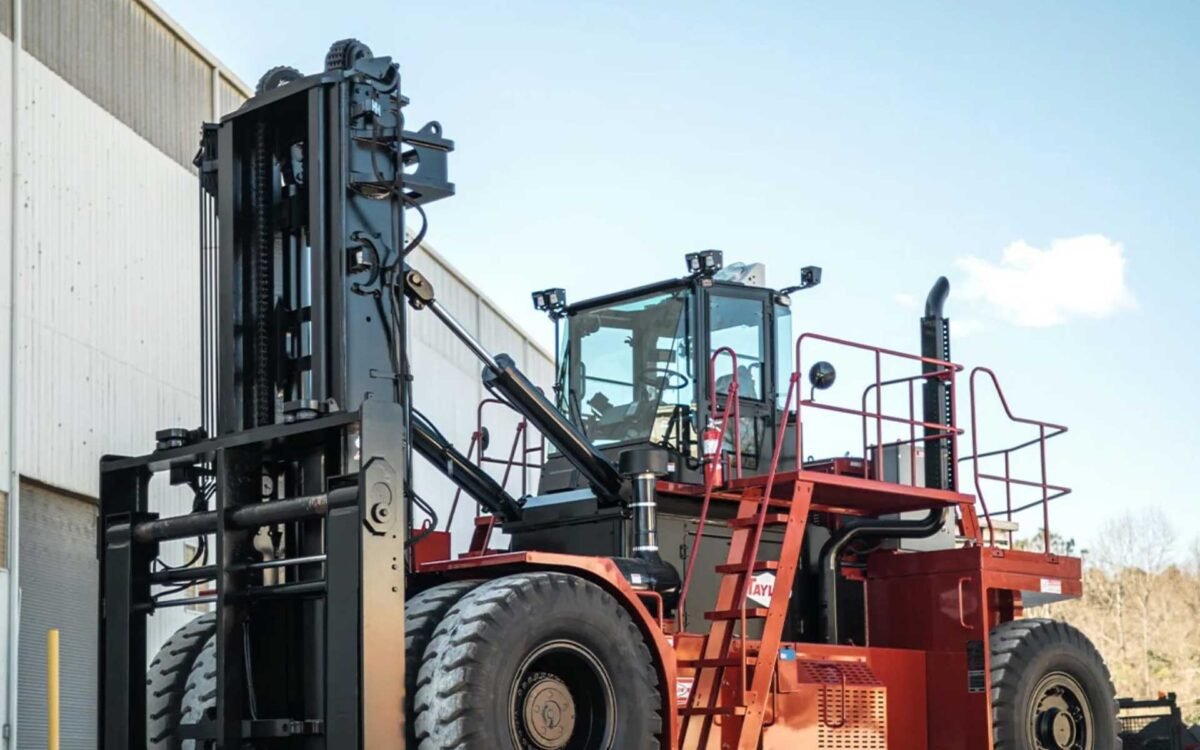
What Is the Biggest Forklift? (Capacity, Types & Real-World Examples)
The biggest forklift is a type of heavy-duty industrial forklift designed to lift extremely large and heavy loads—often ranging from 10 tons to over 100 tons, depending on the machine and application.These forklifts are commonly used in ports, steel plants, construction sites, and heavy industries, where standard forklifts are not powerful enough.
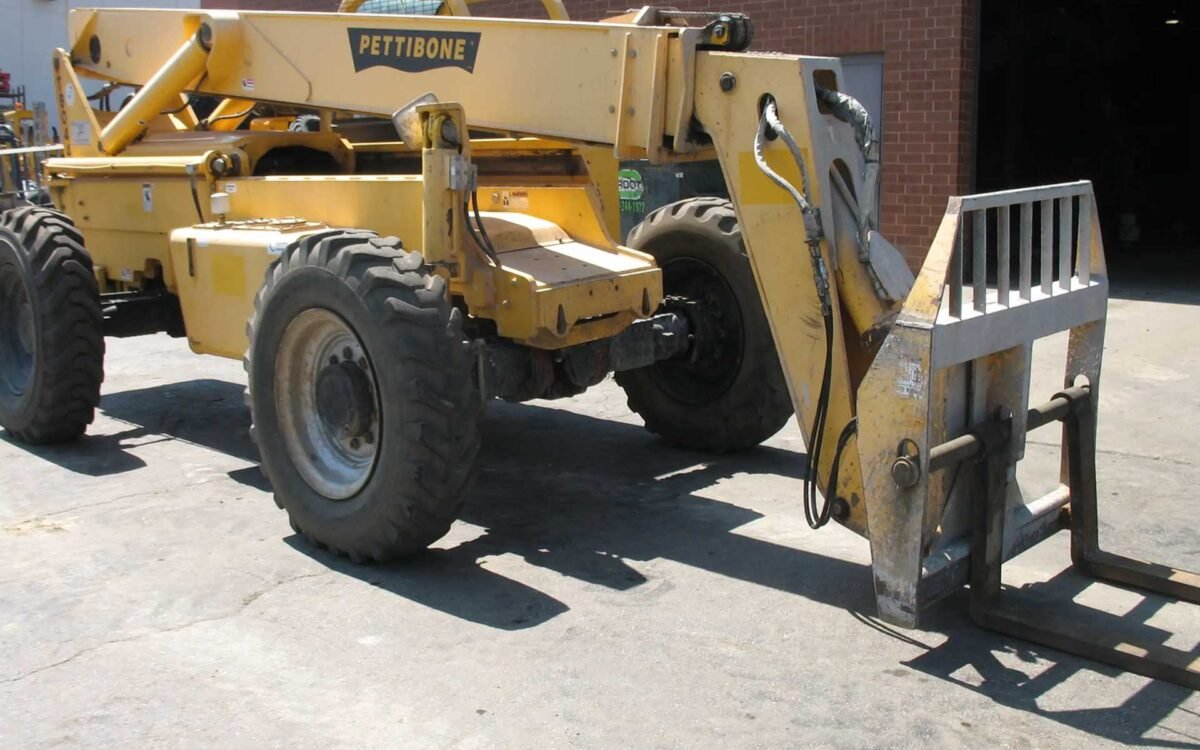
What Is a Pettibone Forklift? (Rough Terrain & Telehandler Guide)
A “Pettibone forklift” is a term often used to describe heavy-duty material handling equipment such as rough terrain forklifts and telehandlers, designed for outdoor and industrial applications.Originally associated with the brand Pettibone, the term is sometimes used more broadly in the industry to refer to rugged lifting machines built for challenging environments.These machines are commonly found in construction, agriculture, and industrial yards where standard forklifts cannot operate ef ...
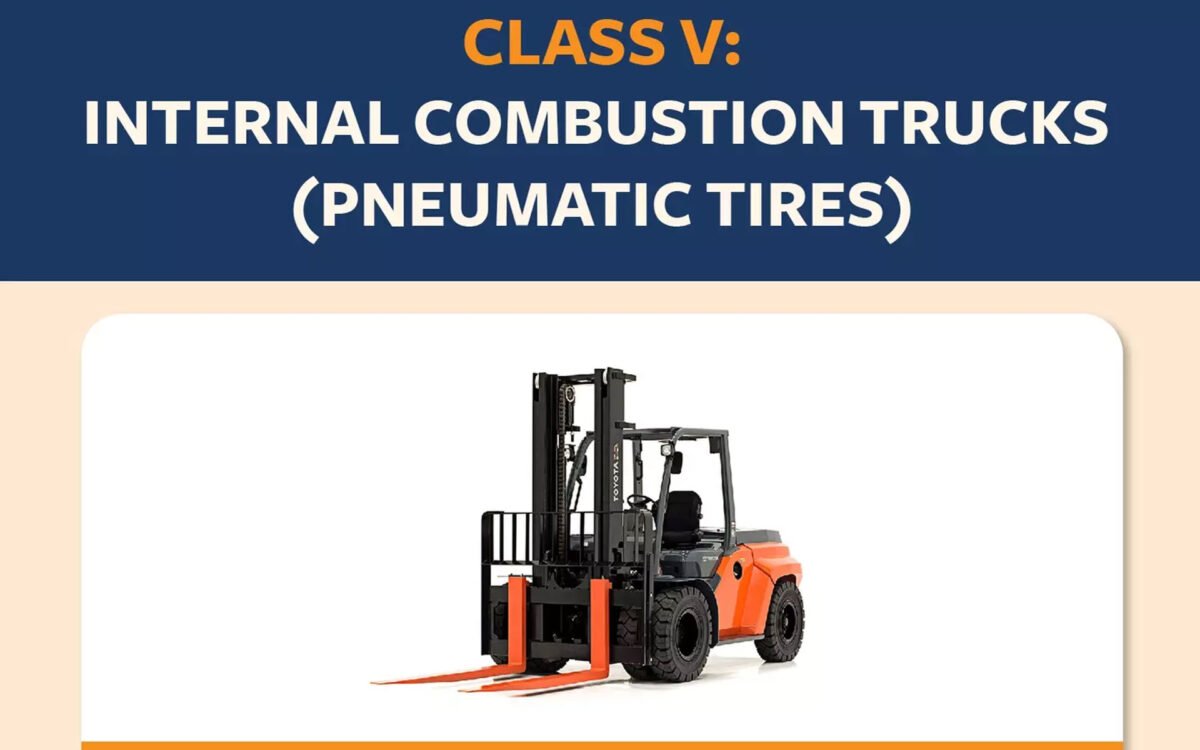
What Is a Class 5 Forklift? (Pneumatic Tire Forklift Explained)
A Class 5 forklift is a type of internal combustion (IC) forklift equipped with pneumatic tires, designed for heavy-duty outdoor and indoor applications.According to the classification system defined by the Occupational Safety and Health Administration (OSHA), Class 5 forklifts are known for their power, durability, and ability to operate on rough or uneven surfaces, making them one of the most widely used forklift types in industrial and outdoor environments.
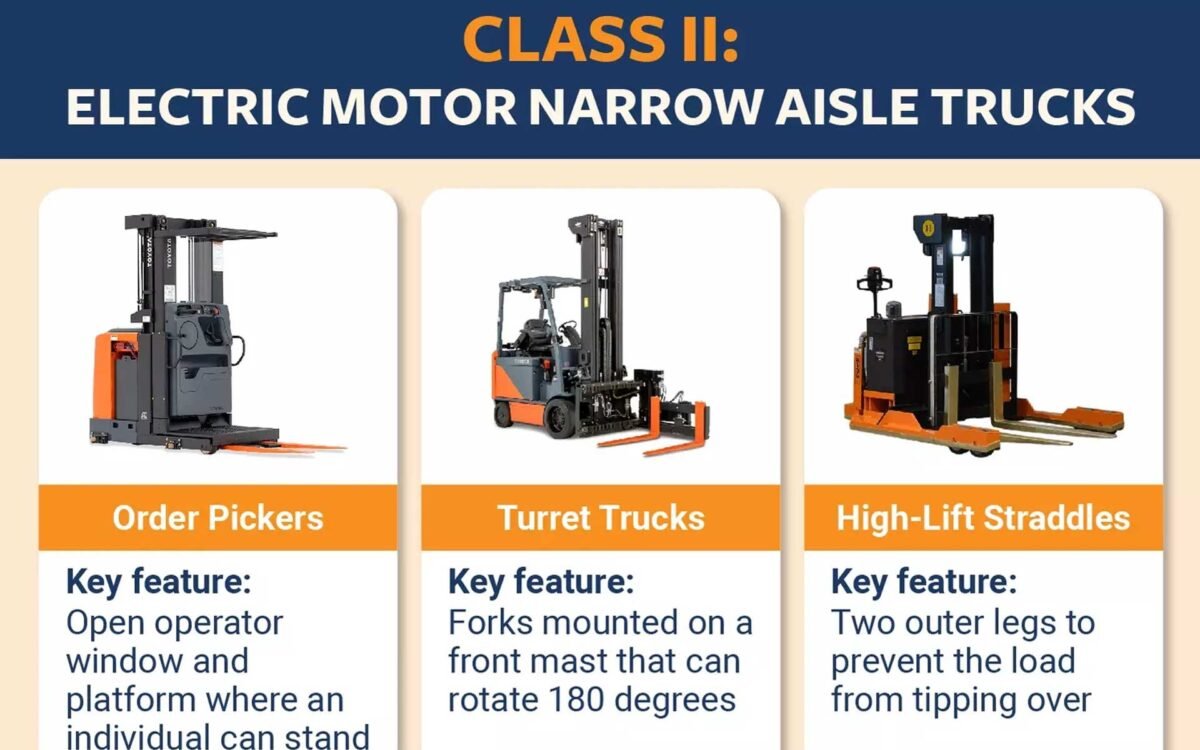
What Is a Class 2 Forklift? (Narrow Aisle Forklift Explained)
A Class 2 forklift is a category of electric-powered narrow aisle forklifts, designed to operate in tight warehouse spaces with high racking systems.According to the classification system defined by the Occupational Safety and Health Administration (OSHA), Class 2 forklifts are built to maximize storage efficiency by allowing operations in narrower aisles than standard forklifts.
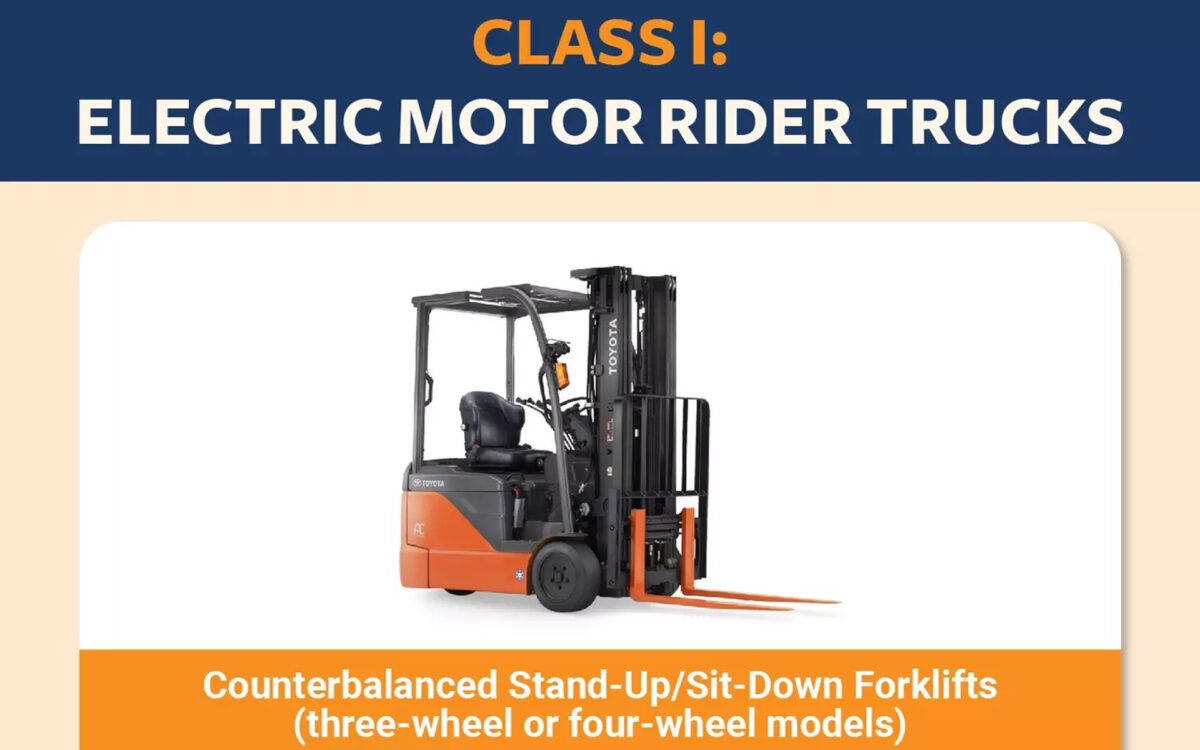
What Is a Class 1 Forklift? (Electric Forklift Explained)
A Class 1 forklift is a type of electric motor rider truck, designed for indoor material handling, warehouse operations, and pallet stacking.According to the classification system defined by the Occupational Safety and Health Administration (OSHA), Class 1 forklifts are powered by electric batteries and are commonly used in environments where low emissions, quiet operation, and efficiency are essential.
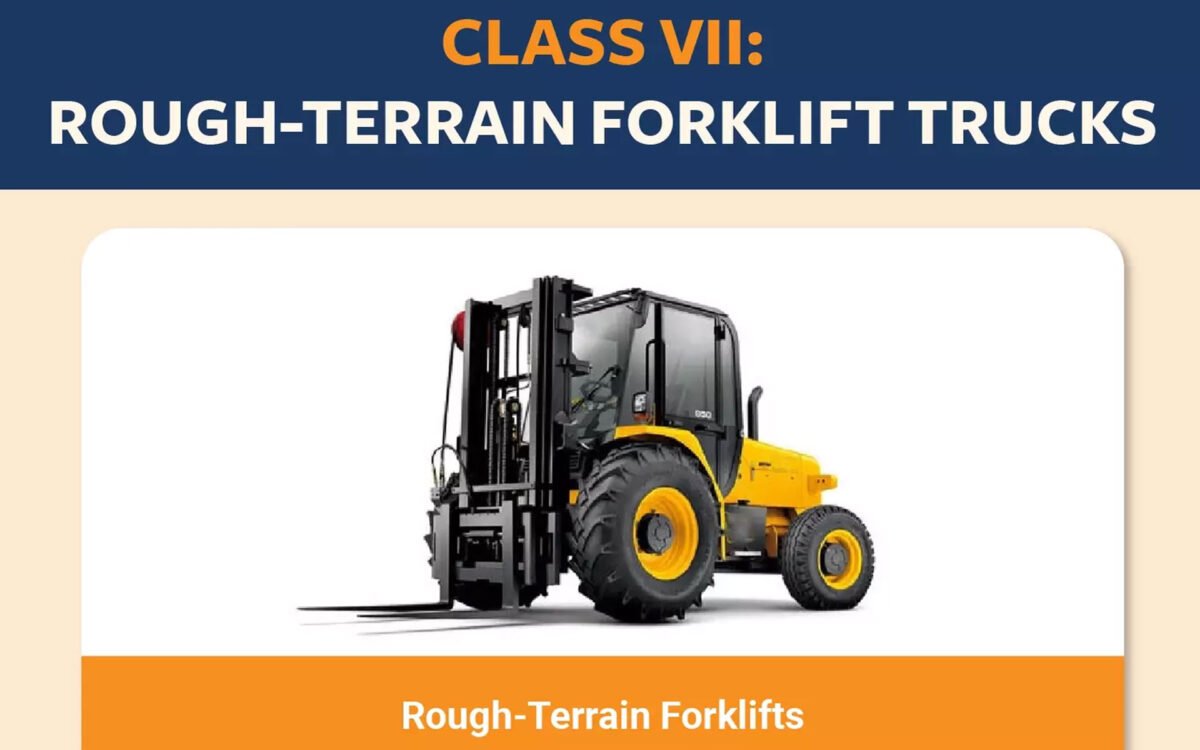
What Is a Class 7 Forklift? (Rough Terrain Forklift Explained)
A Class 7 forklift is a type of rough terrain forklift designed for outdoor use on uneven, rugged surfaces such as construction sites, farms, and industrial yards.According to the classification system defined by the Occupational Safety and Health Administration (OSHA), Class 7 forklifts are built with large pneumatic tires, high ground clearance, and powerful engines, making them ideal for demanding environments where standard forklifts cannot operate.
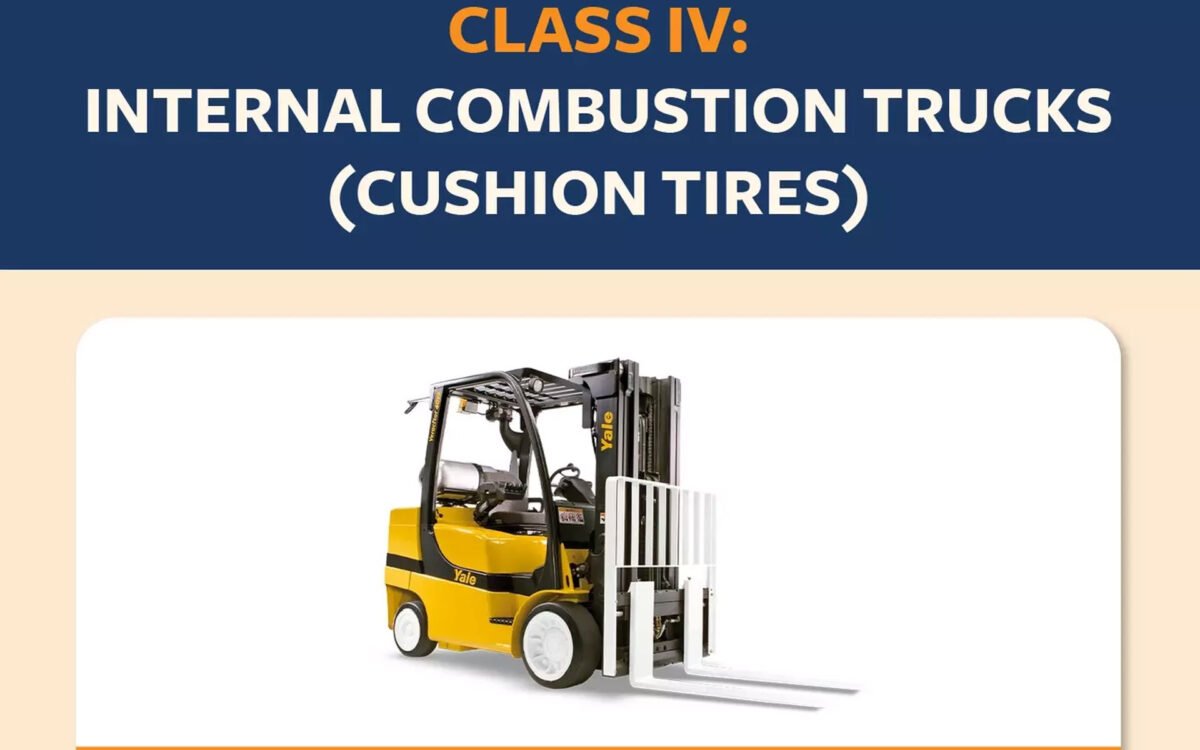
What Is a Class 4 Forklift? (Cushion Tire Forklift Explained)
A Class 4 forklift is a type of internal combustion (IC) forklift equipped with cushion tires, designed primarily for indoor use on smooth surfaces.According to the classification system defined by the Occupational Safety and Health Administration (OSHA), Class 4 forklifts are known for their strong lifting power, compact design, and ability to operate efficiently in confined indoor environments.
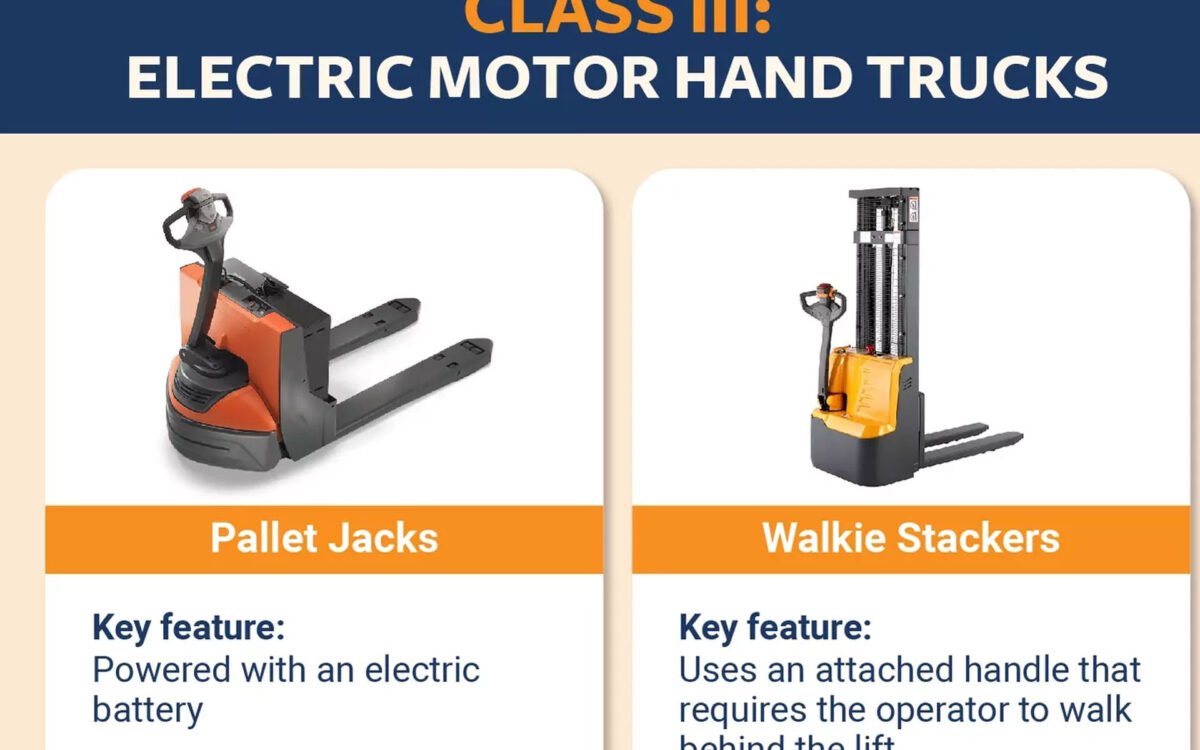
What Is a Class 3 Forklift? (Types, Uses & Key Features)
A Class 3 forklift refers to a category of electric-powered hand trucks, commonly known as walkie forklifts or pallet jacks, designed for short-distance material handling in warehouses and retail environments.According to the classification system defined by the Occupational Safety and Health Administration (OSHA), Class 3 forklifts are distinct from other types because they are operator-controlled on foot rather than seated.
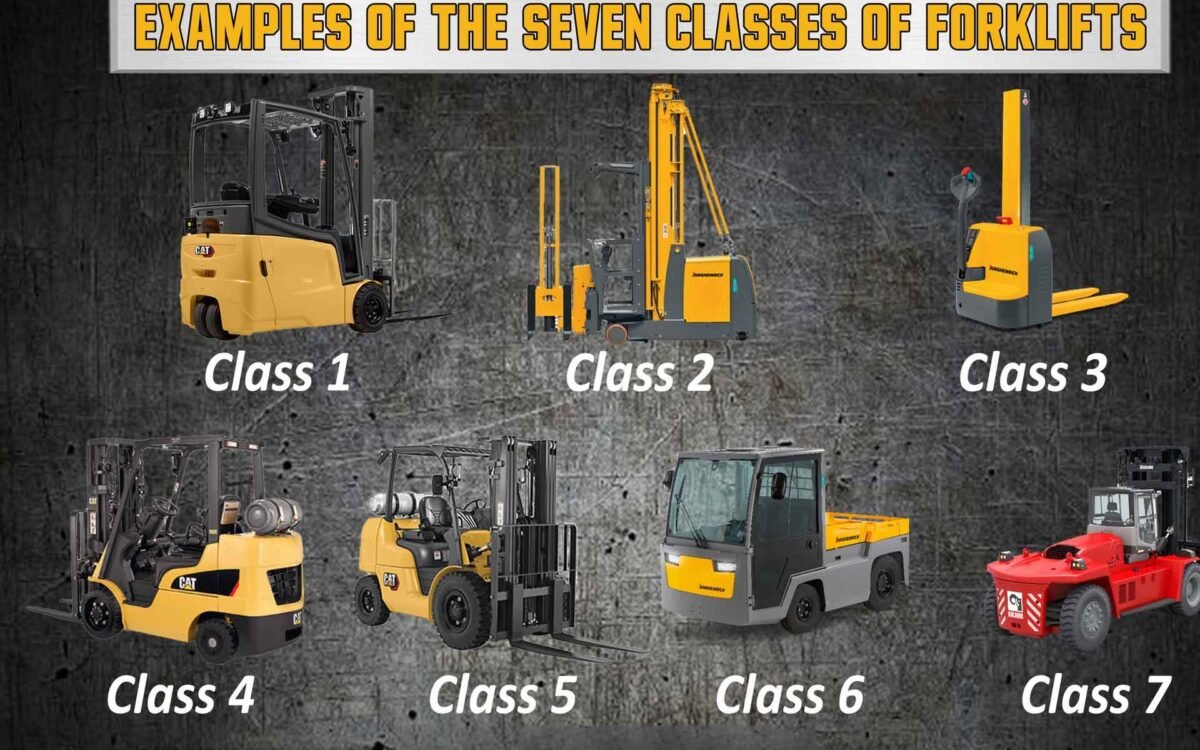
Forklift Classes Explained: Class 1–7 Forklift Types and Uses
Forklifts are categorized into different classes based on their power source, design, and intended use. Understanding these classifications is essential for choosing the right equipment, improving operational efficiency, and ensuring workplace safety.In the United States, forklift classifications are defined by the Occupational Safety and Health Administration (OSHA), which divides forklifts into seven classes (Class 1–7).This guide explains each forklift class, its features, and when to use ...
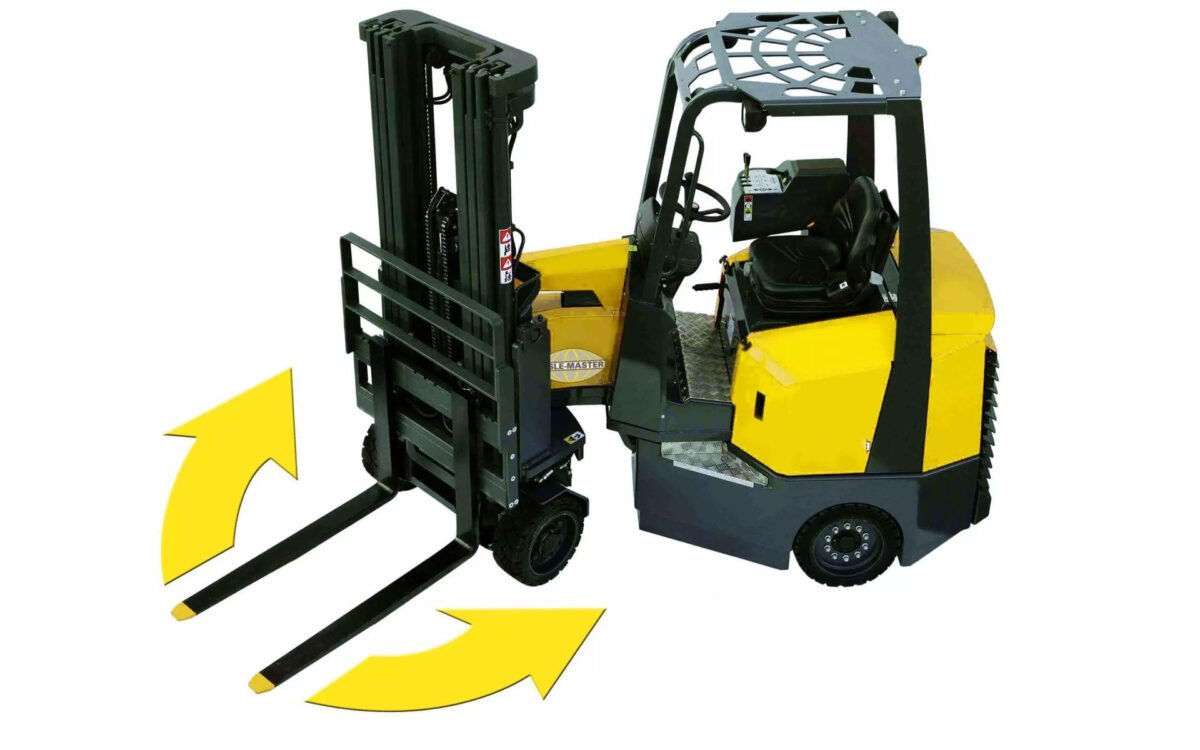
What Is a Bendi Forklift? (Articulated Forklift Explained)
A “Bendi forklift” is a term commonly used to describe an articulated forklift, a specialized type of forklift designed to operate in narrow aisles while maintaining the flexibility of a standard forklift.Originally associated with the brand Bendi, the term is now often used more broadly to refer to forklifts with a pivoting (articulating) design, allowing them to maneuver efficiently in tight warehouse spaces.
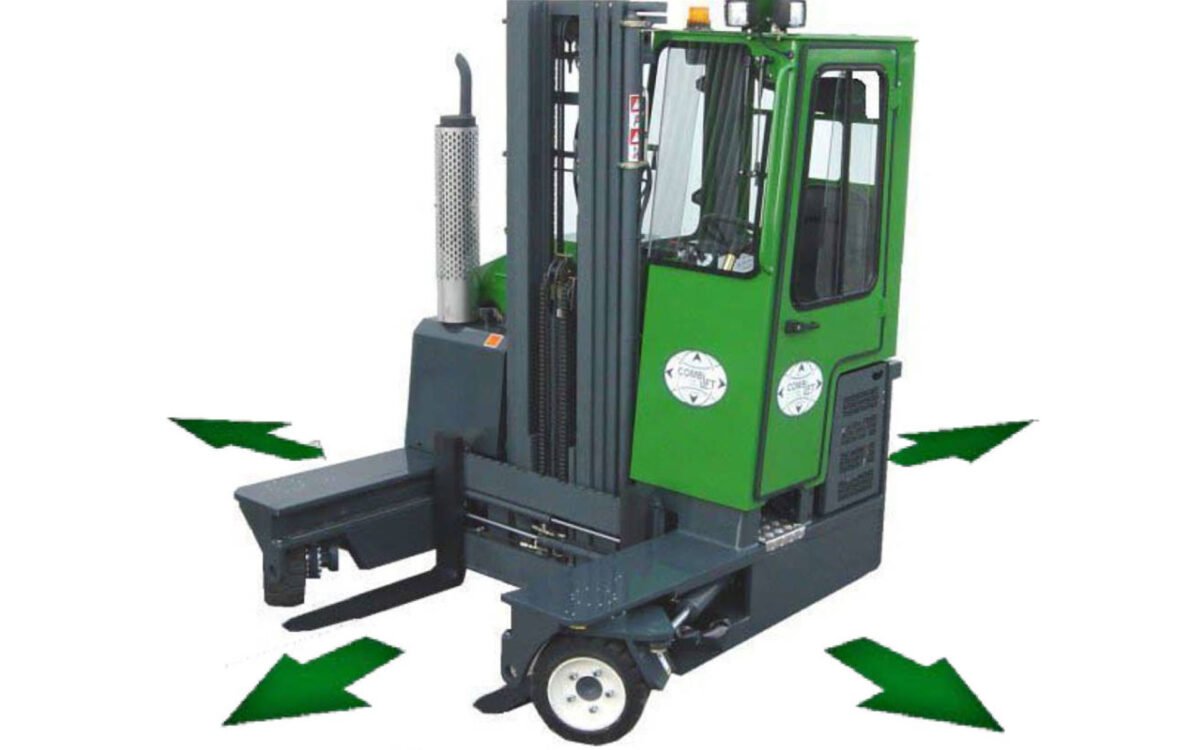
What Is a Combilift? (Multi-Directional Forklift Explained)
A “Combilift” is a brand name commonly used to describe a multi-directional forklift, a specialized type of forklift designed to handle long, bulky, and oversized loads in narrow spaces.Originally developed by Combilift, the term “Combilift” is now sometimes used more broadly in the industry to refer to forklifts with multi-directional movement capabilities.These machines are widely used in industries such as steel, timber, and construction, where handling long materials efficiently is criti ...
What Is a High Reach Forklift? (Types, Uses & How to Choose)
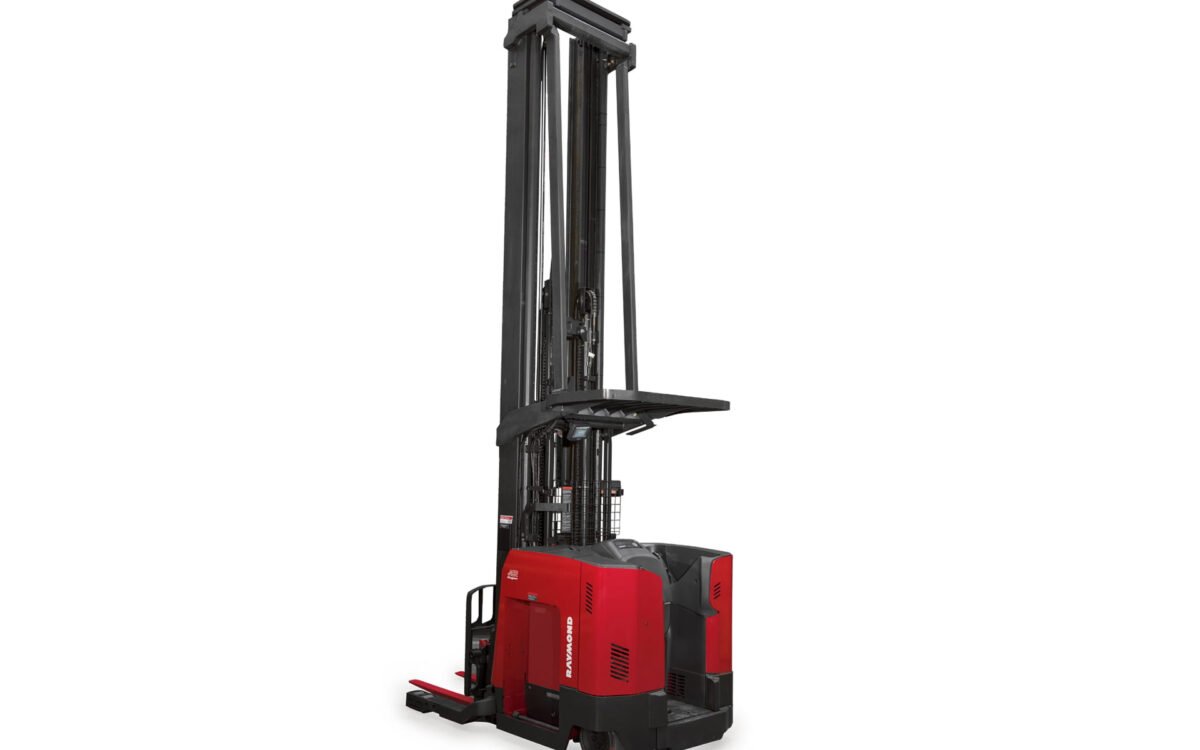
A high reach forklift is a general term used to describe forklifts that are designed to lift loads to greater heights than standard forklifts, typically in warehouses with high racking systems.Unlike standard forklifts, which are mainly used for ground-level handling, high reach forklifts are built to maximize vertical storage space and improve warehouse efficiency.This category can include several types of forklifts, such as reach trucks, turret forklifts (VNA trucks), and high-level order ...
What Is Free Lift on a Forklift? (Full Free Lift Explained + Why It Matters)
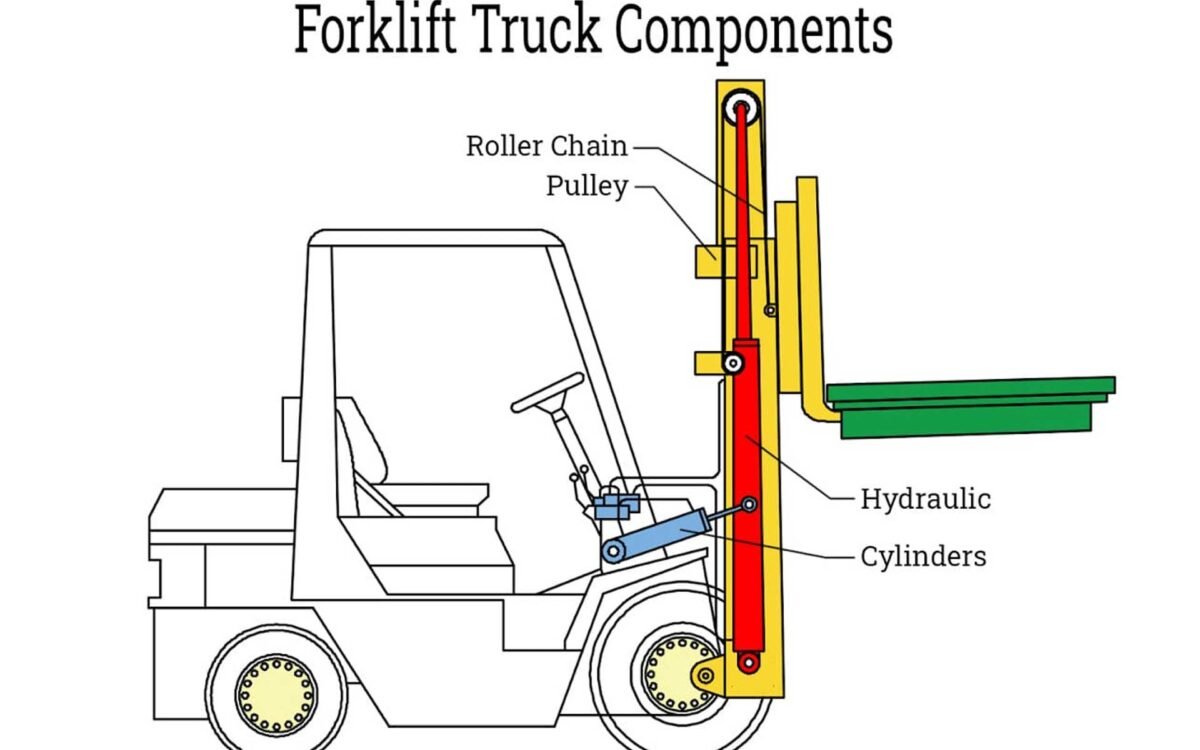
Free lift on a forklift refers to the height the forks can be raised without increasing the overall height of the mast.This feature is especially important in environments with limited overhead clearance, such as shipping containers, trailers, and low-ceiling warehouses, where raising the mast could cause collisions or safety issues.Understanding free lift—and especially full free lift—is essential when choosing the right forklift for your operation.
What Is a Slip Sheet Forklift? (Push-Pull System Explained + Benefits)
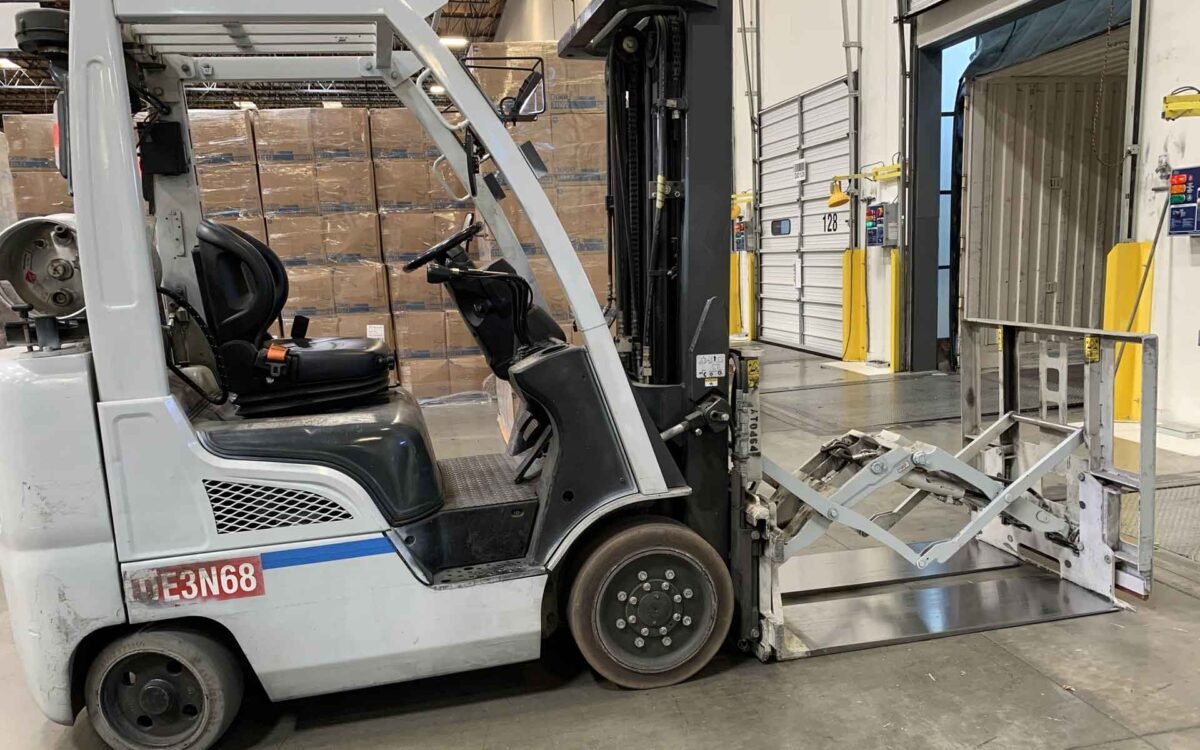
A slip sheet forklift, also known as a push-pull forklift, is a type of forklift equipped with a push-pull attachment that allows it to handle loads using slip sheets instead of traditional pallets.This system is widely used in logistics and warehousing to reduce pallet costs, increase shipping efficiency, and maximize container space—making it a popular solution for export-oriented businesses.
What Is a Turret Forklift? (VNA Truck Explained, Uses & Benefits)
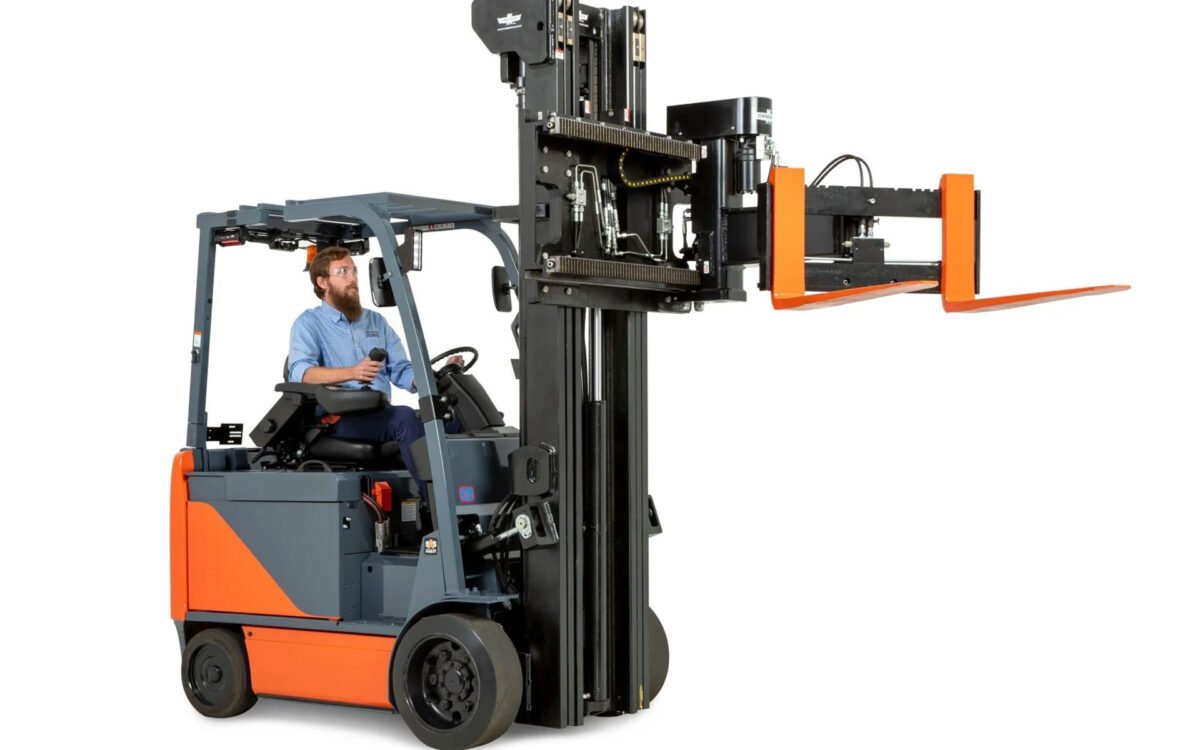
A turret forklift, also known as a turret truck or VNA (very narrow aisle) forklift, is a specialized warehouse forklift designed to operate in extremely tight aisles while allowing its forks to rotate left and right.Unlike traditional forklifts, a turret forklift can pick and place loads without turning the entire vehicle, making it ideal for high-density storage environments where space optimization is critical.
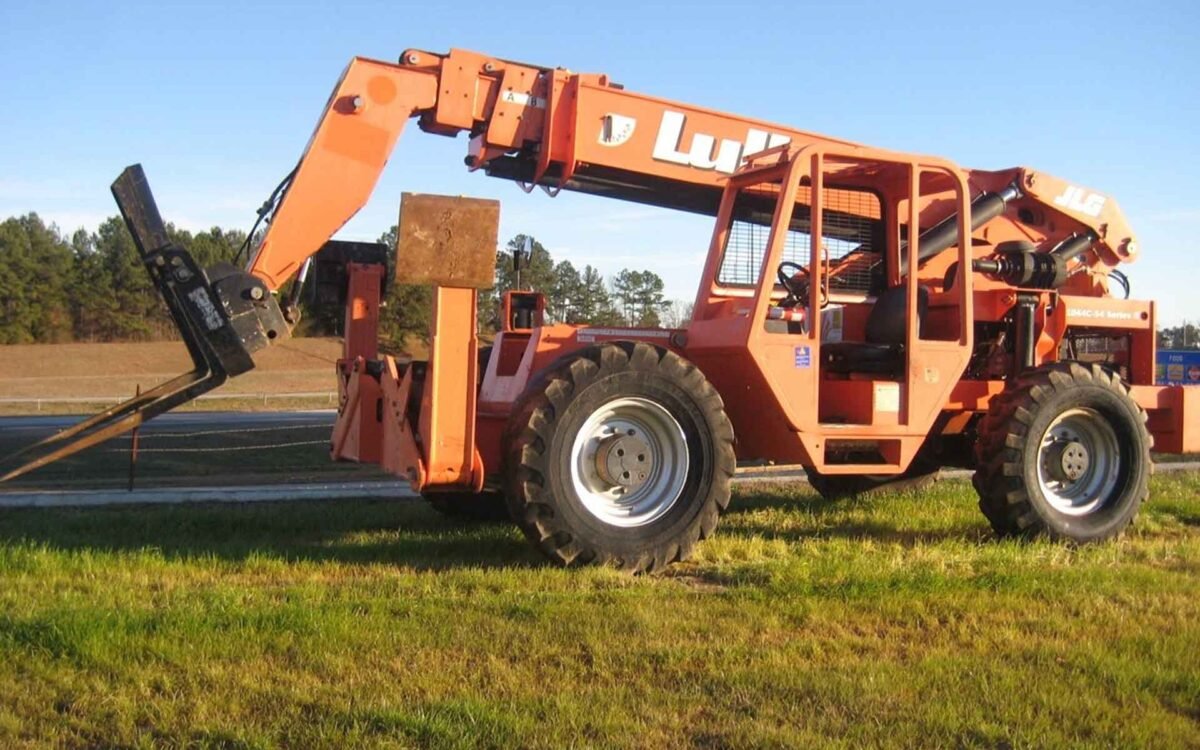
What Is a Lull Forklift (Lull Lift or Lull Machine)? A Complete Guide to Telehandlers
A lull forklift, also known as a lull lift or lull machine, is a commonly used term for a telehandler (telescopic handler)—a versatile lifting machine designed to move, lift, and place heavy materials at height and over obstacles.While “Lull” originally comes from a brand name, it is now widely used in the industry to describe telehandlers in general.Unlike standard forklifts, a telehandler is built with a telescopic boom, allowing it to extend forward and upward, making it ideal for constru ...
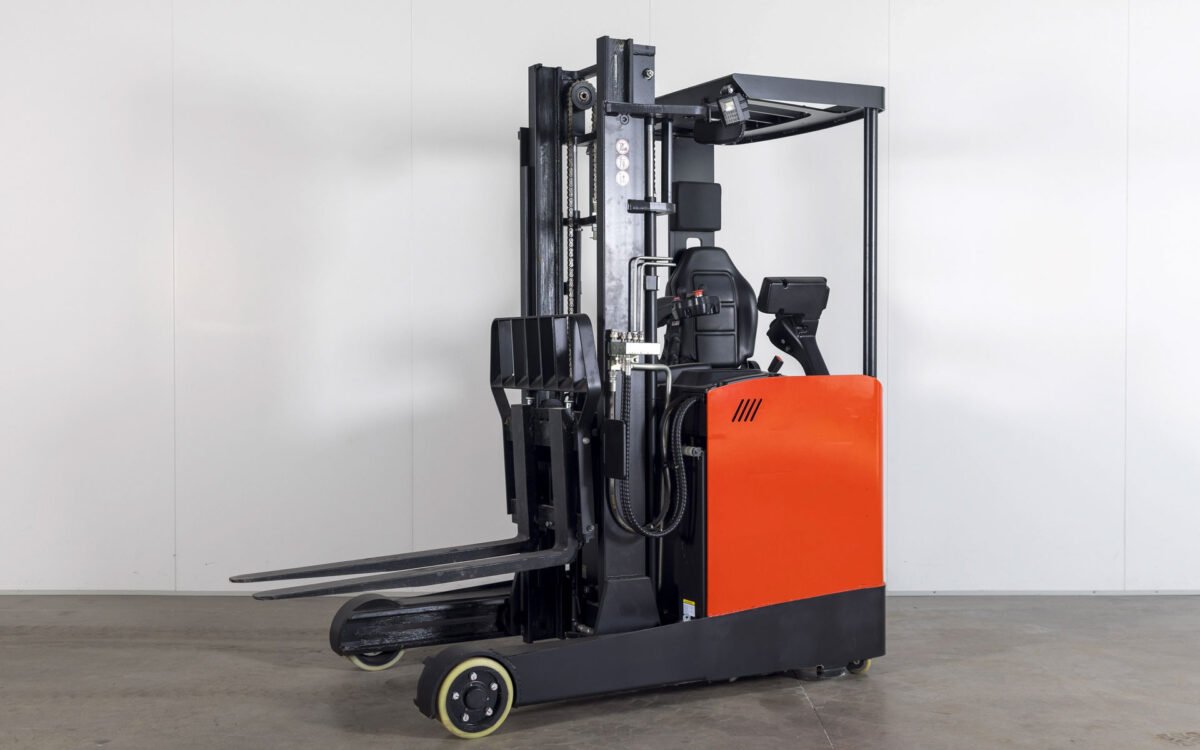
What Is a Reach Forklift? (How It Works, Uses & Benefits)
A reach forklift, also known as a reach truck, is a specialized type of forklift designed for narrow aisle warehouse operations. It features an extending mast that allows the forks to “reach” forward into storage racks, making it ideal for high-density storage environments.Unlike standard forklifts, reach forklifts are built to maximize vertical space and improve warehouse efficiency, especially where aisle width is limited.
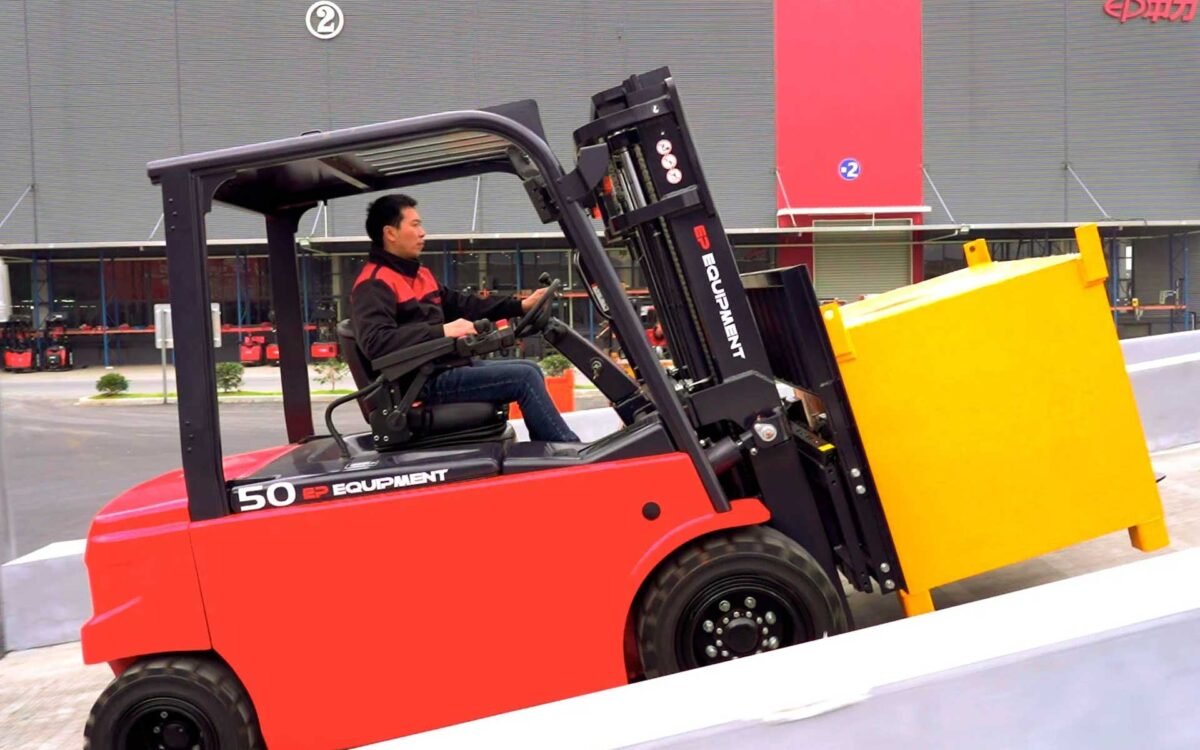
What Is a Counterbalance Forklift? (Uses, Types & How It Works)
A counterbalance forklift is a type of forklift designed with a heavy weight at the rear of the machine to offset the load carried at the front, allowing it to lift and transport materials safely without the need for additional support legs.It is the most commonly used forklift type in warehouses, factories, and logistics operations due to its simplicity, versatility, and ease of use.
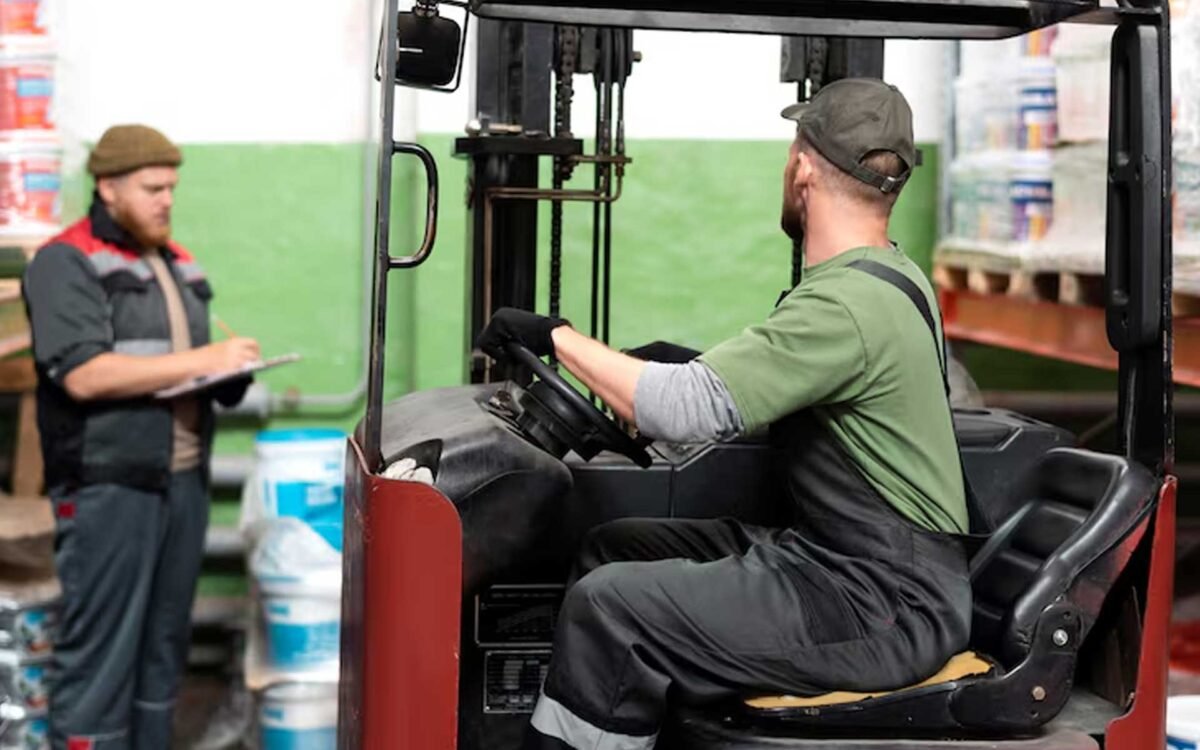
What Is Plugging on a Forklift? (How It Works, Benefits & Safety Tips)
Plugging, also known as reverse current braking, is a technique used in forklifts to slow down or stop the machine by shifting the direction of travel—without using the brake pedal.Instead of relying on traditional braking, the operator switches from forward to reverse (or vice versa), allowing the motor to generate an opposing force that quickly reduces speed.This method is widely used in warehouse operations where fast stopping and efficient maneuvering are essential.
What Is a Forklift Designed to Do? (Functions, Uses & Business Benefits Explained)
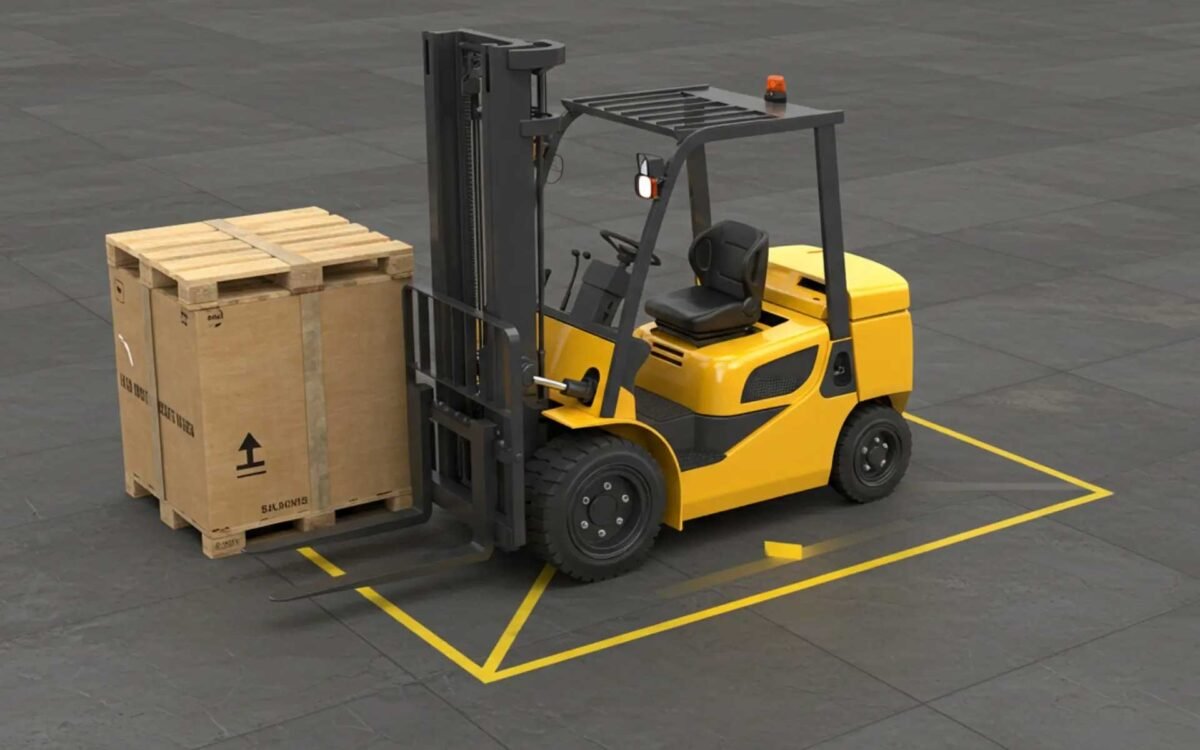
A forklift is designed to lift, carry, move, and stack heavy materials efficiently over short distances, primarily in warehouses, factories, and logistics centers.But beyond its basic function, a forklift plays a critical role in modern operations—it helps businesses increase productivity, reduce manual labor, improve safety, and optimize storage space.In this guide, we’ll break down exactly what a forklift is designed to do, where it’s used, and why it’s essential for efficient material han ...
What Type of Forklift Is Best for Indoor Use? (2026 Buyer’s Guide + Real Scenarios)
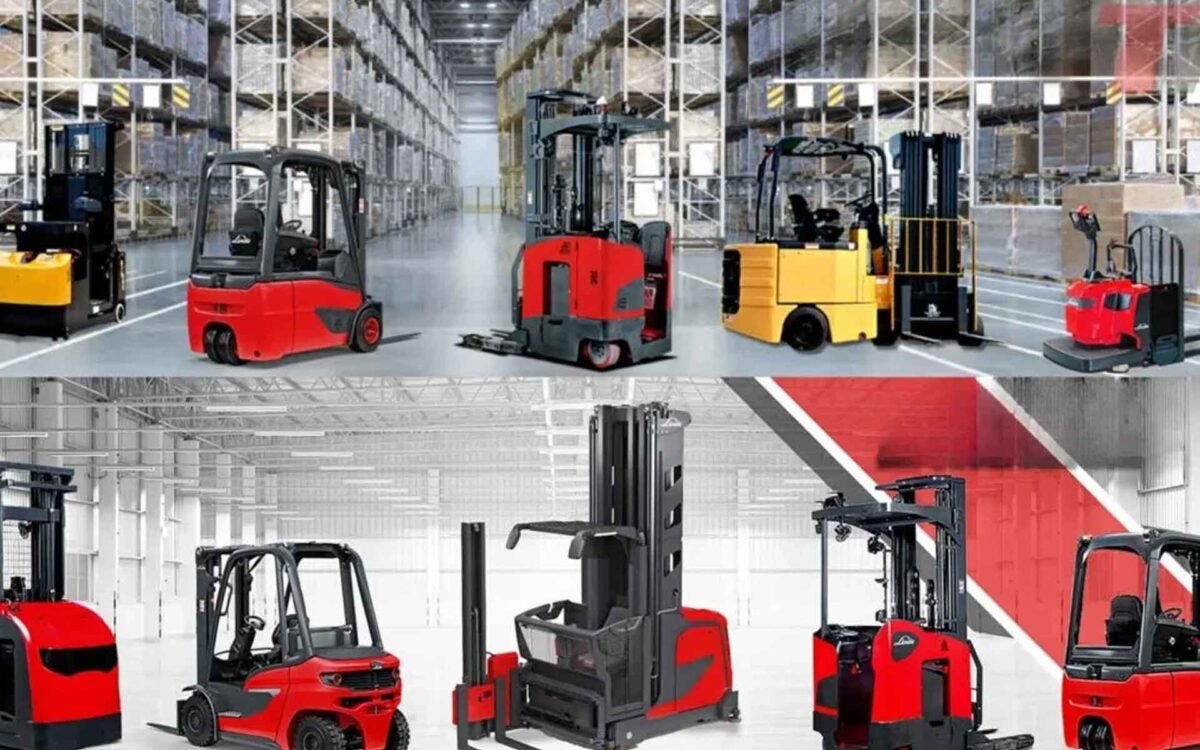
Choosing the right forklift for indoor use is critical for safety, efficiency, and long-term operating costs. The wrong choice can lead to poor maneuverability, higher maintenance, and even safety risks in enclosed spaces.In this guide, we’ll break down the best types of indoor forklifts based on real warehouse scenarios, helping you make a confident and cost-effective decision.
Pallet Jack vs Forklift: Which One Does Your Business Actually Need?
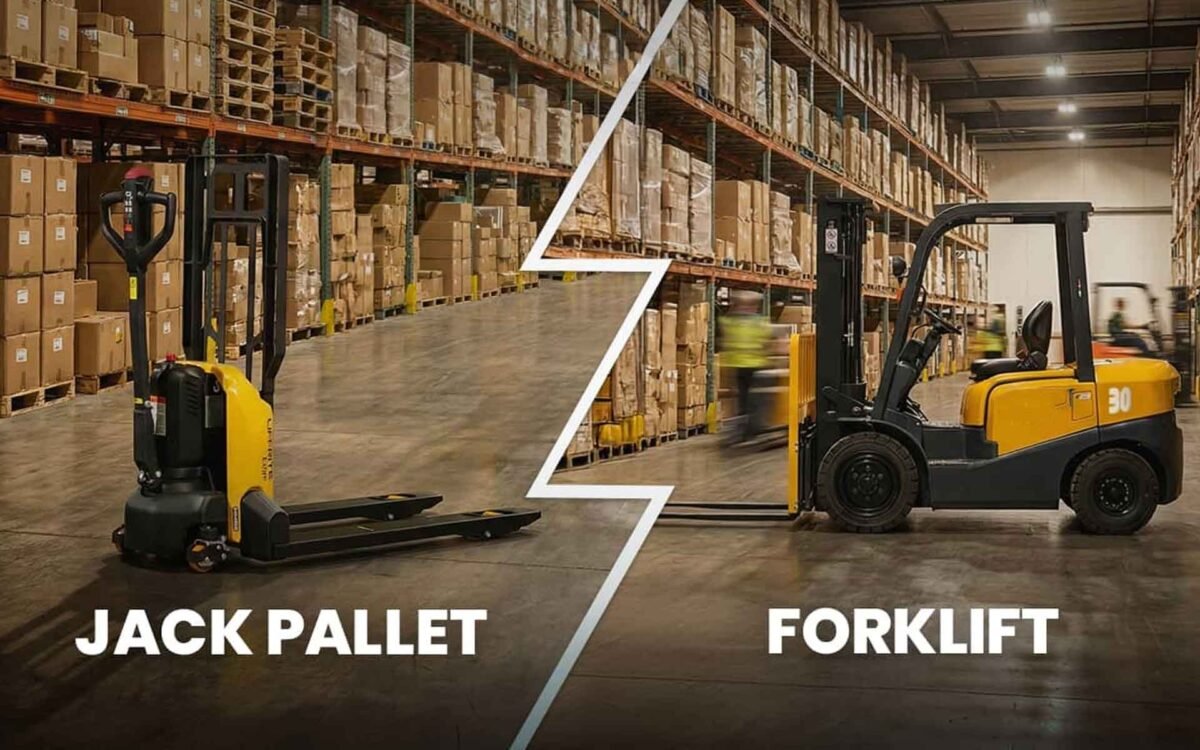
In the early stages of a warehouse or retail operation, every dollar counts. You know you need to move pallets, but the price gap between a Manual Pallet Jack and a Counterbalance Forklift is massive.Choosing the wrong one leads to two major risks: buying a forklift you don’t have the space to maneuver, or relying on a pallet jack that leaves your staff exhausted and your vertical warehouse space wasted. Here is the professional breakdown to help you choose the right "muscle" for your floor.
Order Picker vs Reach Truck: Which High-Bay Solution Maximizes Your ROI?
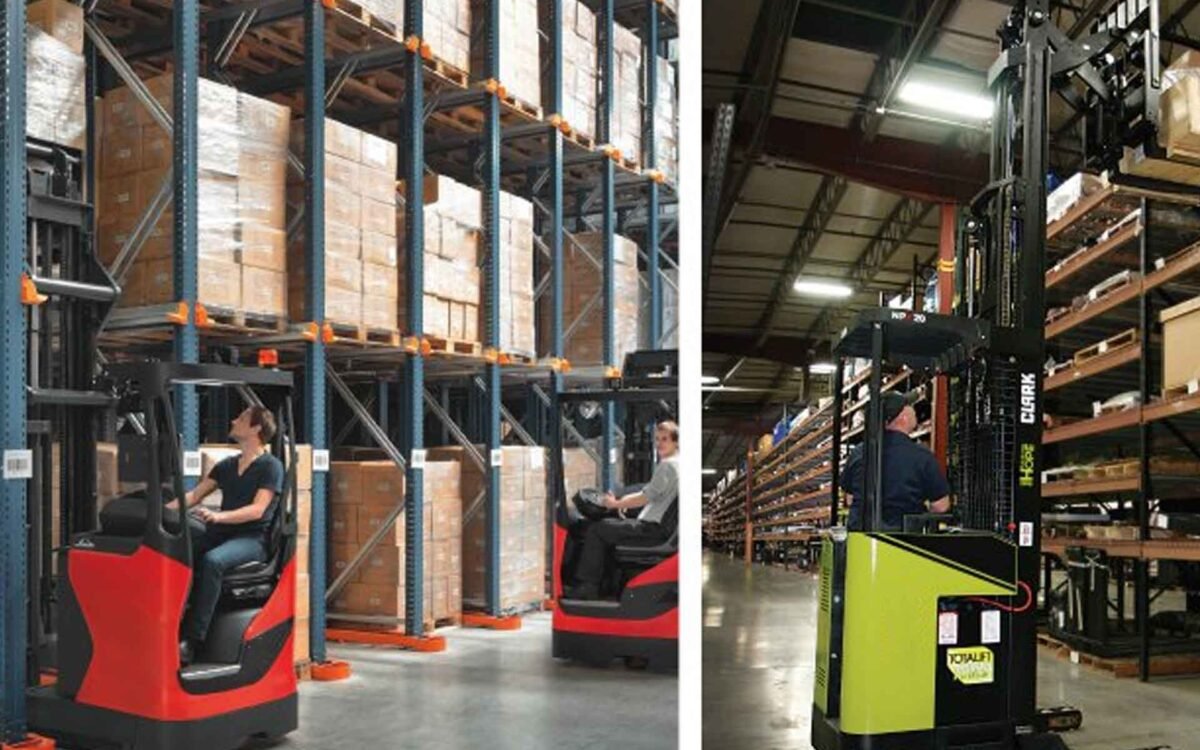
In the world of high-density warehousing, space is money. But as you expand vertically, a critical question arises: Do you need to move the pallet, or do you need to move the person?Choosing between an Order Picker and a Reach Truck isn't just a technical decision; it’s a strategic one that dictates your entire fulfillment speed. If you choose the wrong machine, you’ll find your operators spending 40% of their shift doing unnecessary "double-handling."Here is the reliable, no-nonsense guide ...
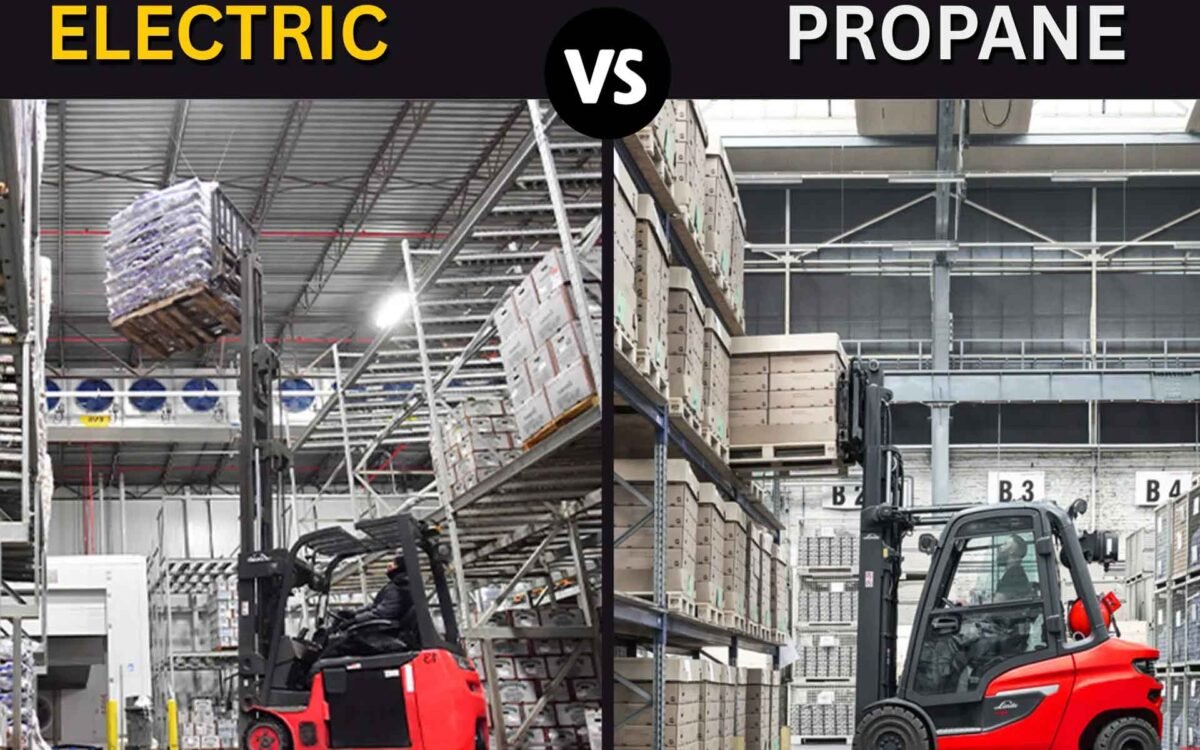
Electric vs Propane Forklifts: Real 5-Year Cost Breakdown (2026 Guide)
For a facility manager or business owner, the choice between Electric and Propane (LPG) forklifts is no longer just about the purchase price—it is a strategic decision involving infrastructure, long-term energy costs, and environmental mandates.While the industry is shifting aggressively toward electric power, propane remains the "heavyweight champion" for certain high-intensity applications. Here is a professional breakdown of how these two power sources compare in a real-world industrial env ...
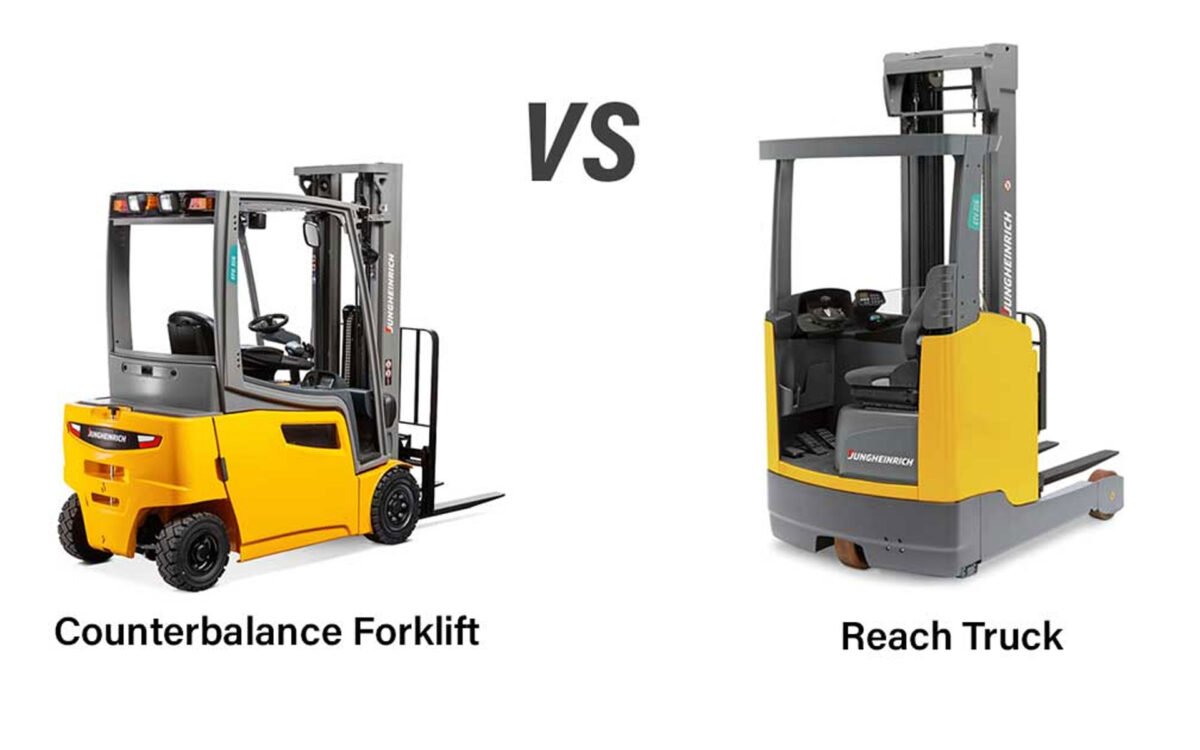
Reach Truck vs Forklift: Which One Is the Real ROI Champion for Your Warehouse?
Choosing between a Reach Truck and a Standard Counterbalance Forklift is one of the most critical decisions in warehouse planning. One is a powerhouse of versatility; the other is a specialist in space-saving efficiency. Picking the wrong one doesn't just waste money—it can cause your entire logistics workflow to grind to a halt. Here is the "no-nonsense" breakdown of the key differences and, more importantly, how to choose based on your actual operational environment.
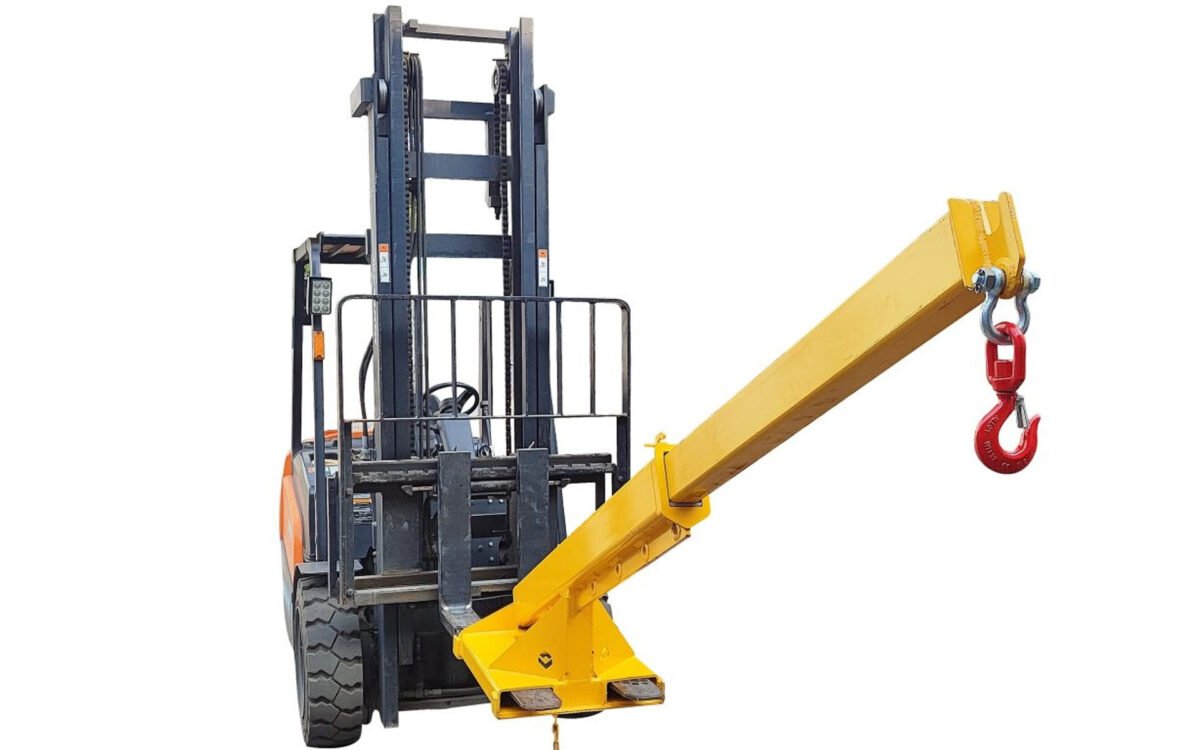
The Comprehensive Guide to Forklift Booms: Engineering, Mechanics, and Optimization
In heavy-duty material handling, a standard forklift is often limited by its own geometry. When faced with "unpalletized" loads—such as bundles of steel, industrial engines, or equipment buried deep in a 40ft container—the forks become a liability rather than an asset. This is where the Forklift Boom (also known as a Crane Jib) serves as a strategic engineering upgrade, bridging the gap between a forklift and a mobile crane.