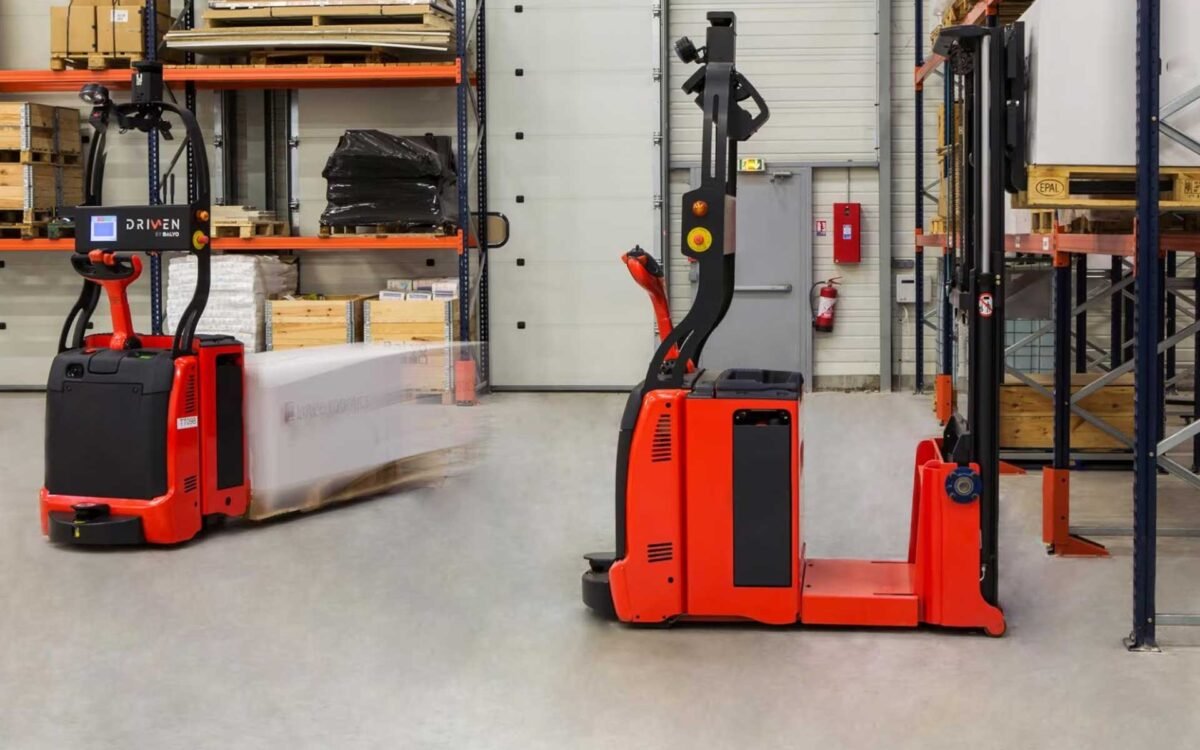
Beyond the Price Tag: The Hidden Costs and Real-World Role of Self-Driving Forklifts in Modern Warehouses
Self-driving forklifts can reduce labor costs, improve operational consistency, and increase warehouse efficiency. However, many automation projects fail to deliver the expected return on investment because companies underestimate the hidden costs and operational challenges involved.
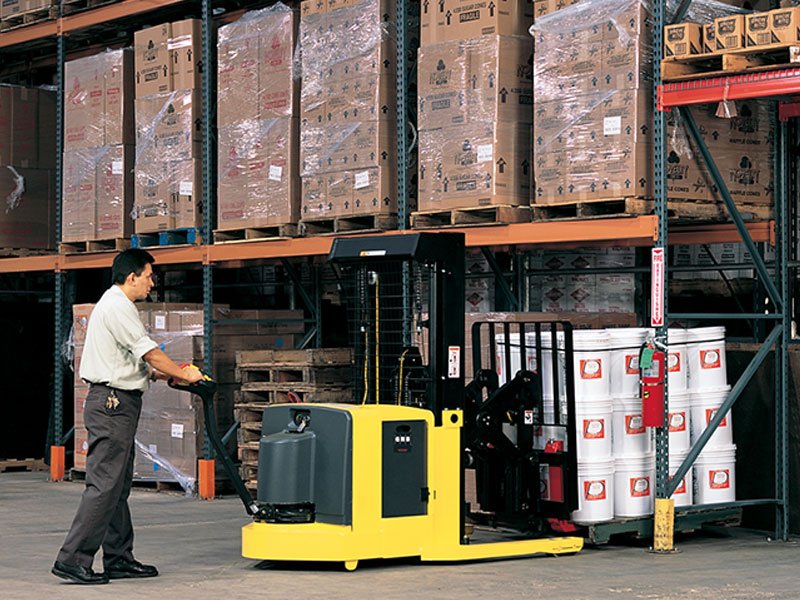
Buying a Walk-Behind Forklift? 5 Hidden Costs That Destroy Your Warehouse ROI
A cheap walk-behind forklift can cost significantly more over its lifetime than a higher-quality model.The hidden costs usually include:Faster wheel replacement Shorter battery life Poor ramp performance Increased downtime Limited spare parts availability Lower resale value
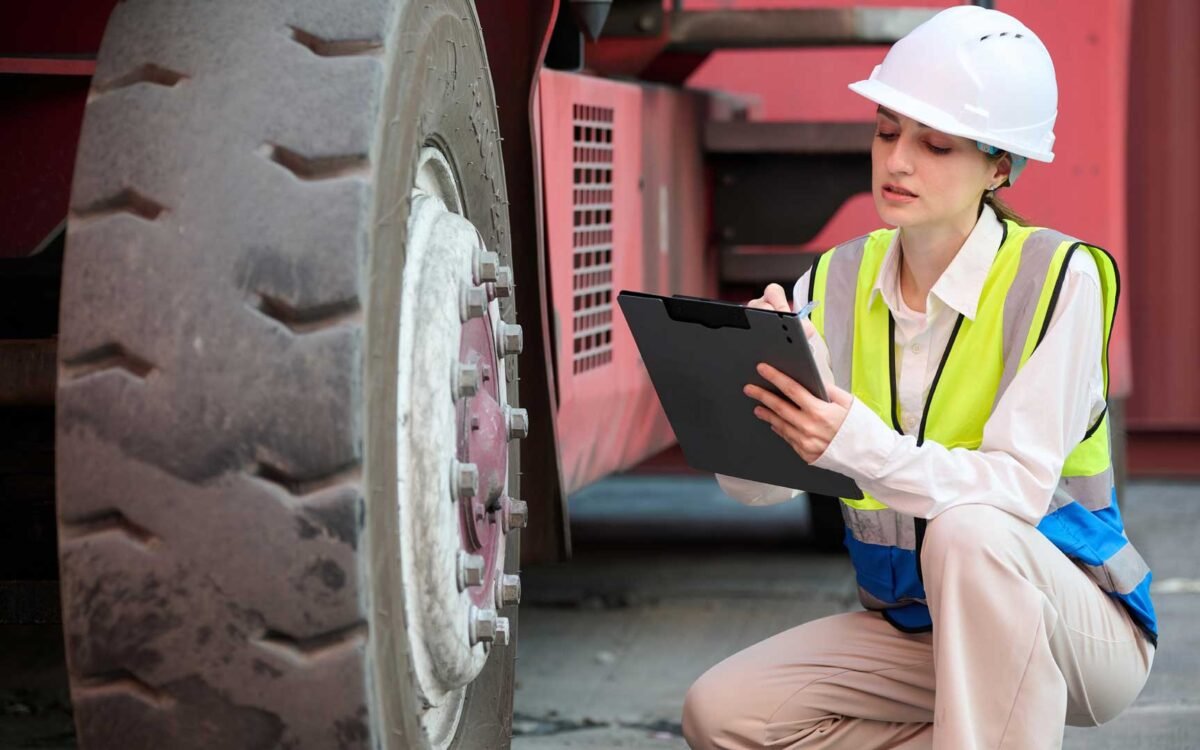
Why Forklift Tires Wear Faster Near Loading Docks
Forklift tires wear faster near loading docks because forklifts repeatedly experience:Dock plate impacts Floor height transitions Heavy load concentration Frequent turning movements Uneven concrete surfaces Increased braking activityThese conditions create significantly more stress on tires than normal warehouse travel routes.As a result, tire replacement intervals are often much shorter for forklifts that spend most of their time loading and unloading trailers.
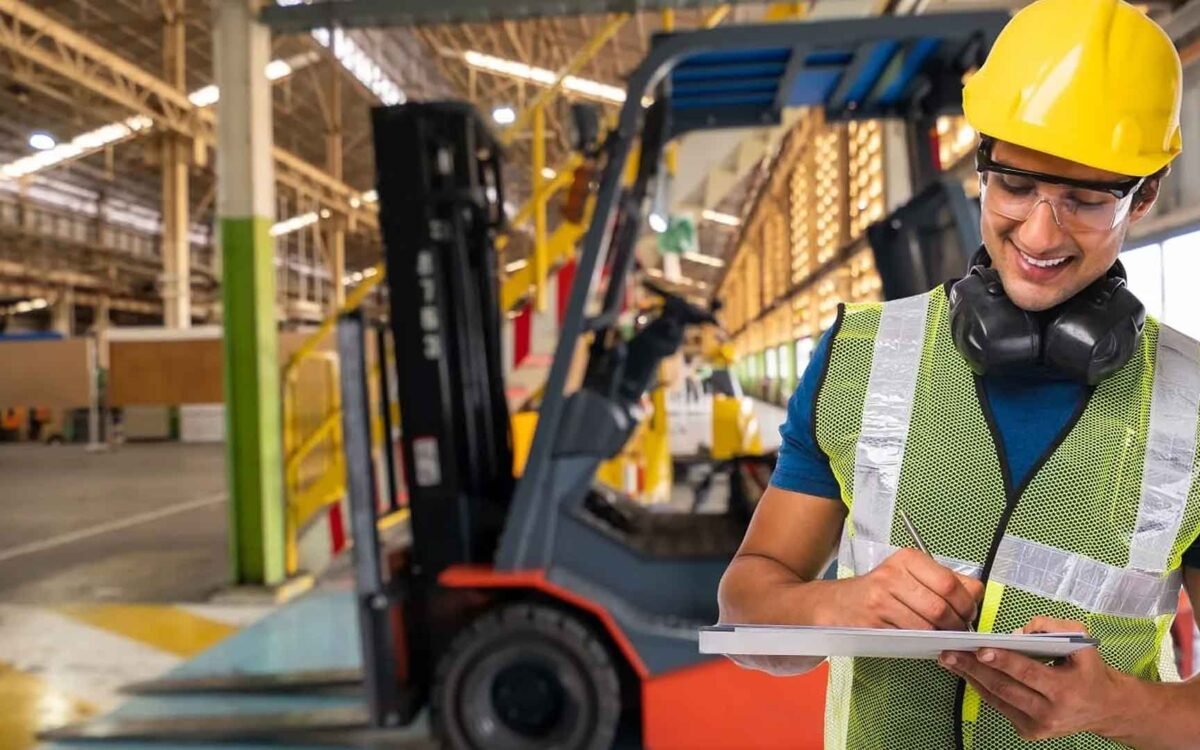
How Warehouse Temperature Affects Forklift Battery Performance
The short answer is simple: extreme temperatures reduce battery performance, increase operating costs, and can significantly shorten battery life.
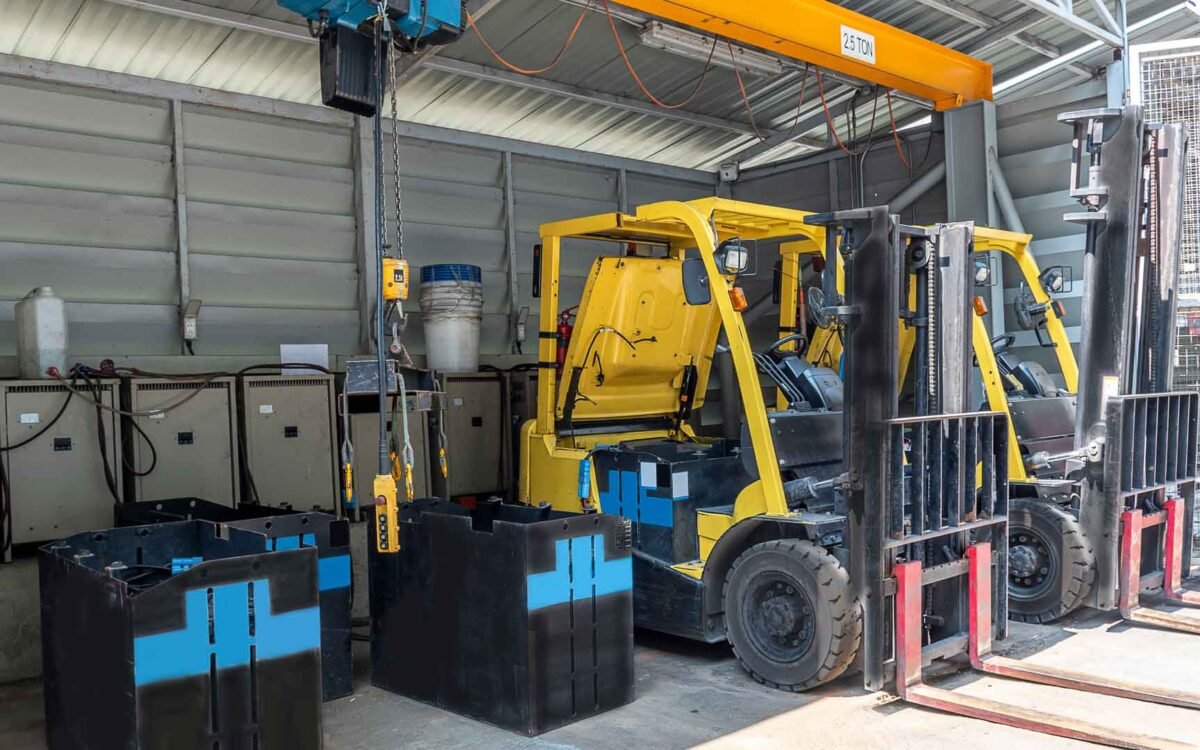
Hidden Costs of Forklift Battery Replacement
Whether you operate electric forklifts, reach trucks, pallet jacks, or order pickers, replacing a forklift battery can involve several hidden expenses that are frequently overlooked during budgeting.In many cases, these indirect costs can equal or even exceed the cost difference between competing battery options.
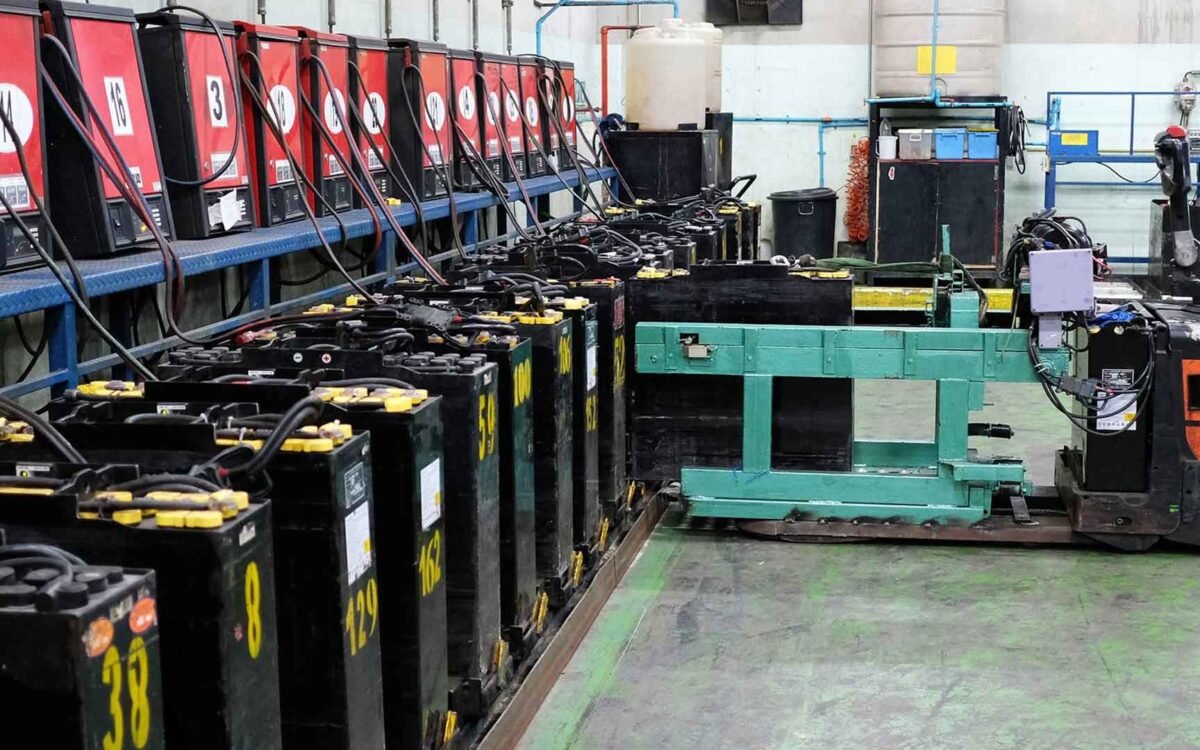
Why Fast Charging Can Shorten Forklift Battery Life
Fast charging can shorten forklift battery life if it is used improperly or too frequently.While lithium batteries are designed to accept higher charging currents than traditional lead-acid batteries, repeated fast charging can increase battery temperatures, accelerate cell degradation, and reduce long-term battery performance.
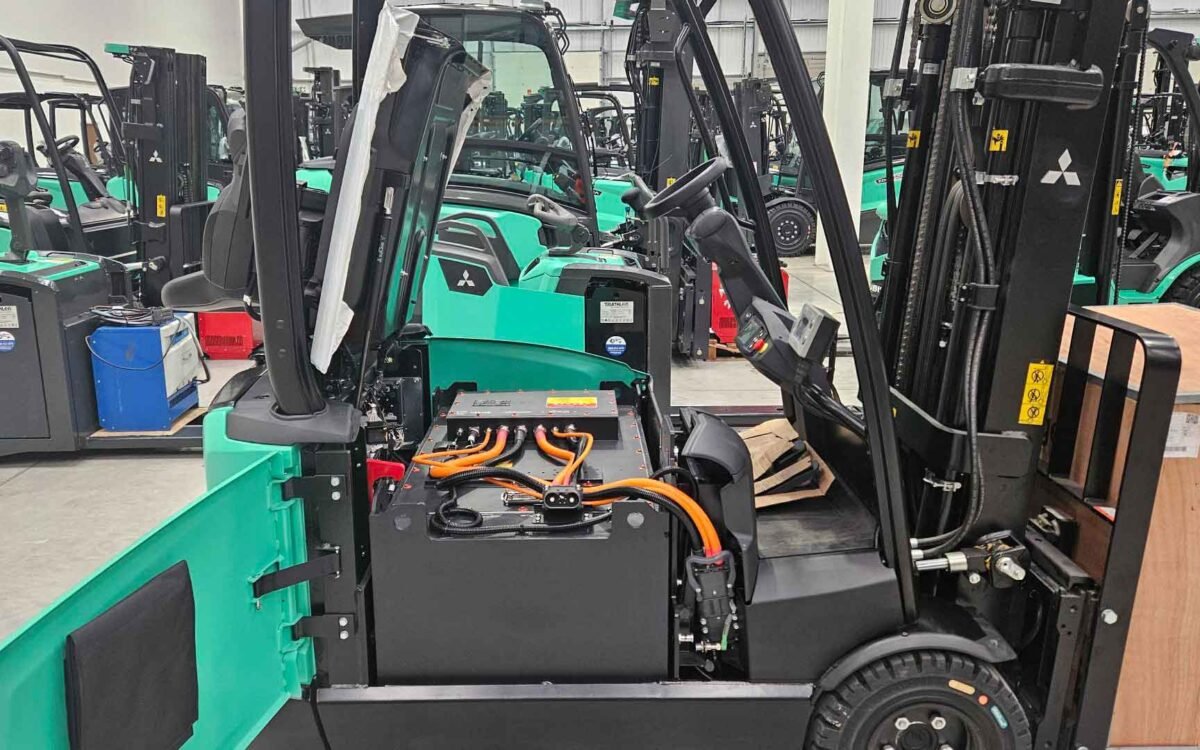
Why Lithium Forklift Batteries Rarely Deliver Their Advertised Runtime
The reason is simple: battery manufacturers typically publish runtime figures based on ideal operating conditions. In actual warehouses, factors such as load weight, lift height, travel distance, temperature, charging habits, and operator behavior can dramatically reduce battery performance.
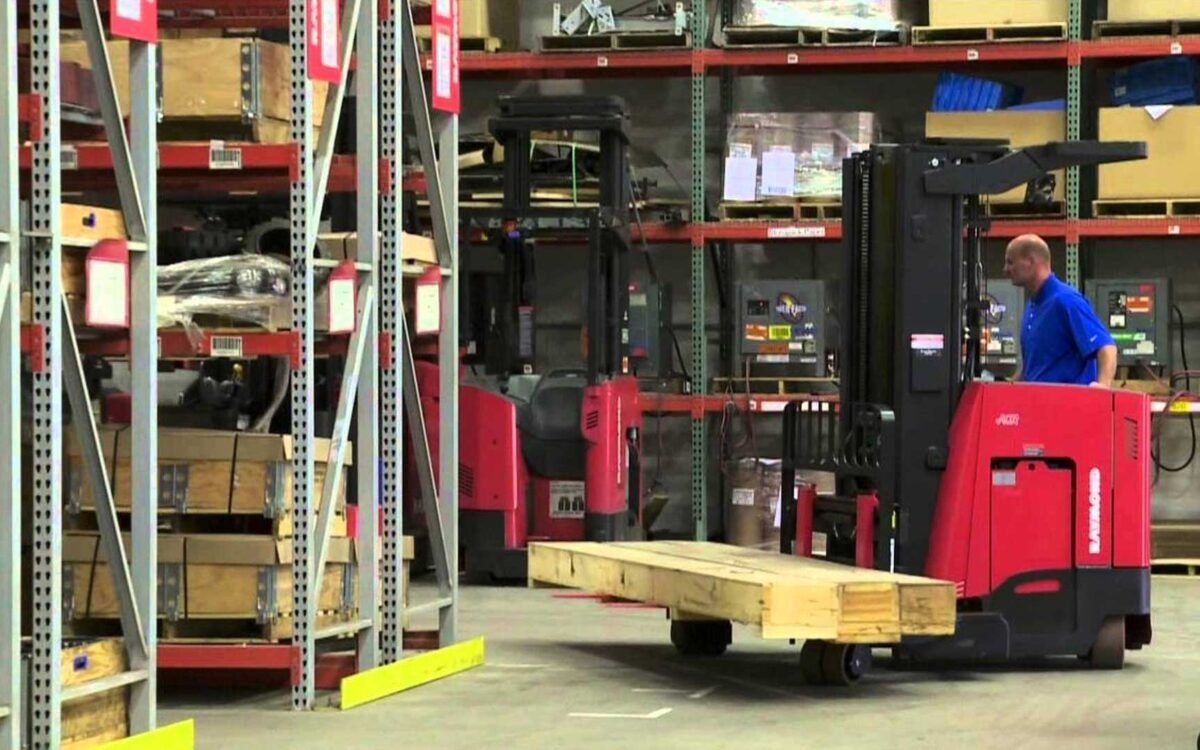
Why Reach Trucks Lose Stability on Expansion Joints
Reach trucks often lose stability when crossing warehouse expansion joints because their design combines small load wheels, a forward-reaching mast, and a high center of gravity. Even a small floor gap can create vibration, load sway, mast oscillation, and temporary traction loss.
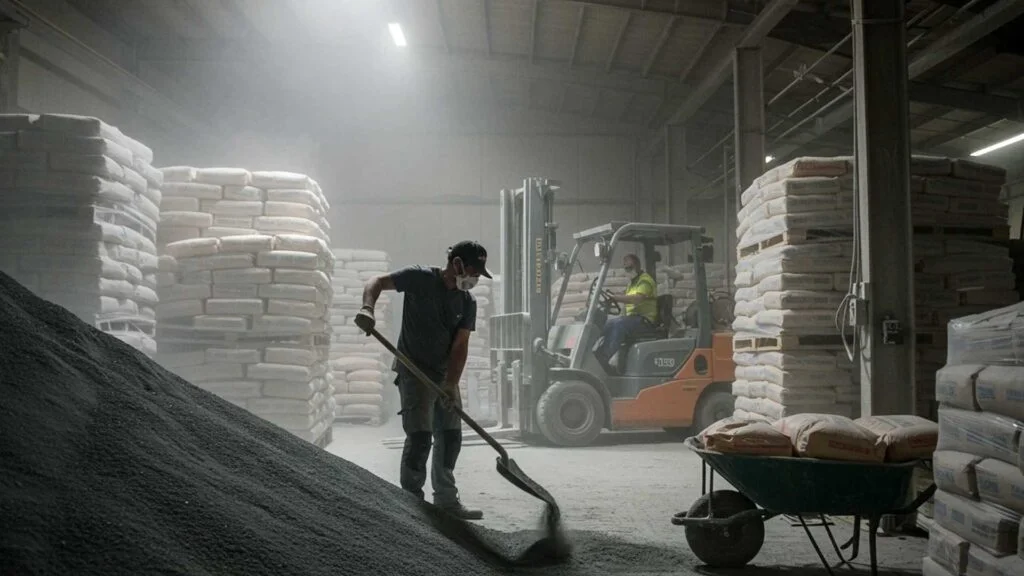
Why Forklift Sensors Fail in Dusty Warehouses
Forklift sensors often fail in dusty warehouses because dust accumulates on laser scanners, cameras, ultrasonic sensors, and electronic components, causing false alarms, inaccurate readings, and unexpected system shutdowns.
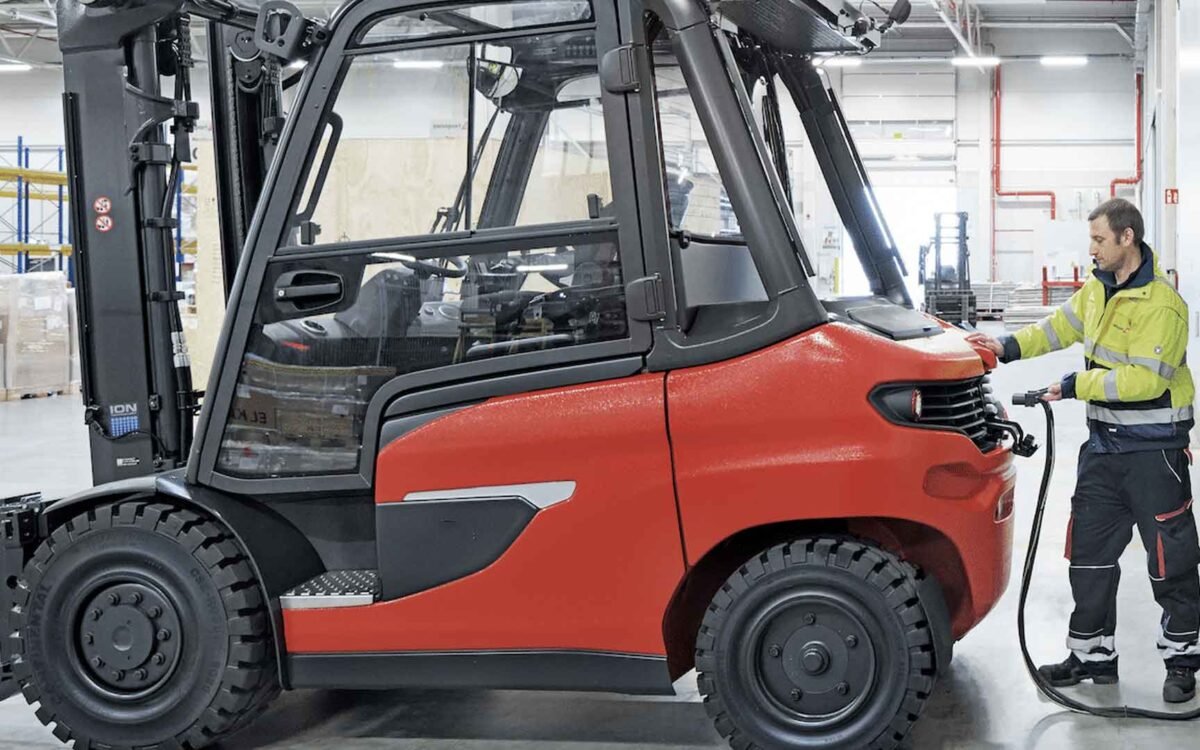
The Real Problem With Lithium Forklifts in Multi-Shift Warehouses
Lithium forklifts work extremely well in many warehouses — but in multi-shift operations, the biggest problems are often not the batteries themselves. The real issues are continuous fast charging, battery heat accumulation, charging station bottlenecks, old warehouse electrical systems, and battery management system BMS limitations.
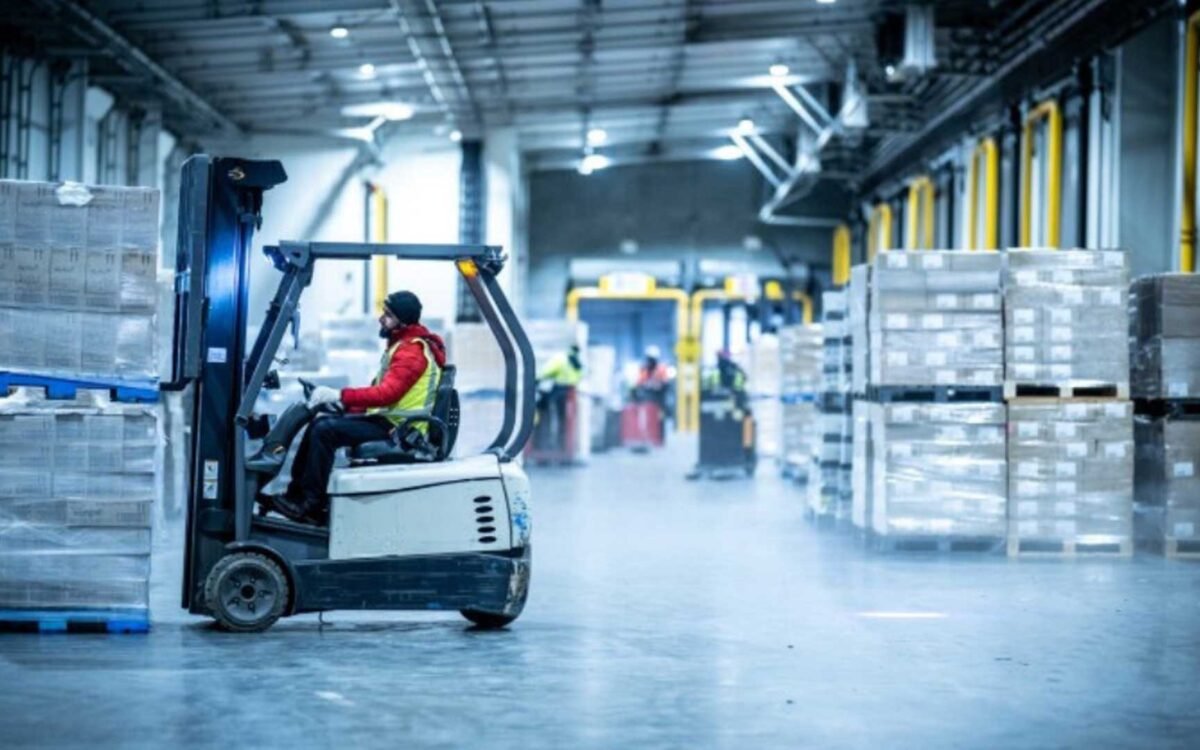
Why Forklift Brakes Fail Faster in Cold Storage Warehouses
Forklift brakes fail much faster in cold storage warehouses because low temperatures affect almost every part of the braking system. Cold environments increase hydraulic oil viscosity, create condensation inside brake components, reduce tire traction, and slow down electronic braking response on electric forklifts.
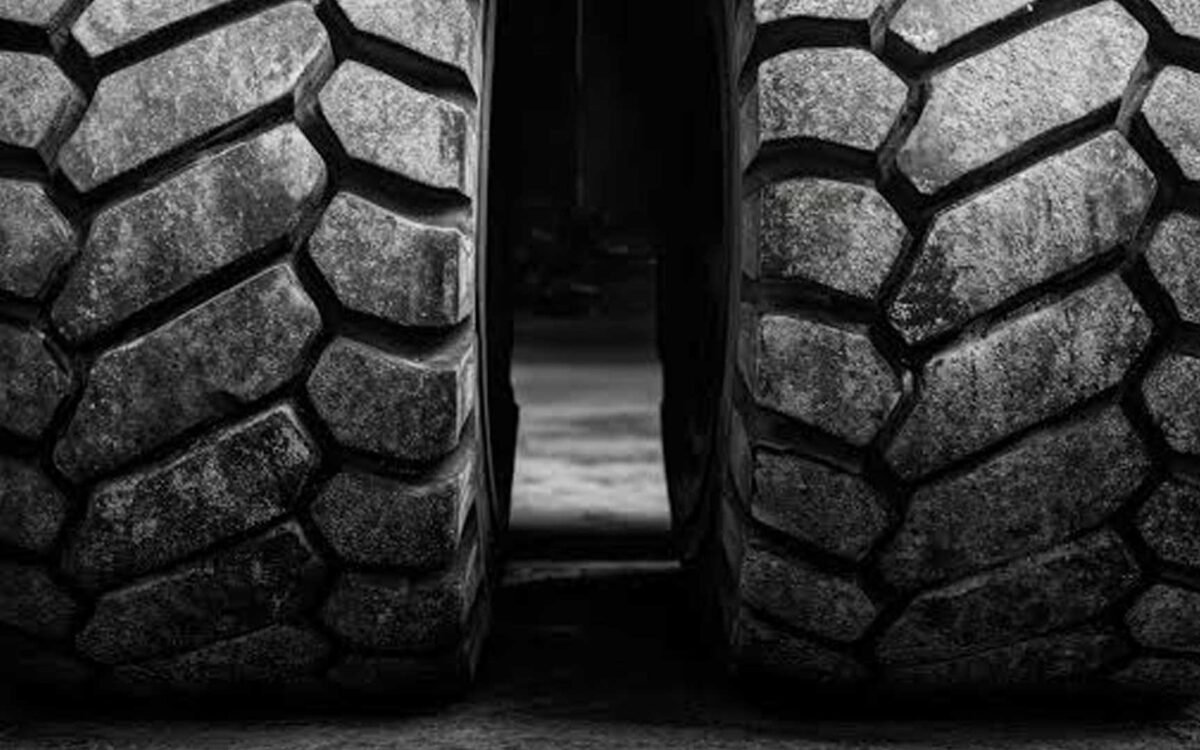
Why Electric Forklift Tires Wear Faster in Automated Warehouses
Electric forklift tires often wear faster in automated warehouses because modern warehouse layouts create repetitive driving patterns, constant turning stress, and concentrated floor friction. Compared with traditional warehouses, automated facilities force forklifts to follow narrower routes, tighter turns, and higher-frequency travel cycles. At the same time, electric and lithium forklifts deliver instant motor torque, which increases tire scrubbing and heat buildup — especially on PU wheels a ...
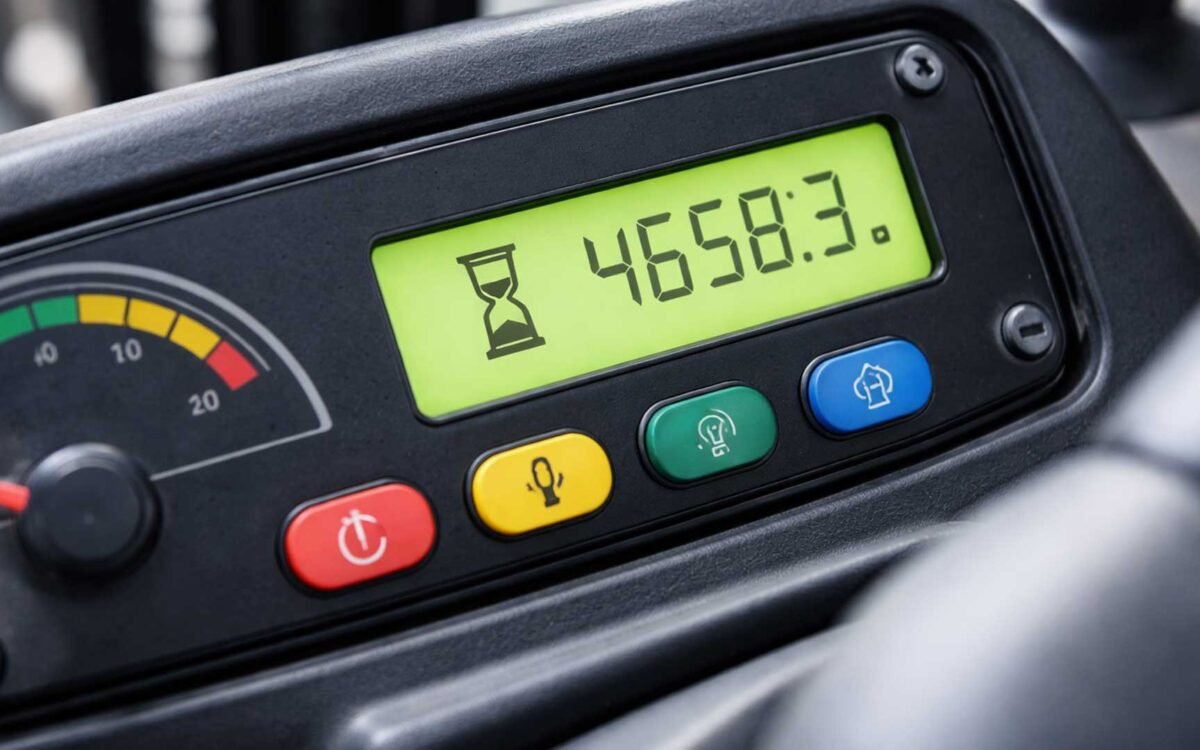
Why Forklift Hour Meters Can Be Misleading
Many used forklift buyers believe the hour meter is the best way to judge machine condition. In reality, forklift hour meters can be highly misleading.
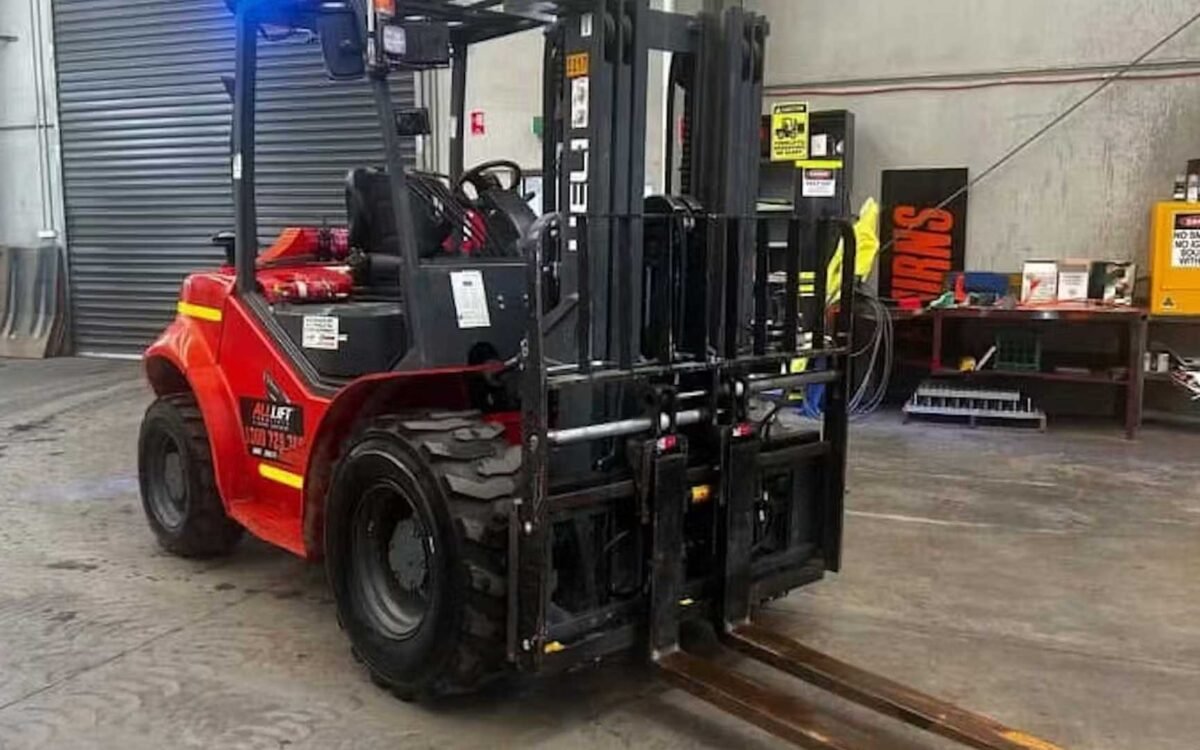
How to Tell If a Used Forklift Mast Was Repaired After an Accident
A damaged or improperly repaired forklift mast is one of the biggest hidden risks when buying a used forklift.Many used forklifts look clean on the outside because they have been repainted or refurbished, but accident damage inside the mast structure can still cause:
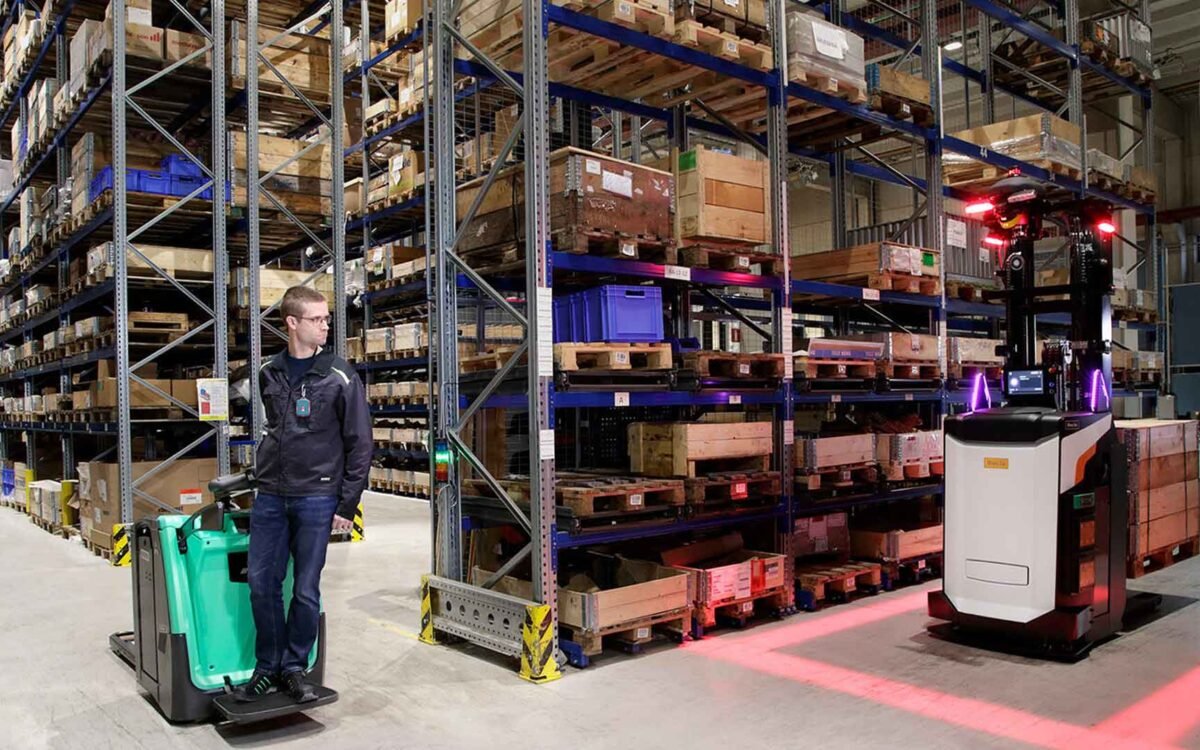
AGV + Manual Forklift Hybrid Warehouse Problems
Many warehouses are introducing AGVs (Automated Guided Vehicles) while still operating traditional manual forklifts. Although this hybrid warehouse model appears flexible and cost-effective, it often creates unexpected operational problems.
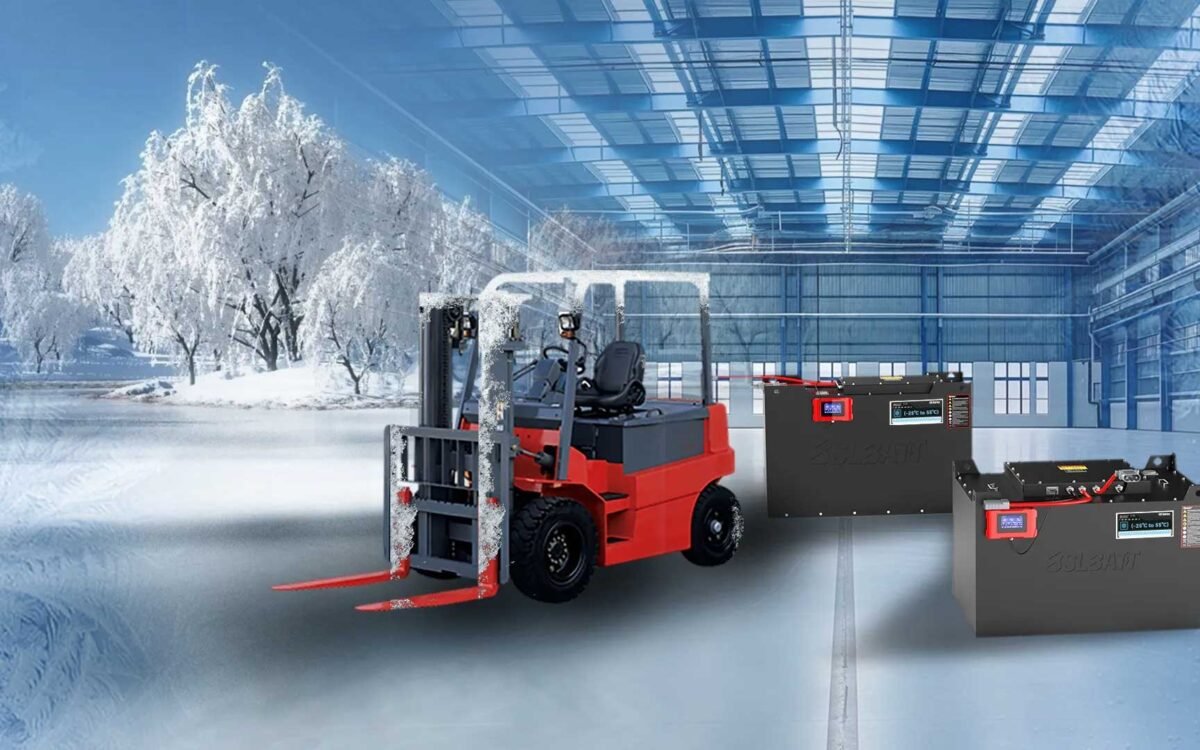
How Cold Storage Affects Lithium Forklift Batteries
Cold storage warehouses can significantly reduce lithium forklift battery performance if the battery system is not designed for low-temperature operation.
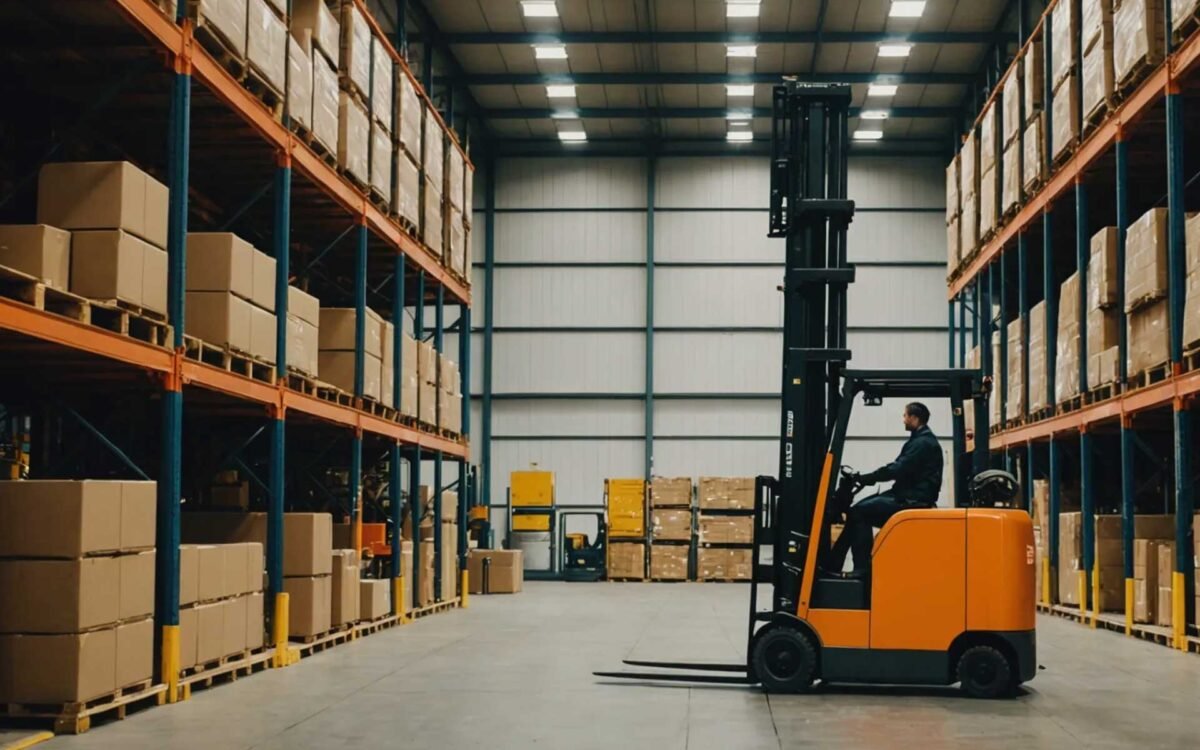
Why Reach Trucks Fail on Uneven Warehouse Floors
Reach trucks are designed for smooth indoor warehouse floors, not rough or uneven surfaces. When used on damaged concrete, cracked floors, uneven joints, or poorly maintained warehouse surfaces, reach trucks often experience instability, excessive vibration, steering problems, and premature component failure.
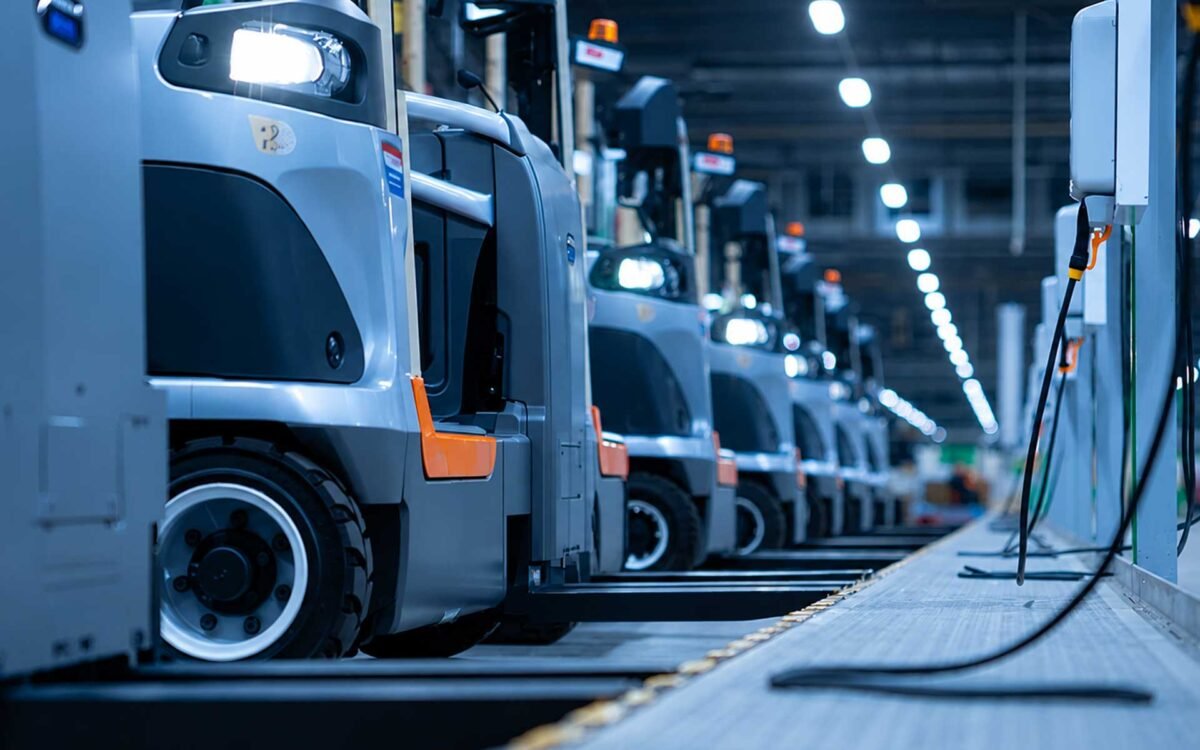
Hidden Costs of Switching to Lithium Battery Forklifts
Many companies switch to lithium battery forklifts expecting lower operating costs, faster charging, and higher efficiency. However, the real cost of converting to lithium forklifts is often much higher than buyers initially expect.
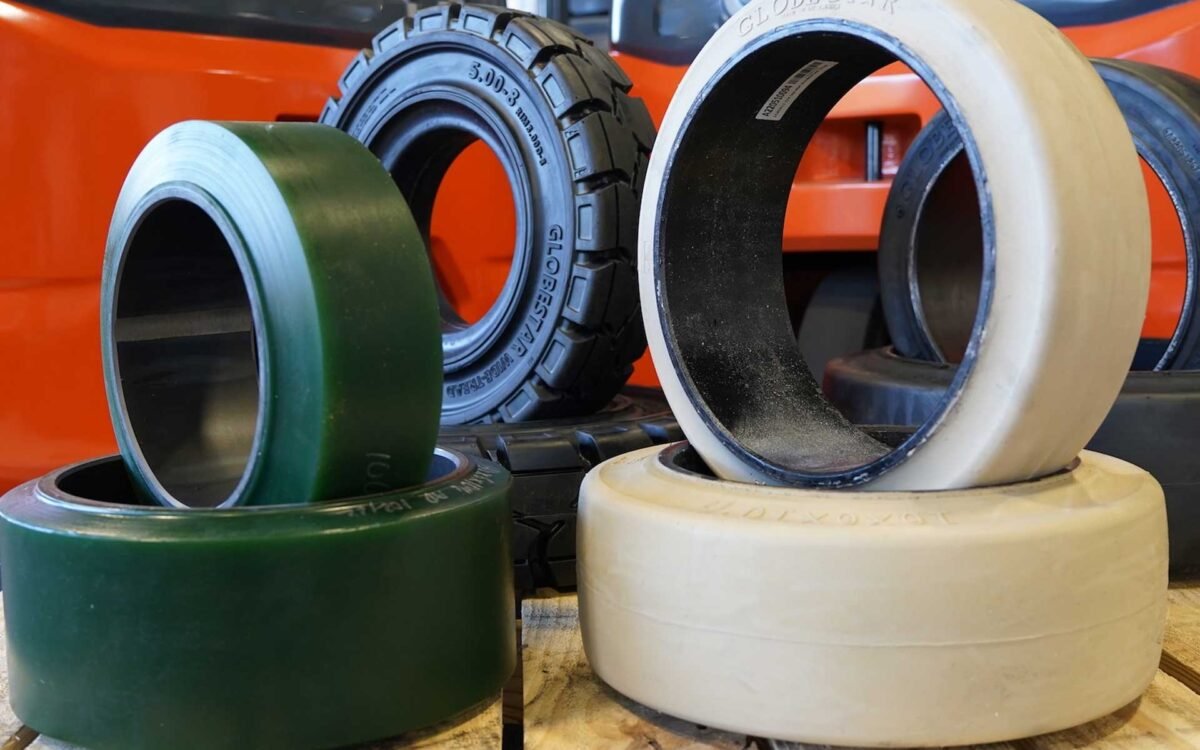
Forklift Tire Selection Based on Floor Type
Choosing the wrong forklift tire for your warehouse floor can lead to faster tire wear, unstable handling, floor damage, higher maintenance costs, and reduced forklift efficiency.The best forklift tire depends not only on load capacity, but also on the floor type, working environment, and operating conditions.
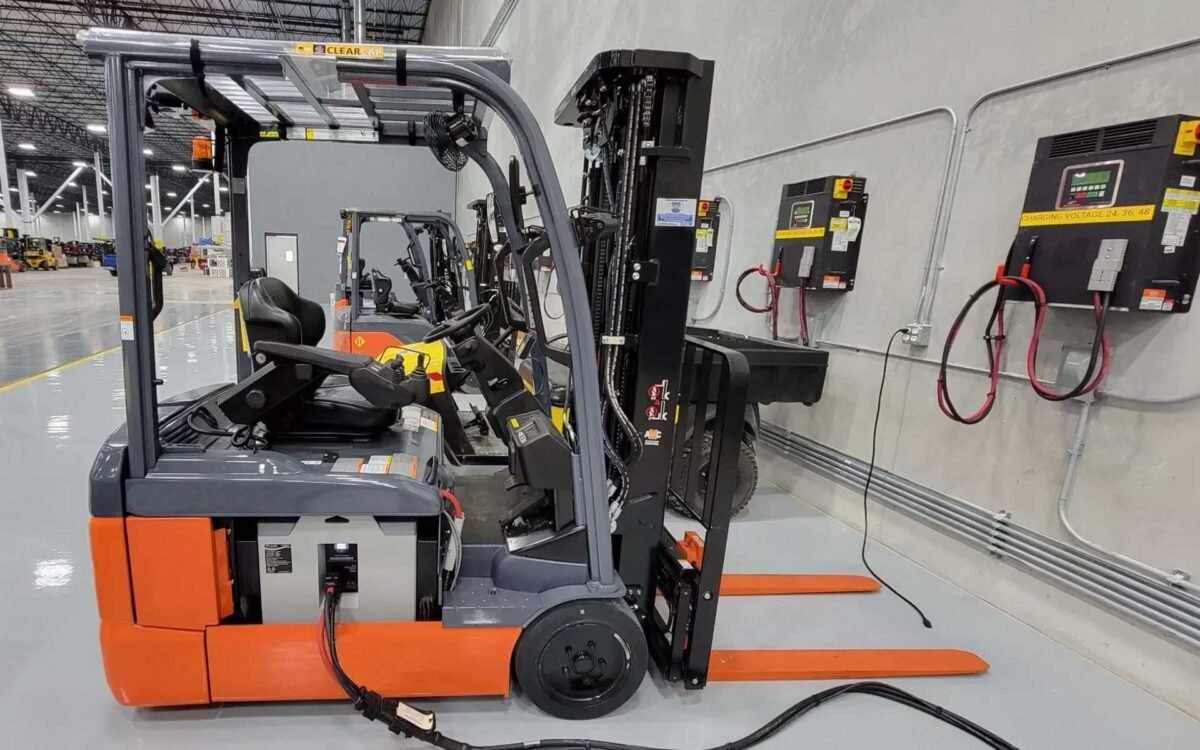
Why Electric Forklift Projects Fail in Old Warehouses
Many electric forklift projects fail in old warehouses because the building infrastructure cannot properly support modern electric forklift operations.
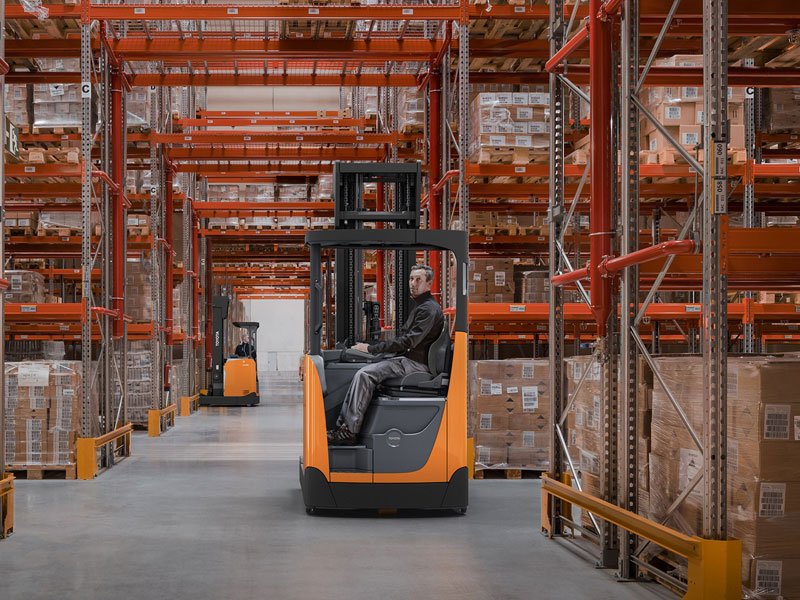
What Is a Reach Truck? Your Complete Guide to Warehouse Efficiency
Discover what a reach truck is and how it transforms warehouse efficiency with its unique design, high lifting capacity, and maneuverability in narrow aisles. Learn key features, applications, and buying tips.
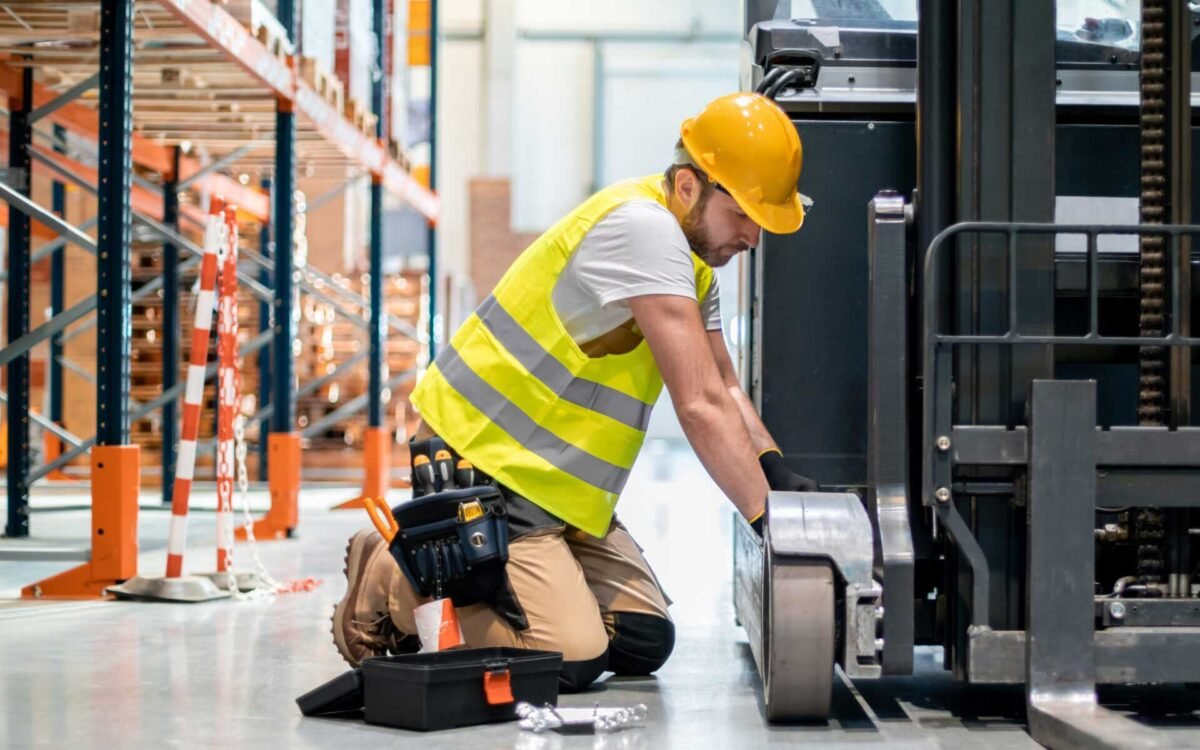
How to Move a Forklift That Won’t Start: Safe and Effective Methods for Dead Electric Forklifts
Learn how to move a forklift that won’t start safely and efficiently. This comprehensive guide covers how to move a dead electric forklift, move a forklift with a dead battery, move a dead electric pallet jack, and charge a dead forklift battery.
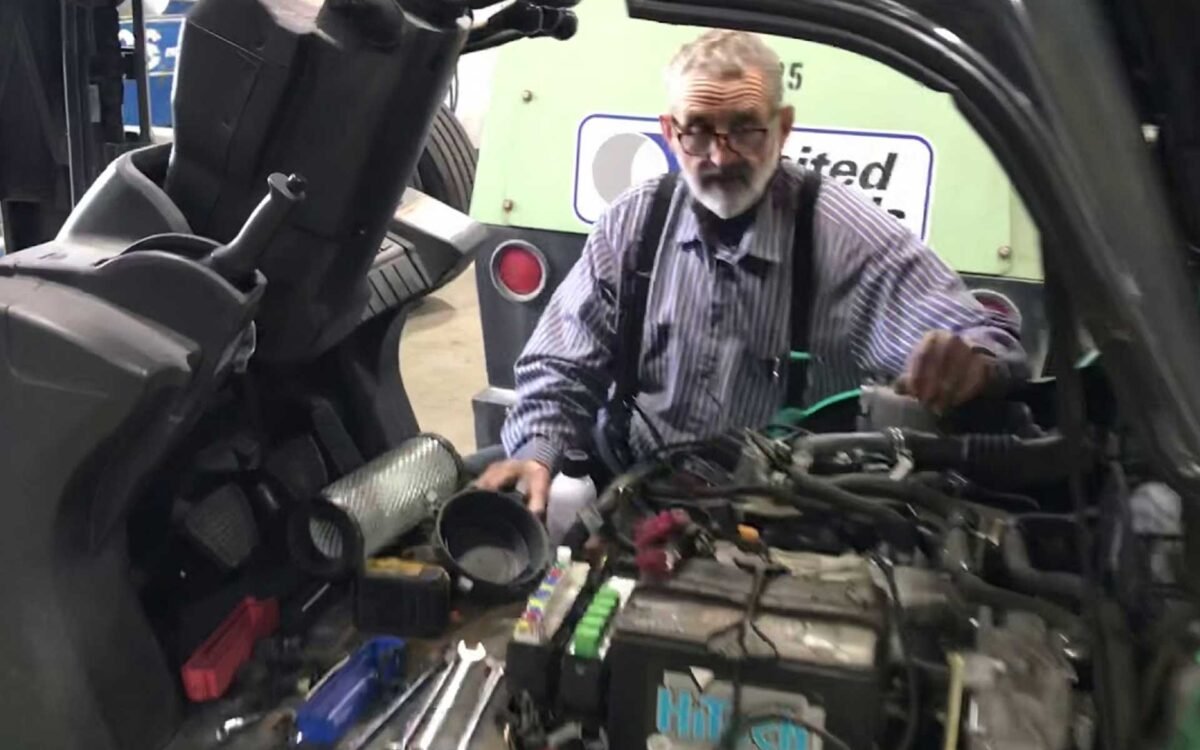
Propane Forklift Cranks But Won’t Start: Causes, Diagnostics, and Solutions
Is your propane forklift cranking but refusing to start? Discover common causes, expert troubleshooting tips, and maintenance strategies to get your forklift running smoothly again.
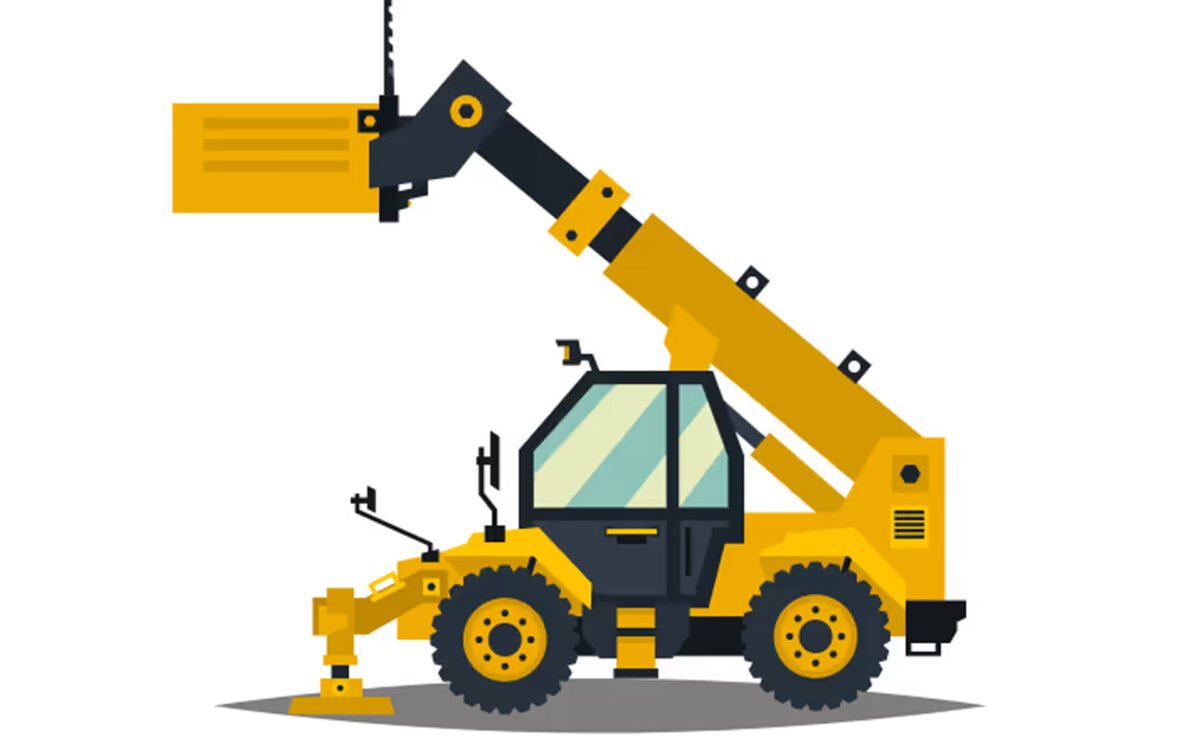
What is a Telehandler? A Comprehensive Guide to Telescopic Handlers and Their Versatility
Discover what a telehandler is, how it works, and why it's an essential machine across construction, agriculture, and industrial sectors. Learn about its features, uses, and benefits in this detailed guide.
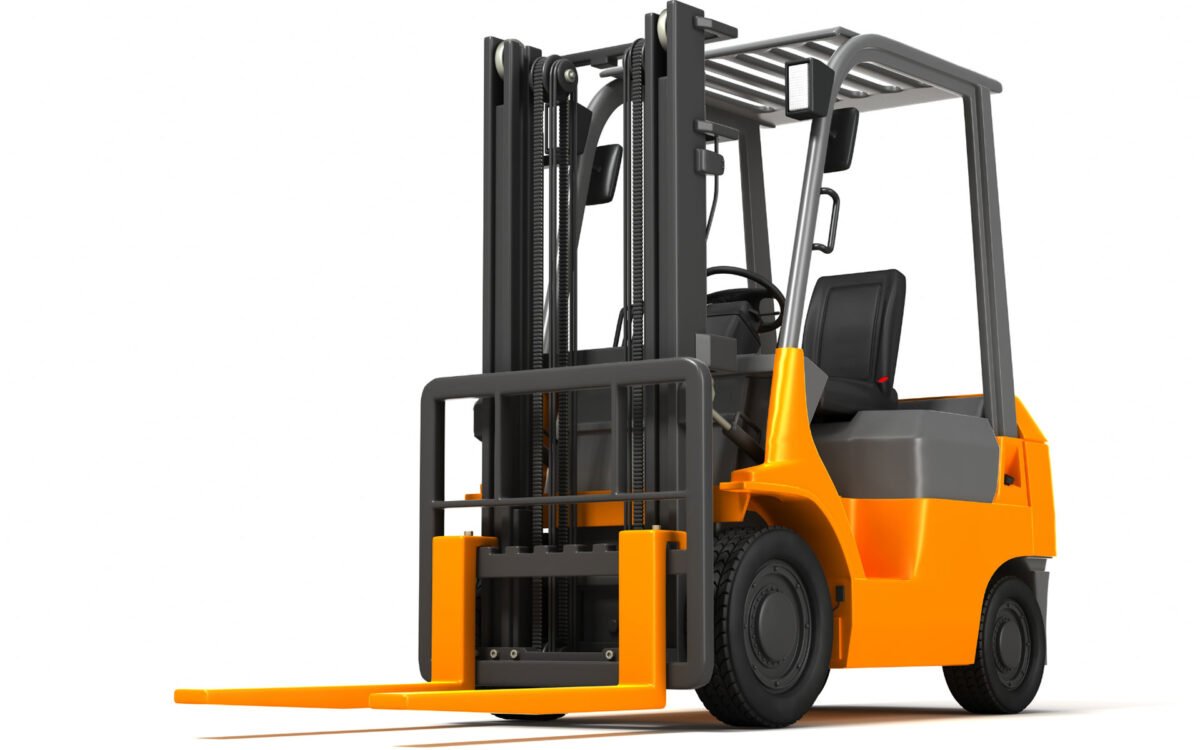
What Is the Most Common Type of Forklift?
Forklifts are used in warehouses, factories, construction sites, and logistics operations around the world. With many different forklift types available, people often ask:What is the most common type of forklift?The answer is:The most common type of forklift is the counterbalance forklift.Counterbalance forklifts are the standard forklifts used in most industries because they are versatile, easy to operate, and suitable for many different material handling tasks.
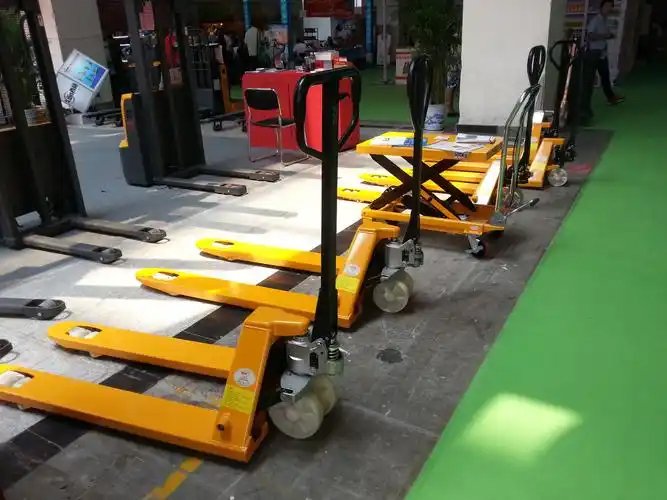
Where to Rent a Pallet Jack: Best Rental Options for Warehouses & Moving
You can rent a pallet jack from:Equipment rental companies Forklift dealers Warehouse equipment suppliers Home improvement rental centers Local material handling companiesThe best rental option depends on:how long you need the equipment whether you need a manual or electric pallet jack your load capacity requirements your work environmentFor short-term warehouse projects, moving jobs, or temporary logistics operations, renting a pallet jack is often more cost-effective than buying.
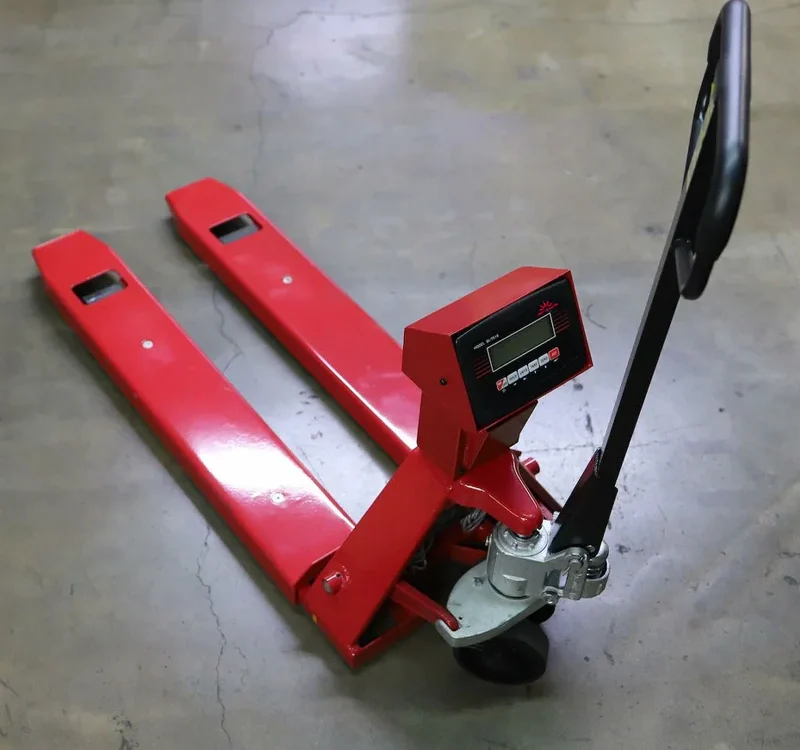
Skinny Pallet Jack: Best Solution for Narrow Warehouse Aisles
A skinny pallet jack is a narrow-width pallet truck designed for tight warehouse spaces where standard pallet jacks are difficult to maneuver.Although “skinny pallet jack” is not the official industry term, it is commonly used to describe:Narrow pallet jacks Slim pallet trucks Compact pallet handling equipment
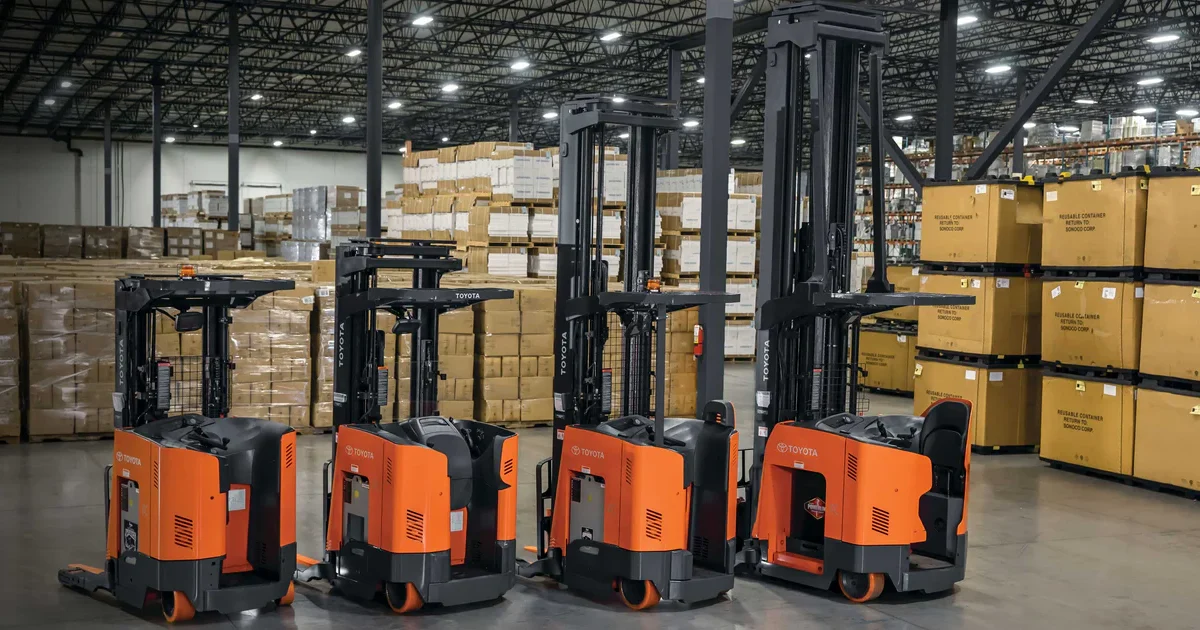
Is a Reach Truck a Forklift?
Yes, a reach truck is a type of forklift.However, it is very different from a standard counterbalance forklift.A reach truck is a specialized forklift designed for high warehouse storage, narrow aisles, and vertical pallet handling.While both machines move pallets, they are built for different working environments and operational goals.
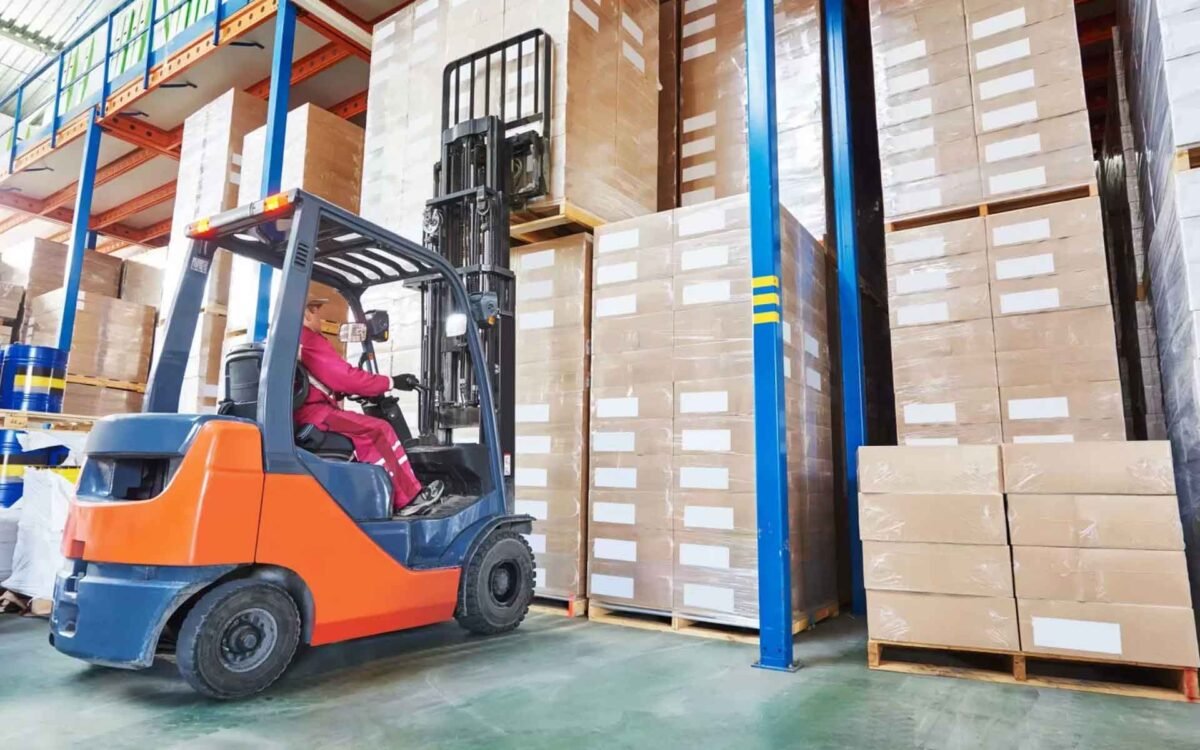
How to Lift a Pallet with a Forklift
Lifting a pallet with a forklift may look simple, but improper technique is one of the most common causes of:Load drops Forklift tip-overs Damaged goodsThis guide breaks down the exact steps used in professional forklift training, along with the most common mistakes to avoid.

The Minds Behind the Machine: Who Actually Invented the Forklift?
When we look at a modern, high-tech forklift today, we see a masterpiece of engineering. But a century ago, the forklift wasn't a product—it was a solution to a desperate problem.If you ask Google, "Who invented the forklift?" you’ll get a name instantly: Eugene Clark. But the real story is much richer, involving a cast of accidental geniuses and fierce rivals whose innovations are still found in every machine exported by Hebei Maoxiang Technology today.