
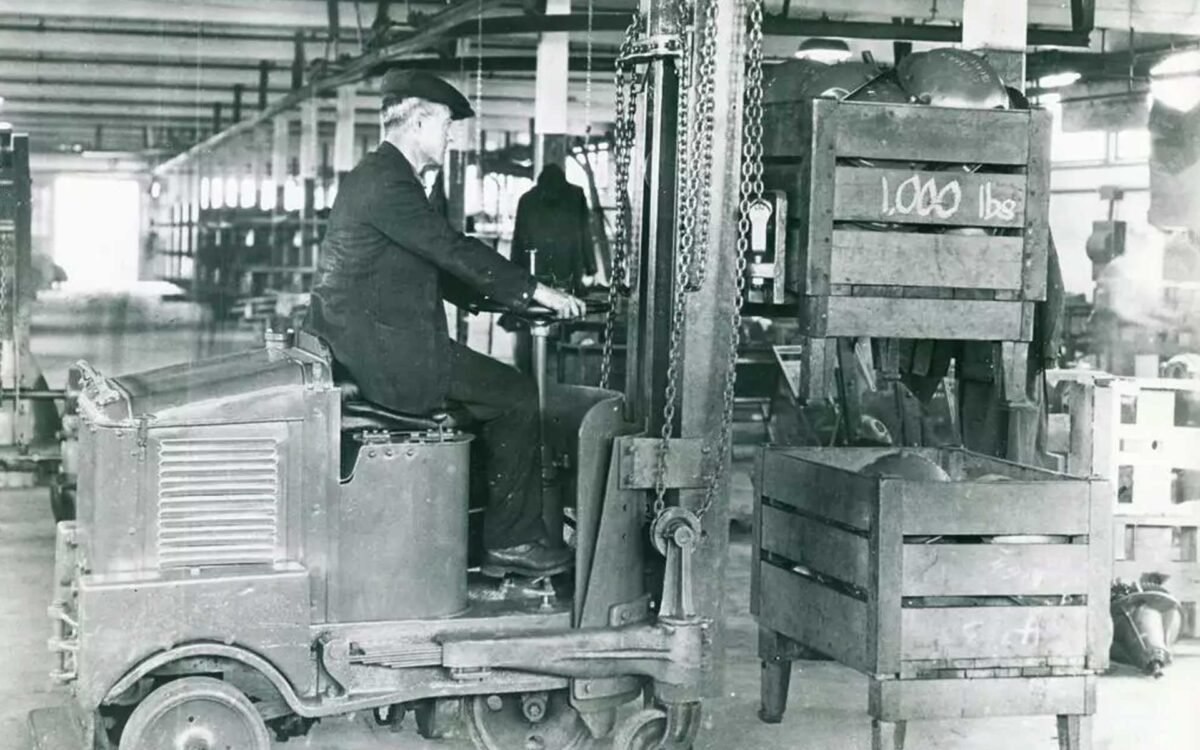
When Was the First Forklift Invented? A Complete History Explained
The first forklift-like machines were developed between 1906 and 1920, with the modern forklift emerging in the 1920s after the introduction of forks and hydraulic lifting systems.Early lift trucks: around 1906 First forklifts with forks: 1917–1920 Modern forklift design: 1920s
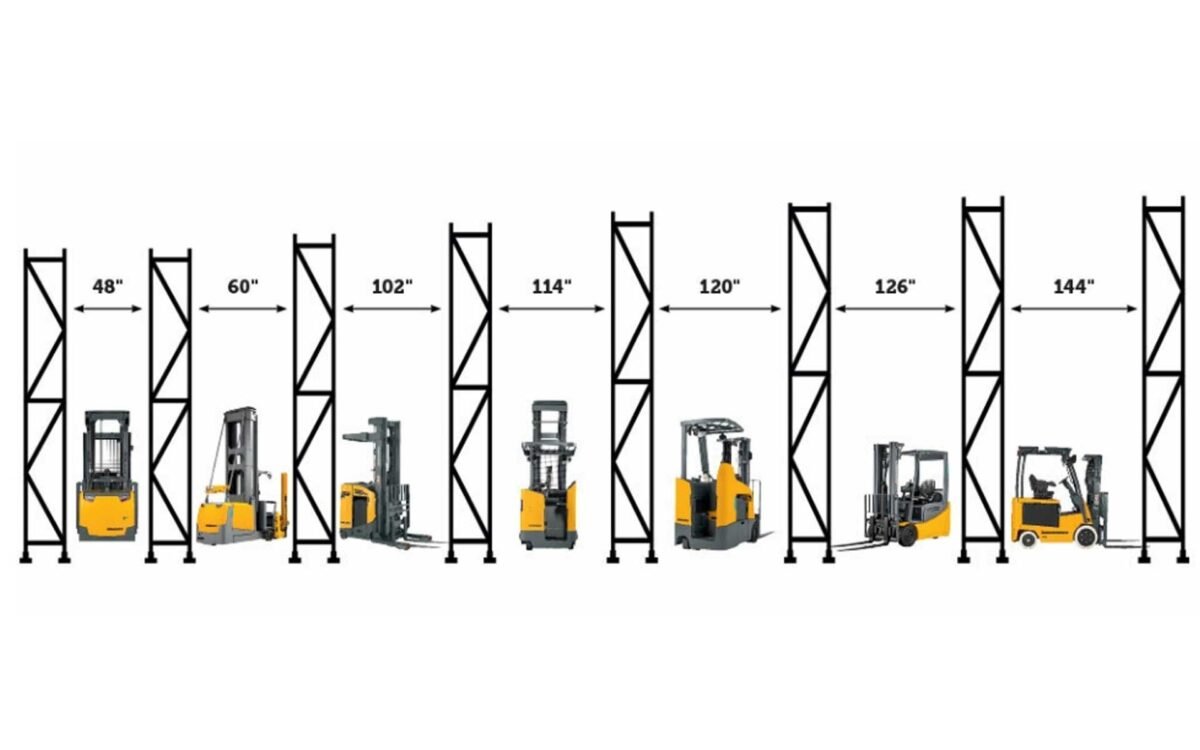
Types of Narrow Aisle Forklifts: A Comprehensive Guide to Space Optimization
In modern warehousing, space is money. As businesses strive to store more inventory in smaller footprints, the demand for Narrow Aisle (NA) and Very Narrow Aisle (VNA) solutions has skyrocketed. Choosing the right equipment can mean the difference between a cramped, inefficient facility and a high-density, high-speed logistics hub.As a leading global exporter of material handling equipment, Hebei Maoxiang Technology Co., Ltd. provides a wide range of specialized machines. Here is a breakdown o ...
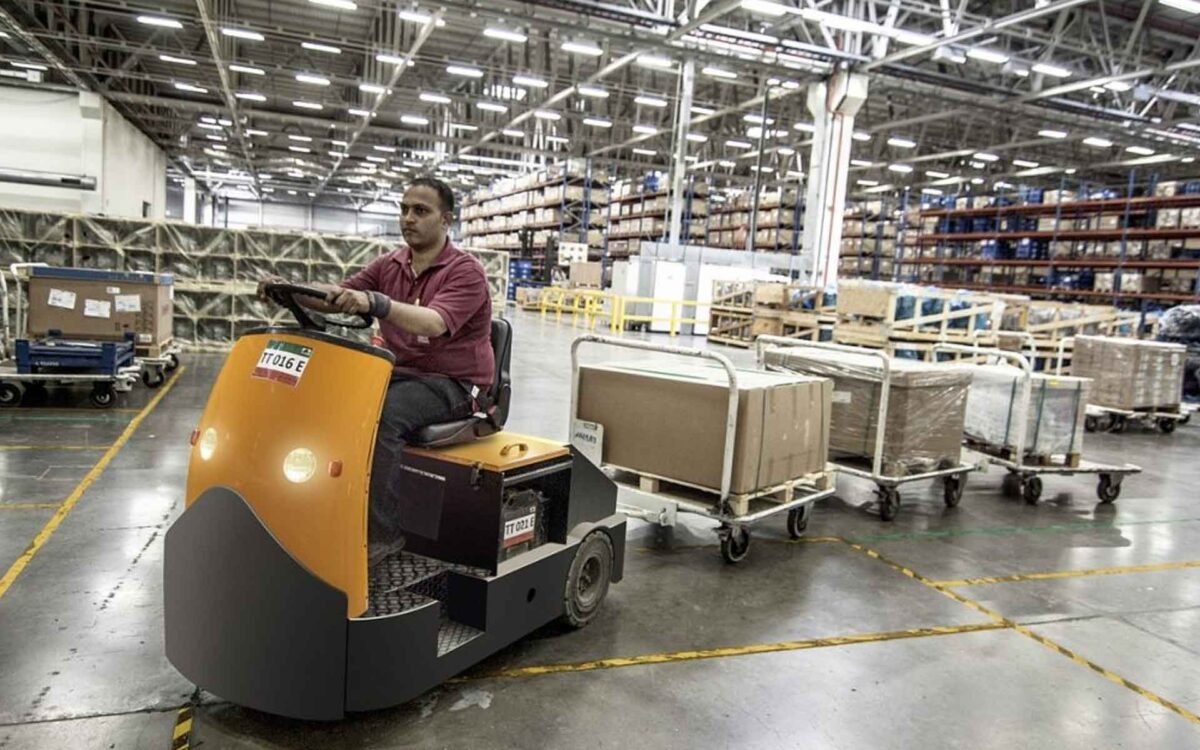
What is a Tugger Forklift? The Powerhouse of Horizontal Transport
In a high-volume warehouse or a busy manufacturing plant, you’ll often see a compact, powerful machine pulling a "train" of multiple carts loaded with parts or packages. While many people search for this machine as a "tugger forklift," its professional name is a Tow Tractor or Electric Tugger.Unlike a standard forklift that specializes in vertical lifting, a tugger is the undisputed king of horizontal transport. In this guide, Hebei Maoxiang Technology Co., Ltd. explains what a tugger forklift ...
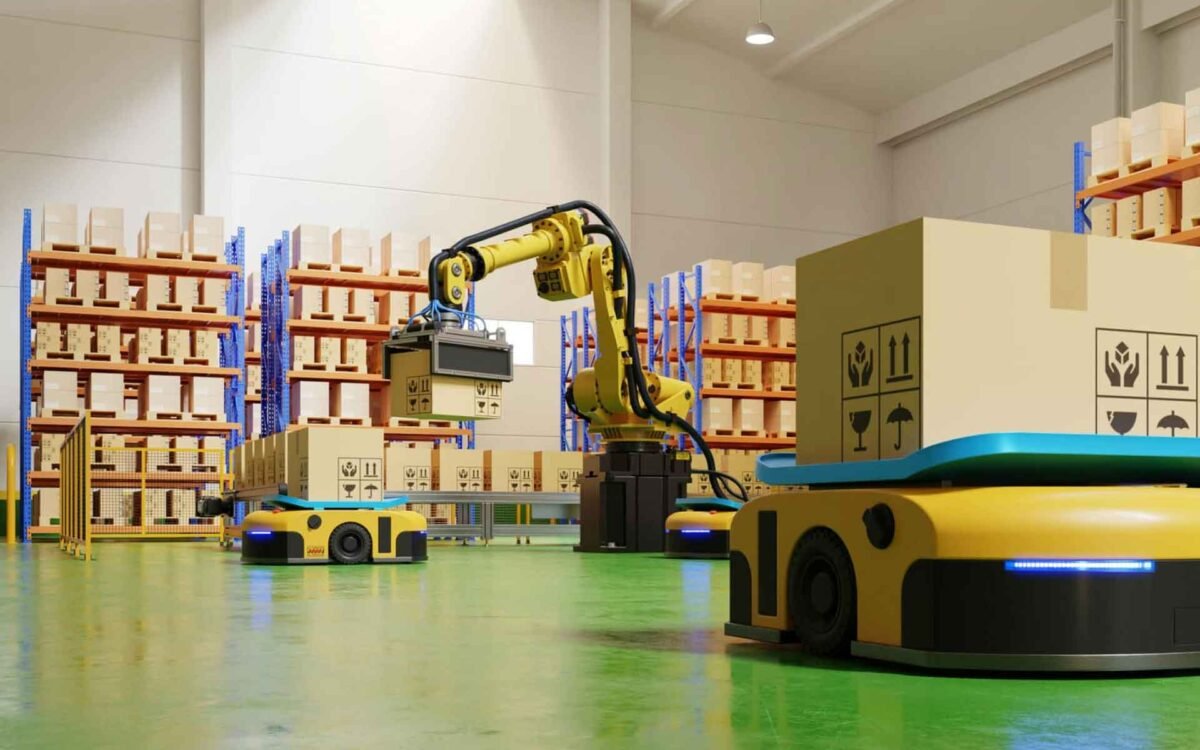
What is AGV in Manufacturing? Revolutionizing the Modern Production Line
While many people associate Automated Guided Vehicles (AGVs) with massive e-commerce warehouses, their impact on the manufacturing sector is perhaps even more profound. In a factory setting, an AGV isn't just a transport tool; it is a critical component of Smart Manufacturing and Industry 4.0.In this article, Hebei Maoxiang Technology Co., Ltd. explores the specific role of AGVs in manufacturing, how they differ from warehouse units, and why they are essential for Lean Production.
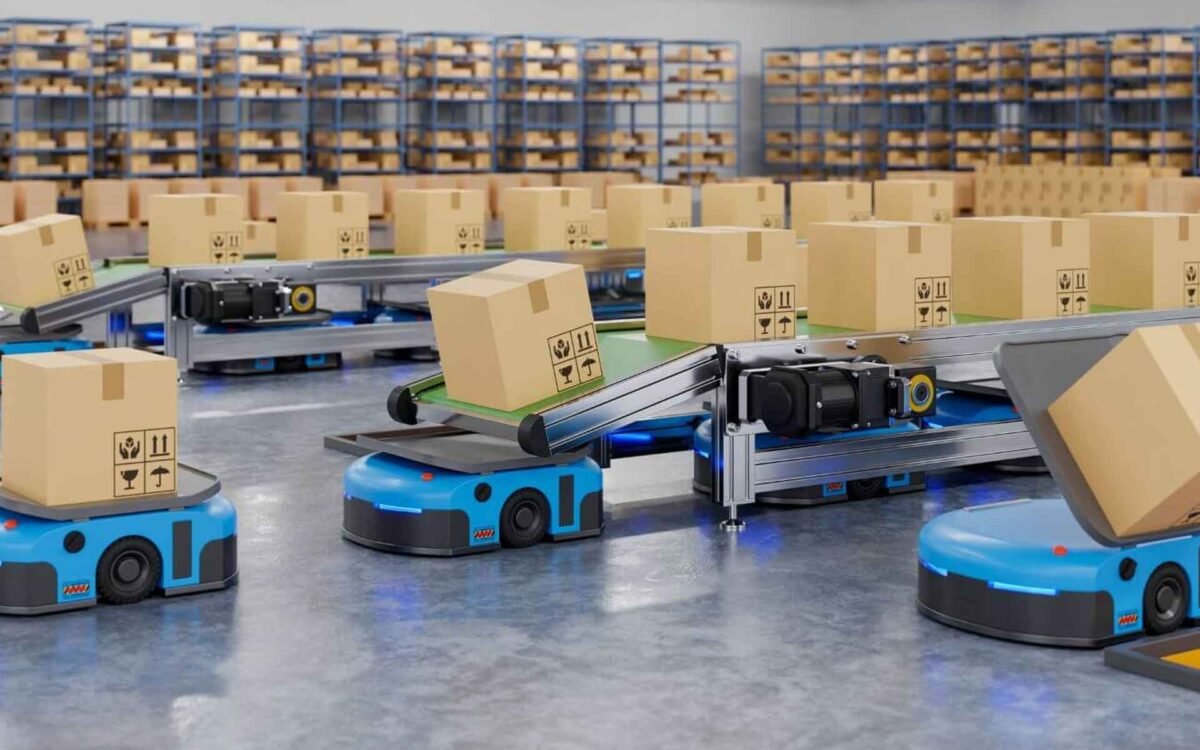
What is an Automated Guided Vehicle (AGV)? A Modern Guide to Warehouse Automation
Imagine a warehouse where pallets move silently from the loading dock to the racking system without a single human driver. There are no sudden stops, no collisions, and the work continues 24/7. This isn’t a scene from a sci-fi movie; it is the daily reality of facilities using Automated Guided Vehicles (AGVs).As logistics demand hits an all-time high, AGVs have transitioned from "luxury tech" to essential tools for staying competitive. In this guide, Hebei Maoxiang Technology Co., Ltd. explain ...
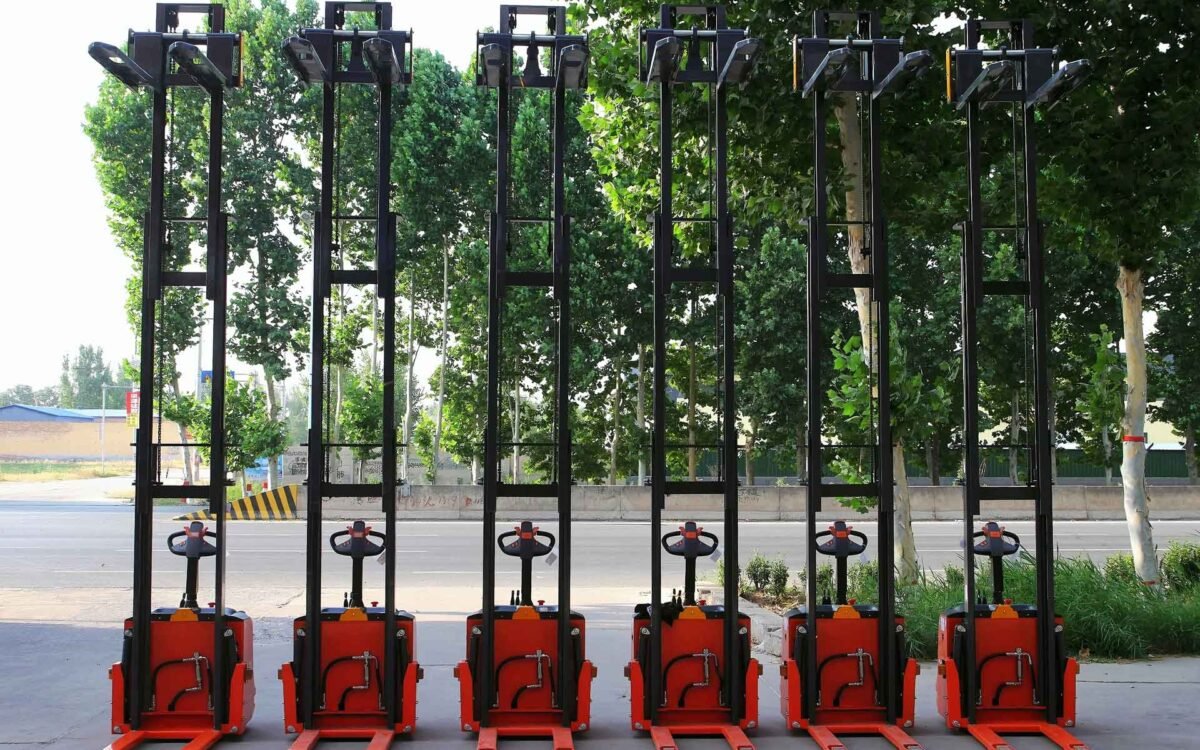
What is a Stacker? A Beginner’s Guide to Pallet Stackers
In simple terms, a stacker is a piece of material handling equipment designed to lift, move, and stack pallets. Think of it as a "hybrid" between a manual pallet jack and a full-sized forklift.Unlike a pallet jack, which only lifts a load enough to clear the floor, a stacker features a mast that allows it to lift goods to various heights (typically between 1.6 to 5 meters). Most stackers are designed to be "walkie" units, meaning the operator walks behind or beside the machine, though some mod ...
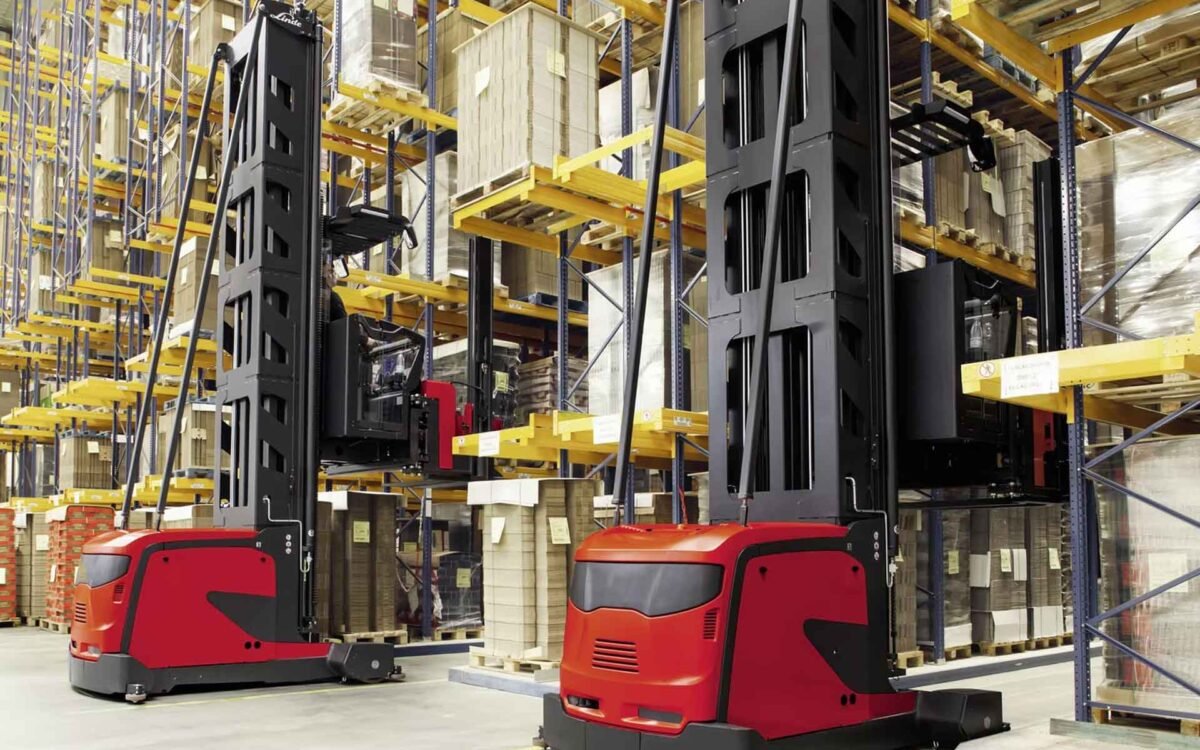
Maximizing Warehouse Efficiency: The Ultimate Guide to High Bay Forklifts
As global e-commerce and logistics continue to expand, warehouse space has become one of the most expensive commodities for businesses. The challenge is no longer just about having a bigger warehouse—it is about optimizing the space you already have.This is where the High Bay Forklift, often referred to as a VNA (Very Narrow Aisle) Forklift or Turret Truck, becomes a game-changer. In this guide, we will explore why high bay forklifts are the cornerstone of modern high-density storage and how H ...
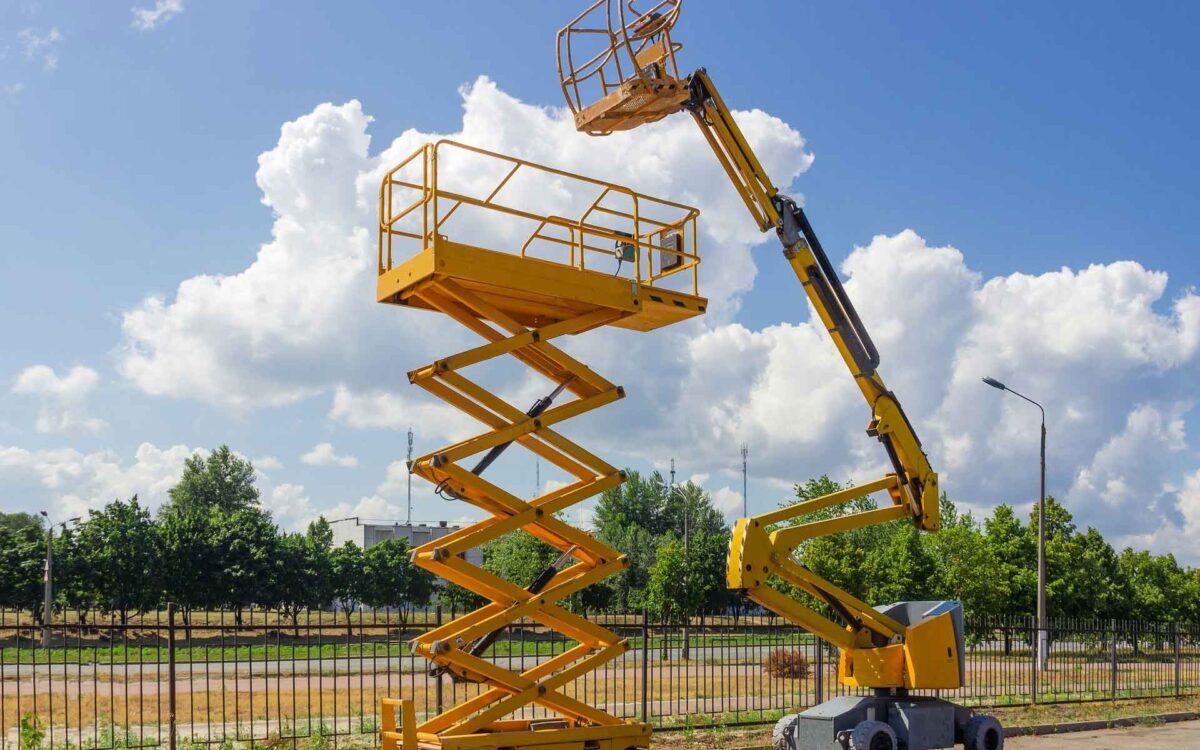
What Does a Cherry Picker Look Like? A Buyer’s Visual Identification Guide
For businesses in construction, maintenance, or warehouse management, identifying the right aerial work platform is the first step toward project success. While many call it a "cherry picker," its professional designation is a Boom Lift or Aerial Work Platform (AWP).As a leading exporter of lifting equipment, Hebei Maoxiang Technology Co., Ltd. understands that knowing the visual and functional differences between models can save you time and money. Here is a detailed breakdown of what a cherr ...
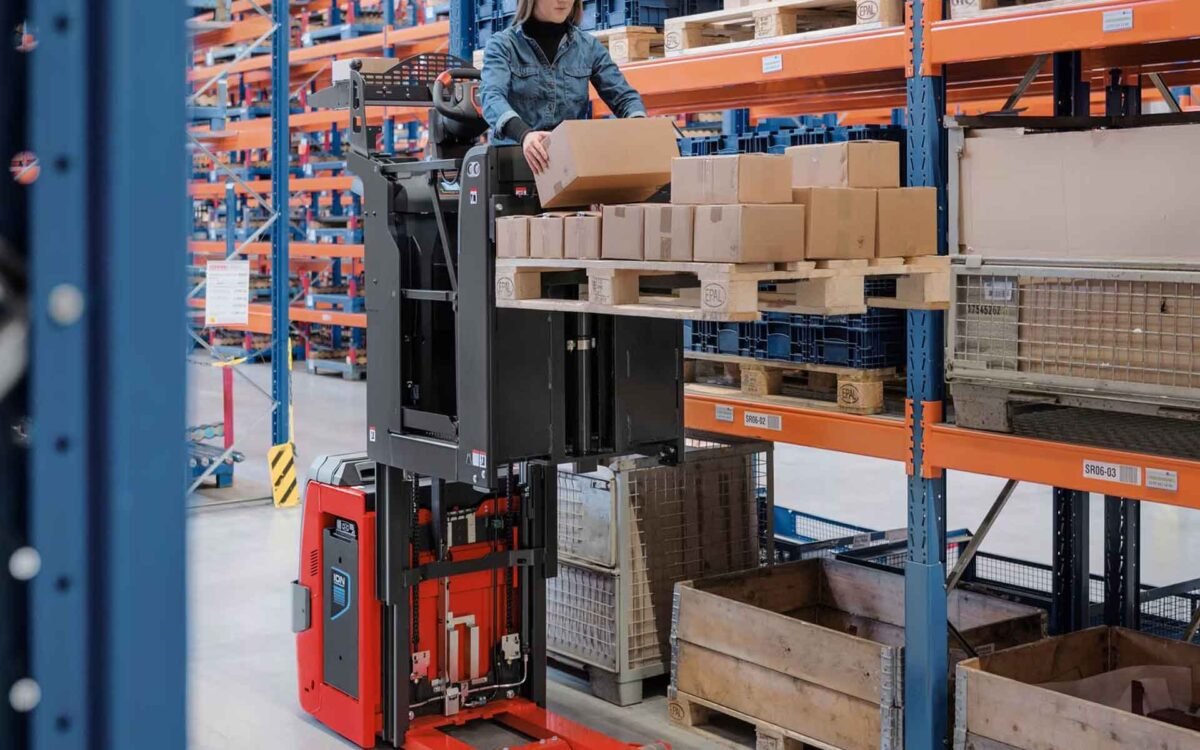
What Is a Cherry Picker in a Warehouse? (And What It Actually Refers To)
In warehouse environments, the term has a very specific meaning:A “cherry picker” almost always refers to an order picker forklift.This is not an official technical term—it’s informal language used by workers who describe equipment based on how it looks or operates.Understanding this distinction is important, especially if you’re choosing equipment or training operators.
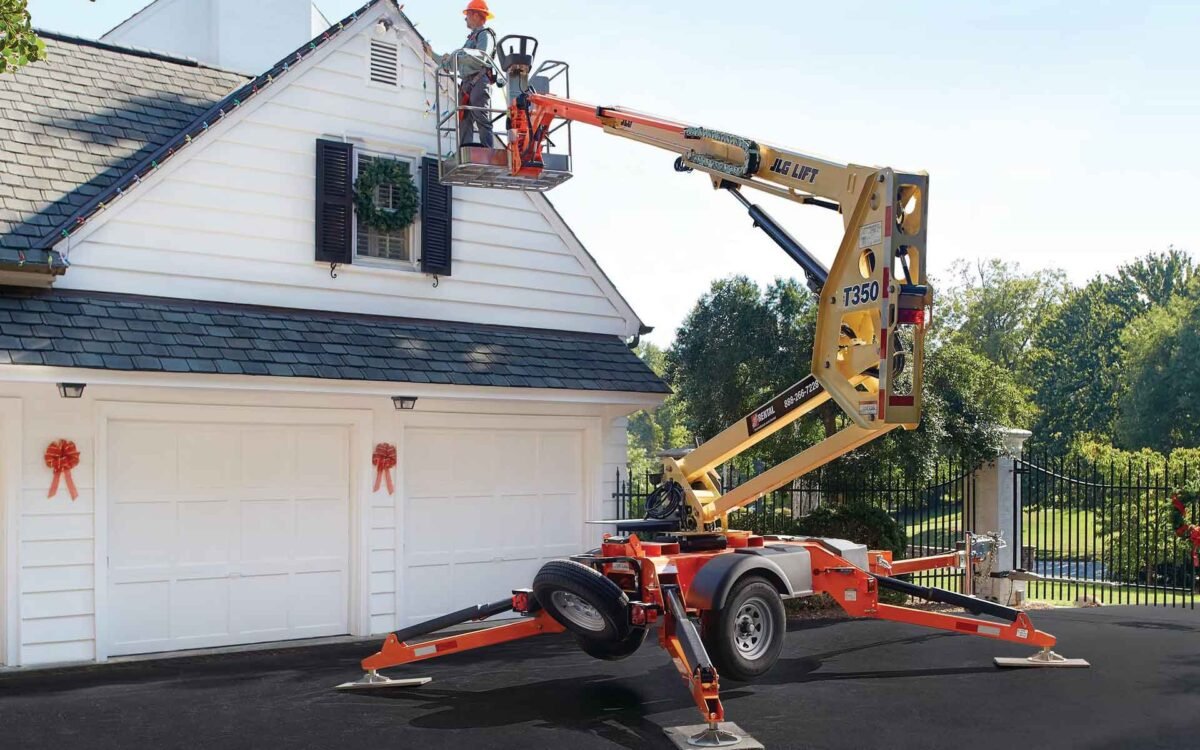
Where to Rent a Cherry Picker: Prices, Types & Rental Guide (2026)
If you’re searching for where to rent a cherry picker, you probably need to complete a task at height—such as maintenance, installation, or construction work.But here’s something most people don’t realize:“Cherry picker” is not a single machine you can rent—it refers to multiple types of aerial lifts.Before choosing a rental company, you first need to understand what type of equipment you actually need.
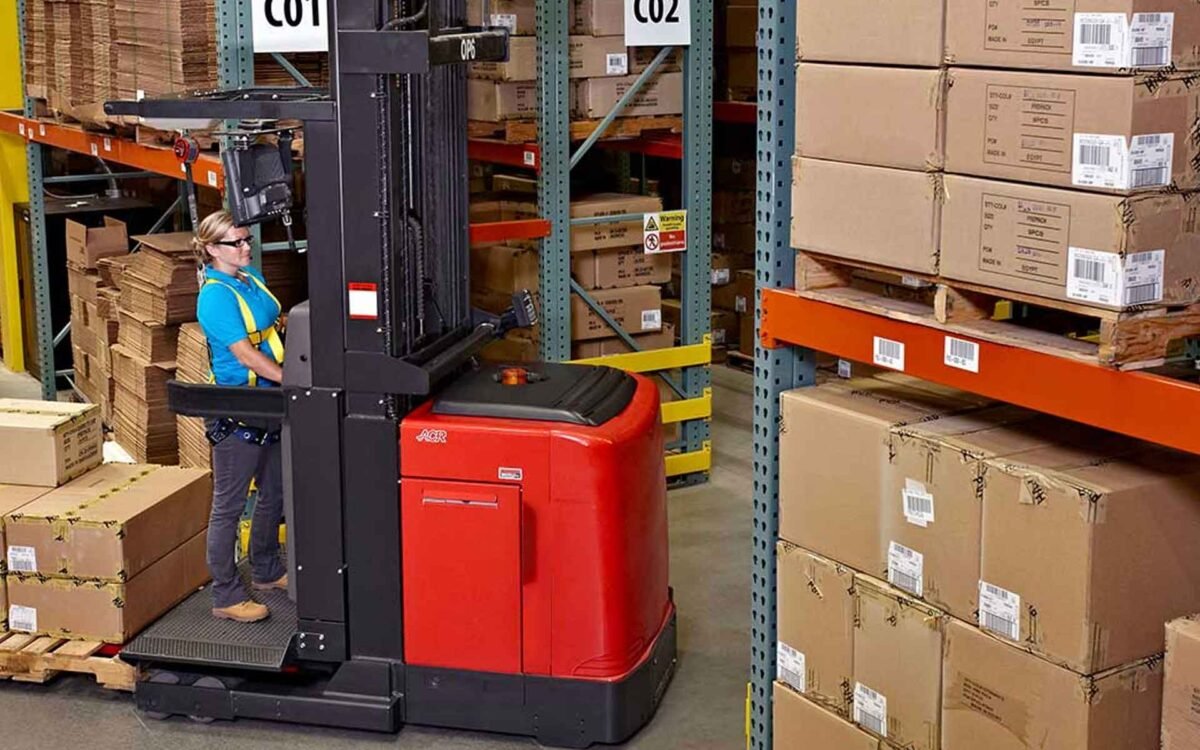
What Is a Cherry Picker Forklift? (And What People Actually Mean)
In most cases, this term is used to describe one of three different machines, depending on the situation:An order picker forklift (warehouse use) A cherry picker (aerial lift) (working at height) Or sometimes a telehandler (construction lifting)Understanding the difference matters—because each machine is designed for a completely different job.
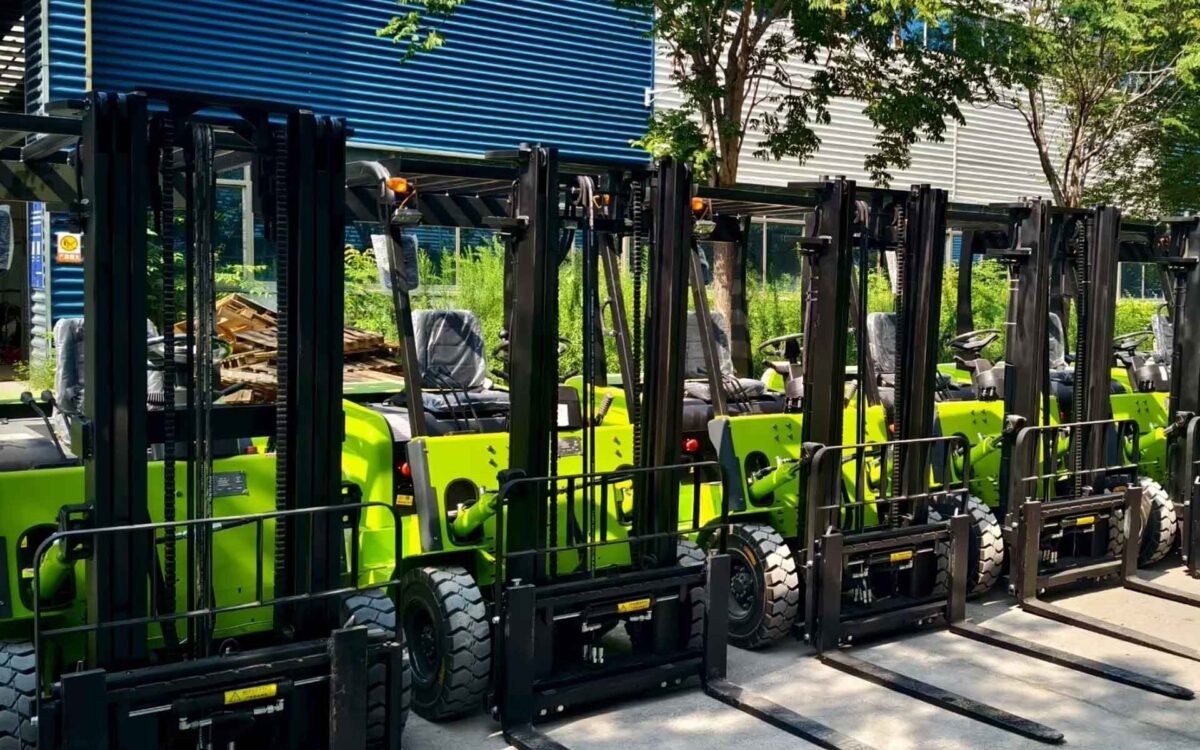
How Much Does a Reach Truck Cost? Full Pricing Guide (2026)
Most buyers searching for a reach truck price expect a simple answer.But the reality is:There is no single “reach truck price.”A reach truck can cost $12,000 or $50,000+, depending on configuration, warehouse requirements, and battery system.Understanding what drives this difference is far more important than the price itself.
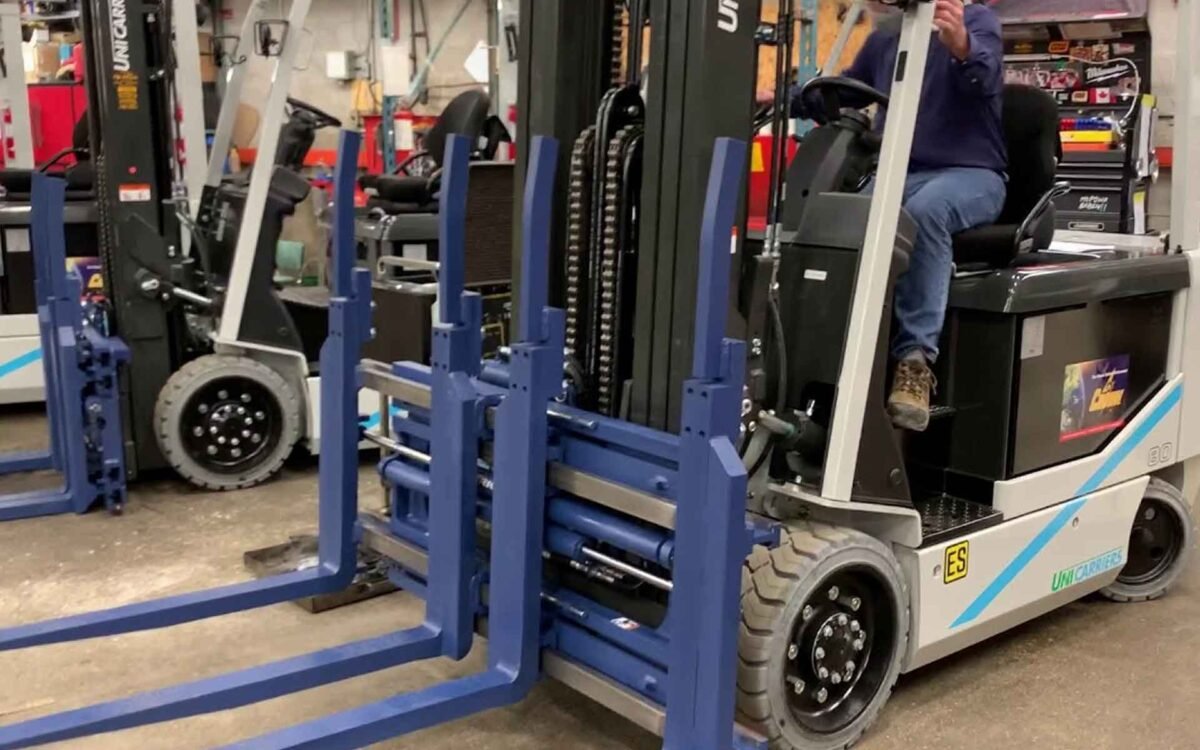
How to Drive a Sit-Down Forklift (Step-by-Step Operation & Safety Guide)
Operating a sit-down forklift requires proper training, controlled movements, and awareness of safety procedures.Quick Answer:To operate a sit-down forklift, sit properly in the operator seat, secure the load, control the forks smoothly, and drive at a safe speed while maintaining full visibility.
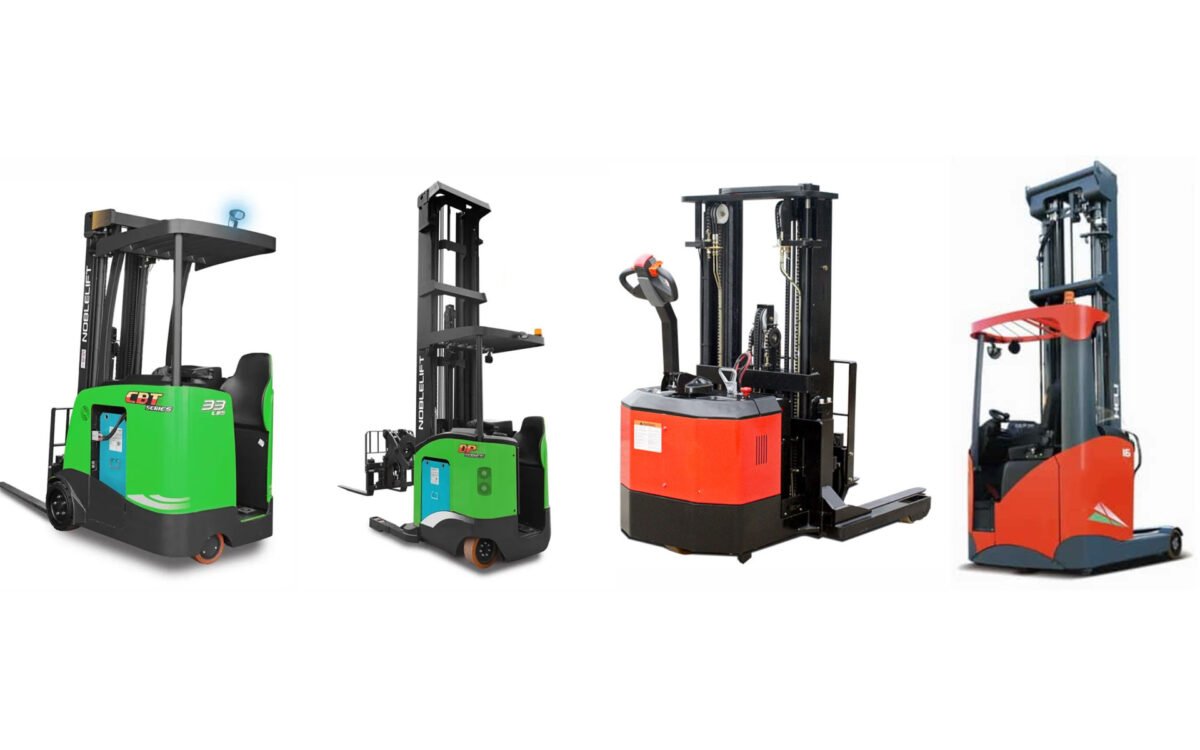
Types of Stand-Up Forklifts (Complete Guide + How to Choose the Right One)
Stand-up forklifts are widely used in warehouses and distribution centers due to their speed, maneuverability, and space efficiency.Quick Answer:The main types of stand-up forklifts include stand-up reach trucks, stand-up counterbalance forklifts, order pickers, and turret trucks, each designed for specific warehouse tasks.
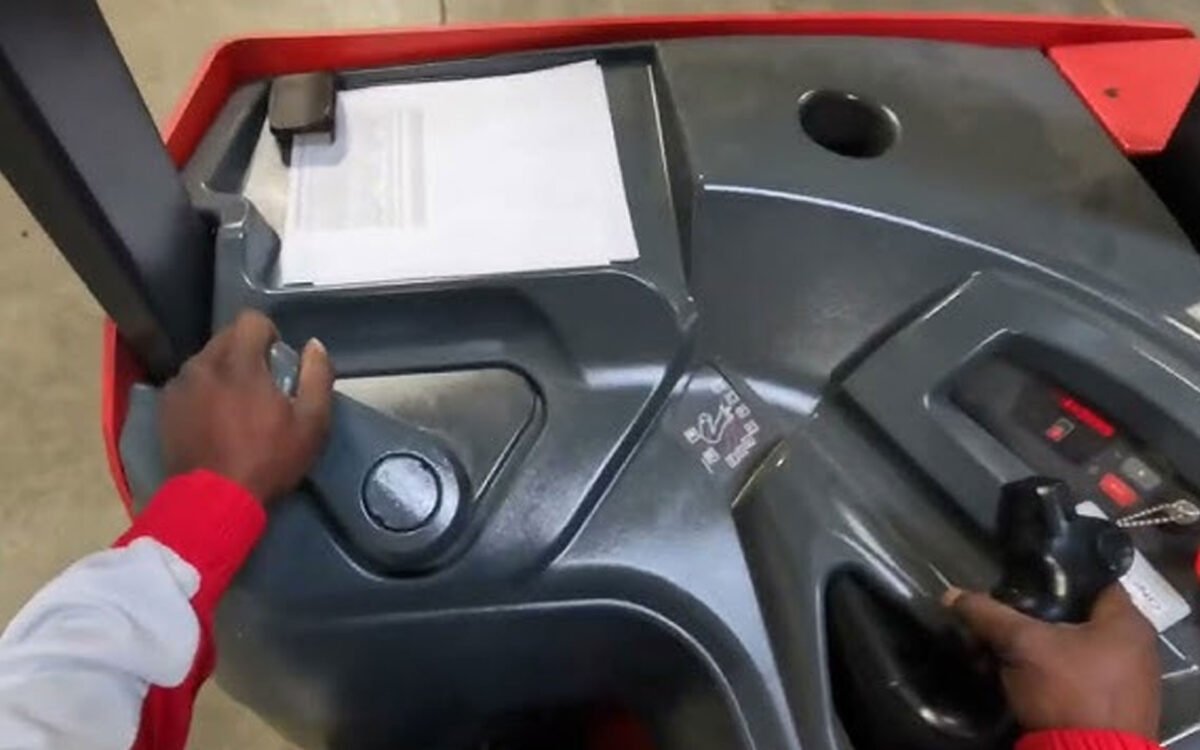
How to Drive a Stand-Up Forklift (Step-by-Step Guide + Safety Tips for Beginners)
Driving a stand-up forklift requires proper positioning, smooth control, and constant awareness of your surroundings.Quick Answer:To drive a stand-up forklift, stand securely in the operator compartment, keep the load low, drive at a controlled speed, and use smooth steering while maintaining clear visibility at all times.
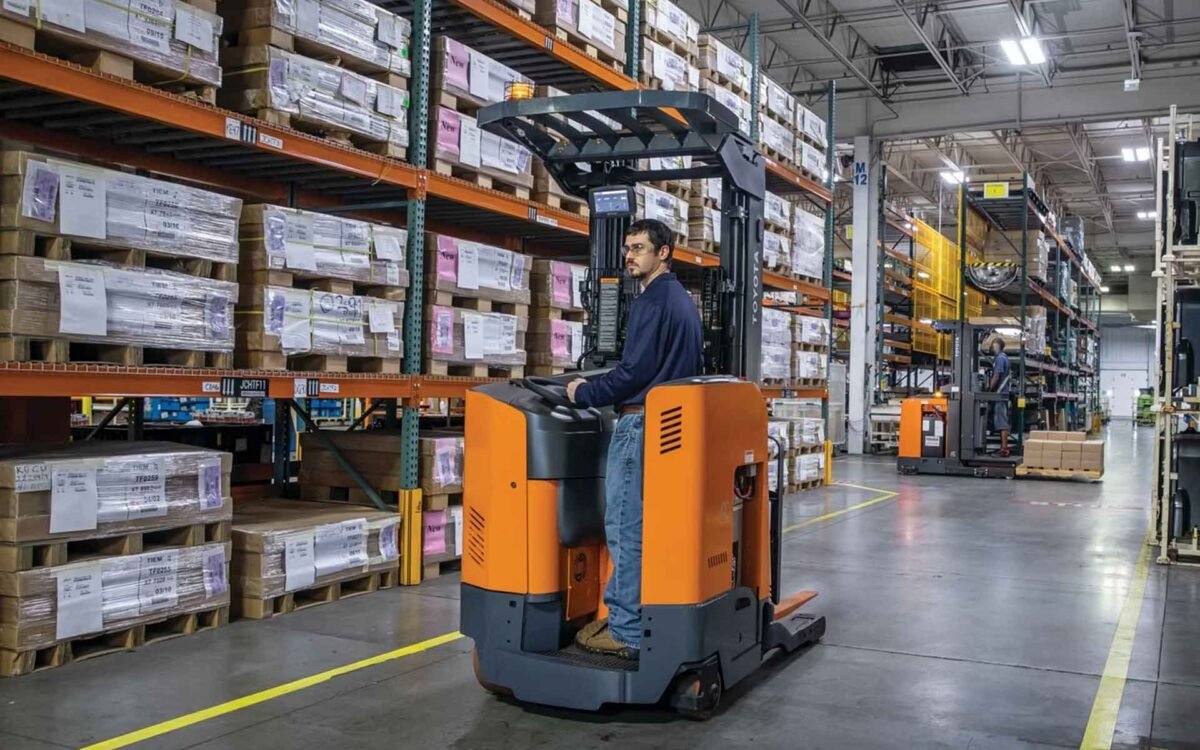
What Is a Stand-Up Forklift? (Names, Types, Uses & Key Differences Explained)
A stand-up forklift is a type of forklift where the operator stands while driving, instead of sitting.Quick Answer:A stand-up forklift is commonly called a stand-up rider forklift or a stand-up reach truck, depending on its design and application.👉 It is widely used in warehouses for fast, efficient operation in narrow aisles.
How to Operate a Forklift (Step-by-Step Guide for Beginners + Safety Tips)
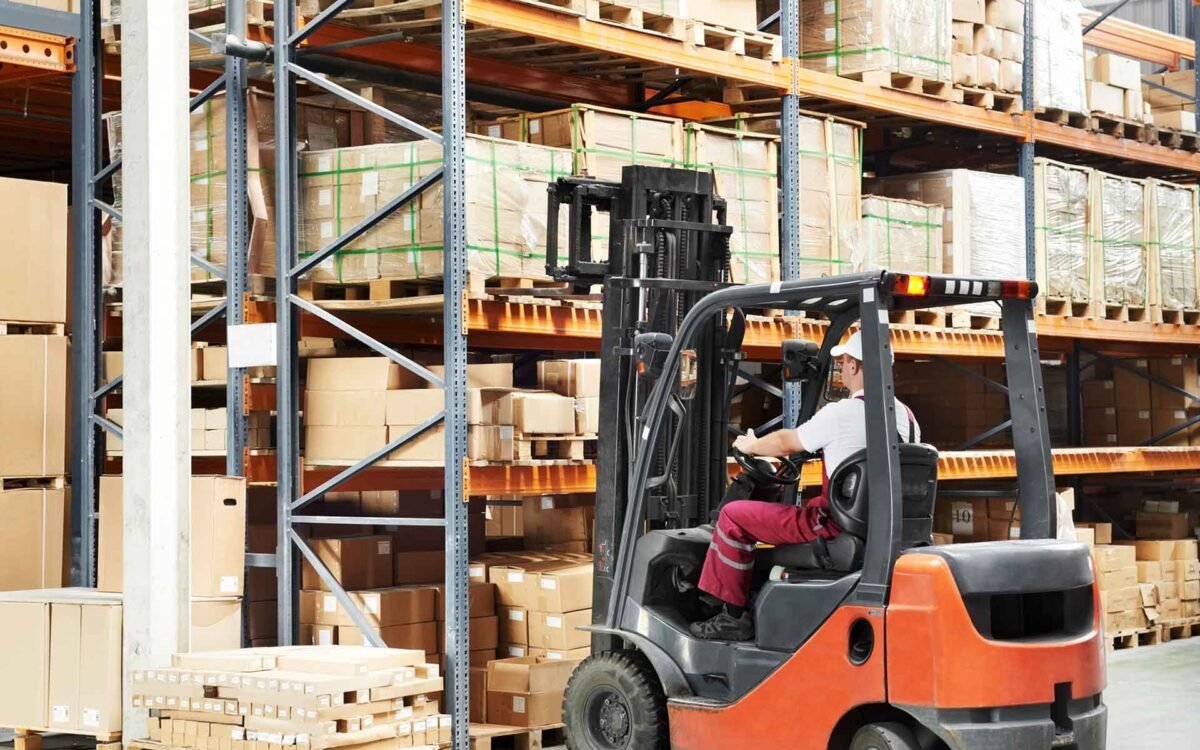
Operating a forklift safely requires proper training, controlled movements, and a clear understanding of load handling.Quick Answer:To operate a forklift, you should inspect the equipment, position the forks correctly, lift and stabilize the load, drive carefully, and follow strict safety procedures at all times.👉 This guide walks you through each step in a simple, practical way.
Most Common Forklift Accidents (Real Examples & Safety Tips)
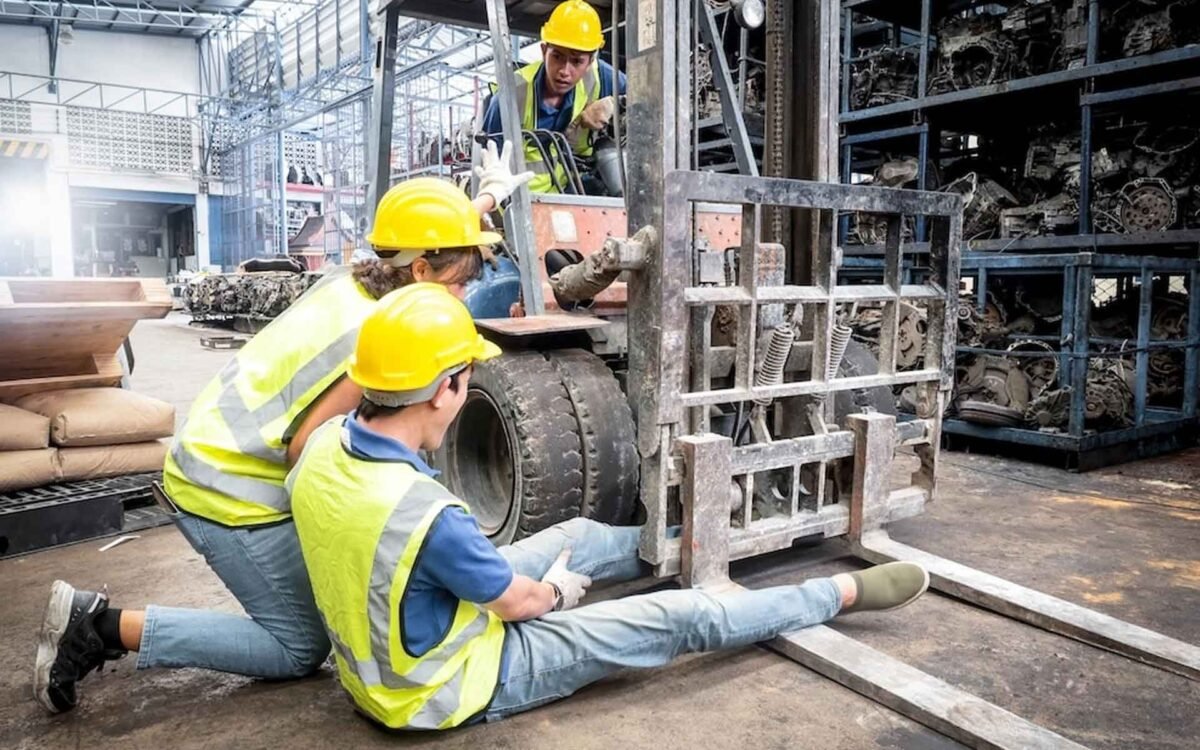
Forklift accidents are common in warehouses and industrial environments—but most of them follow predictable patterns.Quick Answer:The most common forklift accidents include tip-over incidents, pedestrian collisions, and falling loads, often caused by operator error or unsafe working conditions.👉 Understanding real examples is one of the most effective ways to prevent these accidents.
Forklift Accident Statistics (OSHA Data, Injuries & Fatalities)
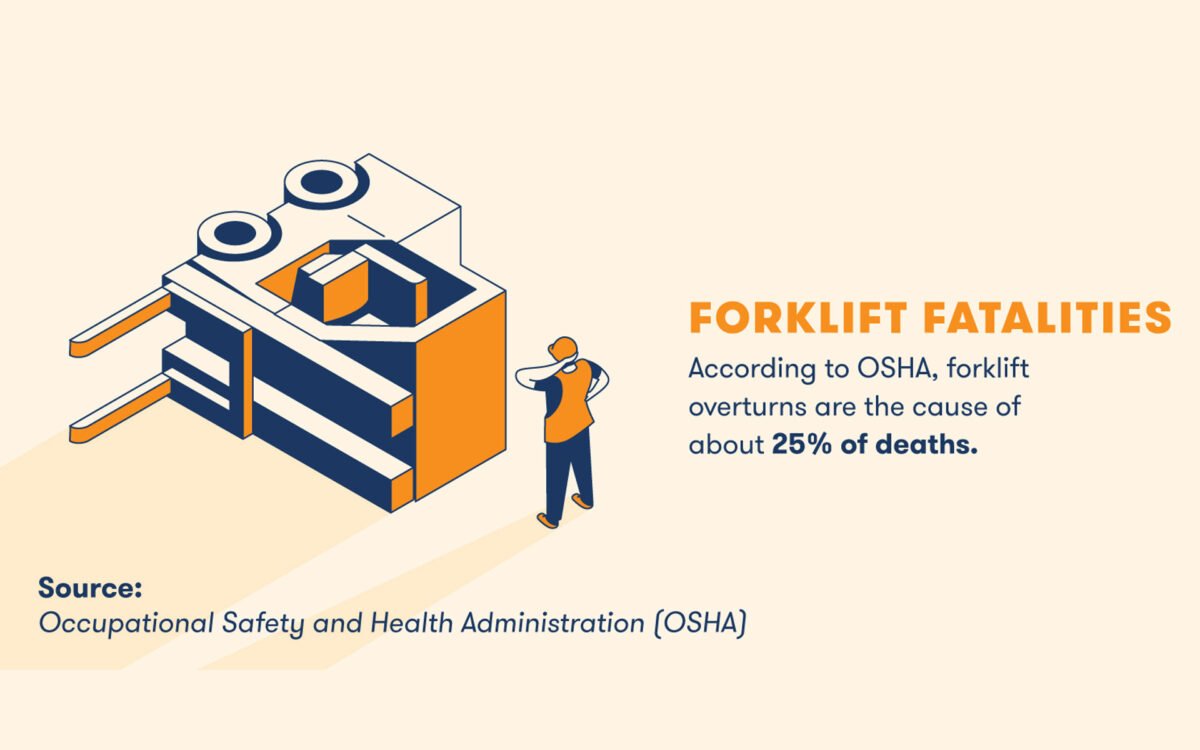
Forklift accidents remain a major safety concern across warehouses, construction sites, and industrial environments.Quick Answer:According to the Occupational Safety and Health Administration, forklift accidents result in:85–100 fatalities per year Approximately 35,000 serious injuries annually Thousands of additional minor incidents👉 These statistics highlight the importance of proper training, safe operation, and reliable equipment.
What Is the Most Common Cause of a Forklift Accident?
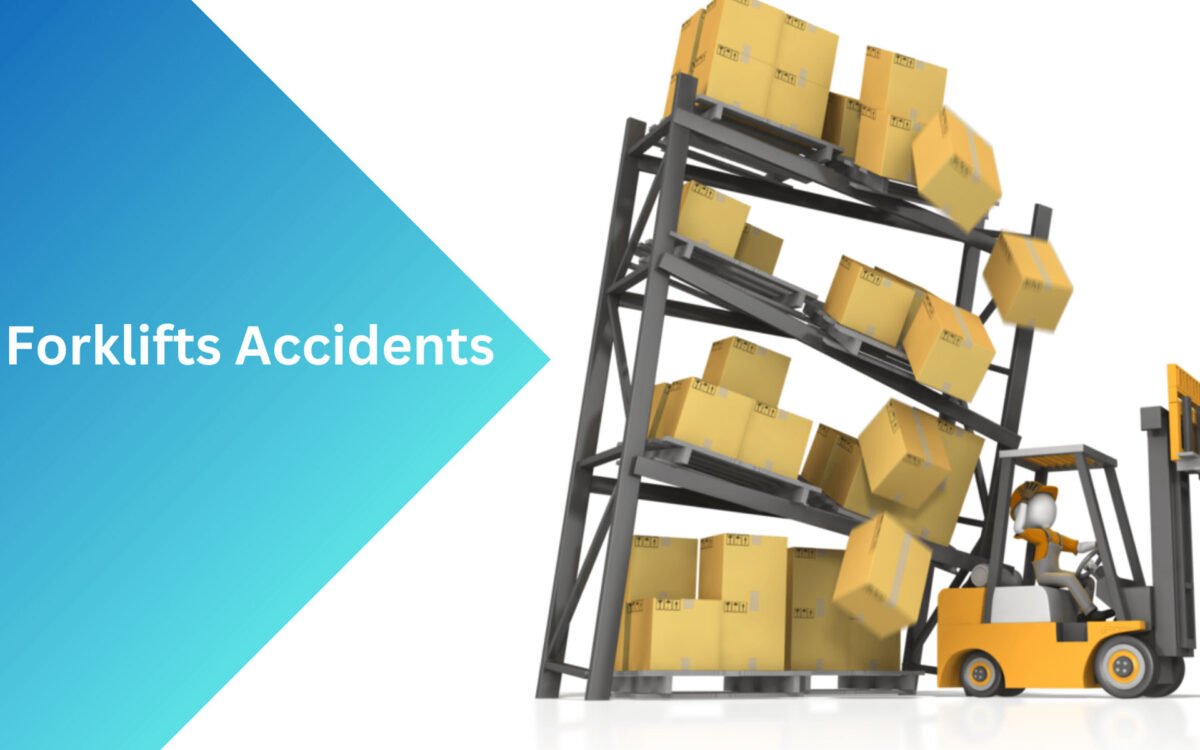
The most common cause of forklift accidents is operator error, including unsafe driving, lack of training, and improper load handling.👉 Studies and safety data from organizations like the Occupational Safety and Health Administration show that most forklift-related injuries and incidents are preventable.
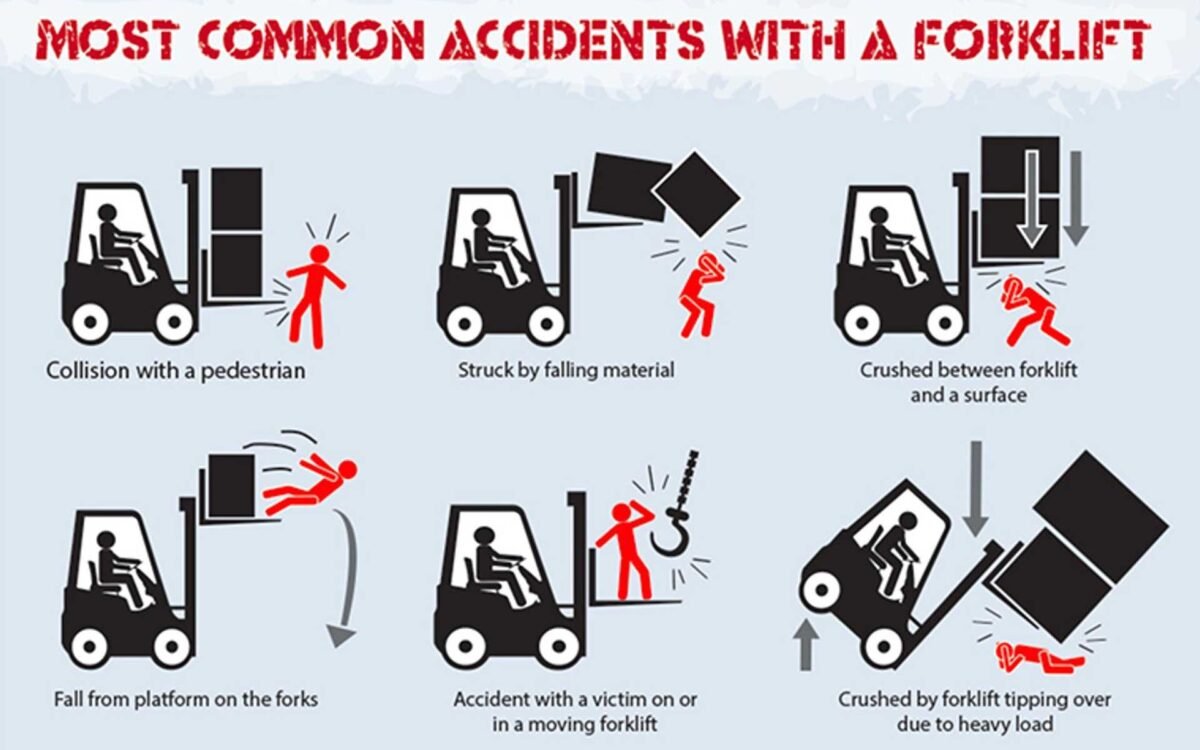
Forklift Accidents: Causes, Statistics, Types & How to Prevent Them
Forklift accidents are a serious safety concern in warehouses, construction sites, and industrial environments.Quick Answer:The most common cause of forklift accidents is operator error, including improper handling, lack of training, and unsafe driving practices.👉 Understanding the causes and risks is the first step to improving workplace safety.
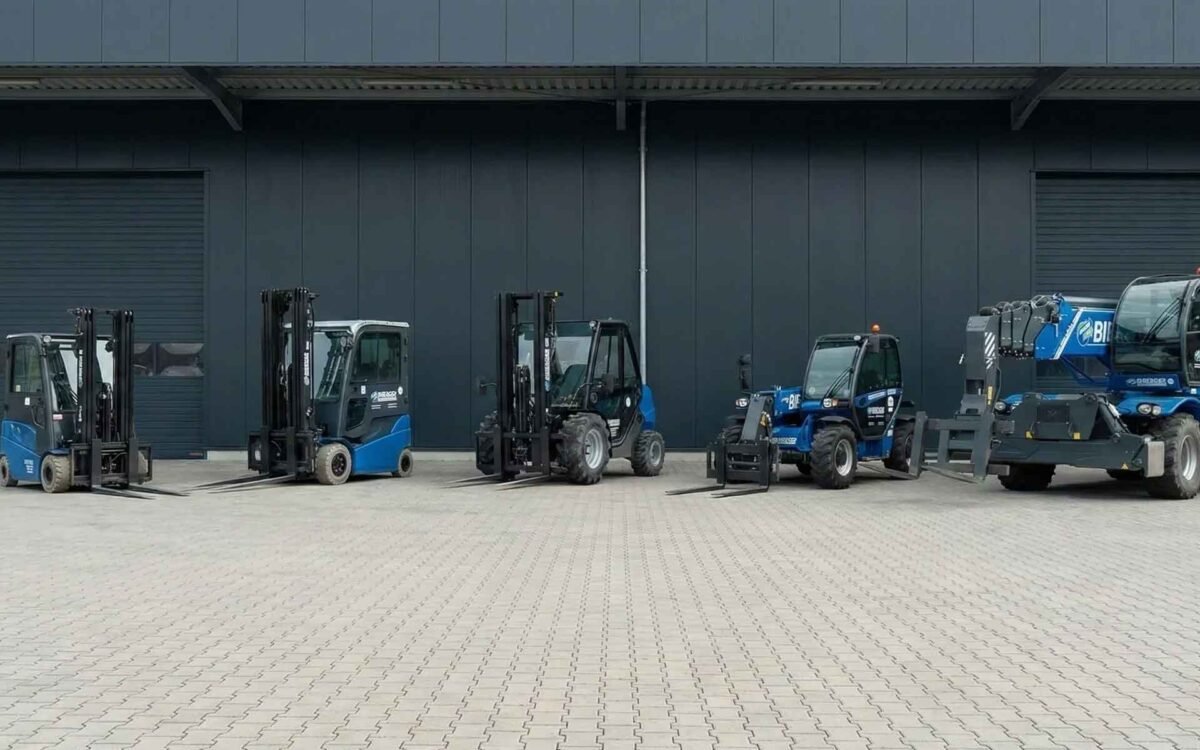
What Is Another Name for a Forklift? (Quick Answer + Full List)
Quick Answer:Another name for a forklift is a lift truck, fork truck, or Powered Industrial Truck.👉 These terms are often used interchangeably, but their usage may vary by industry, region, and context.
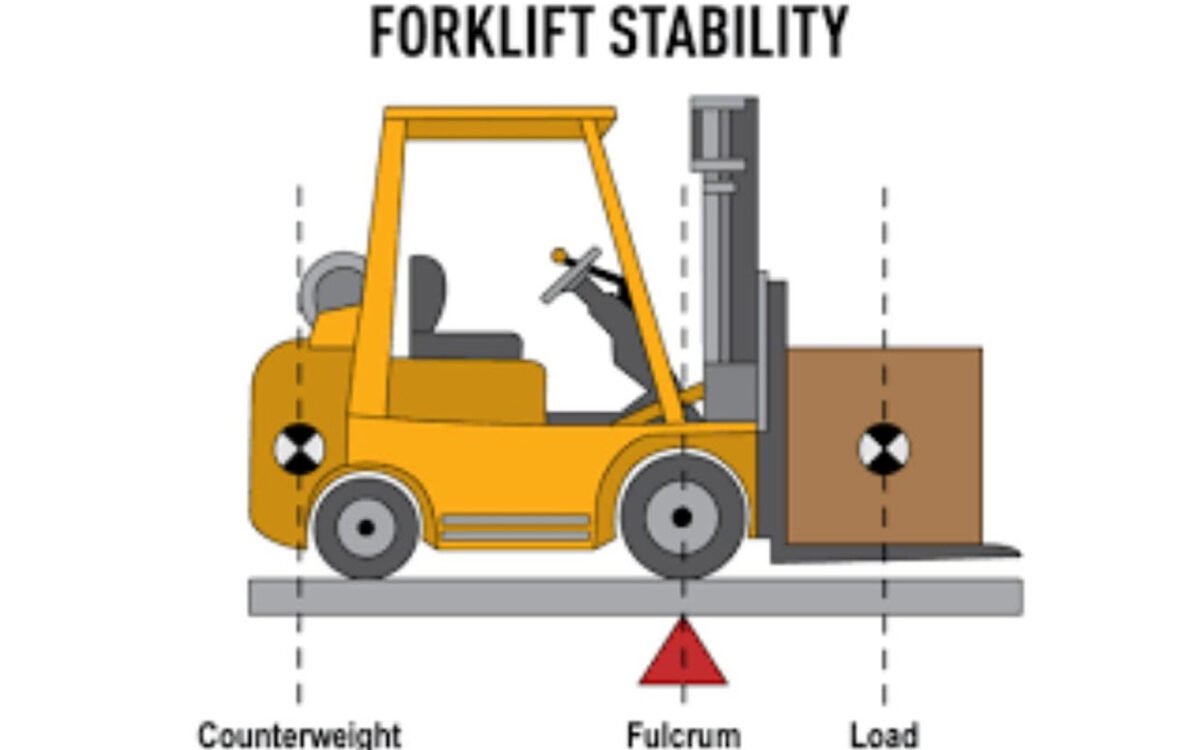
What Forklift Component Keeps the Load from Falling? (Safety Systems Explained)
Several forklift components work together to keep a load from falling, including the forks, load backrest, mast tilt system, and hydraulic controls.👉 It is not just one part—but a combination of design and operation that ensures load stability.
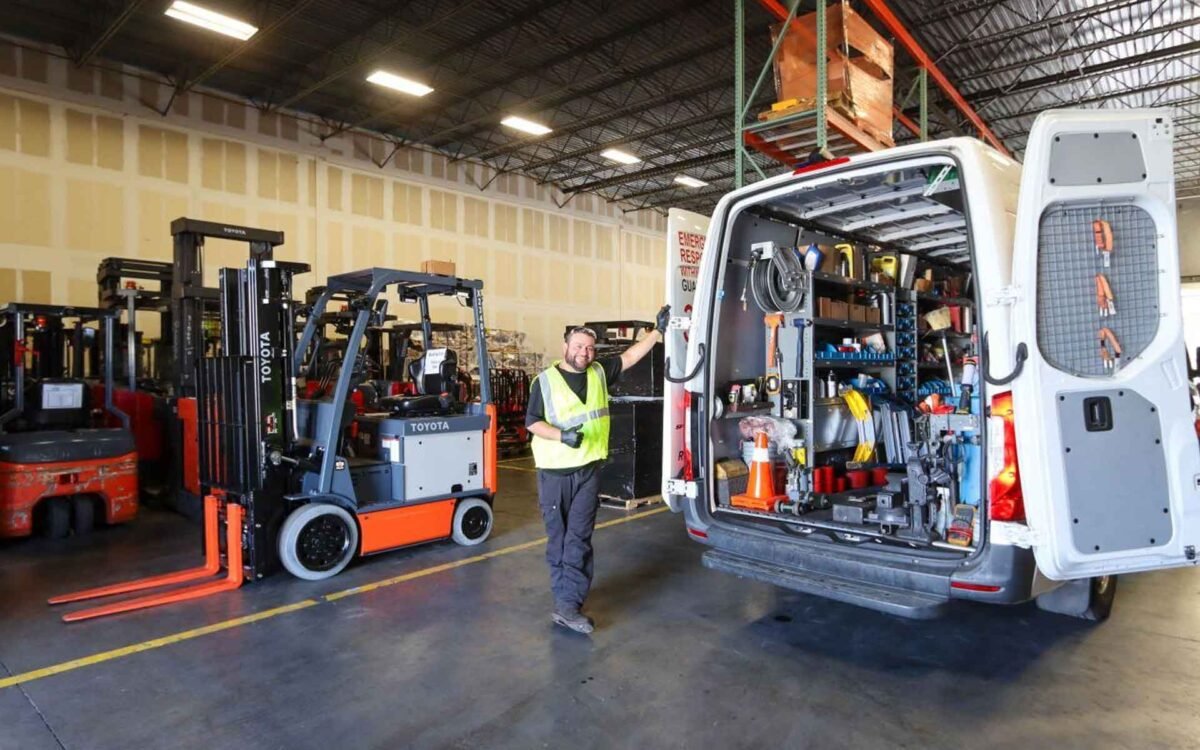
How to Become a Forklift Mechanic (Training, Salary & Career Guide)
A forklift mechanic (also known as a forklift technician) is responsible for maintaining, diagnosing, and repairing forklifts to ensure safe and efficient operation.Quick answer:To become a forklift mechanic, you typically need:Basic education or technical background Specialized forklift technician training Hands-on experience Optional certification👉 This career offers stable demand and competitive salaries in industries like warehousing, logistics, and manufacturing.
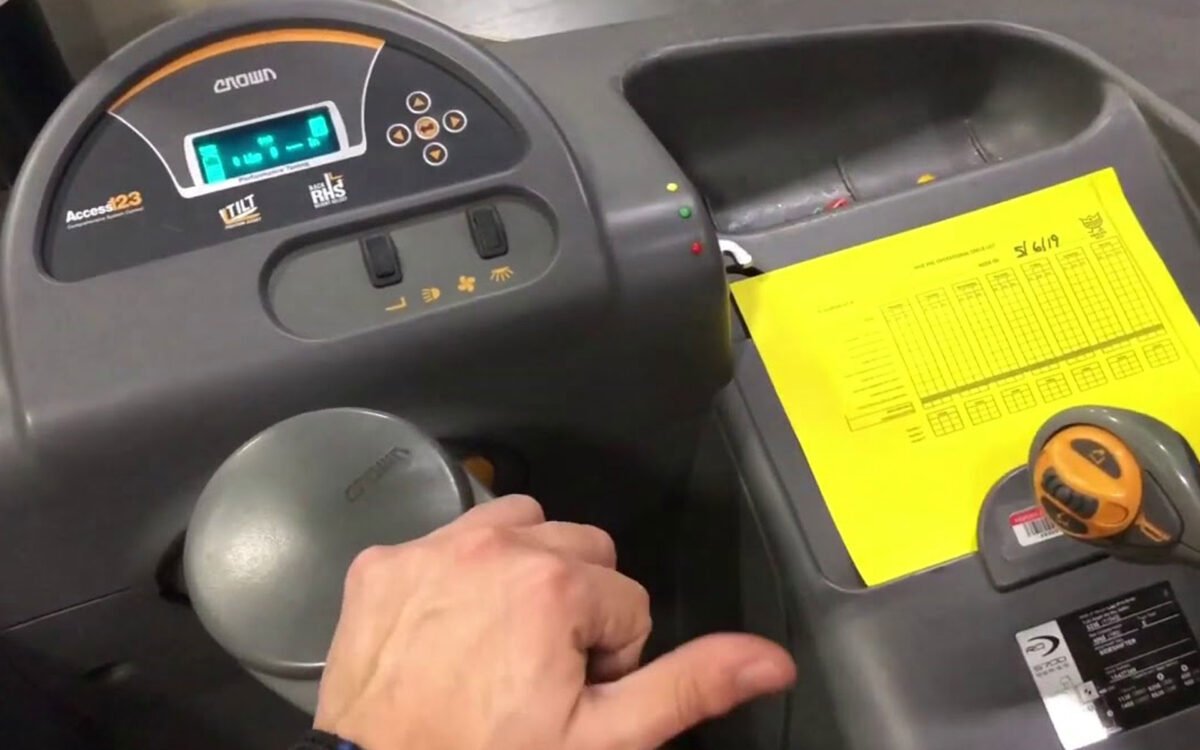
How to Operate a Reach Truck (Step-by-Step Guide for Beginners)
Operating a reach truck requires proper training, safety awareness, and a clear understanding of how the machine works—especially in narrow aisles and high racking environments.Quick answer:To operate a reach truck safely, you should:Perform a pre-operation inspection Start the truck and adjust controls Position the forks correctly Lift and move the load carefully Stack or retrieve pallets at height👉 Below is a detailed step-by-step guide.
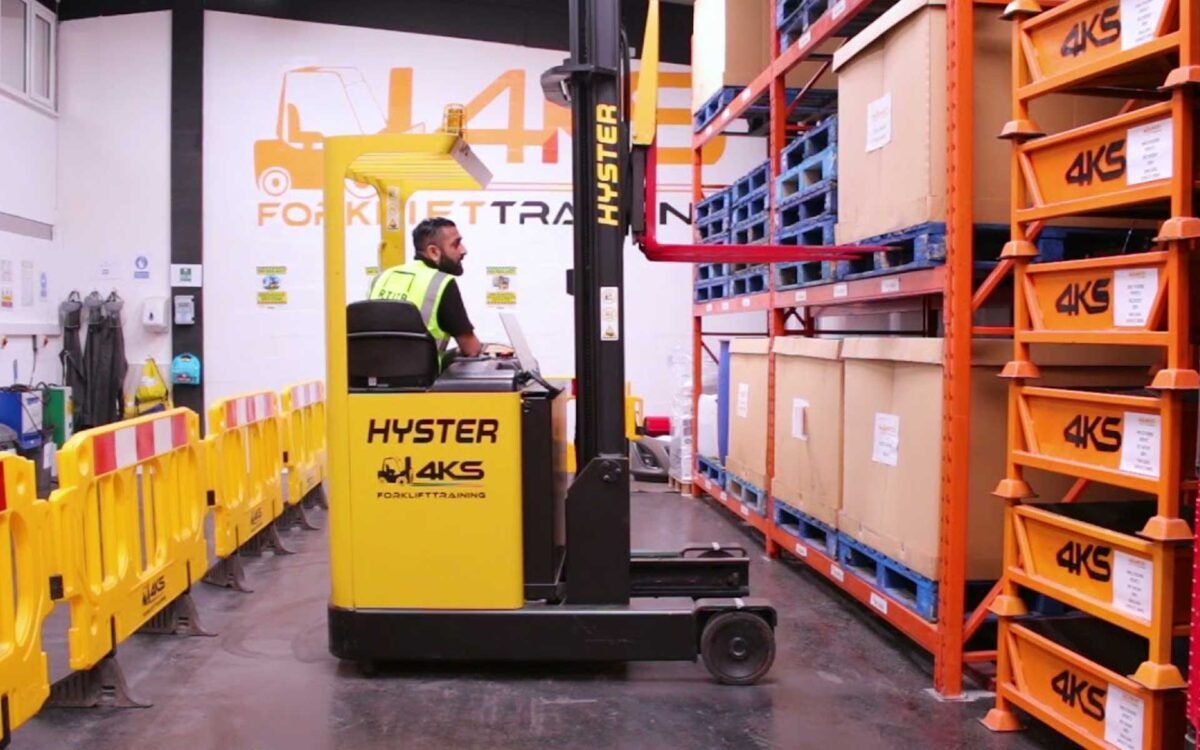
Reach Truck Operator Guide: Duties, Skills, Experience & How to Operate Safely
A reach truck operator is responsible for handling materials in warehouses using a reach truck—a specialized forklift designed for narrow aisles and high stacking.While operating a reach truck requires skill and training, choosing the right equipment is just as important for safety and efficiency.
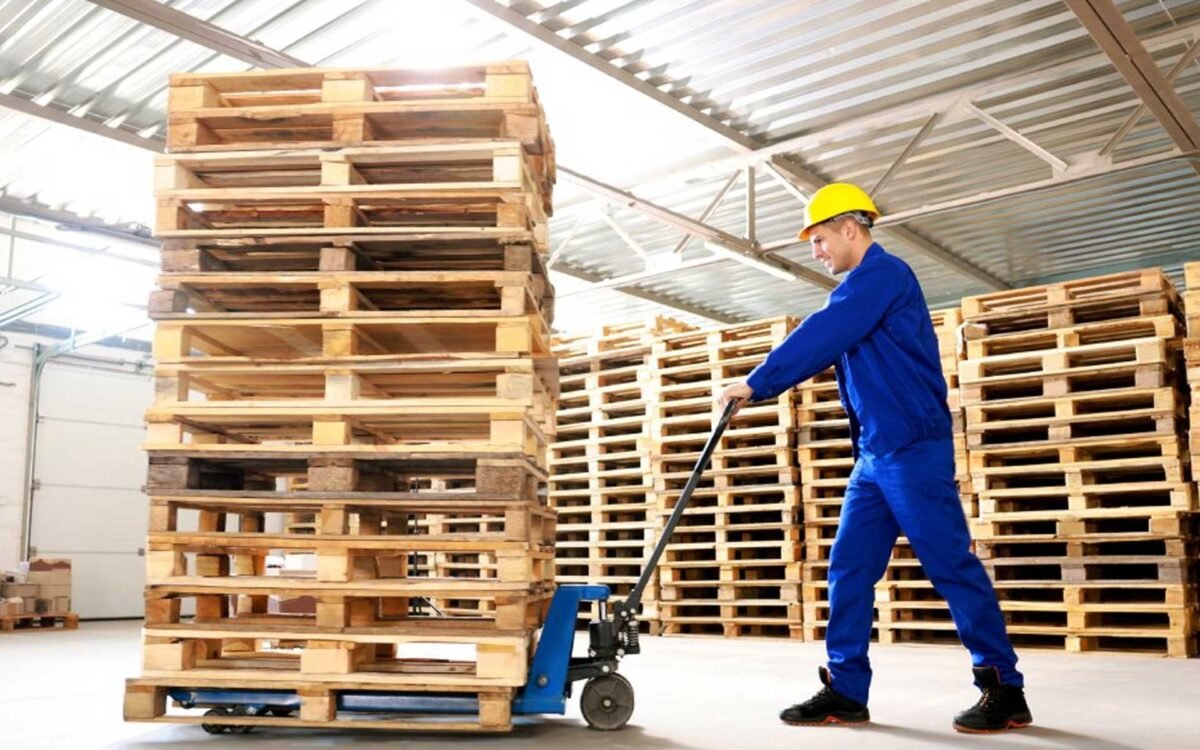
How to Move a Pallet Without a Forklift or Pallet Jack (Safe Methods for Heavy Loads)
Moving a pallet without a forklift or pallet jack may seem difficult—but with the right techniques, it can be done safely and efficiently, even for heavy loads.Quick answer:You can move a pallet without a forklift or pallet jack by using:Rollers or pipes A lever and fulcrum Straps or dragging methods Dollies or carts Breaking down the load👉 The best method depends on the weight of the pallet, distance, and working environment.
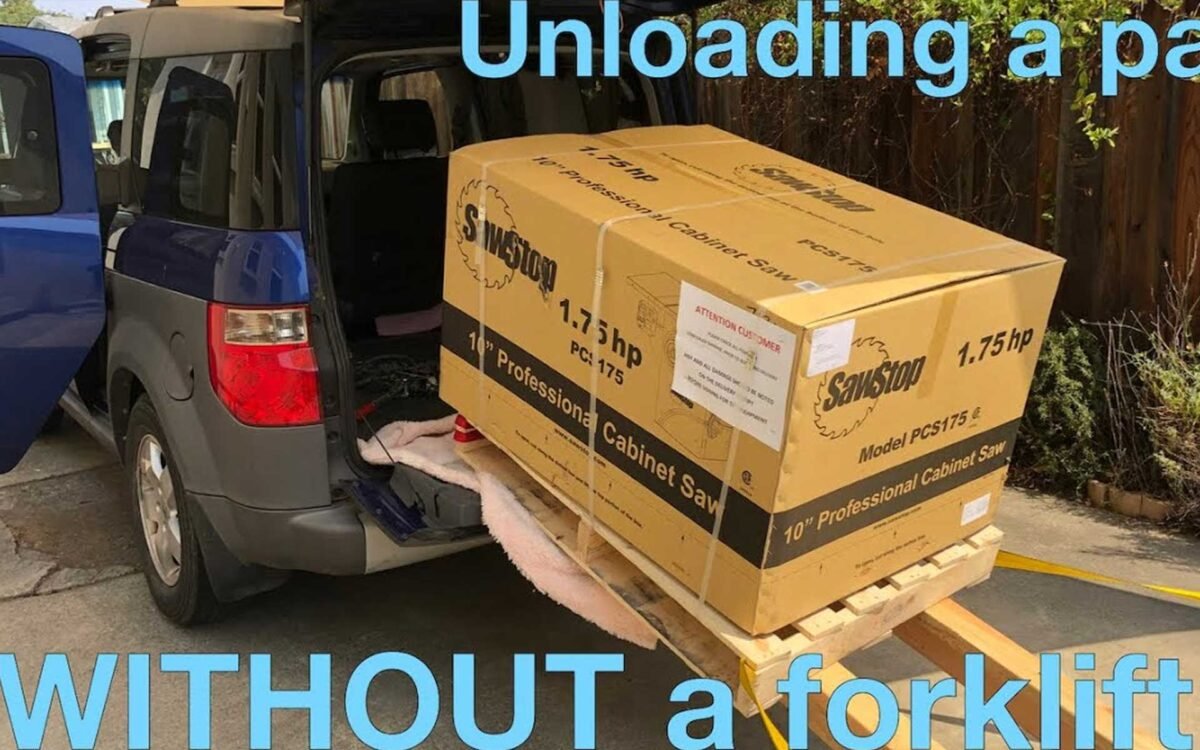
How to Unload a Pallet Without a Forklift (Truck, Ramp & No Dock Methods)
Unloading a pallet without a forklift can be challenging, but it is possible with the right tools, methods, and safety precautions.This guide explains practical ways to unload pallets from trucks, containers, or elevated platforms—even if you don’t have access to heavy equipment.
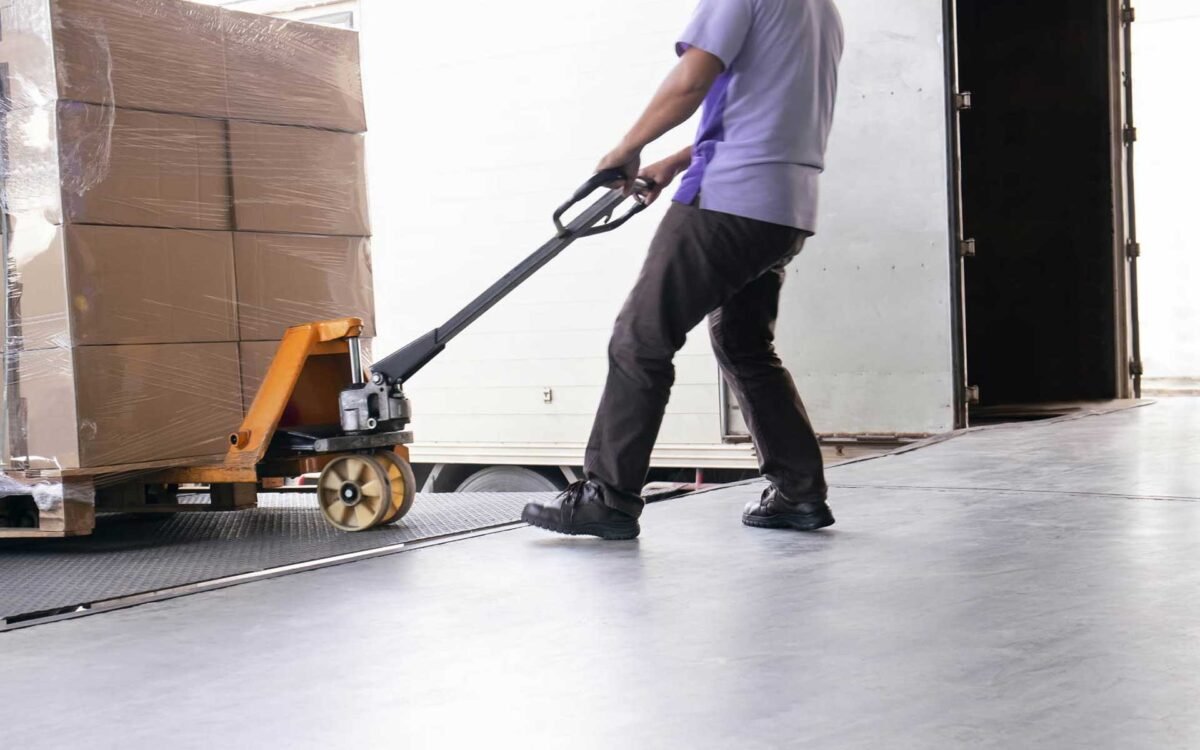
How to Move or Lift a Pallet Without a Forklift (Safe & Practical Methods)
If you don’t have access to a forklift, there are still several safe and effective ways to lift, move, or unload a pallet using manual tools or simple techniques.Quick answer:You can move or lift a pallet without a forklift by using:A pallet jack Rollers or pipes A lever and fulcrum method Manual lifting (for light loads)👉 The best method depends on the weight of the pallet and your working environment.
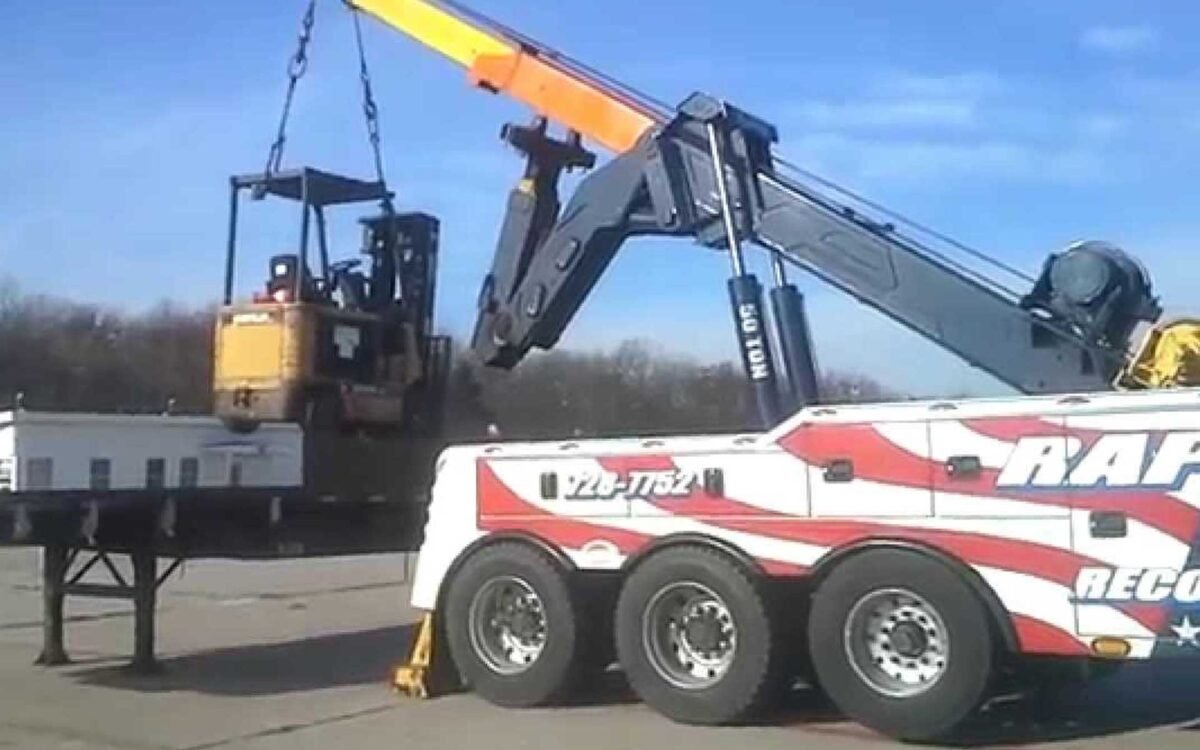
How to Lift a Forklift with a Crane (Safety Guidelines & Best Practices)
Lifting a forklift with a crane is a specialized operation that must be performed using proper lifting equipment, correct lifting points, and trained personnel.While it is technically possible, this task involves significant safety risks and should always follow industry standards such as those recommended by the Occupational Safety and Health Administration (OSHA).